COST GUIDES
How much does chimney removal cost in the UK in 2026?
Updated 04/26
Average cost:
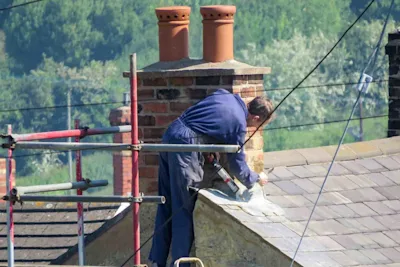
Chimney stack removal costs around £300 per metre or £1,800 per project. Chimney breast removal typically costs more, especially where structural support is needed
Key cost drivers:
Whether you’re removing the stack, the chimney breast, or both, whether the chimney is load-bearing, and what making-good work is needed afterwards
Compliance:
Chimney removal work usually needs to comply with Part A of building regulations, even where planning permission is not required
Removing a chimney can free up space, solve ongoing repair issues, and change the layout of your home quite dramatically, but it's not a small job. It needs careful planning, the right structural support, and the right tradespeople.
In the UK, chimney removal costs vary depending on whether you’re removing the chimney stack, a chimney breast, or both.
This guide explains typical chimney removal costs, what affects the price, how long the work usually takes, and what to look out for before work begins.
How much does chimney removal cost?
Chimney stack removal averages around £300 per metre or £1,800 per project, while chimney breast removal can cost more depending on whether the wall is load-bearing.
| Cost provided item | Unit | Cost + VAT (low range) | Cost + VAT (high range) | Average UK cost |
|---|---|---|---|---|
| Chimney breast removal (chimney stack to remain) | Per project | £1,750 | £3,250 | £2,500 |
| Chimney breast removal (non-load bearing) | Ea | £400 | £600 | £500 |
| Removal of chimney stack | Per m | £260 | £340 | £300 |
| Labour costs | Per day | £220 | £300 | £260 |
| Making good | Per removed chimney breast | £150 | £210 | £180 |
| Last updated: April 2026 Our costs are ballpark averages - get a local tradesperson to quote now | ||||
The total cost of chimney removal depends on which part of the chimney is being removed and how much structural work is involved.
As a general guide, chimney stack removal is usually the simpler and cheaper job, typically ranging from £260–£340 per metre.
If you’re just removing the chimney breast (but leaving the chimney stack), expect to pay in the region of £2,500.
Removing the chimney breast is often more involved because it can affect the structure of the house and may require extra support.
Get a quote for chimney removal near you
To understand the typical cost of chimney removal in your area, request quotes from a selection of checked local chimney specialists. Simply enter your postcode to get started.
Find checked and reviewed chimney repair specialists
Chimney removal costs at a glance
Chimney stack removal: around £300 per metre
Average chimney stack removal project cost: around £1,800
Chimney breast removal (stack remains): around £2,500
Non-load-bearing chimney breast removal: around £500
Labour cost: around £260 per day
Making good after removal: around £180 per chimney breast removed
Typical project duration: around 5 to 8 days
Chimney removal costs by project
How much does it cost to remove a chimney breast?
The cost of removing a chimney breast depends mainly on whether it is load-bearing and whether it runs through one or more floors.
As a guide:
Chimney breast removal, with chimney stack remaining: around £2,500
Non-load-bearing chimney breast removal: around £500
This is often the part of the project that has the biggest effect on layout and usable floor space.
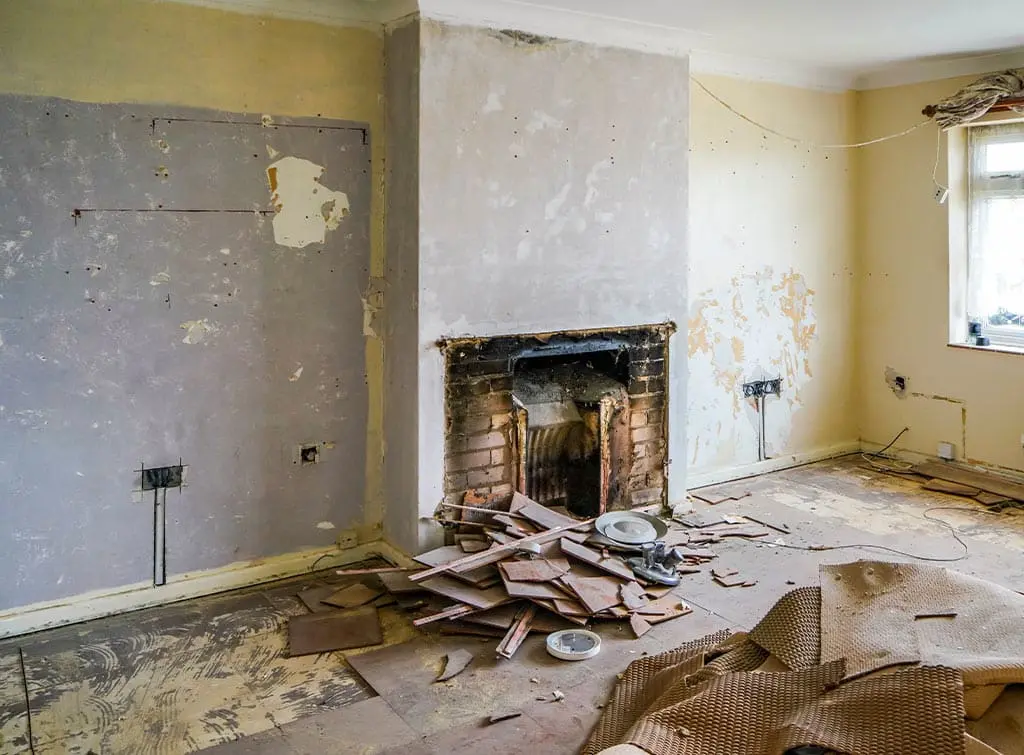
The chimney breast surrounds the flue and is the part you see from inside and sometimes outside the house. It is a long tunnel that spans the height of the house and opens up into the hearth on one or both floors of the house.
How much does it cost to remove a chimney stack?
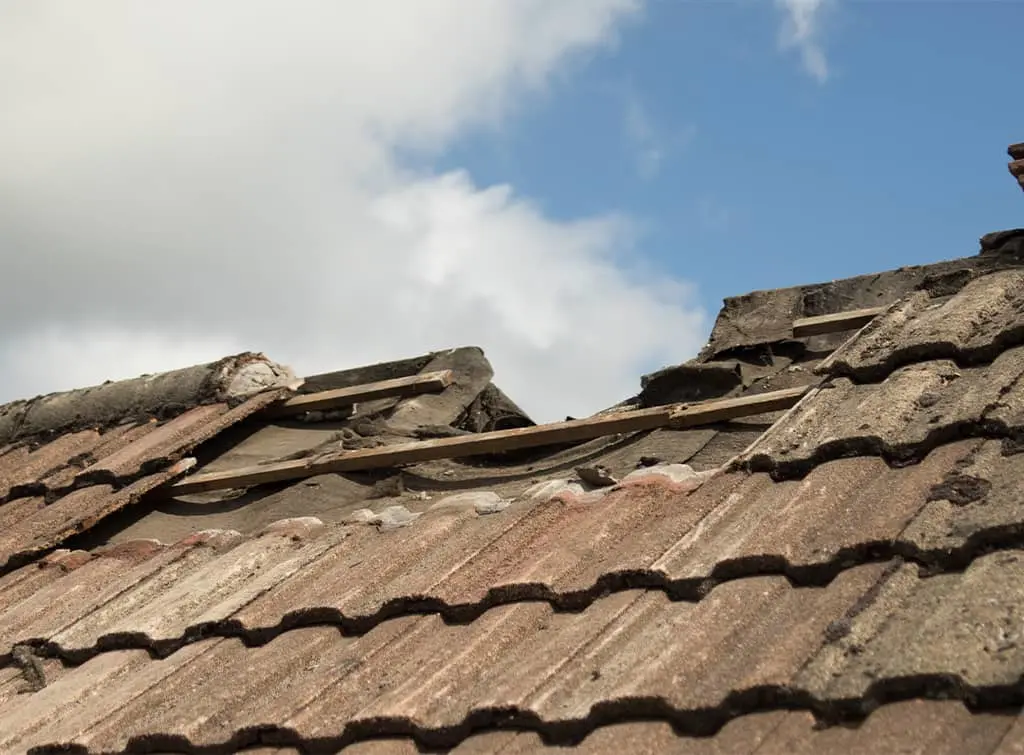
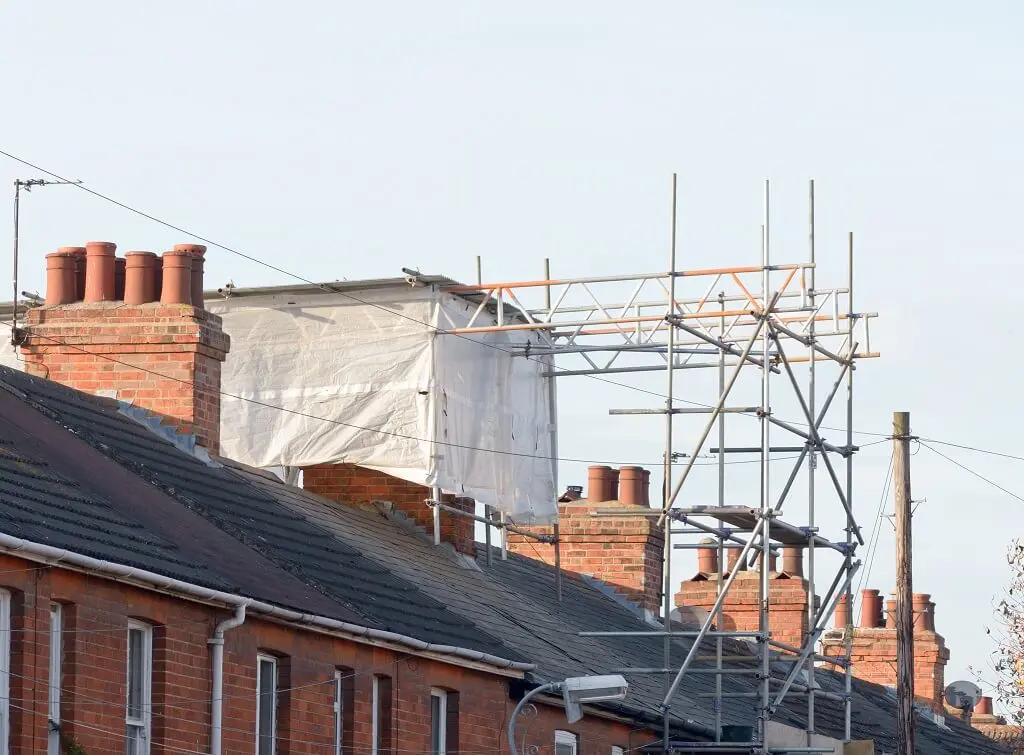
The chimney stack is the part you see above roof level. It can often be removed and capped without the added expense of removing the internal chimney breast.
The average cost to remove a chimney stack is around £300 per metre, or roughly £1,800 per project.
This can be a practical option if the stack is causing maintenance issues but you do not want to disturb the rooms below.
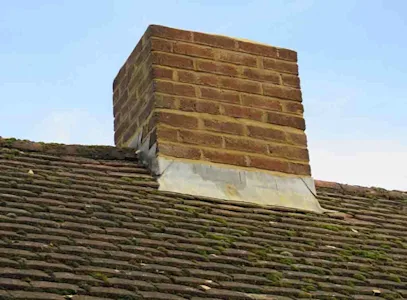
The chimney stack is the part of the chimney that you see on the roof of the house. It can be made of various materials and can be different heights.
Data verified by our professional estimators
Estimators are CIOB & RICS members
Is it a big job to remove a chimney?
In most cases, removing a chimney is a job that needs to be planned carefully.
Removing part of a chimney can affect the structure of your property, particularly in older homes where chimney breasts are often tied into load-bearing walls. There is also likely to be dust, debris, roof work, and repair work afterwards.
That doesn’t necessarily mean every chimney removal is a huge project, but it does mean it’s worth getting the planning and structural side right before work starts.
What affects the cost of chimney removal?
Several things can change the final price you’re quoted for chimney removal, including:
Type of chimney: different materials and chimney types affect how easy the chimney is to dismantle. Heavier masonry chimneys are usually more labour-intensive than lighter systems
Full or partial removal: removing only the stack is usually cheaper than removing the stack and one or more chimney breasts inside the house
Load-bearing structure: if the chimney breast forms part of a load-bearing wall, extra support and structural work may be needed
Condition of the chimney: if the chimney is already damaged, has caused damp, or has affected surrounding materials, extra repairs may be needed once the structure is removed
Roof and internal finish: the final cost depends partly on how neatly you want the job finished afterwards, from simply capping the opening to fully repairing and redecorating the room and roof
Location: labour and access costs can be higher in some parts of the UK, particularly in London and the South East

On Checkatrade, you'll only find trades who meet our high standards and pass up to 12 checks.
Additional costs to budget for
The chimney removal itself is only part of the total spend. Depending on your property and the scope of the work, there may be extra costs to allow for.
Building regulations approval: the work will usually need to comply with Part A of building regulations. If you use an approved inspector, the average cost of approval and certification is around £200 + VAT
Making good: once the chimney has been removed, walls, ceilings or floors may need patching and finishing. As a guide, making good costs around £180 per removed chimney breast
Fireplace removal: if a fireplace is still in place, this may need to be removed as part of the wider project
Roof repairs: if the stack is removed, the roof will need to be closed up properly to prevent leaks and future damp problems. Replacing roof tiles is normally around £170 for up to five broken tiles, assuming the replacement tiles can be easily sourced
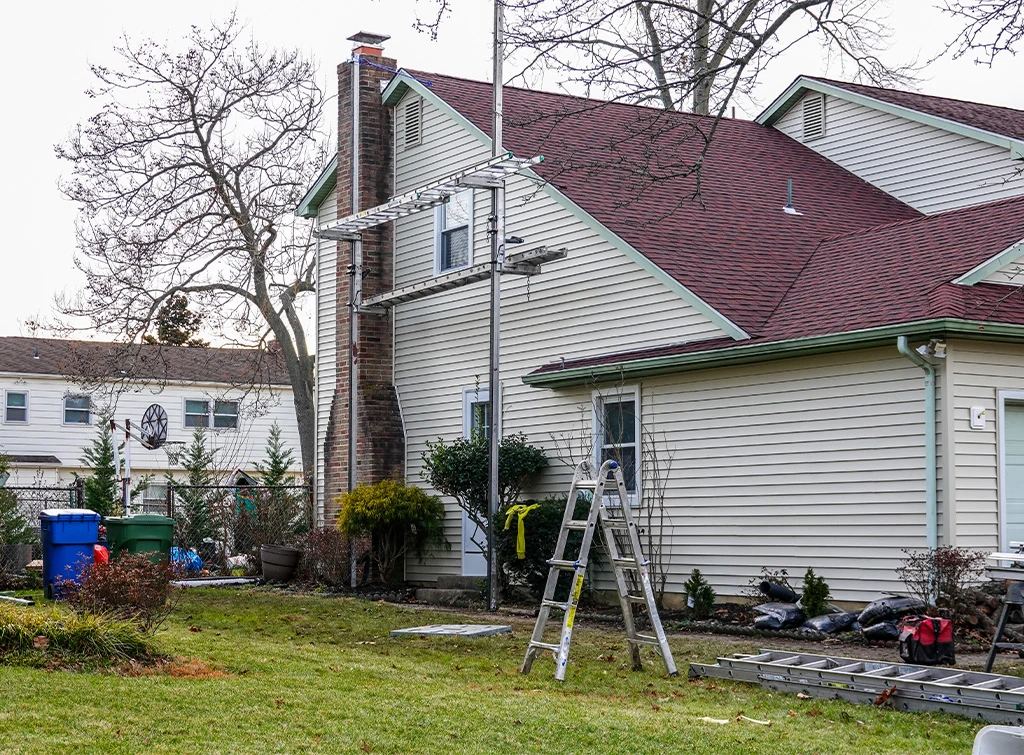
Scaffolding hire: with any project that involves roof access, scaffolding is used for safety and efficiency. Budget around £660 per week
Waste removal: your quote for chimney removal should include waste removal. If not, it's handy to know skip hire usually costs between £75–£450 per week, depending on the size of the skip you need
Unexpected repairs: in older properties, removing a chimney breast can reveal issues that had previously been hidden. For example, asbestos, which can cost around £175 per m² to remove
Professional fees: if you plan to remove a chimney from a load-bearing wall, you'll need a structural engineer to carry out a report first. The average cost is around £400
Because this is a structural job, it is especially important to understand where the contractor’s responsibility ends and whether additional specialists may need to be involved.
What should be included in a chimney removal quote?
A clear quote should explain exactly what is being removed and what happens afterwards.
On a standard chimney removal quote you should expect to see:
Labour
Demolition and removal of agreed chimney sections
Waste removal or skip arrangements
Structural supports if required
Roof making-good where relevant
Internal making-good where relevant
Expected project timescale
Confirmation of what is excluded
Knowing what should be included makes it much easier to compare quotes fairly.
This is one of those jobs where the cheapest quote is not always the cheapest in the long run. Make sure you know whether the quote includes finishing work and certification, not just demolition.
How long does chimney removal take?
As a guide, the average timescale to remove a chimney is somewhere between 5 to 8 days. The exact time usually depends on:
Whether you’re removing the stack, breast, or both
How many floors are involved
Whether structural supports are needed
How much repair work is needed afterwards
A simple stack removal may be quicker than a full internal and external removal.
We check the reviews on Checkatrade are from real people, and that trades meet our high standards.
Chimney removal cost calculator
If you want a rough starting point before arranging quotes, our chimney removal cost calculator can help.
Job Estimate Calculator

This calculator provides a guide price only, not a quote. Actual costs can vary depending on the scope of the work, whether the chimney is load-bearing, labour rates, internal/external repairs to ‘make good’, and whether building regulations approval is needed.
For an accurate quote, it’s always best to ask an experienced local specialist to assess the chimney in person.
Find checked and reviewed chimney repair specialists
How do you know if a chimney is load-bearing?
In many older houses, chimney breasts are treated as part of the building’s structure, which means they often need to be approached as load-bearing.
If you are not sure, it is best to get professional advice before any work starts. Removing a load-bearing chimney without proper support can affect the structural integrity of your property.
This is also one of the reasons chimney removal is not a DIY job.
Can you remove a chimney yourself?
In short, no — or at least, it is not a sensible job to attempt yourself.
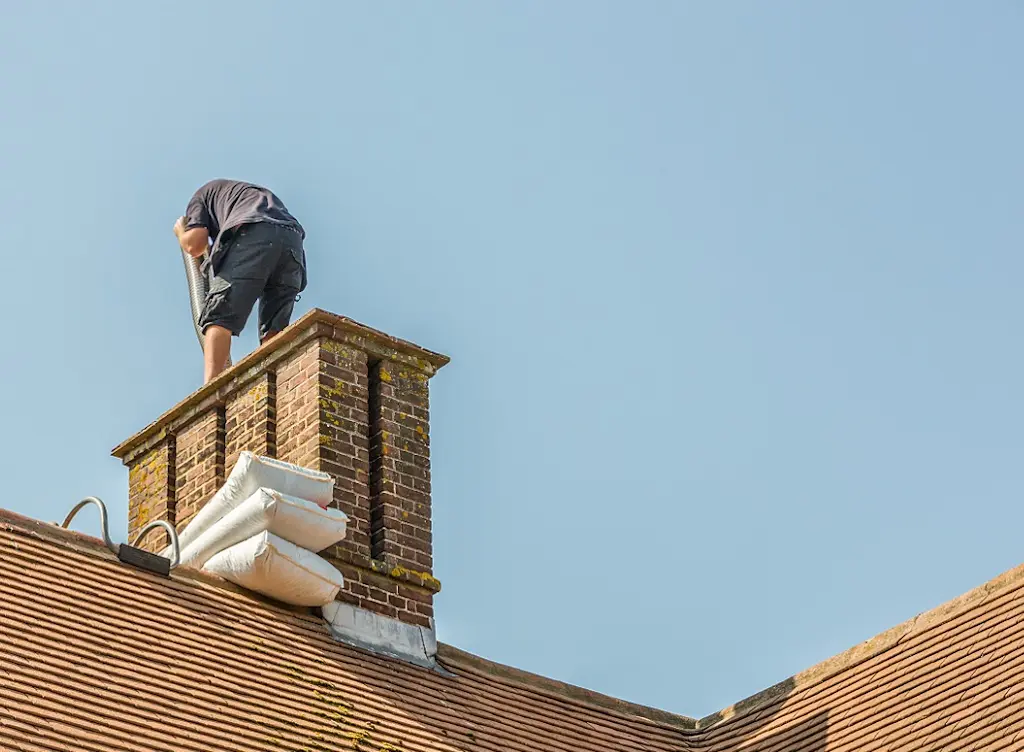
Chimneys are heavy, awkward to dismantle, and often tied into the structure of the house. There are also safety risks linked to roof access, debris, and building regulations.
For most homeowners, hiring a professional is the safest and most practical option.

Do you need planning permission to remove a chimney stack or breast?
Removing a chimney stack or breast is often classed as permitted development, which means planning permission is not normally needed, provided your property is not listed and is not in a conservation area.
However, the work still needs to comply with Part A of the building regulations, and you may need other permissions depending on your property.
For example:
If the chimney is on a shared wall, the Party Wall Act may apply
If you are a leaseholder, you may need permission from the freeholder
If gas or electrics are involved, suitably qualified tradespeople will need to handle those elements

If a gas appliance, e.g. a gas fire, is involved in any part of the chimney removal process, you must hire a Gas Safe Registered engineer for this part of the work. Similarly, if there are any electrical and/or wiring elements to consider, you'll need to hire a qualified electrician to deal with them.
Is it worth removing a chimney?
Removing a chimney can make sense if:
The chimney is no longer in use
Ongoing repairs are becoming expensive
You want to gain floor space
The chimney is affecting layout options in a smaller room
That said, it is a significant structural change, so it is worth weighing up the likely cost and disruption against the benefits.

Chimney removal cost checklist
When should you speak to a chimney specialist?
Whether your chimney is redundant, costing you more than you’d like in repairs, or creating awkward layouts internally, it’s worth getting advice from a specialist before deciding on chimney removal.
It’s not uncommon to have a chimney removed. It can even help to combat structural or damp issues around the chimney, but speaking to an expert is key.
They can explain what is structurally possible, whether the chimney breast is load-bearing, what the likely cost will be, and whether other professionals may need to be involved.

Find chimney removal specialists near you
If you’re thinking about chimney removal, speaking to a specialist early can help you avoid surprises later on.
A good contractor should be able to assess your chimney properly, explain what work is needed, and provide a clear written quote that covers both the structural work and the finish afterwards.
Comparing quotes from local specialists is usually the best way to understand what a fair price looks like for your home.
Browse checked chimney specialists working in your area
Enter your postcode to find a top tradesperson near you
World of Roofing
10.00
(135 reviews)Services & skills
RooferChimneys InstallationHot Melt Roofing InstallationChimney Cowlings InstallationTiled Conservatory Roof RepairRipley Developments Ltd
10.00
(85 reviews)Services & skills
RooferChimneys InstallationHot Melt Roofing InstallationLeadworks InstallationRubber Roofing InstallationRoofer UK Network Limited
10.00
(47 reviews)Services & skills
RooferChimneys InstallationRubber Roofing InstallationPitched Roofing InstallationHot Melt Roofing InstallationRidgeline Property Maintenance
10.00
(37 reviews)Services & skills
RooferChimneys InstallationLeadworks RepairDry Ridge RepairSealoflex Roofing InstallationApex Property Maintance Ltd
10.00
(18 reviews)Services & skills
RooferChimneys InstallationSlate Roofer RepairFlat Roofing InstallationLiquid Plastic Roofing InstallationArchrise Roofing
10.00
(84 reviews)Services & skills
RooferChimneys InstallationTiled Conservatory Roof RepairEmergency Roofing ServicePitched Roofing Repair


FAQs
How much does it cost to remove a chimney in the UK?
Chimney removal costs vary depending on what is being removed. As a guide, chimney stack removal averages around £300 per metre or £1,800 per project, while chimney breast removal costs more.
How much does it cost to remove a chimney breast?
The average cost to remove a chimney breast, where the stack remains, is around £2,500. If the chimney breast is non-load-bearing, the cost can be much lower, at around £500.
Is it worth removing a chimney?
It can be worth removing a chimney, especially if it’s no longer used, needs ongoing repairs, or is taking up valuable floor space. The main thing is to balance the cost and disruption against the long-term benefit.
How do you know if a chimney is load-bearing?
In many older homes, chimney breasts are treated as load-bearing. If you are not sure, it is best to speak to a professional before any work starts.
Is it a big job to remove a chimney?
It’s often a significant project to remove a chimney. Even when only part of the chimney is being removed, the job can involve structural work, roof repairs, internal repairs, and building regulations compliance.
Do you need planning permission to remove a chimney?
Planning permission is not usually needed to remove a chimney, provided the property is not listed and not in a conservation area. However, the work still needs to comply with building regulations, and other permissions may apply depending on the property.
Do I need to inform my neighbours before removing a shared chimney?
If the chimney is part of a shared wall, you'll need to consult with your neighbours for approval under the Party Wall Act. Failure to do so could result in legal action from local authorities.
Can I remove a chimney myself?
It is not recommended to remove a chimney as a DIY project. Chimney removal is heavy, messy, potentially dangerous, and can affect the structure of the building if done incorrectly.
More Chimneys Installation Articles

See the tradespeople we've checked for your job