COST GUIDES
How much do composite windows cost?
Updated 08/26
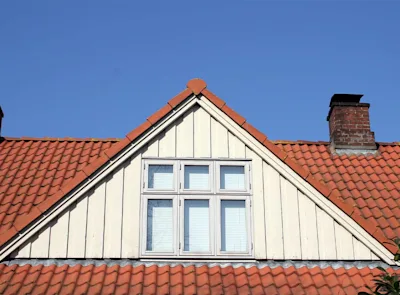
Composite windows are often said to combine the best qualities of both timber and uPVC. But how much do composite windows cost?
Fast Facts
Average composite window prices range from around £1,500 - £2,500
Your overall price will vary depending on the style of window and type of composite
uPVC-aluminium is cheapest, while fibreglass is more expensive
This guide covers the full price breakdown, what pushes the cost higher, and whether they are worth it over other materials like uPVC.
How much do composite windows cost?
| Item | Unit | Low-High | Average |
|---|---|---|---|
| Window Type | |||
| Composite Bay Window | Each | £2,000 - £3,500 | £3,000 |
| Composite Tilt & turn Window | Each | £1,100 - £1,600 | £1,400 |
| Composite Casement Window | Each | £1,000 - £1,500 | £1,300 |
| Composite Sash Window | Each | £1,500 - £2,000 | £1,800 |
| Frame Material | |||
| Timber-aluminium (aluclad) framed window | Each | £1,200 - £3,000 | £1,800 |
| uPVC-aluminium framed window | Each | £1,000 - £2,500 | £1,500 |
| Fibreglass framed window | Each | £1,500 - £3,500 | £2,500 |
| Last updated: August 2026 Our costs are ballpark averages - get a local tradesperson to quote now | |||
Composite windows typically cost an average of £1,300 to supply and install a standard casement window, up to an average of £3,000 for a composite bay window.
The cost can vary quite a bit depending on the exact materials, the size of the window, and what type of window you need.
Composite window prices by style
The window style is one of the biggest cost factors. Here is what to expect for each type.
Casement windows
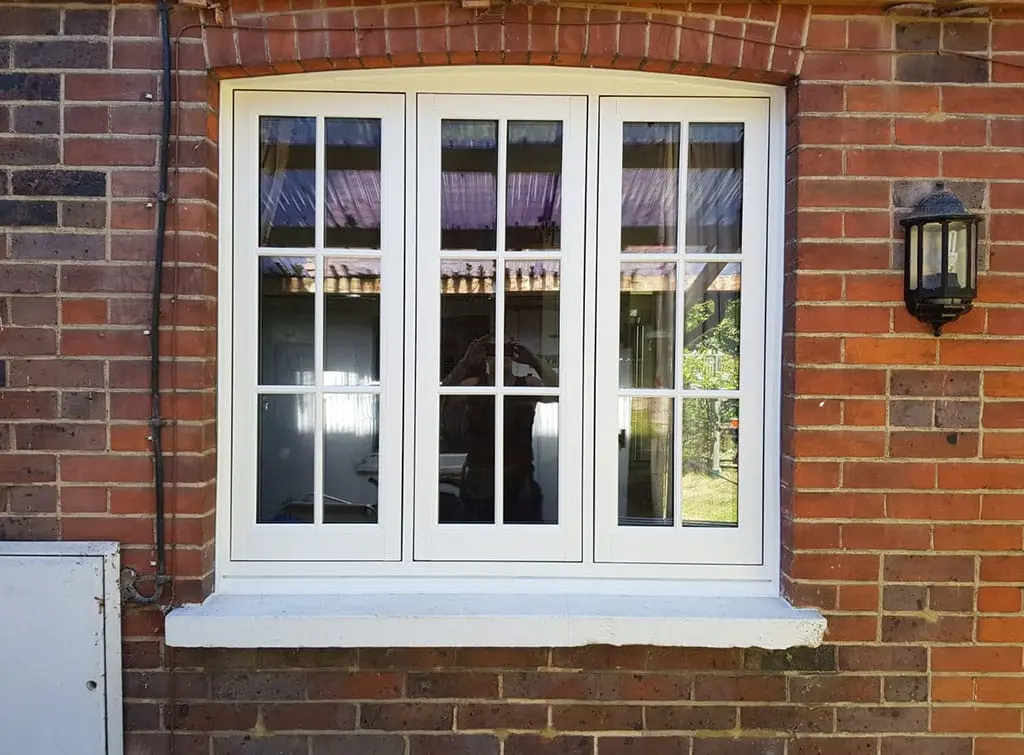
A composite casement window costs around £1,000 - £1,500 per window to supply and install, averaging £1,300.
Casement windows open on a side hinge and are the most common style in UK homes.
They are the most straightforward composite window to supply and fit, which keeps the cost at the lower end of the range.
Tilt and turn windows
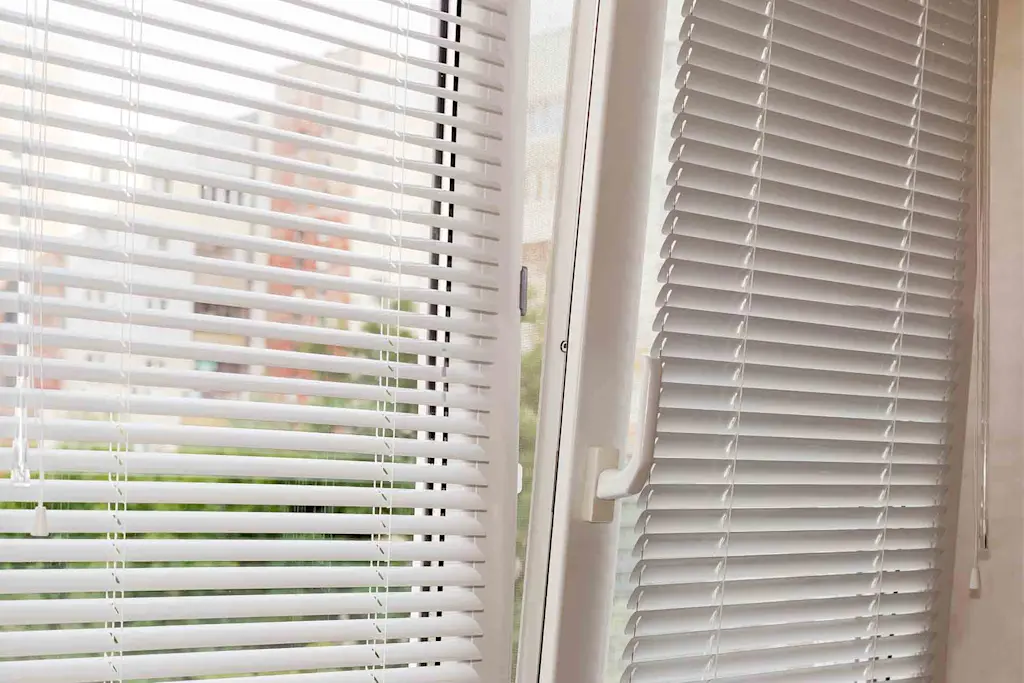
Composite tilt and turn windows cost around £1,100 - £1,600 per window to supply and install, averaging £1,400.
These windows have special hinges so that they can tilt inwards at the top or open fully from the side.
They’re versatile and easy to clean, making them popular in modern properties and apartments, but the dual-action hardware adds slightly to the cost of each unit.
Sash windows
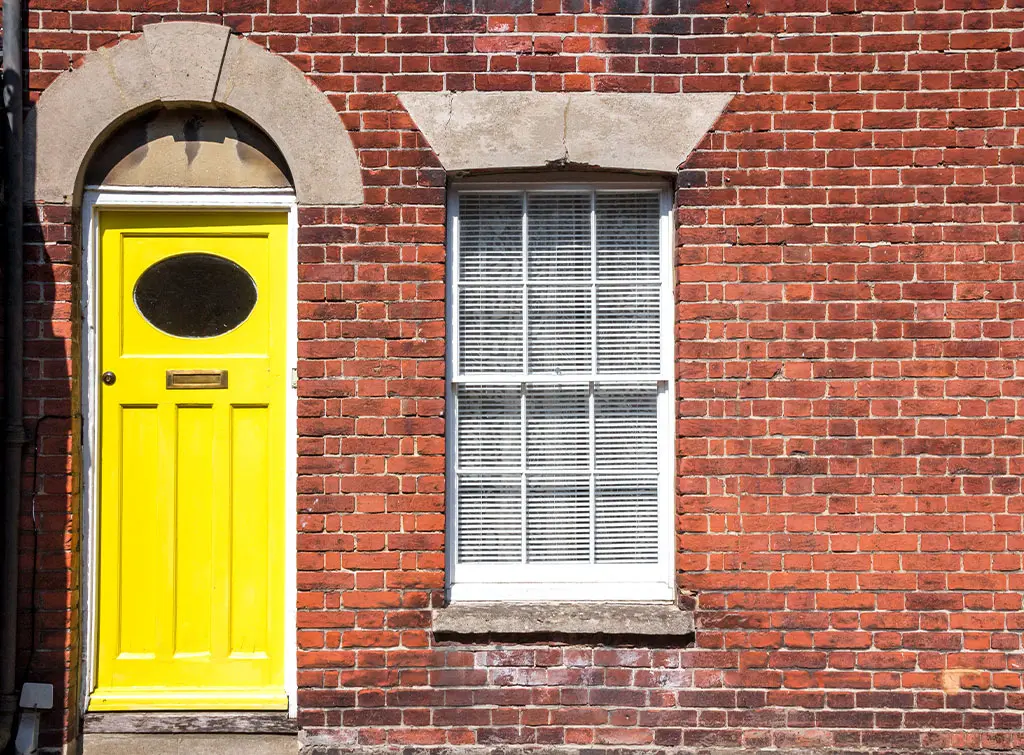
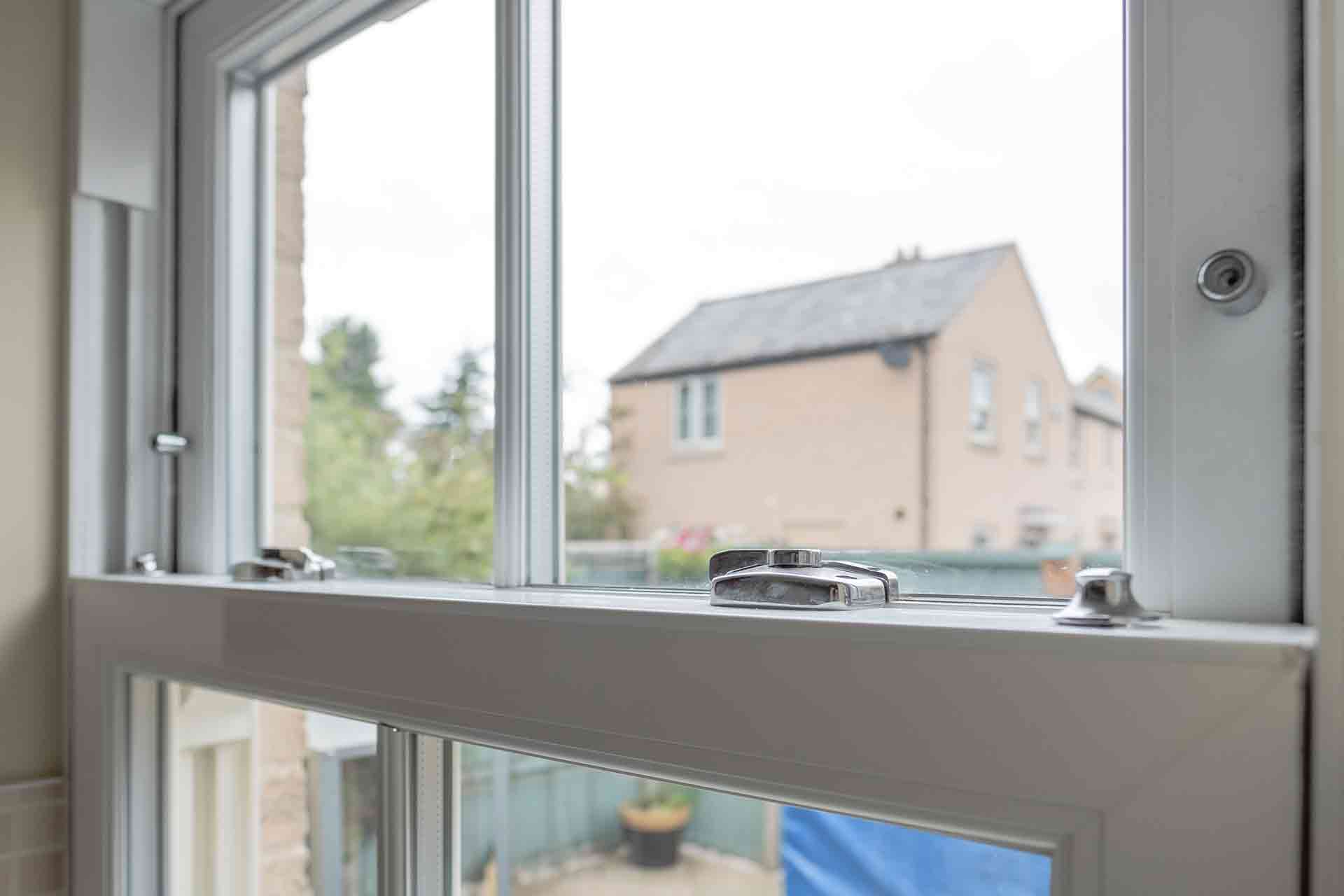
Composite sash windows cost around £1,500 - £2,000 per window to supply and install, averaging £1,800.
Sash windows are particularly popular in period properties but can also be found in modern homes.
Composite versions can allow homeowners to replicate the look of traditional timber sash windows while enjoying composite’s many benefits.
For a comparison, see our guide to uPVC sash window costs. The composite version typically costs 30–50% more.
Bay windows
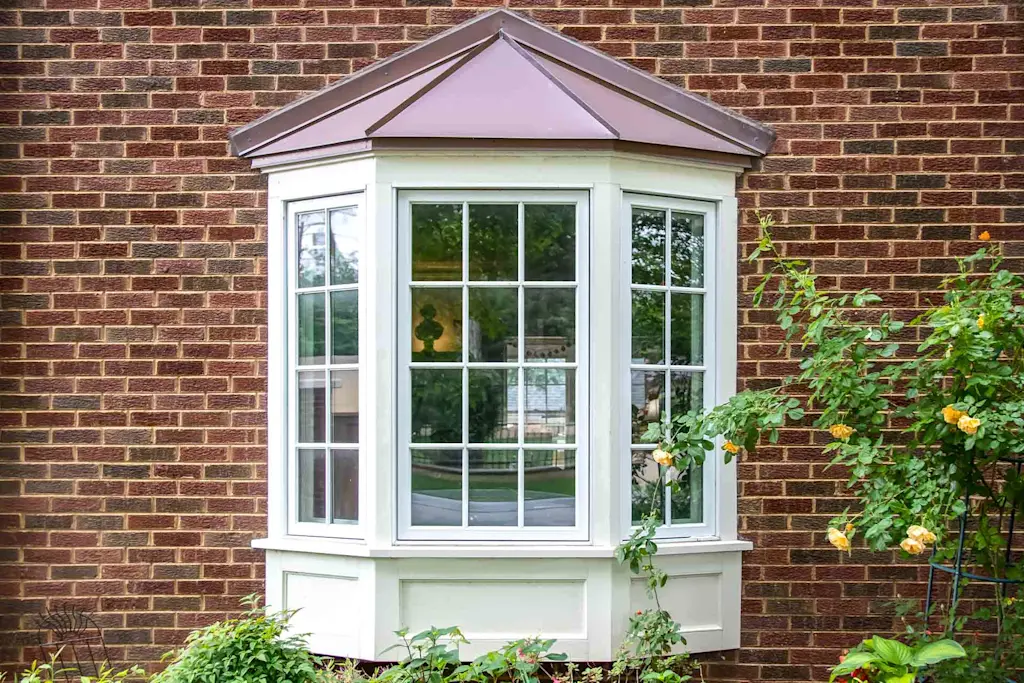
A composite bay window costs around £2,000 - £3,500 to supply and install, averaging £3,000.
Bay windows project from the wall and are made up of multiple units joined at angles. This complexity in supply and installation puts them at the top of the price range.
Find checked window fitters near you
Best composite window materials with prices
The frame material affects cost, performance, and appearance. Here is how the main options compare.
Timber-aluminium (aluclad)
The cost of timber-aluminium (aluclad) windows ranges from around £1,200 - £3,000 per window, averaging £1,800.
These windows combine a timber inner frame with an aluminium outer cladding. The timber gives a warm, natural look inside, while aluminium protects against weather - and doesn't need painting or sealing.
For a comparison with aluminium-only frames, see our aluminium windows cost guide.
uPVC-aluminium
Costs for uPVC-aluminium windows range from around £1,000 - £2,500 per window, averaging £1,500.
A uPVC-aluminium composite windows have a uPVC core with an aluminium exterior, offering fantastic thermal performance and weatherproofing with a more contemporary look.
Fibreglass
Fibreglass composite windows tend to cost the most, with prices running from around £1,500 - £3,500 per window, averaging £2,500.
Of the options here, fibreglass composite windows are the most durable. The material doesn't warp, rot, or corrode, and it holds its shape in extreme temperatures better than timber or uPVC.
Plus, the frames can be painted to any colour and offer you more choices of hardware compared to uPVC.
Factors affecting the cost of composite windows
Several things affect what you pay for composite windows. Size, style, material, and installation complexity all play a part.
Size
Larger windows cost more to supply and fit. A standard 900mm x 1,200mm casement sits at the lower end of the price range. Floor-to-ceiling glazing or wide fixed panes push the cost up.
The glass is a significant part of the unit price. Bigger panes mean more glass, more frame, and more installation time.
Type of composite
Composite windows combine two or more materials in the frame construction. The most common types are timber-aluminium (aluclad), uPVC-aluminium, and fibreglass.
Each type sits at a different price point. Timber-aluminium frames typically cost £1,200 - £3,000, while fibreglass runs from £1,500 - £3,500.
Style
The shape of the window affects the price of the frame and the complexity of fitting.
As a general guide, bay windows and sash windows are at the higher end of the price scale. Meanwhile, casement and tilt-and-turn windows will be more cost-effective.
Glazing
Composite double glazing is standard, but you can also choose to upgrade to options such as triple glazing or laminated glass.
Specialist glass - such as self-cleaning, obscure, or heritage-pattern glass - adds to the unit price too.
Customisations
Composite windows come in a wide range of colours and finishes.
Standard colours like white or anthracite grey keep costs low - while dual-colour frames (which have a different colour inside and out) are more expensive.
Bespoke RAL colours, decorative glass, or heritage bar patterns also increase the cost.
Hardware choices, such as specific handle styles or security upgrades, can add a small amount to the total.
Installation
Fitting costs depend on the number of windows, floor level, access difficulty, and whether old frames need removing. Most installers include removal in their quote, but make sure you confirm this before work starts.
Composite frames need precise positioning and sealing to meet the manufacturer's performance and warranty requirements - meaning they can be a little more expensive to fit compared to other types of window.
For a full breakdown, see our guide to window fitting costs.
Find checked window fitters near you
Get an estimate for your composite windows
Want a rough quote, so you know how much to budget for your composite windows? Try the Checkatrade job estimate calculator.
Type in a few details about the type of composite windows you want, and the tool will use our data to give you a quick estimate.
Job Estimate Calculator

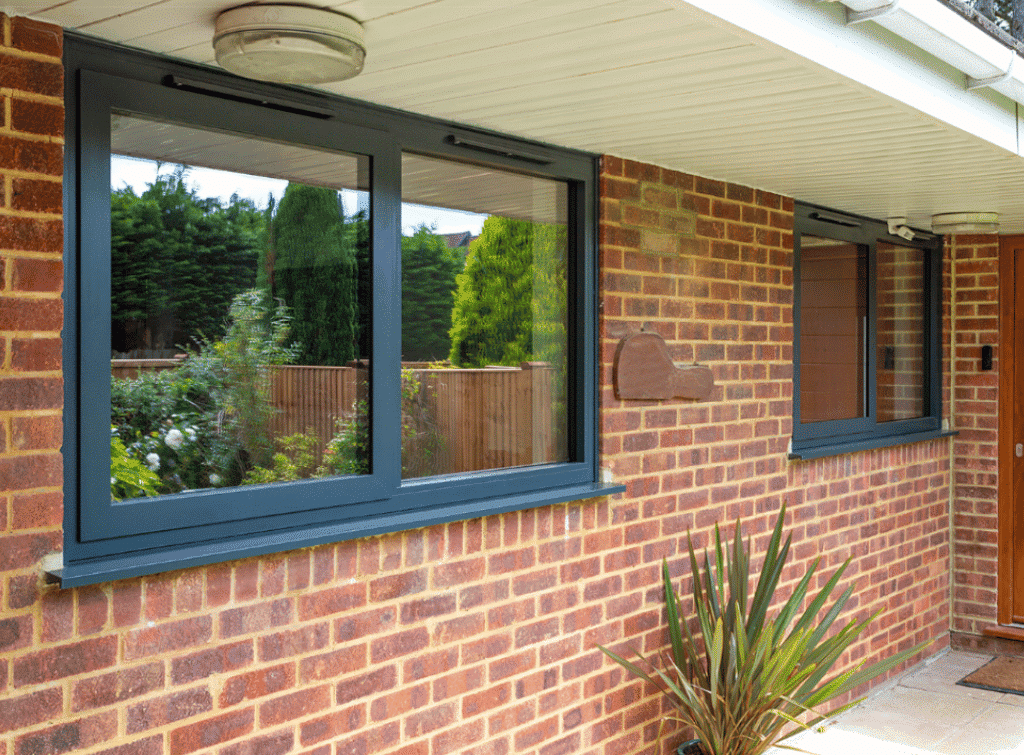
Composite windows vs uPVC windows
Composite windows cost more than uPVC, but the difference is measurable across their performance, aesthetics, and lifespan.
Thermal performance: Composite frames typically achieve better insulation than standard uPVC. The hybrid construction reduces heat loss at corner joints and sill connections where standard uPVC frames can be weak.
Aesthetics: Composite windows offer slimmer sightlines than uPVC , and are able to look much more similar to real timber. For period properties or homes where aesthetics matter, this is a real difference.
Lifespan: Most composite window manufacturers quote 30–40 years, above the typical 20–25 year expectation for standard uPVC. The lower maintenance requirement helps close the gap in total cost over that period.
Price: The trade-off is the upfront price. A composite casement window costs around 30–50% more than an equivalent uPVC casement.
For a price comparison against aluminium windows, which typically cost more but offer slimmer frames and longer colour warranties, see our aluminium windows cost guide.
Pros and cons of composite windows
Pros:
Slim sightlines compared to uPVC, closer to timber aesthetics
Extremely low maintenance, no painting or sealing required
Better thermal performance than standard uPVC
Long lifespan (typically 30–40 years)
Available in a wide range of colours and finishes
Cons:
Higher upfront cost than uPVC
Fewer manufacturers and installers than uPVC, so less price competition
Colour options are typically locked in at manufacture, so repainting is difficult
Fibreglass composite can expand and contract in extreme temperatures
How to find a window fitter
Search Checkatrade to find a trusted composite window fitter near you. Every tradesperson on our platform is checked by us and reviewed by real customers.
To get started, enter your postcode into our search tool. We'll show you window fitters who operate in your area - so you can start comparing your options.
Find checked window fitters near you

When you contact installers, have these details ready:
How many windows you need replacing
The style and material you want
Whether any windows are in a conservation area or listed building
Your preferred glazing specification
It's a good idea to get a few quotes from multiple different tradespeople, so you can compare fairly and spot a realistic price.
Why not post your job to hear back from window fitters in your area? You can also download the Checkatrade app to your phone!

Your composite windows cost checklist
Before contacting a tradesperson, here's what to check:

Composite windows checklist
FAQs
Composite window prices range from around £1,000 for a standard casement to £3,500 for a bay window. The exact cost depends on style, frame material, glazing specification, and installation complexity.
Yes. Composite windows typically cost 30–50% more than equivalent uPVC windows. The higher price reflects the hybrid frame construction, which combines materials such as timber and aluminium or fibreglass and uPVC to achieve better insulation, durability, and aesthetics.
It depends on the specification. A mid-range composite casement (£1,000–£1,500) is often comparable in price to a standard aluminium casement. High-spec or fibreglass composite windows can cost as much as, or more than, aluminium.
Window replacement costs vary widely by type, material, and number of windows. A standard uPVC double-glazed casement starts from around £400 for supply and installation, while composite windows start from around £1,000. For a full price comparison across window types, see our windows cost guide.
The main drawbacks are cost and limited availability. Composite windows cost more than uPVC upfront, and there are fewer specialist installers than for uPVC, so getting competitive quotes can take longer. Some composite finishes, particularly darker colours, can show heat-related expansion more than uPVC in south-facing installations.

Check out our windows hub for more - including our guides to the cost of new windows, blind fitting, double glazing, and more!


See the tradespeople we've checked for your job