COST GUIDES
Energy Performance Certificate cost in the UK in 2026
Updated 05/26
Average EPC certificate cost:
An Energy Performance Certificate (EPC) typically costs around £65–£120
Legal requirement:
If you’re selling or renting out a property, it’s usually a legal requirement to have a valid Energy Performance Certificate
EPC validity:
An EPC is normally valid for 10 years
Good to know:
Landlords whose rental properties fail to meet minimum EPC requirements can face fines of up to £5,000 per property
If you’re selling a property, renting one out, or remortgaging, there’s a good chance you’ll be asked for an Energy Performance Certificate (EPC).
For most homeowners, it’s one of those jobs that only comes around every few years, so many people aren’t quite sure how much an EPC certificate costs, what’s involved, or whether they actually need a new one.
The good news is that EPC costs are usually fairly modest compared with many other property-related expenses.
This guide explains typical EPC certificate costs in the UK, what affects the price, when you legally need an Energy Performance Certificate, and what happens if your property doesn’t meet the required EPC standards.
How much does an EPC cost?
As a guide, an Energy Performance Certificate usually costs between £65–£120.
Smaller properties and flats normally sit at the lower end of the range. Larger homes and properties in more expensive areas often cost more.
| Cost provided item | Average cost |
|---|---|
| EPC | £65–£120 |
| Fine for failing to get an EPC | £200 |
| Maximum cost of bringing your property to band E | £3,500 |
| Fine for failing to bring your property to band E | £4,000 |
| Maximum amount a landlord can be fined per property for breaching EPC regulations | £5,000 |
| Last updated: May 2026 Our costs are ballpark averages - get a local tradesperson to quote now | |
If you’re selling or renting out your property, check whether you already have a valid Energy Performance Certificate before booking a new one. EPCs normally last for 10 years.
Find an EPC assessor near you
For an accurate EPC certificate cost, it’s worth getting quotes from a few accredited local assessors.
Your quote should confirm the property size being assessed, whether the visit includes the full EPC survey, how quickly the certificate will be issued and whether any expedited service costs extra.
Find accredited EPC assessors working in your area.
Find an EPC assessor in your local area
Energy Performance Certificate costs at a glance
EPC certificate cost: between £65–£120
Fine for not having an EPC: £200
Maximum landlord fine for EPC breaches: up to £5,000 per property
Maximum amount landlords must spend improving a property to EPC band E: £3,500
EPC validity period: 10 years
What is an Energy Performance Certificate (EPC)?
An Energy Performance Certificate provides information about your property’s energy usage and typical energy costs.
It also gives recommendations on how to increase your property’s efficiency, ultimately reducing your energy usage.
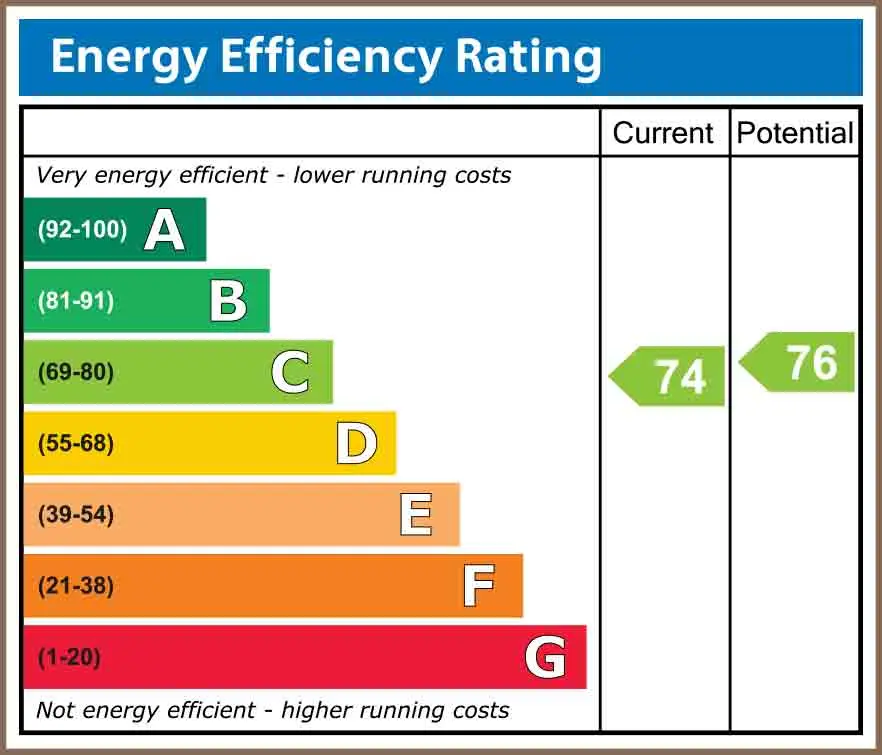
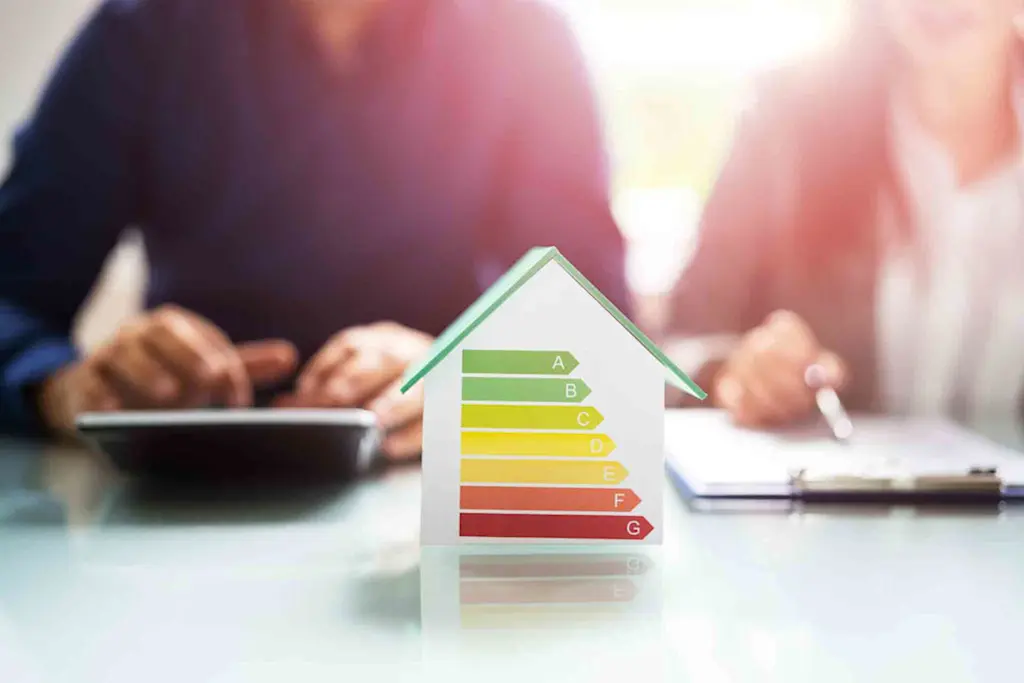
The certificate gives the property an energy rating from A (most efficient) to G (least efficient).
An EPC also includes:
Estimated energy costs
Recommendations for improving efficiency
Suggested upgrades that may reduce energy bills
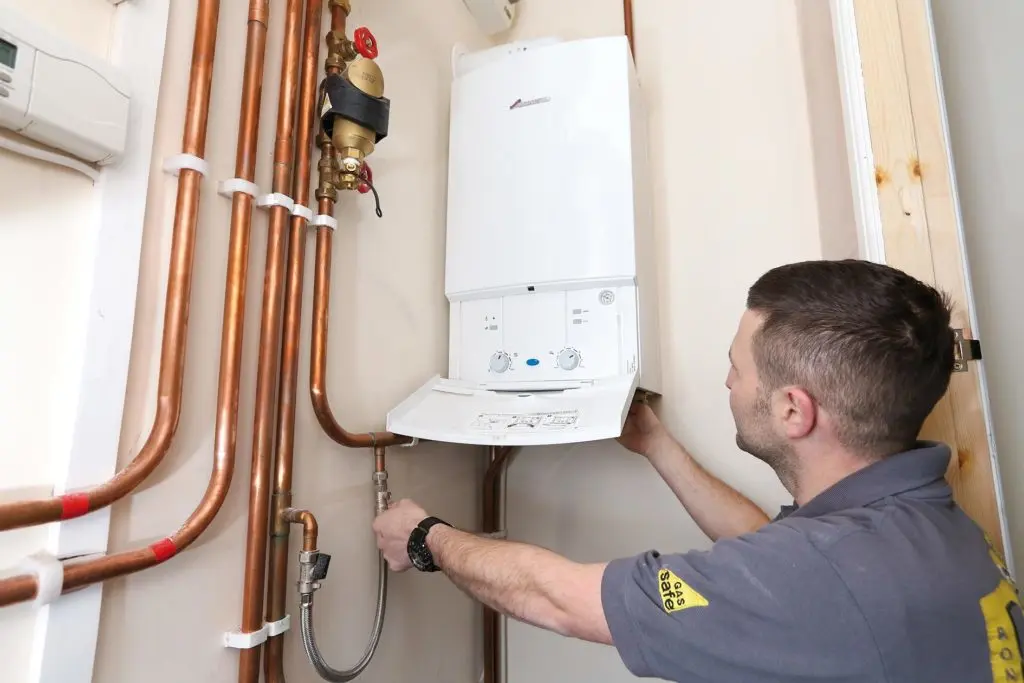
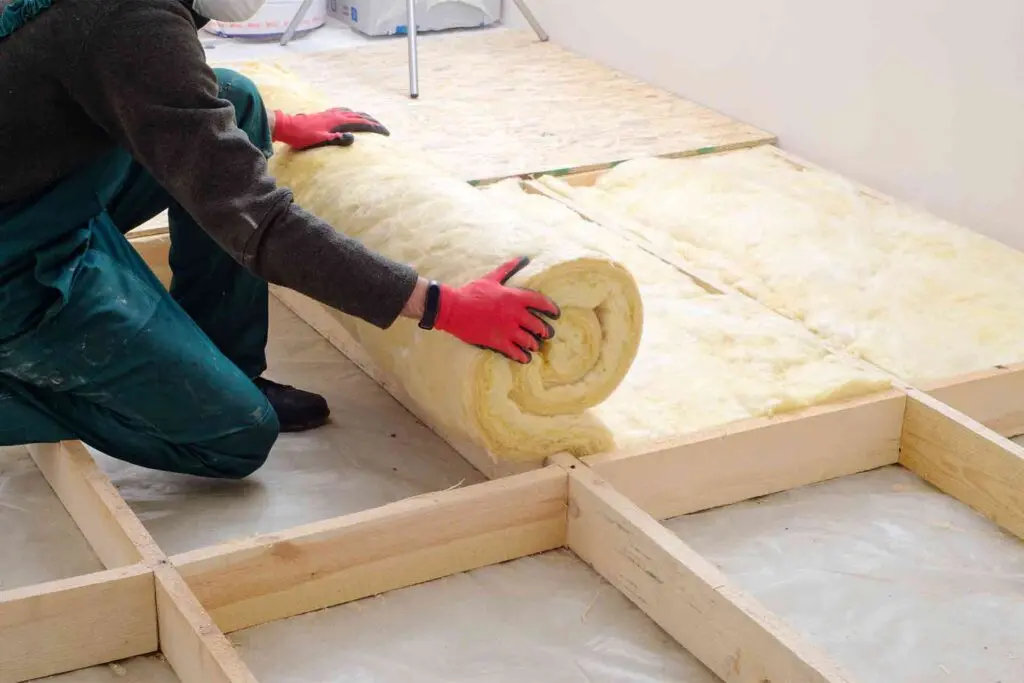
Examples of recommended improvements can include:
For buyers and tenants, an Energy Performance Certificate helps give a clearer picture of what running the property may actually cost.
What affects EPC certificate costs?
Energy Performance Certificate costs can vary depending on several factors, including:
Property size: Larger homes usually take longer to assess
Property type: Older or more unusual buildings can take longer to inspect properly
Number of bedrooms: More rooms generally increase survey time
Location: EPC prices are often higher in London and larger cities
Urgency: Fast-track or expedited EPC surveys may cost more
Complexity of the assessment: Properties with extensions, conversions or unusual layouts can sometimes take longer to assess
EPC prices can vary between assessors, so it’s worth comparing quotes. Always check the assessor is registered on the official EPC register before booking.
When do you need an Energy Performance Certificate?
In most cases, you’ll need a valid Energy Performance Certificate if you’re:
Selling a property
Renting out a property
Building a new property
Marketing a property for sale or rent
Landlords must also make sure privately rented properties meet minimum EPC requirements.
At the moment, privately rented properties usually need an EPC rating of at least band E unless an exemption applies.

EPC rules for landlords
Minimum Energy Efficiency Standards (MEES) came into force for new lettings and tenancy renewals in 2018.
These rules require most privately rented properties to meet minimum EPC standards. If your rental property scores below band E, you may need to improve the property before renting it out legally.
Examples of improvements might include:
Insulation upgrades
Heating improvements
Glazing improvements
Energy-saving measures

Improving your EPC rating
If your property receives a low EPC rating, you may need to make improvements to raise it.
Under current Minimum Energy Efficiency Standards, landlords are generally expected to spend up to a maximum of £3,500 improving a property to EPC band E.
Some common EPC improvement recommendations include:
Upgrading insulation
Replacing old boilers
Improving glazing
Fitting low-energy lighting
Improving heating controls
Understanding your EPC rating
Our guide to improving your EPC rating contains advice from Checkatrade member and industry expert, Chris Grant, of EPC Choice Ltd.
Chris was one of the first qualified assessors when EPCs came into play in 2008. Take a read of our article for help understanding EPC ratings, making sense of your EPC report, and prioritising the recommended improvements for maximum benefit.
Improving your EPC rating may not just help with legal compliance. It can also make your property more attractive to buyers or tenants by reducing running costs.
EPC exemptions
Not every property can realistically be upgraded to EPC band E.
If your property can’t reach band E without spending more than £3,500, then you must make all the improvements you can up to that amount. You will then need to register an 'all improvements made' exemption.
EPC penalties and fines
There can be financial penalties for failing to comply with Energy Performance Certificate regulations.
Penalties and fines to be aware of include:
Failing to get an EPC: £200
Failing to bring a rental property up to EPC band E (and no exemption in place): up to £4,000
Maximum landlord fine per property for breaching EPC regulations: up to £5,000
Because rules and enforcement can change, it’s always sensible to check the latest government guidance if you’re renting out a property.
What should be included in an EPC assessment?
Wondering what to expect from an EPC assessment? A standard Energy Performance Certificate assessment usually includes:
Inspection of the property
Assessment of heating systems
Inspection of windows and insulation
Review of lighting and energy features
EPC rating calculation
Recommendations report
Official EPC registration
The assessor will normally visit the property in person before issuing the certificate.

On Checkatrade, you'll only find trades who meet our high standards and pass up to 12 checks.
How long does an EPC assessment take?
Most Energy Performance Certificate assessments are relatively quick. The survey itself often takes:
Around 30 minutes to 1 hour for smaller properties
Longer for larger or more complex homes
The certificate is then usually issued shortly afterwards, although expedited services may be available for an extra fee.
We check the reviews on Checkatrade are from real people, and that trades meet our high standards.
Can you do your own Energy Performance Certificate?
No — an Energy Performance Certificate must be completed by an accredited domestic energy assessor.
Even if you own the property, you can’t legally produce your own EPC unless you’re properly qualified and accredited to carry out EPC assessments.


Checklist: Energy Performance Certificate cost
Is an Energy Performance Certificate worth it?
For most people, an Energy Performance Certificate is more than just a legal box-ticking exercise. It can:
Help buyers and tenants compare properties
Highlight ways to reduce energy bills
Make a property more attractive on the market
Identify practical energy improvements
And because EPCs last for 10 years, the cost is relatively small when spread over the lifetime of the certificate.
When should you speak to an EPC assessor?
It’s worth speaking to an accredited EPC assessor if you’re preparing to sell, you’re renting out a property, your current EPC has expired, you’re improving the energy efficiency of your home, or if you need updated documentation for compliance purposes.
A qualified assessor can explain what’s involved and provide a clear price before visiting your property.
Find EPC assessors near you
Comparing a few quotes from local EPC assessors is one of the best ways to understand what a fair price looks like for an EPC assessment in your area.
An accredited assessor will explain what’s included, when the certificate will be issued, whether the fee includes registration, and what recommendations the report may contain.
Browse accredited EPC assessors covering your area
Enter your postcode to find a top tradesperson near you
EPC HERMITAGE HOMES
9.98
(34 reviews)Suggested Services
Energy Performance Certificate (EPC) assessment for a flat£70 / jobDomestic Energy Performance Certificate (EPC)£80 / jobNexus Engineering Ltd
10.00
(6 reviews)Suggested Services
Residential EPC Assessment (Flat)£70 / jobResidential EPC Assessment (House)£80 / jobMiah EPC Surveyors LTD
9.98
(103 reviews)Services & skills
Energy Performance CertificateEnergy Performance Certificate - EPCCallum Martin Energy
9.92
(71 reviews)Suggested Services
Energy Performance Certificate (EPC) for Flats£70 / jobEnergy Performance Certificate (EPC) for Houses£80 / jobCommercial Energy Performance Certificate (EPC)£120 / job


FAQs
How much does it cost to get an EPC certificate?
An Energy Performance Certificate usually costs between £65–£120, depending on the size and location of the property.
How much is an EPC certificate in the UK?
Most EPC certificates in the UK cost between £65–£120.
Is it worth getting an Energy Performance Certificate?
Yes. An Energy Performance Certificate is often legally required when selling or renting out a property, and it can also help identify ways to improve your home's efficiency and reduce energy bills.
Is it a legal requirement to have an Energy Performance Certificate?
In most cases, yes. You’ll usually need a valid Energy Performance Certificate when selling or renting out a property.
Can I do my own Energy Performance Certificate?
No. EPCs must be completed by an accredited domestic energy assessor.
How to get an EPC certificate for free?
In most cases, EPC certificates are not free. Some mortgage providers, landlords or energy schemes may occasionally include one as part of another service, but a standard EPC normally costs between £65–£120.
How do I get a copy of my Energy Performance Certificate?
You can usually download a copy from the official EPC register if your property already has a valid certificate.
How long is an EPC valid for?
An Energy Performance Certificate is usually valid for 10 years.
What is the Energy Performance Certificate for building regulations?
An EPC may be needed as part of building regulations compliance for certain new-builds, conversions or major works. Your assessor or local authority can explain what applies to your project.
Can I do an EPC on my own property?
Not unless you’re a qualified and accredited EPC assessor. EPCs must be carried out by registered professionals.
More Energy Performance Certificate - EPC Articles


See the tradespeople we've checked for your job