COST GUIDES
How much does an electric radiator cost in 2026?
Updated 06/26

Electric radiators cost around £80 – £1,400 to supply and fit in 2026. Here’s what to budget for, from the units themselves to installation and running costs.
Fast Facts
Supply and installation cost: £80 to £1,400
Average installation cost: £100
Running cost per hour (1,000W): 26p
The latest electric radiators do a good job of heating our homes in 2026, especially if gas central heating isn't an option. But how much does an electric radiator cost, and what can you expect to pay a qualified electrician to install one? Here's what to budget for.
How much does an electric radiator cost?
Supply and fit typically costs £80 to £1,400 all in. Here are some estimated costs for an electric radiator installation in the UK.
| Item | Low | High | Average |
|---|---|---|---|
| Electric radiator supply | £30 | £1,000 | £400 |
| Electric radiator installation | £50 | £400 | £100 |
| Electric radiator supply + installation | £80 | £1,400 | £500 |
| Cost of running an electric radiator (per hour) | 13p | 62p | 26p |
| Cost of running an electric oil radiator (per hour) | 13p | 62p | 26p |
| Last updated: June 2026 Our costs are ballpark averages - get a local tradesperson to quote now | |||
Your electric radiator cost will vary based on many different factors, including:
The type of electric radiator you choose (more on the types below)
The wattage of the radiator: 500W (low), 1,000W (average), or 2,500W (high), depending on your room size
The number of radiators you plan to install
Any existing electric radiators or storage heaters that need removing first
The complexity of the installation, for example whether the electrician needs to move a socket
Your electricity tariff also affects running costs. If you're on Economy 7 or an off-peak tariff, you can heat storage radiators overnight at a lower rate, which reduces what you pay day-to-day.
That's why we recommend getting at least three quotes from reputable professionals in your area. That way, you can be sure you're getting the best tradesperson and price for the job.
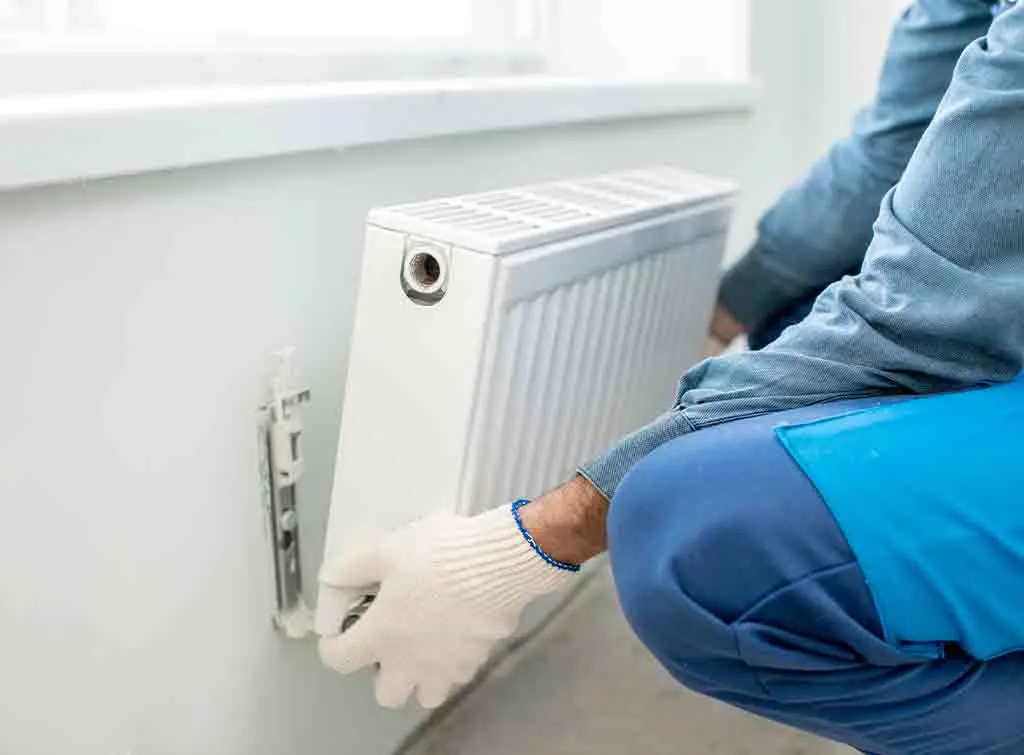
Electric radiator cost: job estimator tool
Job Estimate Calculator

Extra potential costs for your electric radiator installation
Here are some other costs to be aware of on top of the price of buying and installing your electric radiator.
Cost of replacing storage heaters with electric radiators
If you're replacing your home's existing storage heaters with electric radiators, you'll need to factor in the removal cost and potentially extra electrical work.
Based on an average-sized home with eight existing storage heaters, the approximate cost to remove and replace them with electric radiators is £600. This assumes a standard 1,000W radiator and does not include the cost of the new radiators.
For a higher 2,500W radiator, budget approximately £1,000. For a 500W radiator, you're looking at around £300. Note that 500W radiators are only suitable for small bedrooms or home office spaces.
To see how storage heater running costs compare, see our dedicated guide below.
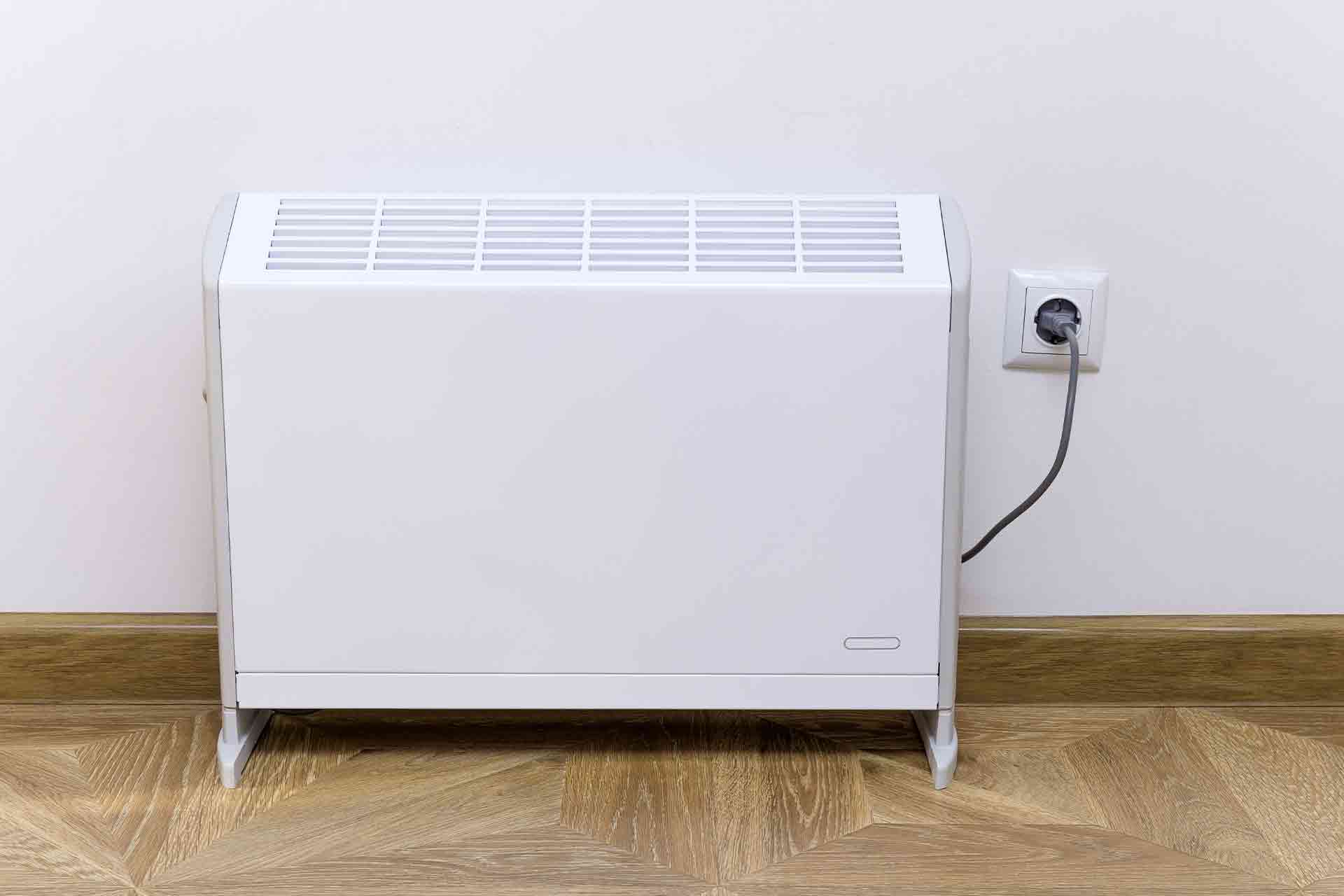
Storage heater running costs in 2026
If you use electric central heating, you could save a fortune on your bills by investing in a night storage heater. To help you work out exactly how much you could save, we’ve laid out the average cost of running storage heaters here.
Electric radiator installation cost with extra electrical work
If the radiator installation requires extra electrical work, such as moving or adding new electrical sockets, budget around £400 for a qualified electrician. If wires need to be chased into walls, factor in any replastering cost on top. See our guide to radiator replacement costs for related budgeting.
If you're planning a larger heating overhaul, it's worth comparing the cost of switching to an electric boiler at the same time. Your installer can advise whether it makes sense for your home.
Economy 7 and off-peak wiring
If you're switching from storage heaters, you may need updated wiring to run on an Economy 7 tariff. This lets you heat storage radiators overnight at a lower off-peak rate, which cuts your running costs over time.
Ask your electrician whether your current wiring supports this before going ahead.

How long does it take to install an electric radiator?
Most plug-in electric radiators can be wall-mounted in under an hour if you're confident with a drill and a spirit level.
If the installation requires a new or moved electrical socket, a qualified electrician will typically need 2–4 hours to complete the work safely. For a full replacement of storage heaters across a whole property, allow a full day.
If in doubt about the electrical requirements, always bring in a checked electrician: it's the safest option and often quicker than you'd expect.

Types of electric radiators available
Things have moved on from the days when homeowners moved small, electric radiators from room to room to take the edge off a chill.
Nowadays, electric heating is much more advanced and incorporates the latest smart technology. This means you can crank up the heat in your home both efficiently and in style.
The types of wall-mounted electric radiators to choose from include:
Smart electric radiators
The latest smart electric radiators offer the most control over heating, with precision thermostats, 24/7 programming, and Wi-Fi apps for tech-savvy homeowners.
Though the upfront costs to buy one are higher, having more control over your heating usage could save you money in the long run. They are also available in various contemporary styles and colours, so they suit many different home styles.
Convector panel heaters
These slim, wall-mounted heaters (also known as panel heaters) warm a room quickly by heating the air around the radiator.
They are best for heating secondary living spaces that don't need a permanent heat source, such as a home office or spare bedroom. However, they are not the most energy-efficient choice compared to smart electric radiators.
Style-wise, they look more like panels than classic radiators, although they come in various colours and finishes.
Oil-filled electric radiators
While they may be slower to heat than convector panel heaters, they produce more consistent, gradual warmth in a room. Once they are switched off, heat is retained for longer, too.
This makes them a good choice for heating living rooms and main bedrooms. Style-wise, they look more like conventional radiators and come in various colours to suit all decors.
Storage heaters
Storage heaters use electricity during off-peak hours (usually overnight) to heat internal ceramic or brick components. This heat is then slowly released throughout the day.
One of the more energy-efficient options, storage heaters provide consistent heat throughout the day. Newer models can also be programmed for better control.
Ceramic core radiators
These radiators are made up of ceramic plates, which absorb and release heat slowly, providing a more constant and even distribution of warmth.
Though more expensive than traditional convector or oil-filled radiators, they retain heat much better and have a sleek, modern look.
Infrared radiators
Wall-mounted infrared radiators use carbon nanofibres to heat a room.
Commonly used in conservatories, workshops, or outdoor patios, they provide direct, targeted heat rather than heating the room in full.
Electric heated towel rails
They are great for keeping towels dry and warm and heating the room, and they come in many streamlined, space-saving designs.
Fan heaters
Fan heaters are useful for quickly heating small rooms like offices and bathrooms but can be noisy.
Though they are one of the cheaper heating sources to buy, they aren't the most energy-efficient option as heat escapes quickly.
Are you still unsure what type of electric radiator is right for your home? A qualified electrician can advise you.
You can also learn more about the most efficient radiators available in our expert advice guide.


How much does it cost to run an electric radiator?
Running an average 1,000W electric radiator costs around 25p per hour at current electricity prices. Run it for 8 hours a day and that's roughly £2 a day, or about £60 a month through winter. A smaller 500W model cuts that roughly in half; a 2,500W radiator nearly triples it.
Here's what that looks like across different radiator sizes and usage:
Radiator size | Cost per hour | 8 hrs/day | 30 days |
|---|---|---|---|
500W | ~13p | ~£1 | ~£30 |
1,000W | ~26p | ~£2 | ~£60 |
2,500W | ~62p | ~£5 | ~£150 |
All figures based on the electricity unit rate of 26.11p per kWh, coming into effect with the Ofgem price cap from 1st July 2026.
Smart radiators with thermostats cost less in practice, because they switch off once the room hits the target temperature rather than running at full power throughout.
If you have storage heaters and an Economy 7 tariff, you can heat your home overnight at a lower off-peak rate. It's one of the cheapest ways to run electric heating.
Reducing heat loss also cuts your running costs: loft insulation and cavity wall insulation are both worth considering for any home on electric heating. To compare how electricity stacks up against gas overall, see our guide to the cost of running gas central heating.
The most cost-effective electric heater
Investing in an electric radiator with precise digital thermostats, 24/7 programming, and timers is the most cost-effective option. While they may cost more than a basic convector panel heater, you'll have better control over your heat, saving you money in the long run.
You can adjust the temperatures in different rooms to avoid heating rooms that aren't in use. Some smart electric radiators even feature open window detection, so heat isn't wasted if a window gets left open.
The 30-minute rule is worth knowing. It refers to heating a room for 30 minutes before you need it, using a timer. Smart radiators handle this automatically, so the room is warm when you arrive rather than warming up after you've settled in.
Which type of electric radiator is cheapest to run?
Smart radiators and ceramic core radiators are the cheapest to run day-to-day, because their thermostats cut power once the room hits temperature
Oil-filled radiators retain heat well after switching off, so they run less often in practice
Convector panel heaters and fan heaters are the least efficient: they heat quickly but lose heat fast and run at full power throughout
For a room you use daily, a smart or ceramic radiator pays back its higher upfront cost within a year or two of lower energy bills.
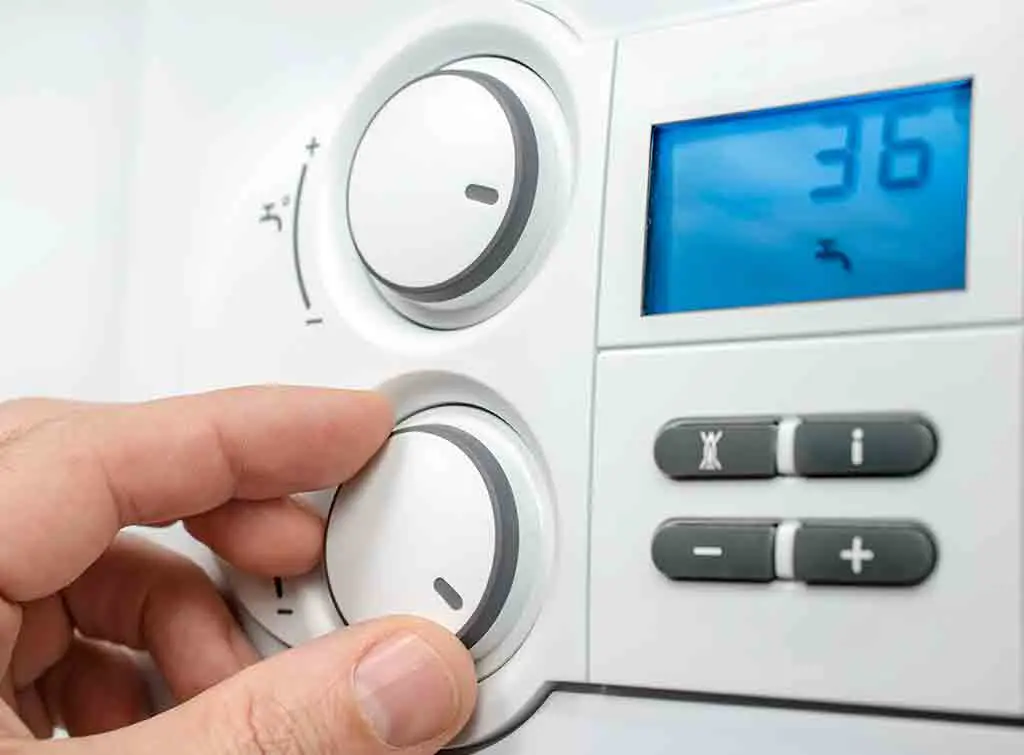
Pros and cons of electric radiators
You've probably heard that electric radiators can be expensive to run, especially as the cost of electricity rises.
But with gas bills creeping up too, electric radiators might not be as costly as you think.
What are the advantages of electric radiators?
Targeted heating: you can heat individual rooms as needed rather than the entire house
Quick and easy installation: no plumbing or gas connection needed, and no annual checks required
Low maintenance: they don't rely on a central boiler, and you don't need to bleed radiators as you would with a central heating system. Gas central heating also requires an annual boiler service that electric systems avoid
Smart control: many modern electric radiators have precise thermostats and remote smartphone apps, so you'll never come home to a chilly house
Flexibility: they come in a variety of designs and styles to suit different rooms
A greener option: as the UK moves toward renewable energy, including air source heat pumps, electric radiators are increasingly compatible with greener solutions compared to gas-powered heating
What are the disadvantages of electric radiators?
Higher utility bills: electricity costs approximately 25–26p/kWh versus gas at around 7–8p/kWh. If you're using electric radiators in multiple rooms for prolonged periods, the costs add up. Targeted use (one room at a time, with smart controls) reduces the gap. You can also check the central heating installation guide if you're weighing up the full switch to gas
Slower to heat larger rooms or poorly insulated homes: not ideal for large or older properties
Lower heat retention: convector panel heaters cool down quickly once switched off, unlike gas radiators which continue to radiate heat for longer after the boiler stops
Higher upfront costs: the latest smart electric radiators cost more than standard gas central heating radiators
Relies on electricity alone: if there's a power cut, you'll lose your heating. Gas central heating systems have a manual ignition that can still provide heat during an outage
Find an electric radiator installer covering your area
Ready to find a checked electric radiator installer? Search by postcode and compare reviewed electricians near you.
Find qualified electricians working in your area
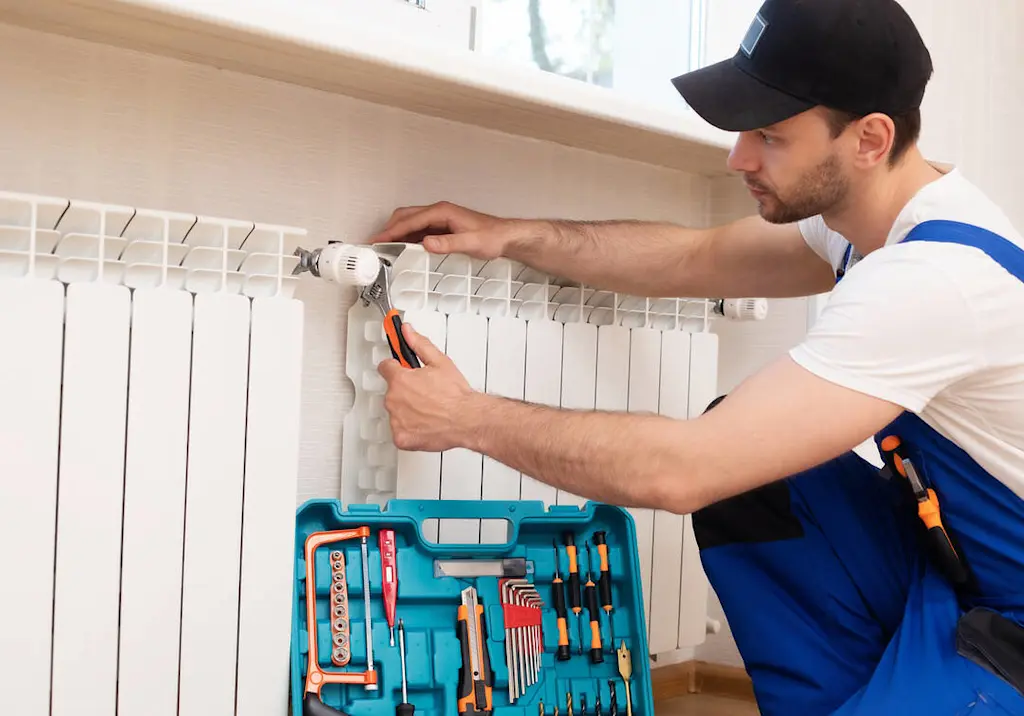
Do I need a professional to install an electric radiator?
That depends on your existing heating system and the type of electric radiator you want to install.
You don't need an electrician to install radiators that plug into the mains with a standard plug. If you're confident fitting the brackets, you can do it yourself. Or you can hire a handyman to help.
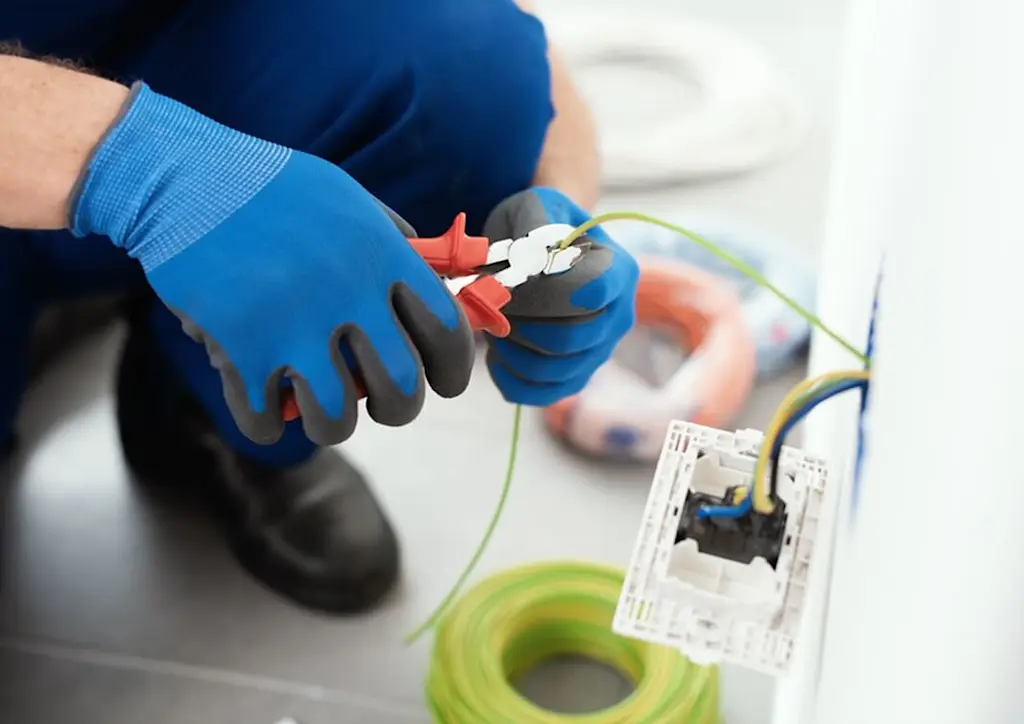
However, if your new electric radiator requires electrical sockets to be added or moved, you must hire a qualified electrician. Fiddling with electrics can be very dangerous if you're inexperienced.
If in doubt, speak to an experienced electric radiator installer near you.
At Checkatrade, you can find checked and reviewed electric radiator installers near you, electricians near you, handymen near you, and more, all committed to quality work.
How to find an electric radiator installer
Finding electric radiator installers is easy with Checkatrade.
We check, verify and approve all of our members. All of the tradespeople in our directory meet our high quality standards.
Use our quick and easy request a quote feature and we'll get experienced local electricians to contact you directly. To get accurate quotes, be as detailed as you can:
Note how many radiators you need and which rooms they'll go in
Check whether your existing sockets and wiring can support the new radiators, or whether extra electrical work will be needed
Let the installer know if you have storage heaters that need removing first
Get at least three quotes to make sure you're being quoted fair and competitive prices
Find electric radiator services
Enter your postcode to find a top tradesperson near you
DB Electrical Services
10.00
(71 reviews)Services & skills
ElectricianElectric RadiatorsElectric CookersEnergy Efficient LightingElectric Smart ThermostatsDS Lavender Limited
10.00
(149 reviews)Services & skills
ElectricianElectric RadiatorsElectric Range CookersSmoke AlarmsElectric Smart ThermostatsAC Electrical (Surrey) Ltd
10.00
(66 reviews)Services & skills
ElectricianElectric RadiatorsElectrical Heater RepairElectrical Under Floor Heating RepairImmersion Heater RepairWhat Electrics! Ltd
10.00
(66 reviews)Services & skills
ElectricianElectric RadiatorsElectric Gate WiringImmersion Heater RepairElectrical ContractorsLuxtric Ltd
10.00
(3 reviews)Services & skills
ElectricianElectric RadiatorsElectrical ContractorsElectric Vehicle Charger InstallationElectric Smart ThermostatsD.E.C Electrical
10.00
(85 reviews)Services & skills
ElectricianElectric RadiatorsElectrical Installation Condition Report - Safety Checks - EICRHouse RewiringElectric Cookers


Electric radiator cost checklist

Electric radiator cost checklist
Before contacting a tradesperson, here's what to check:
Electric radiator cost FAQs
Electric radiators cost around 26p per hour to run at current UK electricity prices, based on a standard 1,000W model. That's more per unit than gas central heating, but because you can heat individual rooms on demand rather than the whole house, the actual running cost can be comparable for many households.
Supply and installation together typically costs around £80 – £1,400, depending on the type and size of radiator and whether any electrical work is needed. A straightforward wall-mount with no socket work is at the low end; a ceramic smart radiator with a new circuit is at the high end.
At current electricity prices, a 1,000W electric radiator costs approximately 26p per hour to run. Over an 8-hour day that's around £2; over a month of daily use it comes to roughly £60. A smart radiator with a thermostat will cost less in practice, as it won't run at full power the whole time.
For homes without gas central heating, such as flats, off-grid properties, or extensions, electric radiators are a practical option with improving value. They're easy to install, need no boiler or plumbing, and modern smart models give you precise control over heating per room. Running costs are higher per kWh than gas, but targeted use reduces the gap.
Not always. Plug-in radiators can be wall-mounted without an electrician, though you'll need a drill and the right fixings. If a new or moved socket is needed, you must use a qualified electrician, who can confirm quickly what extra work is involved.
Plug-in electric radiators use the same electricity as hardwired models of the same wattage: a 1,000W plug-in costs the same per hour to run as a 1,000W hardwired model. The choice between the two comes down to convenience and circuit load. If you run a plug-in on a shared circuit with other high-draw appliances, ask an electrician to check the circuit can handle it safely.


See the tradespeople we've checked for your job