Blog>Expert Advice>Buying guide: Low-cost energy-efficient heaters to keep your home warm
Last updated: 22 November 2024

Buying guide: Low-cost energy-efficient heaters to keep your home warm
Which type of electric heater is best for your home? Learn the ins and outs of low-cost, energy-efficient heating options to help keep you warm on a budget.
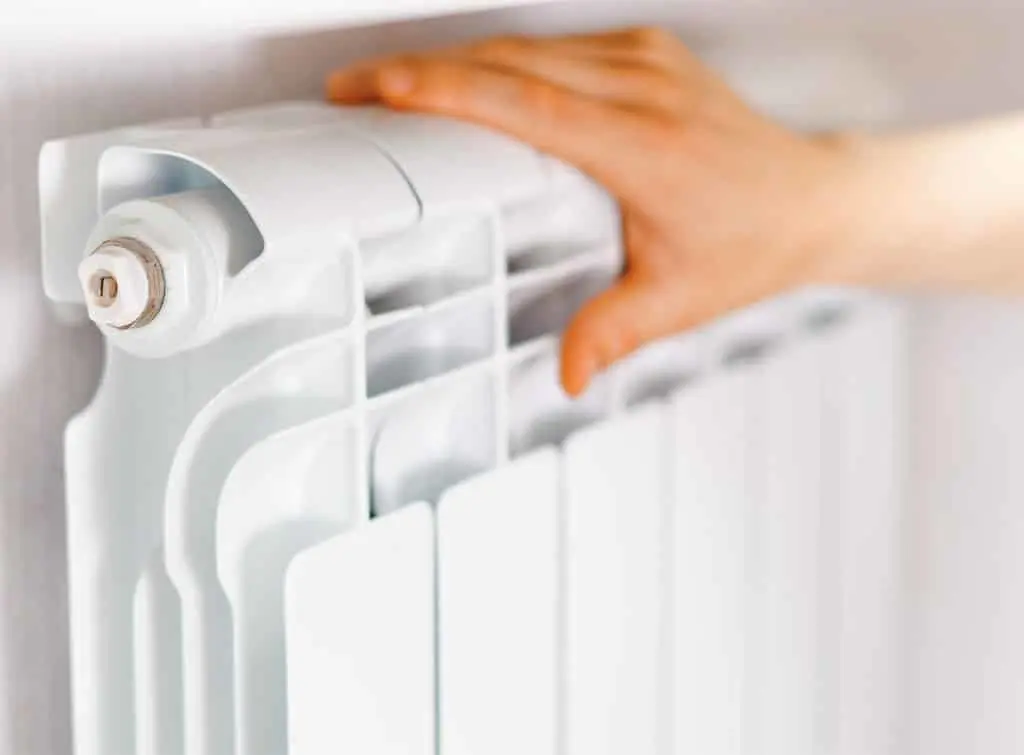
With electricity bills on the rise, finding affordable heaters to warm up your home is crucial. But what are the best low-cost, energy-efficient heaters to do this?
Help is at hand!
This guide reveals the best electric heaters to keep your home cosy - and help reduce your energy costs and carbon footprint.
If in doubt, speak to an experienced electric heating engineer near you.
Find a local tradesperson
Why choose an energy-efficient heater?
If gas central heating isn't an option, or you want to get more heat in some of your rooms, the latest electric heaters do an excellent job of heating our homes.
Today's energy-efficient heating options are designed to deliver maximum heat while using the least possible amount of energy.
Using technology such as programmable thermostats and smart temperature controls, eco-friendly heating options adapt more precisely to your home's needs.
This cuts down on energy consumption and helps save you money.
Here are some of the benefits:
Smart control: Many modern electric heaters have smart thermostats so you can avoid overheating a room and wasting energy. This means lower electricity bills
Low carbon footprint: The UK's electricity grid is powered more and more by renewable energy sources like wind and solar power, replacing existing gas and coal power stations
Quick and easy installation: No plumbing or gas connection is needed, unlike central heating systems
Very little maintenance needed: You don't need to bleed radiators or have annual checks
Flexible: A great way to deliver heat to one room at a time - or top up other heating systems
Stored heat: Some heaters hold heat for longer, so you have more stored heat available when you need it
Remember, proper installation and professional advice can improve efficiency and safety. So get in touch with a local electrician to find out more.

How to find a good local electrician
In this guide we’ll give you tips to find a good electrician in your area, so that you can be confident you’ll hire someone you can rely on.
Types of low-cost energy-efficient heaters
Affordable electric heaters have come a long way, and the best ones incorporate the latest smart technology.
Heaters come in two forms: ones which heat your space (like radiators) or ones that give you directional heat (like a fan or halogen heater).
Here's a rundown of all the options:
Electric radiators
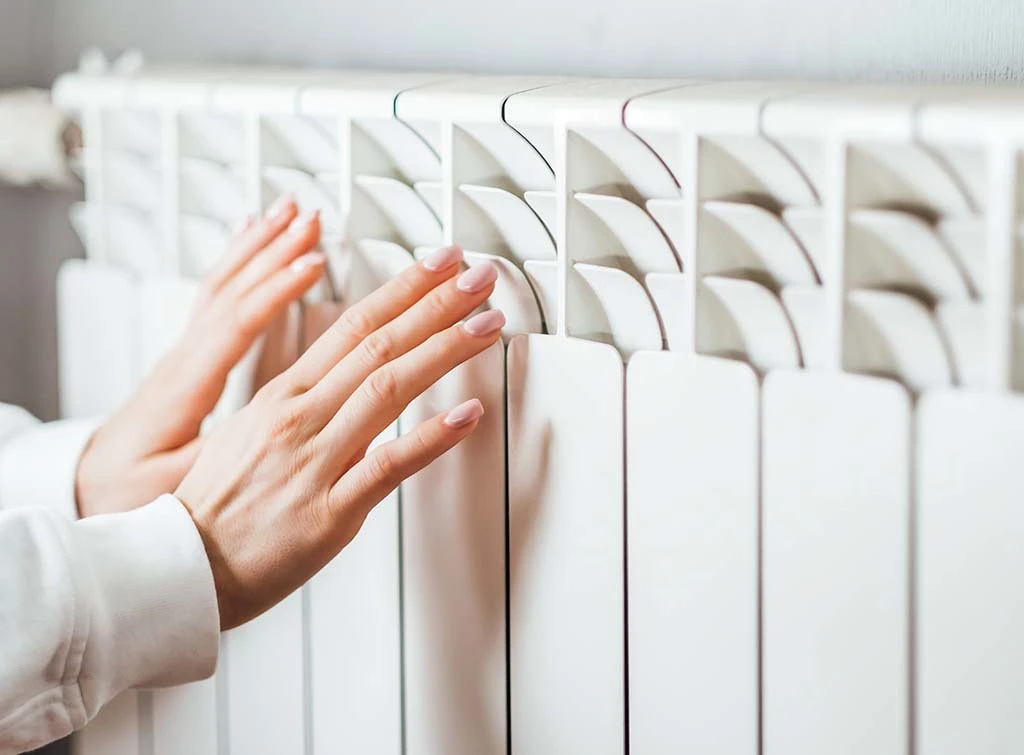
The latest smart electric radiators offer the most control over heating with precision thermostats, programming and even Wi-Fi apps for tech-savvy homeowners.
They are more expensive to buy, but the precise control over your heating usage could save you money in the long run.
Oil-filled electric radiators
Oil-filled radiators heat oil rather than water, which means they’re slow to warm up but cool down more slowly, too.
This can mean oil-filled radiators are more energy-efficient and cheaper to run, as the room stays warmer for long. And there’s less reason to turn them back on to boost temperature.
Infrared heaters

Infrared heaters and panels emit electromagnetic waves into the air, heating whatever they come across. They warm objects directly instead of heating the air, which leads to fuel savings of between 20 - 50%.
None of their heat is lost to air movement, so they convert every watt of energy into usable heat.
This makes infrared heaters really energy efficient.

How much does infrared heating cost in 2026?
It's the new kid on the block. Eco-friendly, cost-effective and could save you money on your energy bills. We explore all you need to know about infrared heating costs.
Halogen heaters
Halogen heaters are perfect for instant heat and, generally speaking, are one of the most inexpensive types of electric heaters.
They get their name from the halogen element inside the bulb or lamp of the heater, which provides radiant heat.
Like infrared heaters, they are directional, and once switched on, you instantly feel the heat. Great for a quick blast of heat but not ideal if you want to heat a whole room equally.
As soon as they are turned off, the heat quickly disappears.
Storage heaters
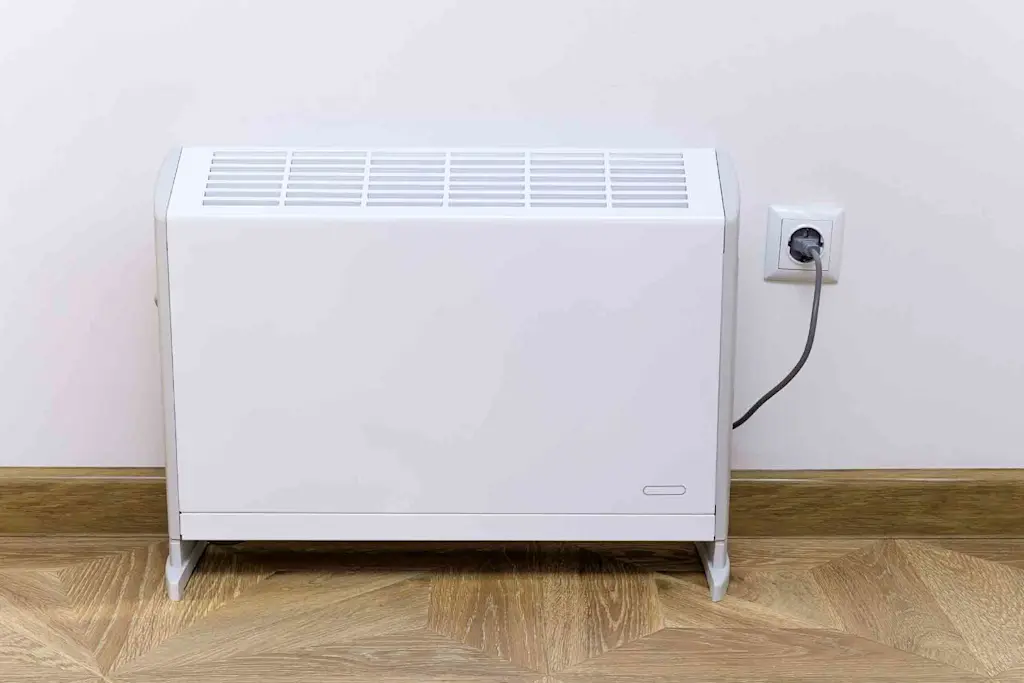
Storage heaters use electricity during off-peak hours (usually overnight) to heat up ceramic elements or clay bricks inside the heater. The heat is then slowly released during the day.
Because they are designed to use cheaper, night-time tariffs, storage heaters are one of the more affordable ways to heat your home using electricity.
Storage heaters are also easy to install and don't require maintenance. Look out for newer models that can be programmed for better control.
Read our comprehensive storage heating cost guide for more details.
Ceramic heaters
Ceramic heaters are a type of energy-efficient, convection heater. They heat up a ceramic element, which then warms the air around it slowly and evenly.
As they retain heat well, ceramic heaters cool down more slowly, and you don't need to leave them on for as long.
They are portable, lightweight and don't get too hot to the touch, so they can also be easily moved from room to room.
Fan heaters
Fan heaters are generally used as an additional heat source. They consist of a fan that blows air through a heating element, which then circulates warm air throughout the area.
There are various different forms of fan heaters available, including those with ceramic heating elements, which are more cost-effective to run.
Fan heaters are affordable and do a good job of heating up a space quickly in short bursts.
Convector panel heaters
This type of electric heater uses convection to warm a room quickly by heating the air around the radiator.
Slim and often quiet, convector panel heaters are wired directly to the mains so it's recommended to have an electrician to fit them.
However, they are not the most energy-efficient choice compared to smart electric radiators. That's why they are best used in spare bedrooms or a home office for occasional or short-term use.
Head to our cost guide on electric heaters and find out how much you'll need to budget.

Electric heating options in 2026
Here, you'll find the types of electric heating system available, their pros and cons, costs, and where they're best suited, helping you to make the best choice for your home.
How to choose the best energy-efficient heater
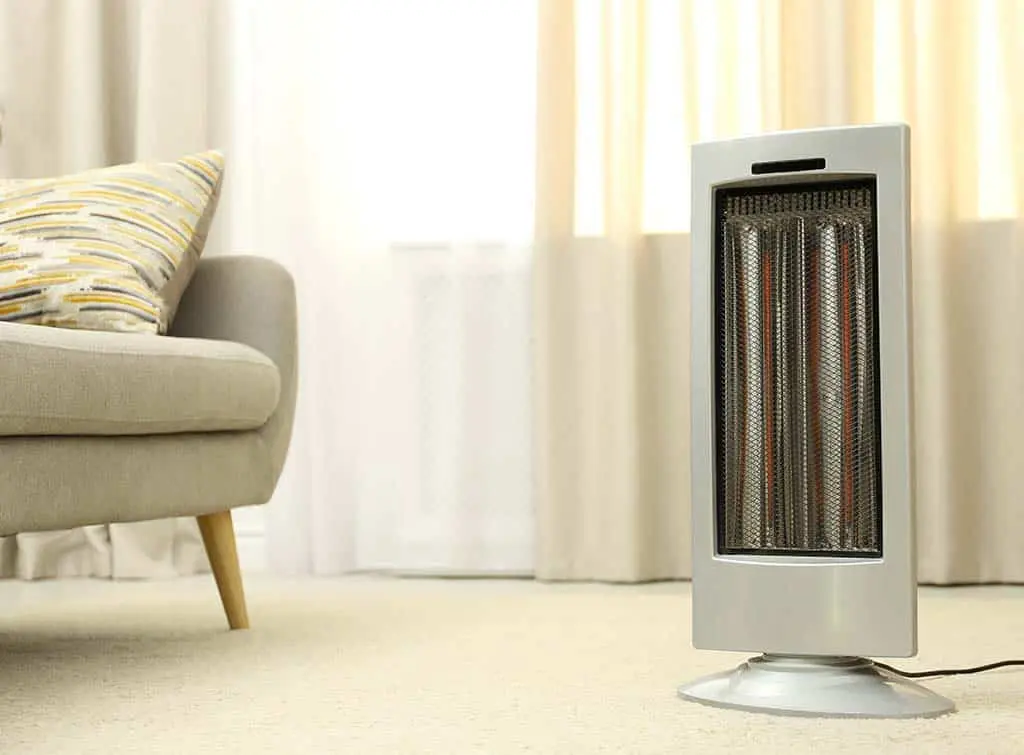
Electric radiators and infrared heaters are considered the most efficient forms of electric heating.
However, choosing the best affordable heater for your home depends on several factors, including:
Room size: Larger rooms need more powerful heaters or multiple units. To calculate the minimum heat output needed to heat your room, multiply the room's length by the width and then the height, and then multiply this figure by 0.0606 for the kilowatt (kW)
Insulation: A well-insulated home is more energy-efficient as it needs less heating power
Usage: How often and when will you need to use the heater? Do you work from home, for example?
Thermostat and timer: An adjustable thermostat and a programmable timer can save energy
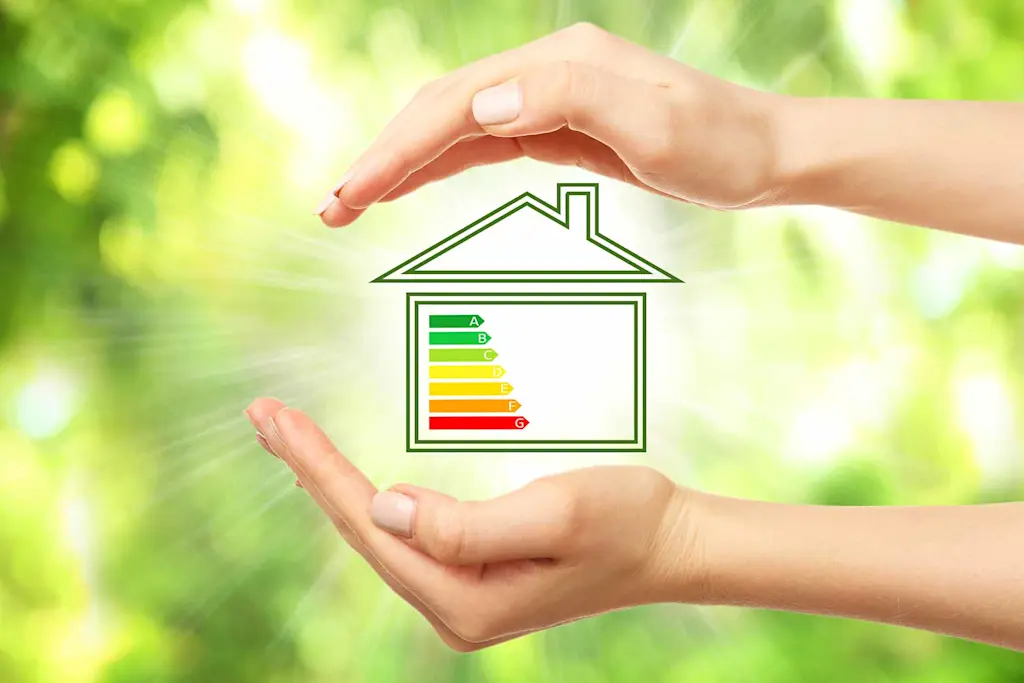
Energy efficiency: Look out for an energy efficiency rating that shows how much energy the heater uses, which can help you save on your bills. The rating scale ranges from A (the most energy-efficient) to G, the least efficient
Cost to run: Running costs depend on the heater type, size and wattage. You can calculate the cost by looking at your electricity bill to see how much energy costs per kW
It’s also important to note that, if used over long periods of time, electric room heaters can be expensive to run (as electricity is more expensive than gas).
They produce quick and intense heat, so should be used intermittently to heat a room up – as opposed to a central heating system, which can be left on for longer periods of time.
Get in touch with a professional who can help you work out what electric heater is best for your home's needs.
Find a local tradesperson
How to calculate energy efficiency
To calculate the electricity cost of running a heater, follow these simple steps:
1 Find the power of the heater in kilowatts (kW)
To do this, divide the wattage by 1,000. For example, a 1,500W appliance equals 1.5kW.
2 Multiply the kW by the number of hours the heater is used
For instance, using a 1.5kW heater for one hour equals 1.5kW of energy used.
3 Multiply the result by the electricity rate per kWh
Check the electricity tariff on your energy bill to work this out.
For example, if the tariff is 24.50 pence per kWh, running a 1.5kW appliance for one house costs:
1.5kW x 24.50 pence = 36.75 pence per hour.

Energy efficient heating solutions for your home
In this guide, we're going to look at the various types of energy-efficient heating on the market, including costs, pros, and cons.
FAQs
What is the cheapest type of heater to run in the UK?
Electric radiators and infrared heaters are considered the cheapest heaters to run.
The ballpark figure to run an electric radiator per hour (based on current electricity prices) is 26p.
Based on using a 500w infrared heater for around two hours a day (average across the whole year), you can expect to pay a running cost of around per year.
Remember, when selecting energy-efficient heating options, consider the room size, insulation, and frequency of use to guide you.
How can I reduce my energy bills with a heater?
Look at the energy rating of the heater you want to buy. Then, work out the running costs by looking at the electricity tariff on your energy bill.
Here are some other tips to make your electric heater more energy efficient:
Upgrade to smart thermostats
Improve insulation at home
Make sure furniture or curtains don't block the radiator
Use smart radiator valves
Choose the right size heater
Invest in a dual-purpose heater, such as a towel warmer
Use timers
Which heater is best for a small room?
The best low-energy heaters for small rooms include halogen heaters and ceramic heaters.
Both are energy-efficient and cost-effective to run, but it depends on what type of heat you want.
Halogen heaters provide instant heat, which is great for a quick blast of warmth. But this quickly dissipates as soon as the unit is switched off.
On the other hand, ceramic heaters take longer to heat up but release warmth evenly throughout the room. They also retain heat well and cool down more slowly, so you won't need to leave them on for as long.
Are oil-filled radiators energy-efficient?
Yes, oil-filled radiators are generally considered an energy-efficient heating option because they convert nearly all the electricity they use into heat.
While they might be slower to heat up than other types of heaters, once they are switched off, warmth is retained for longer.
This means they use less energy to maintain a comfortable temperature.
Look out for extra energy-saving features like thermostats, timers, and open window detection.
Do I need a professional to install a heater?
That depends on your existing heating system and the type of electric heater you want to install.
You don't need an electrician to install heaters that plug into the mains with a standard plug. And if you're confident fitting brackets, you can even wall mount the heater yourself.
However, if your new electric heater requires electrical sockets to be added or moved, you must hire a qualified electrician. Fiddling with electrics can be very dangerous for you and your loved ones.
If in doubt, speak to an experienced electrician in your area.
Electrician hourly rates in the UK in 2026
From installing a light fixture to rewiring an entire house – the list of jobs a qualified electrician can help with are endless. Read the latest guidelines and advice in this comprehensive cost guide.
Ready to go ahead with low-cost, energy-efficient heaters? Find trusted local professionals on Checkatrade who will help you choose and install budget-friendly heaters.
Find a local tradesperson
See the tradespeople we've checked for your job