EXPERT ADVICE
Creating an eco garden: simple ideas for a greener, wildlife-friendly space
Updated 04/26
By: Content Team
Reviewed: Laura Macdonald
An eco garden doesn’t have to mean starting from scratch. Often, it’s just a case of making a few thoughtful changes and building from there.
You could start with something simple, like:
Planting a few pollinator-friendly flowers
Collecting rainwater in a water butt
Letting a small section of lawn grow a little longer
Over time, those changes begin to add up. Your garden becomes easier to manage, copes better with dry spells and heavy rain, and feels more alive.
An eco garden is really just a space that works with nature rather than against it, whether that’s a garden, balcony, or courtyard. The good news is that it can work in almost any outdoor space, from a small courtyard to a bigger garden.
What an eco garden is, and why small changes really do make a difference
Easy ways to support wildlife in a UK garden
How to reduce water use and garden waste
Ideas for projects ranging from simple tweaks to bigger redesigns
How to care for an eco garden throughout the year
When it might be worth bringing in a landscaper or garden designer
What is an eco garden?
First off, let's outline what's meant by an eco garden. An eco garden is designed to support wildlife, use resources carefully, and stay healthy without relying heavily on chemicals or excessive watering.
It doesn’t need to look wild or untidy — many eco gardens are actually beautifully structured spaces that balance planting, paving, and practical features. But the aim isn’t perfection. It’s progress.
A garden becomes more eco-friendly when it:
Provides food and shelter for wildlife
Improves soil health naturally
Makes sensible use of water
Reduces waste where possible
Even small adjustments, such as switching to peat-free compost or planting native flowers, can make a big difference over time.
And remember, you don't have to do everything at once — your eco garden can be a space you enjoy curating gradually over time.
Easy eco garden ideas you can start this weekend
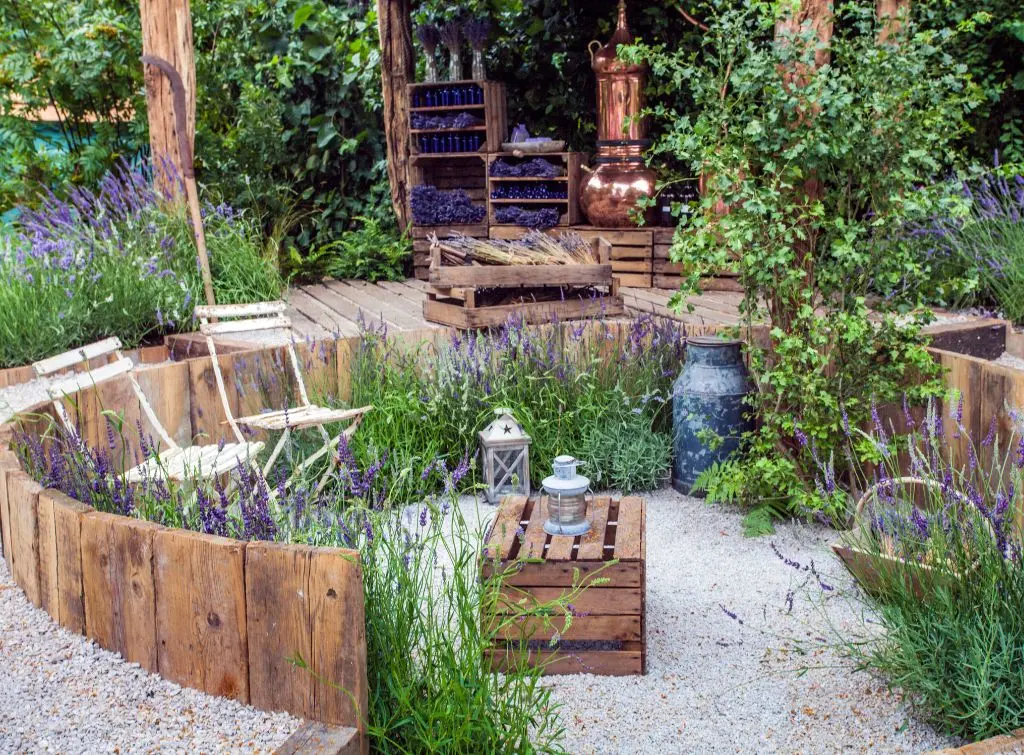
If you’re not sure where to begin, starting small is usually the easiest approach. Some of the simplest changes are also the most effective.
Some easy ways to begin include:
Planting nectar-rich flowers for bees and butterflies
Installing a water butt to collect rainwater
Leaving a small patch of lawn unmown
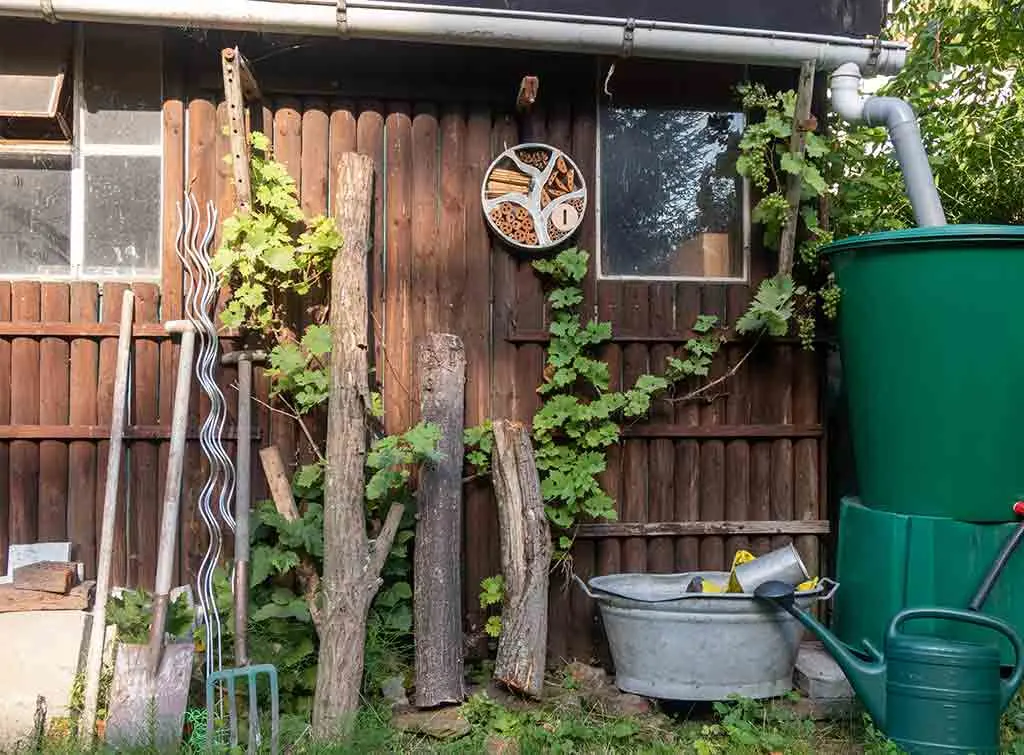
Installing a bird box or creating a bug hotel from spare wood or bricks
Switching to peat-free compost
A simple bug hotel can be a nice first project if you want to involve children. Fill a small wooden box with sticks, pinecones, and bamboo canes, then place it in a sheltered spot. Within weeks, you’ll often see insects moving in. It’s a brilliant way to spark curiosity about the natural world.
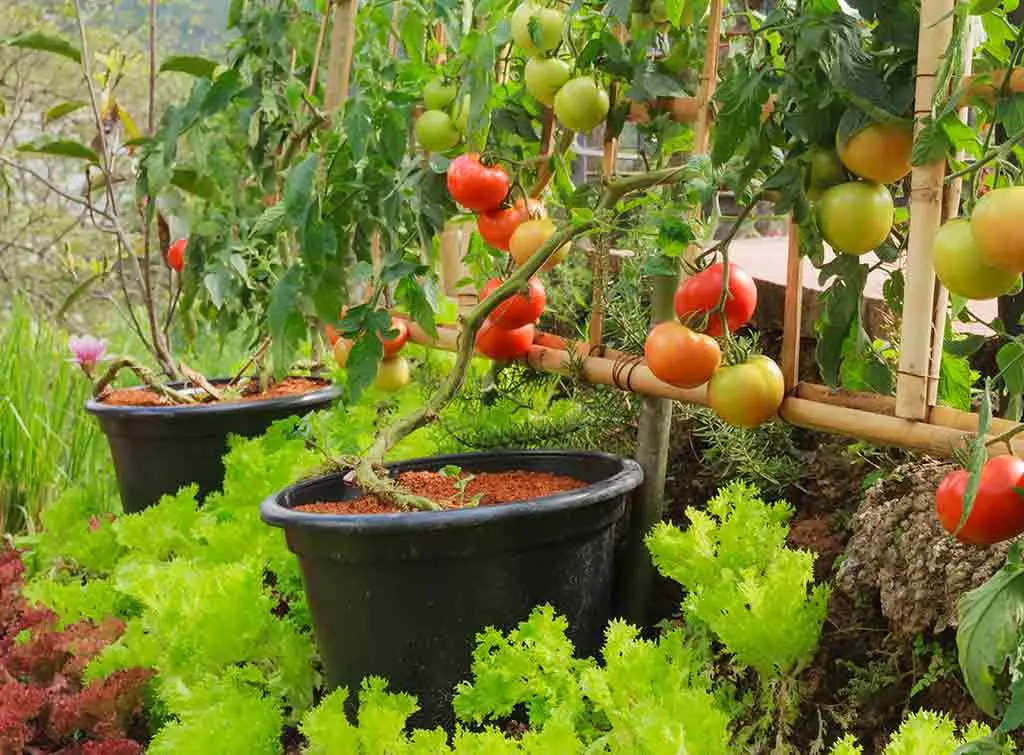
Grow a little of your own food
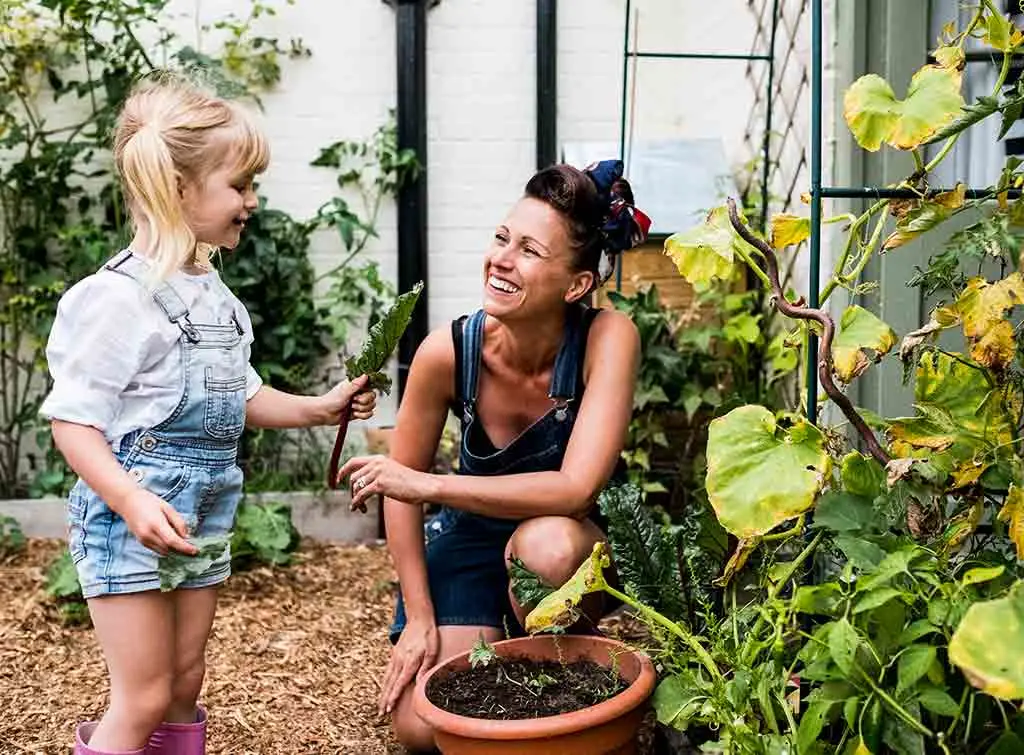
Even a small edible patch can make an outdoor space more sustainable. Herbs, salad leaves, strawberries, or tomatoes are all easy to grow and reduce the need for shop-bought produce.
Many people start with just a few pots and find it quickly becomes one of the most rewarding parts of their garden.
Eco garden balcony
No garden? You can still create an eco-friendly wildlife garden in a small space. A balcony, patio, or window box can support wildlife and bring a lot of joy.
A few carefully chosen pollinator-friendly plants in pots can provide nectar for bees and butterflies, while herbs and flowering plants add colour and fragrance to your outdoor space.
A few plants that do well in containers and window boxes are:
Lavender
Thyme
Marjoram
Rosemary
Nasturtiums
Verbena
Crocuses
Busy Lizzie
Strawberries
Wildflower seed mixes suitable for pots
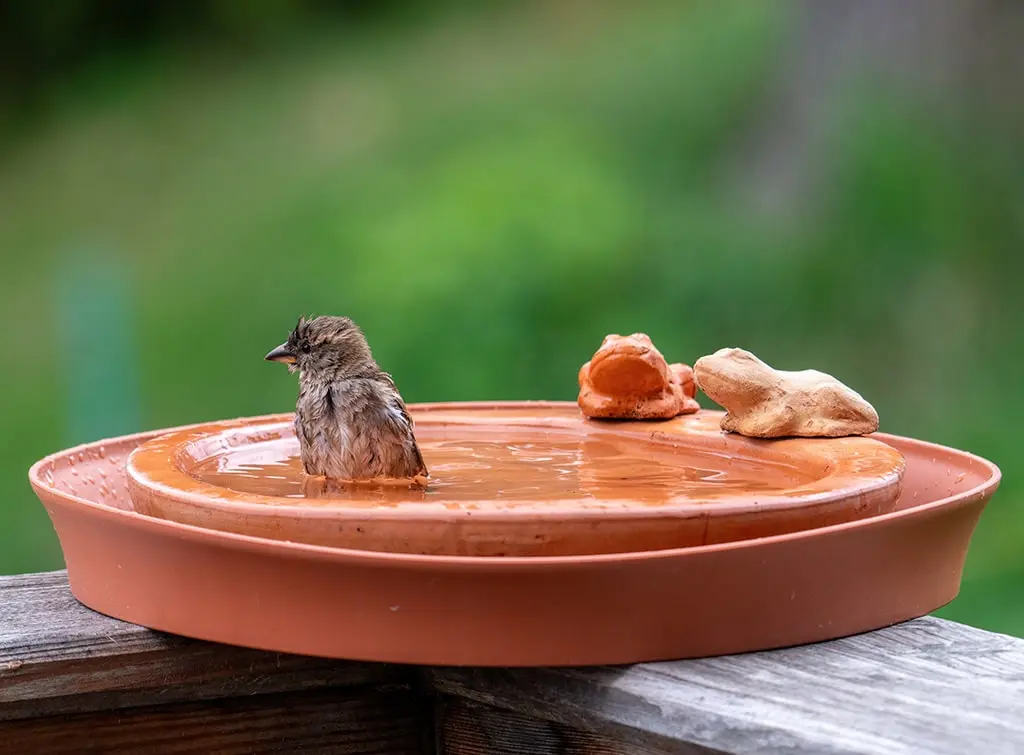
A shallow dish of water with a few pebbles creates a small water feature that gives birds and insects a safe place to drink.
Wildlife-friendly planting for UK gardens
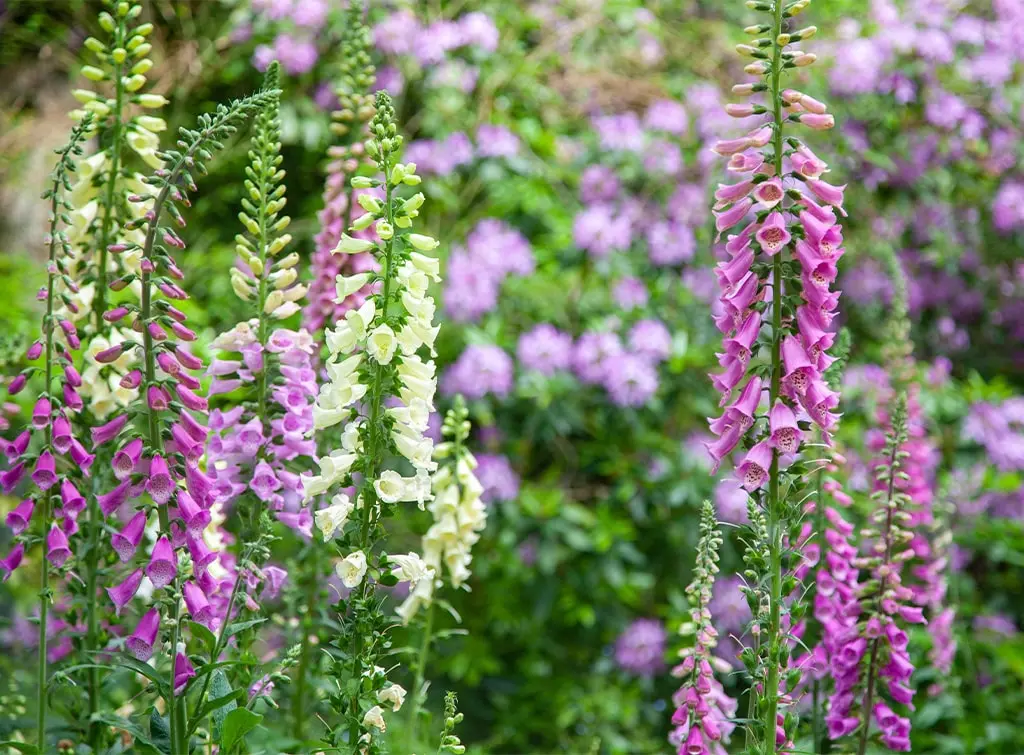
Planting with wildlife in mind is one of the most rewarding parts of creating an eco garden. Native and pollinator-friendly plants are well suited to the UK climate and provide essential food for insects and birds.
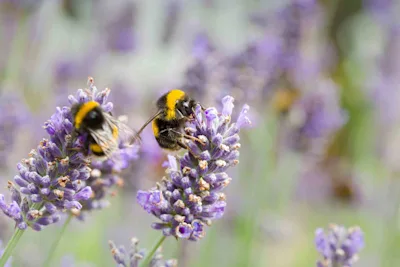
A single bee can visit thousands of flowers in one day. Providing a mix of nectar-rich plants — even in a small garden — can make a huge difference to local pollinator populations.
Some good pollinator-friendly choices are:
Lavender
Foxglove
Bluebells
Viper's-bugloss
Borage
Buddleja
Ox-eye daisy
Field scabious
Hawthorn
Crab apple trees
It helps to have plants flowering at different times of year, so there’s always something available for pollinators, and you have a garden that provides interest throughout the seasons.
Medium eco garden projects that make a lasting difference
Once the basics are in place, many people are inspired to take the next step and see what else is possible. These projects involve a bit more planning, but they can really change how your garden works.
Projects worth considering include:
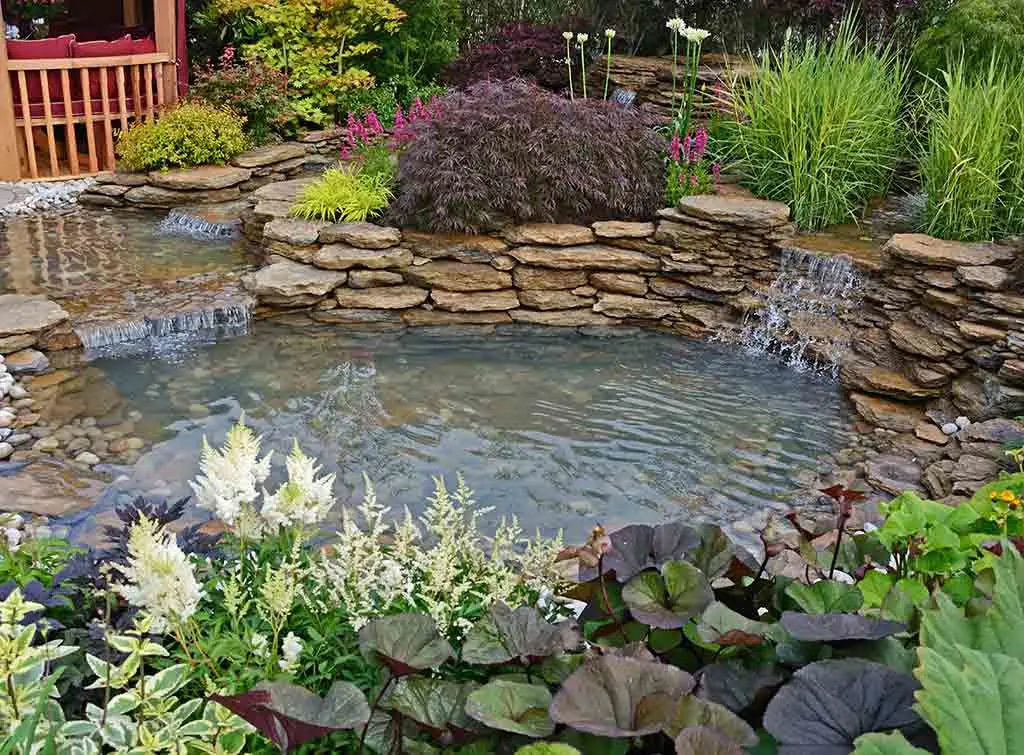
Creating a wildlife pond
Replacing solid paving with permeable surfaces
Planting a native hedge (such as Hawthorn, Hazel, or Dogwood)
Installing rainwater harvesting systems
Reducing the size of the lawn to make room for planting
A small pond, in particular, can quickly become a focal point for wildlife — attracting frogs, dragonflies, birds, hedgehogs, and beneficial insects.
Garden ponds can be a vital source of drinking water for hedgehogs, especially during dry weather, but they can also pose a drowning risk if animals can’t climb back out. When planning a wildlife pond, include a gentle sloping edge or a simple escape route, such as a few flat stones or a short wooden ramp.
Bigger eco garden projects to consider
For some households, creating an eco garden becomes part of a larger home improvement plan. These projects usually involve professional support from an experienced landscaper, but they can bring a range of long-term benefits.
Examples include:
Redesigning planting schemes
Installing sustainable drainage systems
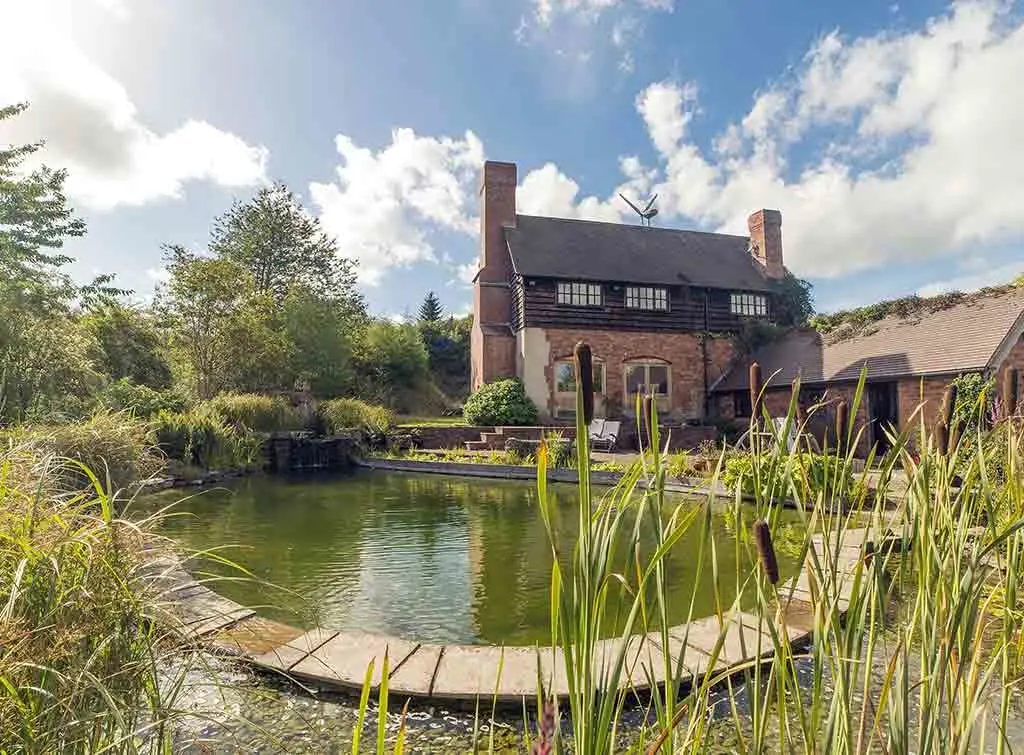
Building a natural swimming pool
Reworking garden layouts to improve biodiversity
Eco garden rooms: are they worth considering?
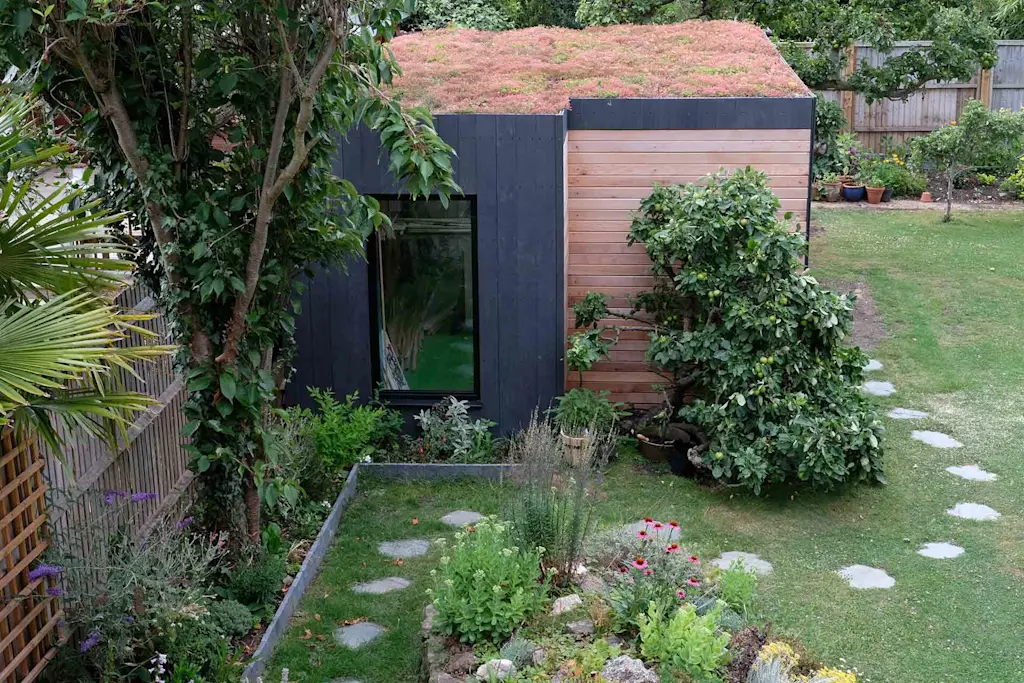
Garden rooms have become increasingly popular in recent years, particularly as more people work from home or want extra space without the upheaval or cost of moving house.
An eco garden room centres on:
Good insulation
Efficient heating
Sustainable materials
Long-term durability
When designed well, a garden room can be comfortable year-round while using less energy than you might expect.
If you’re considering one, it’s worth exploring our garden room design ideas. A local installer can help assess your space and explain what’s possible.
Browse relevant tradespeople working in your area
Choosing eco-friendly garden furniture
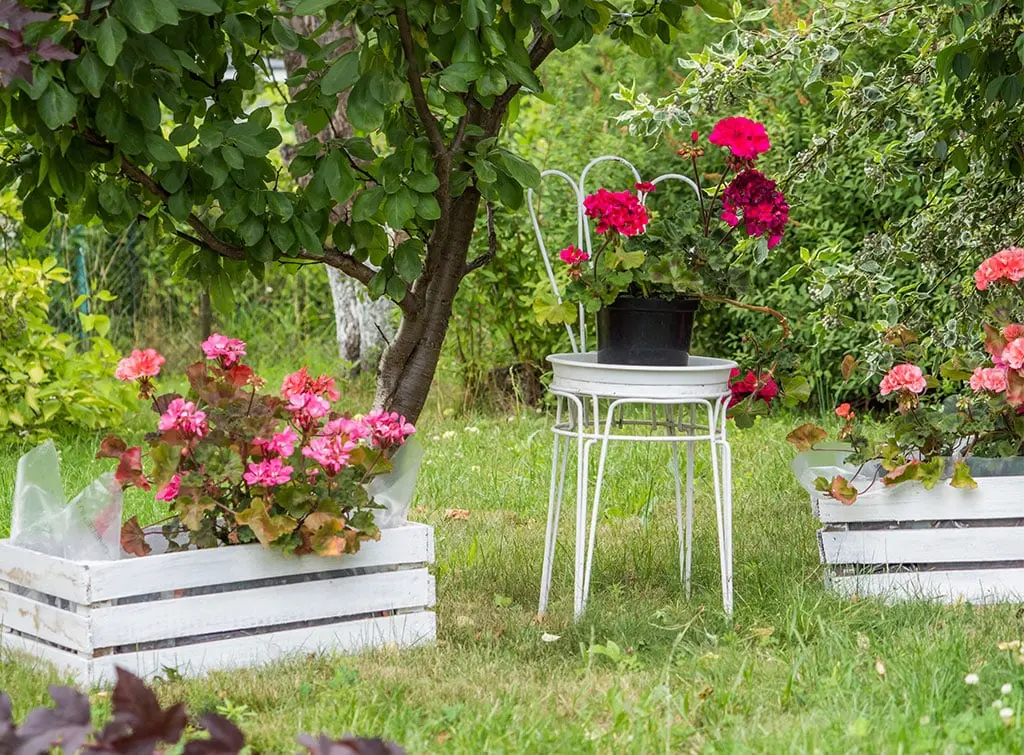
Garden furniture is often overlooked when thinking about making a garden more sustainable, but it's an easy element to bring into your garden design.
Look for furniture that:
Is built to last
Uses responsibly sourced materials
Can be repaired or reused
Timber furniture carrying FSC or PEFC certification is a good starting point, as it indicates responsible forest management.
Before buying new, take a look at what you already have. A light sand, a coat of exterior paint, or new cushions can give tired pieces a second life, and it often feels more satisfying than buying something brand new. Local marketplaces and community groups can be a treasure trove for pre-loved furniture that just needs a bit of attention.
How to care for an eco garden
Once the garden is in place, the care you give it matters just as much in keeping it healthy and productive.
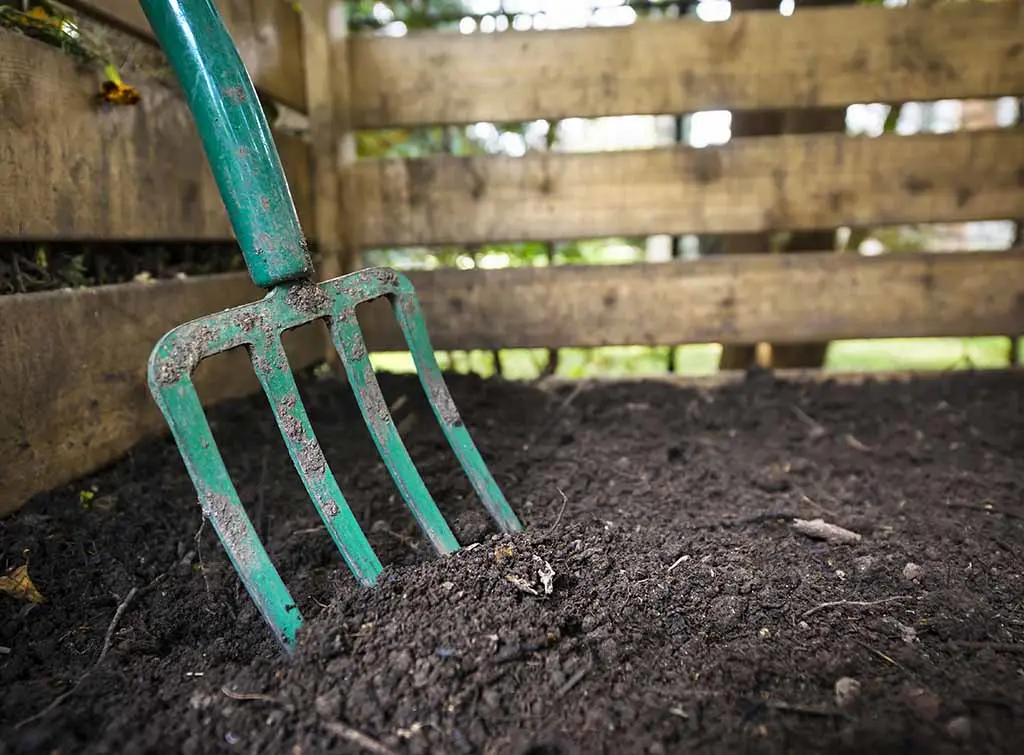
Feeding your garden naturally
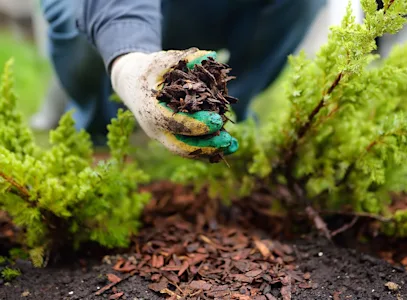
Instead of relying on chemical fertilisers, many gardeners use:
These methods are great for improving soil structure, recycling green waste, and supporting long-term plant health.
Watering sustainably
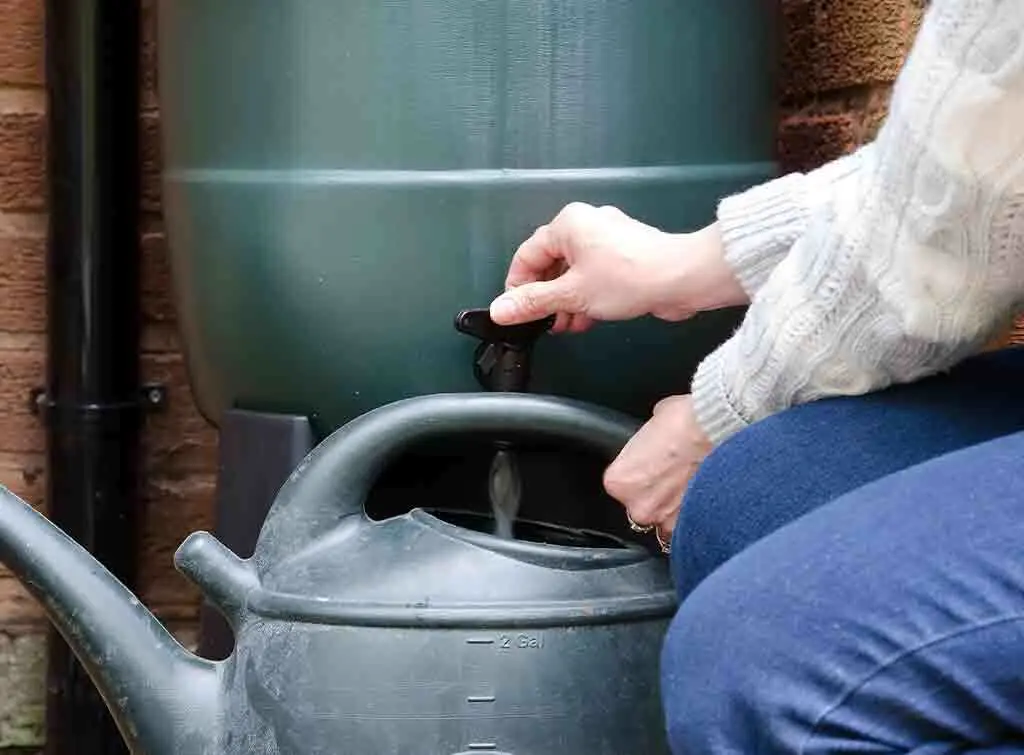
Simple changes to how you water your eco garden can make a noticeable difference:
Collect rainwater in a water butt
Water early in the morning or evening
Use watering cans rather than hoses where possible
Choose drought-tolerant plants
Over time, these habits help gardens become more resilient, coping better with whatever the weather throws at them.
Common mistakes to avoid when creating an eco garden
Even well-intentioned changes can sometimes backfire. A few common pitfalls include:
Trying to do everything at once
Removing too much lawn or planting too densely
Overwatering newly planted areas
Relying heavily on pesticides
Paving over large sections of the garden
Eco gardens often work best when they evolve gradually.

Eco garden checklist: where to start
Find landscapers with an eye for eco garden design in your area
Enter your postcode to find a top tradesperson near you
Primescape Builders Ltd
9.98
(14 reviews)Services & skills
LandscaperGarden DesignShedsBrickwork in the GardenGrounds MaintenanceDigs Gardens Limited
10.00
(40 reviews)Services & skills
LandscaperGarden DesignLandscape ContractorBrickwork in the GardenShed BasesAll Seasons Tree Surgeons
10.00
(215 reviews)Services & skills
LandscaperGarden DesignBrickwork in the GardenTurfingSleepersIRONCLAD CONSTRUCT LTD
10.00
(2 reviews)Services & skills
LandscaperGarden DesignComposite DeckingSleepersBrickwork in the GardenGaz&mir Construction Ltd
10.00
(49 reviews)Services & skills
LandscaperGarden DesignWater FeaturesPond ConstructionGarden StructuresEL LANDSCAPE BUILD
10.00
(32 reviews)Services & skills
LandscaperGarden DesignShed BasesDeckingSensory Gardens


FAQs
What’s the most eco-friendly way to garden?
One of the most eco-friendly approaches is usually to work with your local environment rather than trying to control it. That usually means choosing plants suited to the UK climate, improving soil naturally, and using water carefully. Small, consistent habits, such as composting or planting nectar-rich flowers, often have the biggest long-term impact.
Are insulated garden rooms worth it?
For many households, an insulated garden room is worth it, especially if you plan to use the space throughout the year. Good insulation helps keep the room comfortable in winter and cooler in summer, which can reduce running costs and make the space more practical day to day.
Are metal garden ornaments eco-friendly?
Metal garden ornaments can be eco-friendly, particularly if they’re durable and made from recycled materials. Long-lasting items that don’t need replacing frequently tend to have a lower environmental impact than cheaper alternatives that wear out quickly.
Is bamboo eco-friendly for a garden?
Bamboo is often considered eco-friendly because it grows quickly and regenerates naturally. However, sustainability also depends on how it’s produced and transported. Locally sourced materials are usually the more environmentally friendly option where possible.


See the tradespeople we've checked for your job