EXPERT ADVICE
Heat pump efficiency: An expert overview
Updated 08/26
By: Olivia Scammell
Reviewed: Alex Peters
UK heat pump marketing rarely uses the SEER and HSPF ratings common in the US; here, efficiency is measured using SCOP (Seasonal Coefficient of Performance) and COP (Coefficient of Performance). Knowing which metric you're actually looking at matters when comparing models.
The efficiency ratings that actually matter in the UK
What makes heat pumps so much more efficient than boilers
How air source and ground source compare
What genuinely affects real-world efficiency
How to run your heat pump for the best performance
Roughly how much you can expect to save
Find heat pump experts to chat to near you
What's the most energy-efficient heat pump for my home?
There's no single answer, since the right choice depends on your home's size, heating needs, budget, and local climate. When comparing options, look at:
SCOP (Seasonal Coefficient of Performance): the UK and EU standard efficiency metric, averaging performance across a full heating season rather than a single moment, giving a more realistic picture than a snapshot COP figure.
COP (Coefficient of Performance): the ratio of heat output to electricity input at a specific point in time, useful for understanding peak performance but less representative of real-world seasonal running.
The size of the unit: undersized units struggle to heat the whole home; oversized units waste energy and can reduce comfort through short, inefficient cycling.
Variable-speed compressors let a heat pump adjust its output to match demand more precisely, generally improving real-world efficiency over single-speed units.
A qualified heat pump installer can help you choose the right size and type for your specific home.


What makes heat pumps so efficient?
A heat pump transfers heat from one place to another (typically from outside air, the ground, or a water source) rather than generating heat by burning fuel. Even in cold weather, there's still enough heat in the outside air to extract and bring indoors.
Gas boilers typically have an efficiency of around 90-94% (a "coefficient of performance" close to 1), while heat pumps can achieve a SCOP of 3 to 4, meaning they produce 3-4 units of heat for every unit of electricity used.

Air source heat pump efficiency
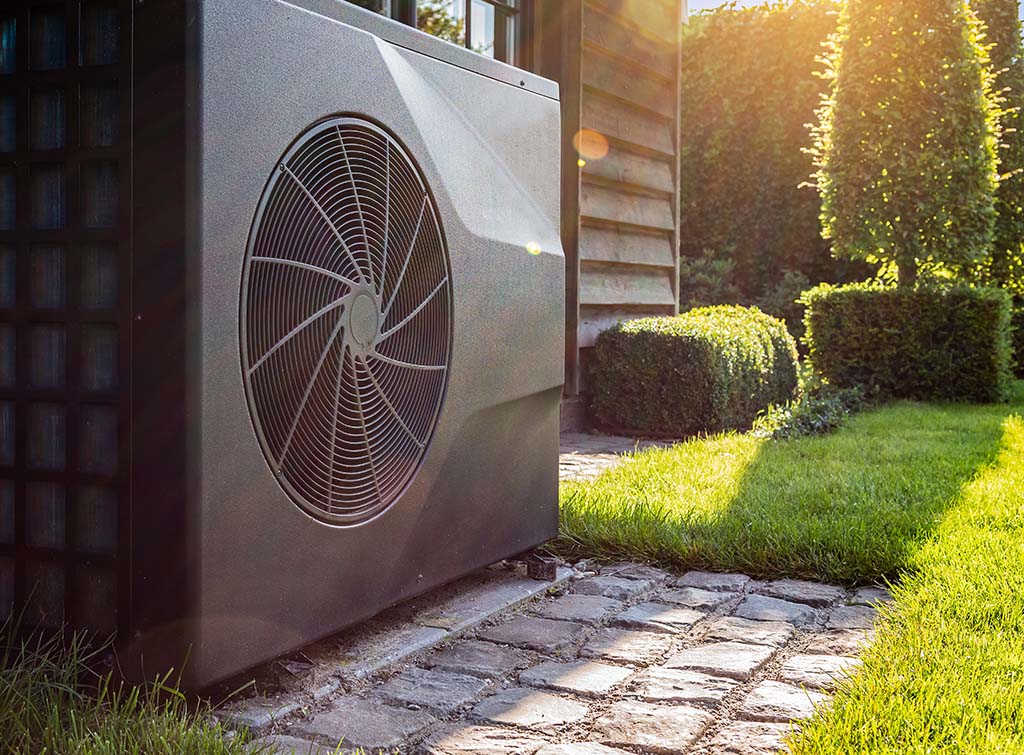
Air source heat pumps extract heat from the outside air and transfer it indoors, and have become an increasingly popular alternative to gas boilers thanks to their efficiency and lower environmental impact.
See our air source heat pump cost guide for current pricing.
Getting the most from an air source heat pump
Choose the right size for your home. An undersized unit works harder than necessary, reducing efficiency.
Use a reputable manufacturer and MCS-certified installer. This affects both day-to-day efficiency and the unit's lifespan.
Keep up with maintenance. Cleaning the outdoor unit and checking filters regularly keeps performance up.
Well-specified air source heat pumps can reach a SCOP of up to 4, meaning roughly 4 units of heat for every unit of electricity used, a significant improvement over a typical gas boiler.
Air-to-air heat pumps
A type of air source heat pump using fans to circulate warm air directly, rather than heating water for radiators or underfloor heating.
Generally less efficient than air-to-water or ground source systems, but cheaper to install, and they run most efficiently when outdoor temperatures stay above freezing.

If your radiators feel undersized for a heat pump system, you may need input from a central heating engineer as well as your heat pump installer to get sizing right.
Ground source heat pump efficiency
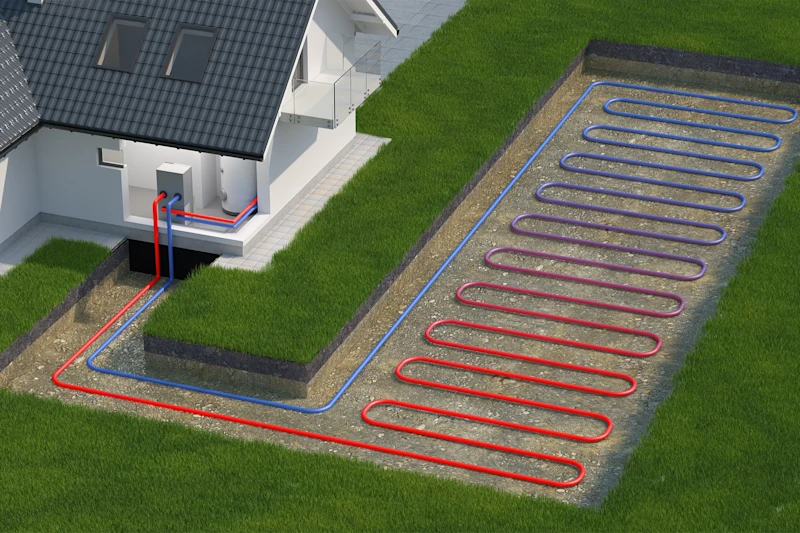
Ground source heat pumps extract heat from the ground rather than the air, and can be more efficient still, with some systems reaching a SCOP of up to 5.
Because the ground stays at a more stable temperature year-round than the air, ground source systems tend to perform more consistently in cold weather. They cost more to install than air source systems, but often deliver stronger long-term savings.

Need reassurance? All tradespeople pass up to 12 checks before joining, and we keep checking after.

What affects heat pump efficiency in practice?
Temperature difference
The bigger the gap between indoor and outdoor temperature, the harder your heat pump works, and the less efficient it becomes. This is why ground source systems, drawing from a more stable source, often hold their efficiency better in very cold weather.
Sizing
An undersized heat pump struggles to keep your home comfortable; an oversized one wastes energy and money.
Insulation and air sealing
A well-insulated, well-sealed home reduces how hard your heat pump needs to work, directly improving real-world efficiency. This matters more for heat pumps than gas boilers, since heat pumps typically run at lower flow temperatures.
Maintenance
Regular servicing, including filter changes and checking refrigerant levels, keeps efficiency up over the system's lifetime.
The savings you'll see depend heavily on what you're replacing. Switching from an old, inefficient gas boiler tends to bring modest savings; switching from oil, LPG or direct electric heating usually brings the biggest gains, since those fuels cost more per unit of heat delivered.
What's the most efficient way to run a heat pump?
Set your thermostat sensibly, and leave it alone
Aim for 18-21°C in winter. Make small adjustments (a degree or two at a time) rather than large swings, and give the system time to respond.
Don't switch it off when you're out
Unlike a gas boiler, turning a heat pump off entirely often costs more overall, since it then has to work much harder to bring your home back up to temperature. Turning the thermostat down a few degrees while you're out is generally more efficient than switching off entirely.
Keep filters and coils clean
Clogged filters and dirty outdoor coils reduce efficiency and can shorten the system's lifespan. Most manufacturers recommend checking filters every one to three months.
Book annual servicing
A professional service, checking refrigerant levels, filters, and coils, keeps your system running at its best. Most manufacturers and installers recommend this at least once a year.
Use a smart or programmable thermostat
Scheduling different temperatures for different times of day helps balance comfort and running costs without manual adjustment.
Use auxiliary or backup heat sparingly, if fitted
Some systems include backup heating for very cold spells. Relying on this often points to an undersized heat pump or insufficient home insulation, both worth addressing rather than working around long-term.

Ground source heat pump cost: 2026 price guide
With the growing popularity of green energy solutions in the UK, many homeowners are looking for alternative heating options for their homes – such as ground source heat pumps. In this guide we look at the average ground source heat pump cost in the UK.
How much can a heat pump save on energy bills?
Savings depend heavily on your current system, home insulation, and current gas and electricity prices, which shift regularly.
Rather than quoting a fixed saving figure that will likely be out of date by the time you read this, check our gas vs electric heating cost guide for a current comparison, and ask an installer for a saving estimate specific to your home.

Before you choose a heat pump
Find local heat pump services near you
Enter your postcode to find a top tradesperson near you
Luma Mechanical & Electrical Ltd
10.00
(3 reviews)Services & skills
Central HeatingAir Source Heat Pump Installation - ASHPGas Central Heating Servicing / RepairGas Boiler InstallationGas Cooker InstallationLondon Heat Engineers Ltd
10.00
(149 reviews)Services & skills
Central HeatingAir Source Heat Pump Installation - ASHPGas Boiler InstallationGas Safety Checks - CP12Gas Central Heating InstallationAZ Plumbing Contractors Ltd
10.00
(251 reviews)Services & skills
Central HeatingAir Source Heat Pump Installation - ASHPEmergency Central Heating RepairGround Source Heat Pump Installation - GSHPGround Source Heat Pump Servicing / Repair - GSHPGASON Air Conditioning and Heat limited
10.00
(75 reviews)Services & skills
Central HeatingAir Source Heat Pump Installation - ASHPGround Source Heat Pump Servicing / Repair - GSHPGas Boiler InstallationGas Central Heating InstallationCraig Braybrook Plumbing And Heating
10.00
(49 reviews)Services & skills
Central HeatingAir Source Heat Pump Installation - ASHPGas Boiler InstallationAir Source Heat Pump Servicing / Repair - ASHPGas Central Heating Servicing / RepairINNOSCOPE BUILDING SERVICES LTD
9.97
(22 reviews)Services & skills
Central HeatingAir Source Heat Pump Installation - ASHPGas Safety Checks - CP12Emergency Central Heating RepairSmart Thermostats


FAQs
This is called the "balance point," the outdoor temperature at which your home's heat loss equals the heat pump's output. Below this, some systems rely on backup heating. The exact point depends on the unit's efficiency, your insulation, and your home's size and layout.
Efficiency (measured by COP or SCOP) decreases as outdoor temperature drops, since the unit has to work harder to extract heat from colder air. Ground source systems tend to hold up better than air source in very cold conditions.
It depends on current electricity and gas prices, which change regularly. See our gas vs electric heating cost guide for a current comparison rather than relying on a fixed figure.
Ground source heat pumps generally perform most consistently in cold weather, since they draw from the more stable temperature of the ground rather than variable outdoor air.

More Air Source Heat Pump Installation - ASHP Articles


See the tradespeople we've checked for your job