EXPERT ADVICE
Leaking soil pipe: Common causes and how to fix it
Updated 07/26
By: Wendy Reynolds
Reviewed: Kim Staples
Believe you have a leaking soil pipe? Let's identify what caused the issue, what to do to prevent further damage, and cover how to fix the problem.
What causes a soil pipe to leak
The warning signs to look out for
Temporary DIY fixes you can try
When replacement is the better option
The building regulations that apply
How to find a plumber to fix your soil pipe
Soil pipes carry wastewater from your toilet to the drainage system, so a leak here is never something to leave for later.
This guide covers what typically causes a soil pipe leak, how to spot the signs, and how it gets fixed.
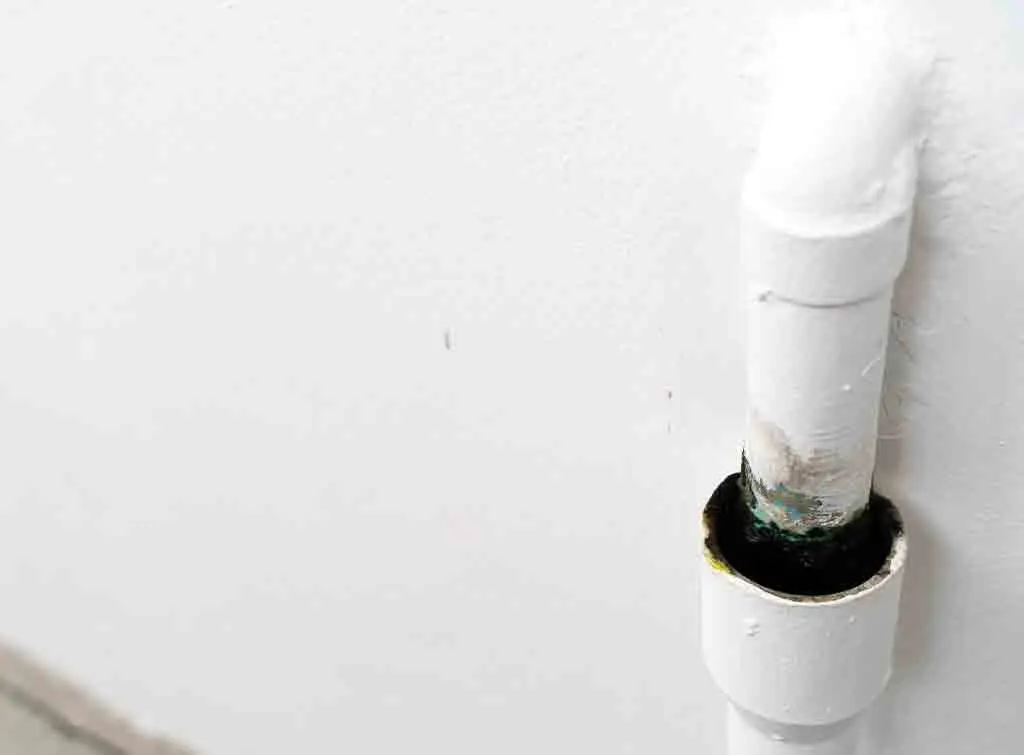
Common causes of a leaking soil pipe
There are many reasons why your home's soil pipe can start leaking. The most common causes of this problem include:
Loose connections - Soil pipes are connected to form an effective wastewater drainage system. Over time, the connections can become loose, creating gaps and allowing water to leak out
Damaged seals - Rubber gaskets are used to create a watertight seal. These rubber seals can deteriorate or become damaged over the years. Wastewater will leak from a poorly sealed soil pipe
Damaged joints - Pipe joints can become damaged by the movement of waste through the system. Joints can become misaligned and leak if they are knocked or incorrectly installed
Cracked pipes - Soil pipes are made from durable materials, but cracks are still a common problem
High water pressure - Your soil pipe may spring a leak if your water pressure is too high
Poor installation - An incorrectly installed soil pipe will be more prone to leaks and damage
Signs of a soil pipe leak
A slow draining toilet, bad smells and mould growth are all signs of a leaking soil pipe.
You may not notice spraying water or hear a soil pipe leaking. Instead, you will need to inspect the pipe to find the source of the leak.
Look for any visible damage to the pipe, such as cracks and holes. A buildup of mould in a certain area can also indicate the leak's location.
If you are unsure what to look for, a plumber can locate the source of a soil pipe leak.
Find a plumber near you

How to fix a leaking soil pipe
The type of soil pipe repair needed will depend on the cause of the leak.
Fixing a soil pipe is a fairly straightforward task. That being said, you should only attempt a DIY repair if you have the skills, tools and experience needed - it's better to hire a plumber for the best long-term results.
It may be you do the initial quick fix, then call out a plumber to complete the job properly.
Tighten loose connections
Tightening a loose pipe connection may be all that's needed to stop a leak.
Simply use your hands to turn the loose pipe to the right (righty tighty, lefty loosey). If a loose pipe connection was the culprit, your soil pipe should no longer leak.
Waterproof repair tape
Waterproof repair tape is a popular choice for soil pipe repair. Applying this specialist tape is a quick and easy way to seal off a leak.
The best pipe repair tapes are made with self-fusing silicone. This material creates a watertight seal over any cracks or holes in the soil pipe. Repair tape will also make sure your pipe is airtight and well protected.
This is a temporary fix, make sure to call a professional plumber out to repair the leak properly.
Epoxy putty
Epoxy putties can be used to effectively seal a plastic pipe and are a good option for tricky to reach areas.
Often an epoxy putty stick is the best option as it is easier to prepare. All you need to do is break off the amount of epoxy putty you need and then knead it until it becomes malleable and changes into a single colour.
The epoxy putty is now ready to use and can be applied to the leaking area of your soil pipe. You will need to wait for the putty to cure (typically 24 hours) before allowing wastewater to travel through the soil pipe again.
Pipe repair bandages
Pipe repair bandages are coated in a water-activated polyurethane resin and are usually used once other seals have been applied - on top of tape or putty, for instance.
Pipe repair bandages are a good choice for quick repairs. Little preparation work is needed to activate the bandage and the resin will cure in approximately ten minutes.
Pipe replacement
A leaking soil pipe joint or connection can only be repaired if there isn't a significant amount of damage. While small cracks can be easily sealed, fixing large holes can be more challenging.
It is also difficult to permanently fix badly corroded and blocked soil pipes. Replacing the pipework may be the best option for soil pipes that are highly worn or damaged.
A plumber can replace a soli pipe and help you to say goodbye to wastewater leaks.
Find a plumber near you
Building regulations for soil pipes
Soil pipe repair and maintenance doesn't usually require planning permission, but it is covered by Part H (Drainage and Waste Disposal) of the Building Regulations.
Like-for-like replacement, in the same position and diameter, is generally treated as routine repair.
However, you'll need to notify building control if you're:
Relocating the soil stack to a new position
Adding a new toilet connection to an existing stack
Installing a new stack as part of an extension or loft conversion
Running a soil pipe through a fire compartment floor or wall (it must be fire-stopped and sleeved)
If you live in a flat with a shared stack, or a listed building where materials are restricted, it's worth double-checking with your local authority before starting any work.
Cost of soil pipe repair
The average cost for a plumber to repair a leaking pipe is £330.
Drain patch repairs costs an average of £200 - £450.
You can expect to pay around £635 per metre if replacement pipework is needed.
Read our drain repair cost guide for a closer look at current prices. For more information on plumber rates, look no further than our expert guide detailing all of the latest plumber prices.
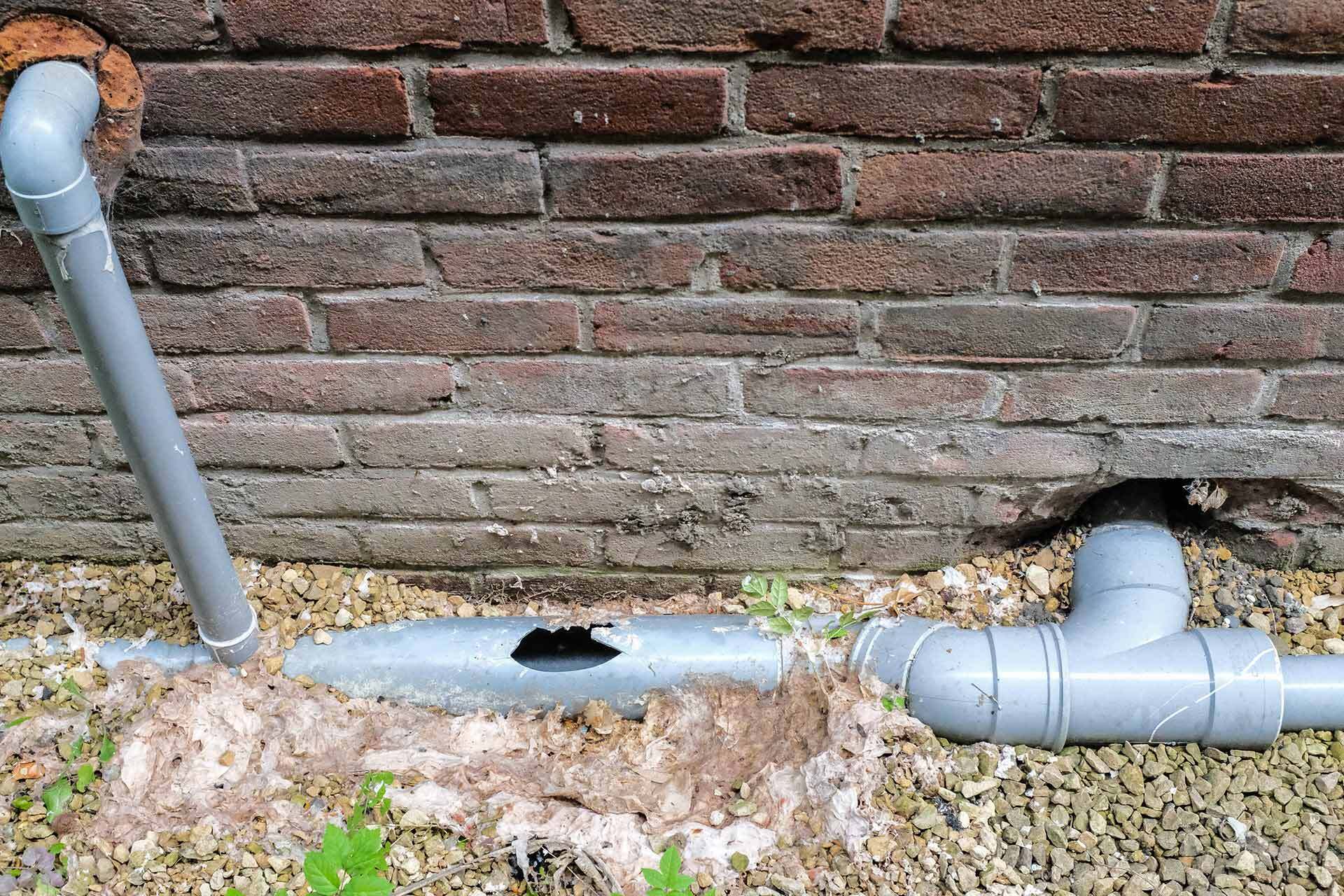
How much does drain repair cost?
Whether your drains and sewers are collapsed, cracked or blocked, our drain repair cost guide has the most effective tactics to solve any problem.
Finding soil pipe repair services near you
Your best option is to hire a plumber to fix a soil pipe leak.
Search Checkatrade to find plumbers working in your local area. All of our members are checked and verified, to give you a little extra peace of mind.
Enter your postcode below to get started finding plumber to find the leak and fix the problem.
Find a plumber near you

Checklist: Dealing with a leaking soil pipe
Use this handy checklist to make sure you've ticked off everything you need to do to get your leaking soil pipe fixed.

Your leaking soil pipe repair checklist
FAQs
The most common causes are loose connections, damaged seals or joints, cracked pipes, high water pressure, poor original installation, and corrosion in older cast iron pipework.
Watch for a slow-draining toilet, persistent bad smells, and mould appearing in one area. Since you often won't see spraying water, a visual inspection of the pipe - or a plumber's assessment - is usually needed to confirm it.
It's a high-priority repair rather than a strict emergency. Since you're dealing with wastewater, and potential structural damage to walls or floors around the pipe, it's best to get it solved as soon as you can.
Temporary fixes like repair tape, epoxy putty, or bandages are reasonable if you're comfortable with basic DIY, but get plumber for anything beyond a quick stopgap, especially where a section needs replacing.
No, like-for-like repair or replacement generally doesn't need approval. However, relocating a stack, adding a new toilet connection, or running a pipe through a fire compartment does require notification under Part H.
For small, isolated corrosion, a patch repair can work. For more extensive corrosion, replacing the affected section - or the whole stack - with modern PVC pipe is usually more cost-effective than repeated patch repairs.

From installing a new tap and unblocking drains, to boiler maintenance and bathroom installations, take a look at our plumbing hub for help with all your plumbing needs.
See the tradespeople we've checked for your job