EXPERT ADVICE
What to do if your water pressure is too high
Updated 07/26
By: Emma Potter
Reviewed: Kim Staples

Are you wondering why your water pressure has suddenly increased? Find out the possible cause and how to fix it in this practical guide.
The warning signs that your water pressure is too high
The problems it can cause over time
How to test your water pressure yourself
What a plumber will check and fix
When a pressure-reducing valve is the answer
How to find a plumber near you
A powerful shower might feel like a win, but water pressure that's too high can gradually damage your pipes, appliances, and boiler long before you notice a problem.
This guide explains what to look for, how to check it yourself, and what a plumber will do to fix it.
Find a plumber near you
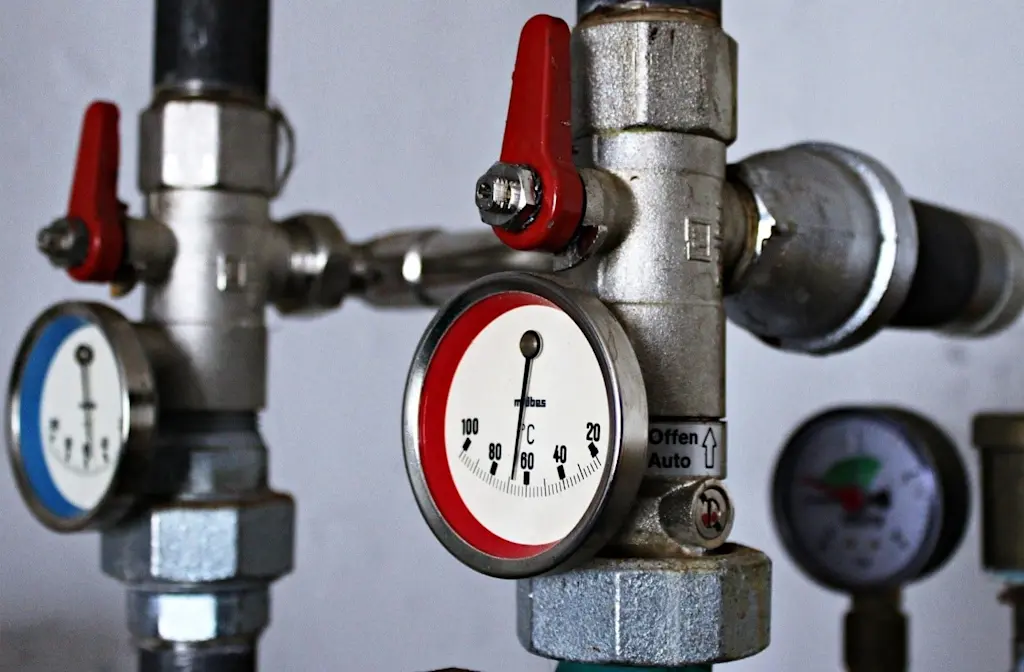
What happens if your water pressure is too high?
You might think an increase in water pressure is a bonus – starting with that newfound power shower! Think again.
Left for too long, it can cause all sorts of problems in the home due to excessive wear and tear. Issues include:
Damage to internal components of your vital household appliances, such as dishwashers and washing machines
Leaks from the bottom of electric shower units due to a build-up of pressure
Strain on your boiler, leading to leaks or faster wear and tear of components
Burst water pipes
An increase in your water bills
Signs you have high water pressure
A bathroom tap suddenly spraying water everywhere or a pipe bursting is a surefire way to know you've got a problem.
But there are some other telltale (and slightly less dramatic!) signs to look out for:
Loud or banging pipes – known as the ‘water hammer’ effect, the high pressure causes pipes to vibrate or make banging noises when water is turned on or off
Leaky taps – the constant high pressure can cause seals and washers to wear out, leading to dripping taps
Toilet running or filling too quickly
Leaking pipes – the high water pressure puts a strain on plumbing, especially with older pipework
If you notice several of these at once, don't just fix each symptom individually. Get the underlying pressure checked, or you'll likely be back to square one within a few months.
How to check for a water pressure increase
Finding out why your water pressure has increased can be tricky. However, there are a few things you can check yourself before contacting a plumber:
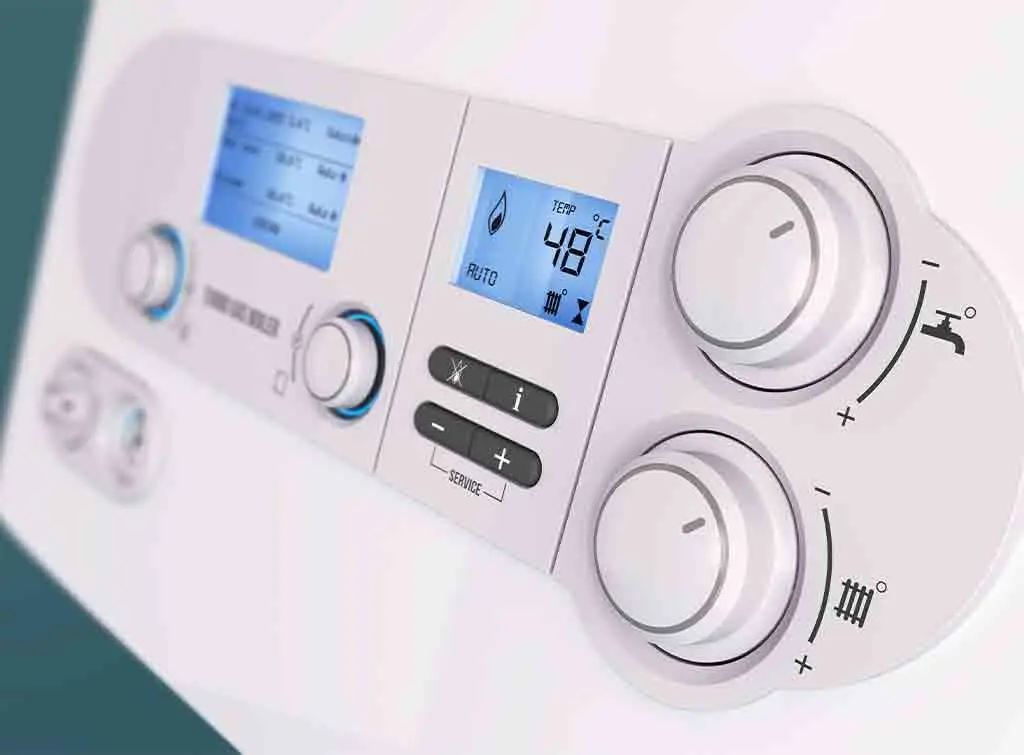
1. Check your boiler's pressure gauge
Most combi boilers have a pressure gauge on the control panel. It should show a reading between 1.5 and 3 bar. If it consistently exceeds this, it could indicate a problem.
You may be able to repressurise it yourself via the control panel. However, if that doesn’t work, you’ll need a plumber to help.
2. Use a water pressure gauge
If you don’t have a combi boiler with a pressure gauge, consider buying a manual water pressure gauge instead.
This handy tool is easy to pick up from a hardware store and attaches to an outdoor tap or any tap with a threaded spout.
Turn the tap fully on and read the pressure on the gauge. Normal levels should be between 1.5 and 3 bar. Anything above this indicates there's a problem.
3. Check with your water supplier
Sometimes, the issue has nothing to do with the plumbing inside your home. It could be that the mains’ water pressure has increased, which is an issue with your water network.
Call your water company to see if they have set the pressure higher than normal because of maintenance work. You might also find that neighbouring homes have reported the same issue.
How to fix high water pressure
If you've followed the steps above and you’re still unable to figure out what's wrong, it's time to call a plumber.
A plumber will work out what’s causing the issue through a process of elimination. Faults they’ll be looking for include:
High pressure in your combi boiler system due to overfilling or a fault with the boiler’s filling loop
Blocked pipes
Other damage, such as leaks or worn-away components
If the boiler isn't the issue, the standard fix is a pressure-reducing valve (PRV), fitted where the mains supply enters the property. This bit of tech regulates the incoming pressure to a safe, steady level for the whole house.
Fitting the valve a straightforward job for a plumber - but it isn't worth attempting yourself, since it involves working on the main supply line.
How to find a reputable plumber
If you suspect your home's water pressure has increased (or lowered) and your water supplier hasn’t reported any issues, you’ll want a trusted plumber to take a look.
The longer you leave it, the more problems it can cause due to the excessive pressure on your home appliances and boiler.
Enter your postcode to start finding a plumber in your area - or download the Checkatrade app.
Find a plumber near you

FAQs
Most UK homes run comfortably between 1 and 4 bar, with combi boilers typically operating at 1.5 to 3 bar. Consistently higher readings are worth investigating, especially if you're also seeing symptoms like banging pipes or leaking taps.
Yes. Sustained high pressure puts extra strain on boiler components and seals, which can lead to leaks and shorten the boiler's lifespan if it isn't addressed.
A pressure-reducing valve (PRV) is fitted on the mains supply line to bring incoming water pressure down to a safe, consistent level. If a plumber has ruled out your boiler and appliances as the cause of high pressure, a PRV is usually the long-term fix.
This is known as 'water hammer', caused by a sudden pressure change when water flow stops abruptly. It's a common sign of high water pressure and is worth having checked before it causes a leak or burst pipe.
Some checks - like reading your boiler's pressure gauge or buying a hose-tap gauge - are fine to do yourself. Fitting or adjusting a pressure-reducing valve on the mains supply, however, is a job for a plumber.
Costs depend on the cause. A boiler repressurisation is a quick, low-cost fix, while fitting a new pressure-reducing valve costs more. See our plumber cost guide for current UK rates.
If high pressure causes a burst pipe or escape of water, resulting damage is often covered under standard buildings insurance - but check your policy, as ongoing wear from known high pressure may be treated differently to a sudden, unexpected failure.

From installing a new tap and unblocking drains, to boiler maintenance and bathroom installations, take a look at our plumbing hub for help with all your plumbing needs.

See the tradespeople we've checked for your job