EXPERT ADVICE
Leaking toilet - Find the causes, limit the damage and get it fixed
Updated 07/26
By: Olivia Scammell
Reviewed: Alex Peters
A leaking toilet is no laughing matter. If you don't get it fixed, you leave yourself open to water damage, high water bills, and a generally unpleasant experience. So, if you're dealing with a leaky toilet, let's flush out the problem and get your throne back in good working order.
The most common reasons a toilet leaks
What it means if the leak is at the base, not the tank
How to fix a leaking toilet yourself, step by step
What to do immediately to limit water damage
How much it typically costs to hire a plumber
When a leak means it's time to call a professional
A leaking toilet is never just a minor inconvenience. Left alone, it can mean water damage to your floor, high water bills, and - depending on where the leak is - contaminated water on your bathroom floor.
The fix is usually straightforward once you know exactly where the water is coming from.
This guide walks through the most common causes, including toilet leaking at the base, and clear steps to fix each one yourself.
Find a local plumber
Where is your toilet actually leaking from?
The fix depends entirely on the location of the leak, so start here before doing anything else.
Dry the floor and tank exterior completely, then flush and watch closely.
Look for the following:
Water pooling around the base of the toilet - almost always a wax ring or seal problem, or a cracked bowl
Water leaking into the bowl from the tank - usually a worn flapper valve
Water dripping from a pipe at the back - typically a loose connection or faulty fill valve
Water in the tank not stopping - an inlet, outlet or overflow issue in the cistern

Water leak in the house? Here's exactly what to do
A water leak in the house is a nightmare for any homeowner. Here's what to do if you find water pooling where it shouldn't be.
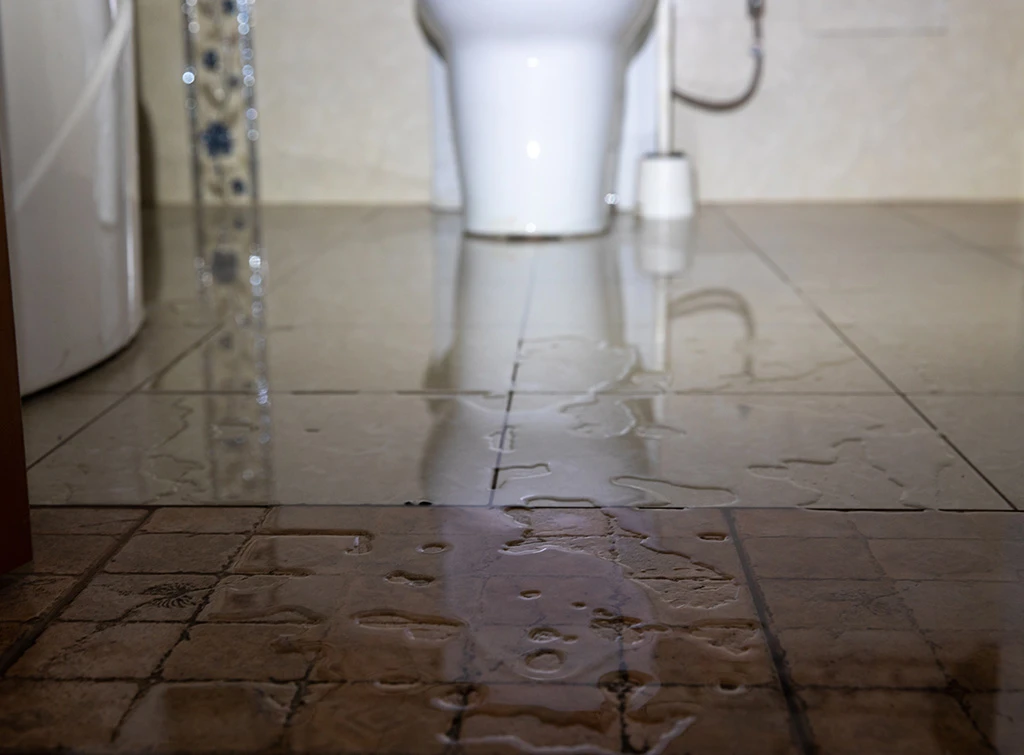
Toilet leaking at the base
This is one of the most common - and most damaging if ignored - toilet leaks, since it can rot flooring and subfloor over time. The usual cause is the wax ring (or seal) that sits between the base of the toilet and the drainpipe in the floor.
Over years of use it compresses, dries out, or shifts, and stops forming a watertight seal.
Signs it's a base leak, not something else:
Water appears at the base specifically when you flush, not constantly
The toilet feels slightly loose or rocks when you push it
You notice a musty smell or the floor around the base feels soft
How to fix a toilet leaking at the base
Turn off the water supply and empty the tank and bowl by flushing
Check whether the toilet rocks - if it does, the mounting bolts may simply need tightening a little at a time, alternating sides, without over-tightening
If tightening the bolts doesn't stop the leak, the wax ring itself has likely failed and needs replacing
Replacing a wax ring means lifting the toilet off the floor flange, so unless you're confident doing this, it's a job worth handing to a plumber - a poor reseal can cause the same leak again within weeks
A wobbly toilet isn't just annoying - it's often the first sign the wax ring seal is starting to fail, well before you see any water. Worth checking every so often, especially in an older bathroom.
What is the most common cause of a leaking toilet?
Aside from base leaks, the most common cause of a toilet leaking into the bowl is a faulty flapper valve - the rubber or silicone seal at the bottom of the tank that opens to let water into the bowl and closes to reseal the tank.
Once it's worn or damaged, it can no longer create a tight seal, and water leaks continuously from tank to bowl.
Other common causes of a leaking toilet
Cracked tank or bowl - a crack can let water escape from the base or the tank itself
Loose or damaged bolts - the bolts securing the tank to the bowl can work loose over time
Corroded or damaged pipes - connecting pipework can corrode or crack with age
High water pressure - unusually high pressure can force water past seals that would otherwise hold
Improperly installed wax ring - as above, the most common cause of a base leak specifically
If you spot any of these, address them quickly - the longer a leak runs, the more water (and money) it wastes, and the greater the risk of damage to the floor beneath.
Find a local plumber
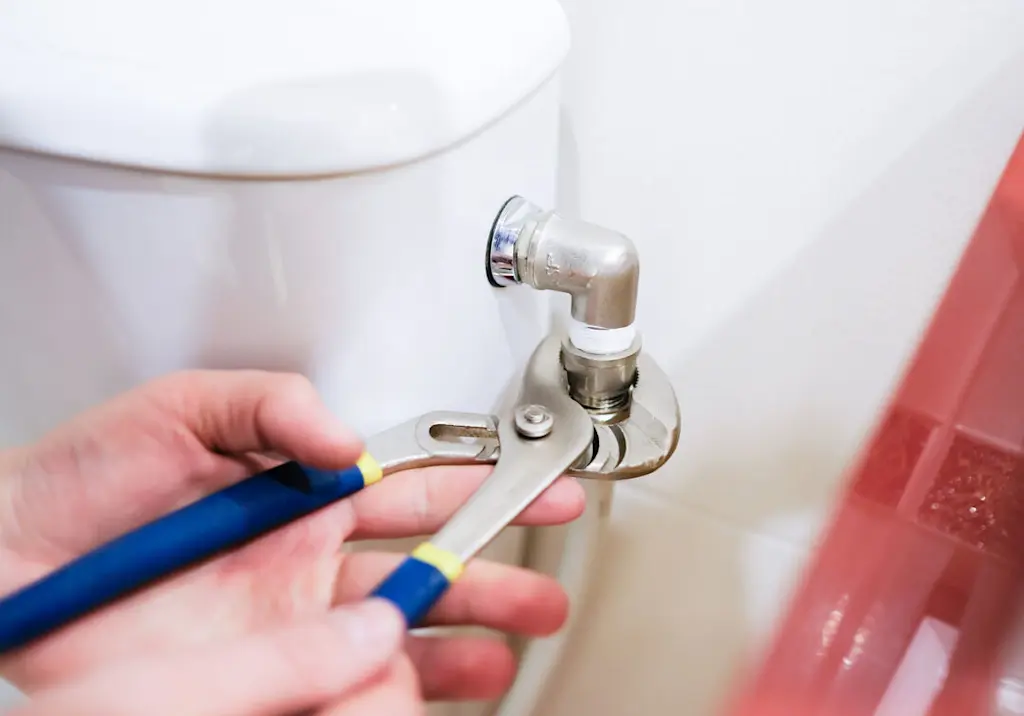
What to do straight away to limit damage
Turn off the water supply to the toilet - the shut-off valve is usually behind the toilet, and turns clockwise to close
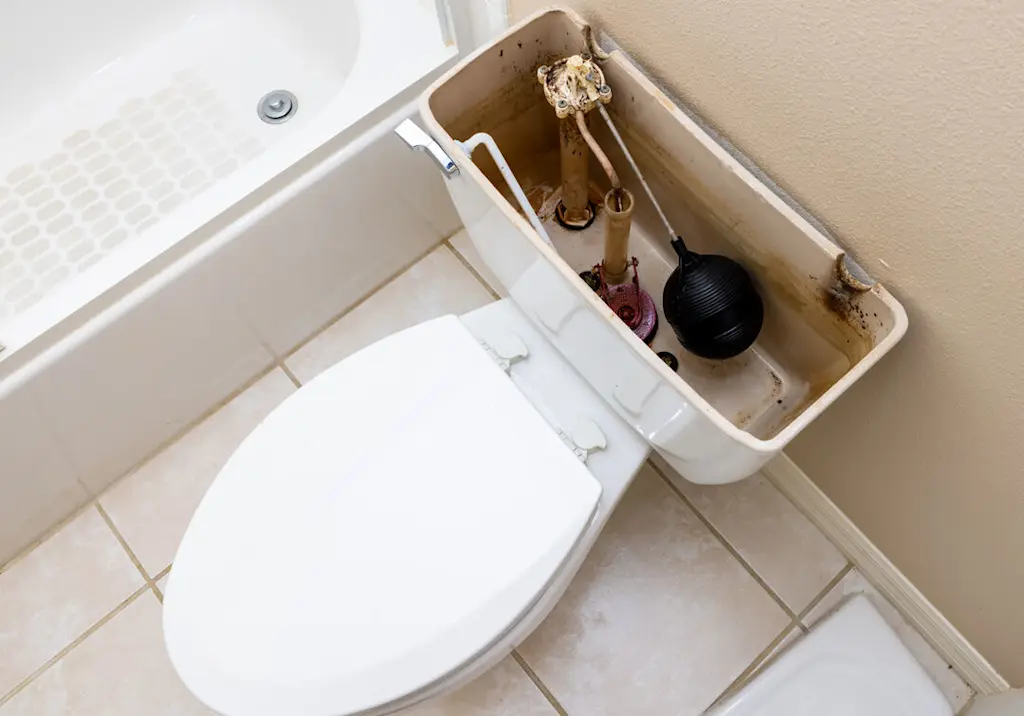
Lift the tank lid and inspect the components for obvious damage or wear
Identify the issue using the sections above, then either fix it yourself or call a professional

On Checkatrade, you'll only find trades who meet our high standards and pass up to 12 checks.
How to replace a flapper valve yourself
Stop and remove the water: turn off the supply, then flush to drain the tank
Remove the old flapper: disconnect it from the chain and lift it out of the valve seat
Fit the replacement: match the new flapper to your toilet's make and model, and check it creates a tight seal when closed
If you spot any cracks or damage elsewhere in the tank while you're in there, get a professional plumber to take a look before it becomes a bigger repair.

Find toilet repair services near me
If your toilet isn’t working properly or is wasting water, search for toilet repair near you with Checkatrade. All our tradespeople are committed to quality, so you can be sure of a job done right.
How to fix a leaking toilet cistern
A leaking cistern usually points to a faulty inlet valve, outlet valve or overflow pipe.
Turn off the water supply and flush to drain the cistern
Check the inlet valve for wear or damage - replace if faulty
Check the outlet valve the same way
Check the overflow pipe for blockage or damage, clearing or replacing as needed
If the issue persists after all three checks, it's likely a crack in the cistern itself or a deeper seal problem, and worth calling in a plumber to diagnose properly.
How much does it cost to fix a leaking toilet?
Costs vary depending on whether it's a simple flapper swap, a wax ring replacement, or a full toilet reseat, and whether you do it yourself or bring in a plumber.
If you have a bad leak and need to call an emergency plumber, that will also cost more.
Pricing will vary based on the nature of the repair needed, but we cover general costs on a range of our other articles:

Most leaking toilet repairs are a job for a plumber, but if the leak has already caused floor damage, you may also need a flooring specialist to make good afterwards.
How to prevent toilet leaks in future
Carry out regular checks of the flapper, seals and connections
Only ever flush toilet paper and human waste - foreign objects damage components and cause costly repairs
Keep an eye out for a toilet that rocks or feels loose, and address it before it becomes a base leak

Who to call to fix a leaking toilet
If you can't identify or fix the leak yourself - or it's a base leak requiring the toilet to be lifted - it's time to hire a professional plumber. They'll diagnose the exact cause, fix it properly the first time, and help prevent further water damage to your home.
Find reliable plumbers near you
Enter your postcode to find a top tradesperson near you
PlumbingHQ
10.00
(2 reviews)Services & skills
PlumberPlumbing RepairsBlocked BathsTap RepairWater Pumps InstallationMulti Skills.UK 24/7 Emergency
10.00
(313 reviews)Services & skills
PlumberPlumbing RepairsWater Supply Pipe RepairsGeneral PlumbingPower FlushingH2O Services
10.00
(8 reviews)Services & skills
PlumberPlumbing RepairsUnderfloor Heating RepairWater Leak DetectionWater Pumps RepairCertified Group Ltd
10.00
(256 reviews)Services & skills
PlumberPlumbing RepairsShower InstallationGeneral PlumbingRadiator Thermostat Valve RepairRapid Drainage and Plumbing
10.00
(264 reviews)Services & skills
PlumberPlumbing RepairsGeneral PlumbingWater Supply Pipe RepairsWater Mains Specialist (Pipe Replacement, Moling and Lead Pipes)Plumbing Circle
10.00
(182 reviews)Services & skills
PlumberPlumbing RepairsGeneral PlumbingRadiator InstallationWater Supply Pipe Repairs



Checklist: fixing a leaking toilet

Leaking toilet checklist
FAQs about leaking toilets
A base leak is almost always caused by a worn or improperly seated wax ring between the toilet and the drainpipe, though loose mounting bolts or a cracked bowl can also be the cause. A toilet that rocks or feels loose is often an early warning sign.
Yes. If the tank is cracked or damaged, you can remove and replace it without replacing the whole toilet, as long as the new tank is compatible with your existing bowl. Turn off the water, drain the tank, remove the securing nuts and bolts, then fit and secure the new tank.
This is usually a worn flapper valve. Turn off the water, drain the tank, then inspect and replace the flapper if it's damaged. Also check the chain connecting it to the flush handle isn't too tight or too loose, as this can stop the flapper sealing properly.
Check the connection between the fill valve and the supply pipe - tighten it if loose. If it's already secure, the fill valve itself may be faulty and need replacing.
A slow leak isn't usually an emergency, but it should still be fixed quickly - continuous leaking wastes water, pushes up your bill, and can damage flooring over time. A leak that's actively flooding the floor, or a leak you can't stop at the isolation valve, is worth treating as urgent.
A running toilet, a higher-than-usual water bill, or a faint trickling sound from the cistern can all indicate a leak even without visible pooling. A simple test is to add a few drops of food colouring to the tank - if colour appears in the bowl without flushing, you have a leak.

See the tradespeople we've checked for your job