EXPERT ADVICE
What do I do if I have no water?
Updated 07/26
By: Imogen Beech
Reviewed: Content Team
Discovering there's no water when you turn on a tap is always frustrating, but it's usually traceable to one of a small number of causes, and most have a straightforward first step you can try yourself.
How to work out if it's your supplier's problem or yours
The most common causes of no water at all
Step-by-step fixes for each
What's different if it's only hot or only cold water missing
How to fix low water pressure
When to call a plumber
Need help right away? Find a checked plumber near you below.
Find a plumber near you
I have no water in my house
Start with two quick checks:
Check all your taps, not just the one you first tried
Ask your neighbours if their supply is down too
If every tap in your home is dry and your neighbours are affected too, it's very likely a supply issue rather than your own plumbing, commonly a burst water main. Most UK water companies now have a live outage map or app where you can check for known issues in your area before calling. This is often faster than waiting on hold.
If you're the only one affected, the cause is almost certainly something in your own plumbing, covered below.

What causes no water in a house?
Stopcock closed
External stop valve closed
External stop valve leaking
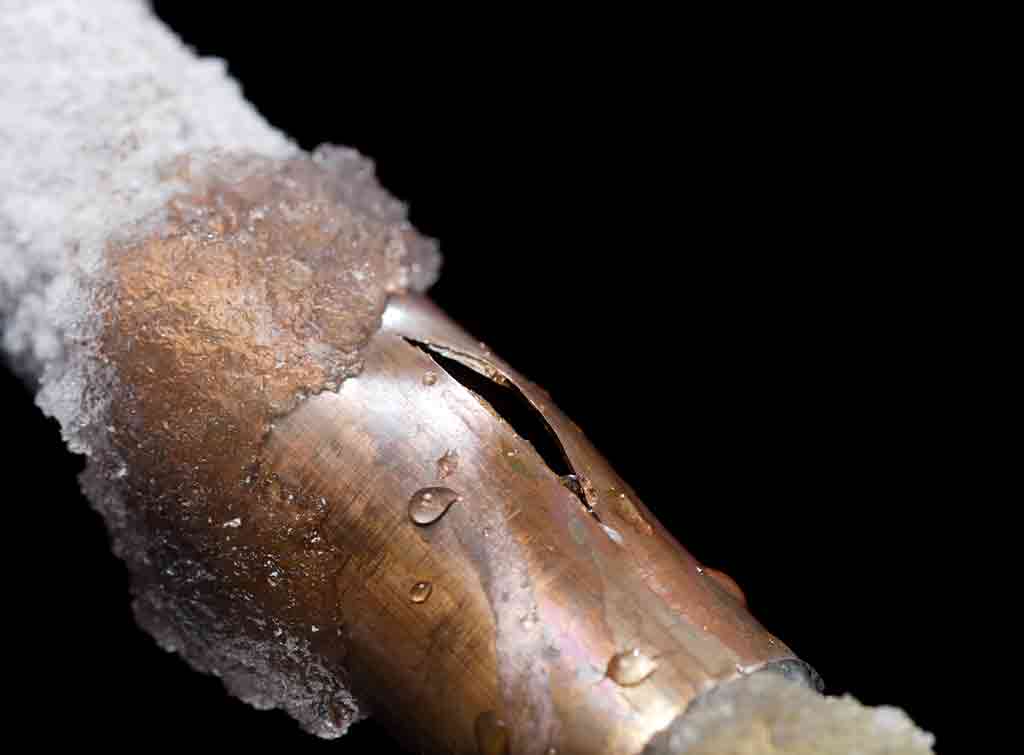
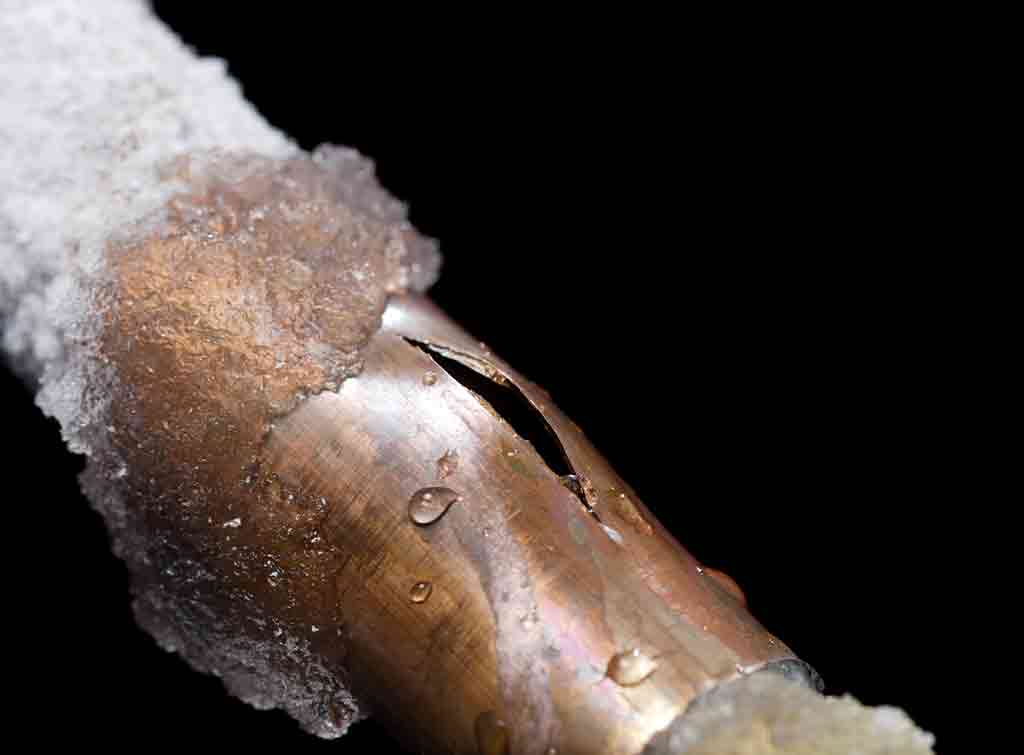
Frozen pipes
Clogged pipes
Stuck ball valve in your cold water cistern
A major leak somewhere in the home
Contacting a plumber is often the fastest, most reliable route to a fix, but there are a few things worth checking yourself first.
How to turn water back on
Stopcock closed
Your stopcock (the indoor stop valve controlling mains water into your home) is often under the kitchen sink. Turn your kitchen cold tap on low, then check the stopcock is turned fully anti-clockwise. If this was the issue, water should start running.
Outside stop valve closed
Usually near your property boundary, resembling a small drain cover, sometimes marked "W" or "water." Some homes share a supply with neighbouring properties. Open the cover and turn the valve fully anti-clockwise to check it's not restricting flow.

If it turns out to be a leak somewhere in your own plumbing rather than a closed valve, our guide on what to do about a burst water pipe covers the next steps.
Frozen pipes
More likely after a cold spell. If you have a modern condensing boiler, the plastic condensate pipe outside is a common culprit; pour warm (not boiling) water over it to melt any ice inside. Our guide on preventing frozen pipes covers how to stop this recurring.
Stuck ball valve in your cold water cistern
If the ball valve gets stuck, the tank empties and stops supplying your taps. Carefully pull the float arm free, clean it, and the tank should begin refilling.

On Checkatrade, you'll only find trades who meet our high standards and pass up to 12 checks.
No cold water but hot water works fine
Usually points to plumbing running through an uninsulated space, like an attic, where pipes can heat up in warmer months, making "cold" water run warm until it's flushed through. Run the tap until it cools as a quick fix; insulating the pipework and reducing the space's temperature is the longer-term solution.
No hot water but cold water works fine
This points to a boiler issue rather than a supply problem. Check the boiler's actually switched on, and that the timer and thermostat aren't set incorrectly. Check your consumer unit for a tripped fuse too. If none of this resolves it, our guide to common boiler faults covers next steps, and you'll likely need a Gas Safe engineer.
Fix low water pressure in the house
Some appliances and showers need a minimum pressure to work at all. Check valves are fully open first (as above), since a partially closed valve is a common, easily-missed cause. Our guide on fixing low water pressure covers other causes like leaking, blocked, or corroded pipes.
Plumber costs in the UK: 2026 price guide
Whether you are planning an exciting renovation or have a troublesome issue, our plumber cost guide contains daily, hourly and emergency rates.
When to call a plumber
If you've worked through the checks above and still have no water, or you suspect a hidden leak, it's worth calling a plumber sooner rather than later. A leak left unaddressed can cause increasing damage the longer it goes unnoticed.

Before you call a plumber
Find a local tradesperson
Find a plumber near you
FAQs
Check if neighbours are affected too. If they are, it's likely a supplier issue; check their outage map or app for updates. If you're the only one affected, it's likely a plumbing issue in your own home, and working through the causes above (or calling a plumber) is the next step.
If neighbours are affected too, it's almost certainly the supplier. If you're the only one without water, the cause is in your own plumbing.
Your water company is typically responsible for the supply pipe up to your property boundary; anything within your property, including the pipe running to your home, is usually your responsibility.

See the tradespeople we've checked for your job