PLANNING GUIDES
All you need to know about improving your driveway
Updated 02/26
By: Content Team
Reviewed: Laura Macdonald
Improving your driveway is one of the most effective ways to boost kerb appeal — but it’s not just about appearance.
Whether you’re refreshing tired concrete, stabilising gravel, or rethinking lighting and planting, the real difference comes from knowing what’s involved and planning carefully before you start.
A well-planned upgrade can improve drainage, durability, safety and long-term maintenance — as well as how your home looks from the street.
How to improve a concrete driveway or gravel driveway
Which upgrades make the biggest visual and practical difference
What preparation work may be needed before making changes
How disruption, drainage, and access affect your plans
When to refresh, resurface, or fully replace
Why improving your driveway needs careful planning
Driveway upgrades can look simple on the surface — but small decisions often have long-term consequences.
For example:
Changing edging can affect drainage direction
Sealing too early can trap moisture
Installing lighting means planning safe cable routes
Adding plants without root control can disturb paving
Spending a little time planning first helps you avoid redoing work later — and saves money and stress down the line.
Not sure if you have what it takes? Why not call in a dedicated local tradesperson first? They can help you plan and do the work, helping you get a job done right.
Find a local tradesperson
How to improve a concrete driveway
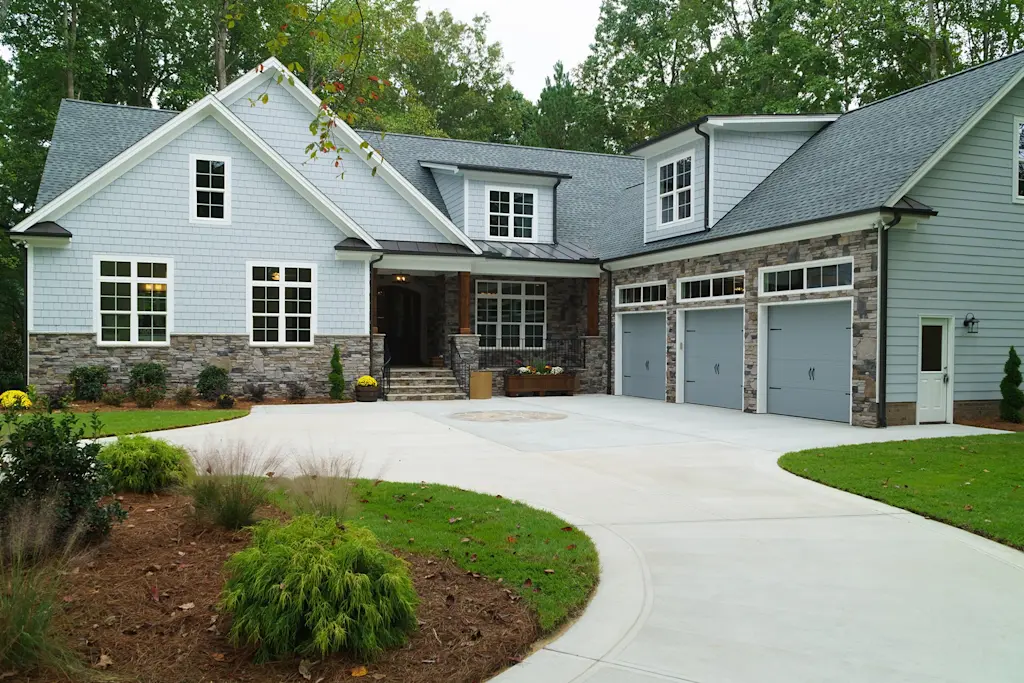
Concrete driveways are tough and long-lasting — but after a few years, they can start to look stained, weathered or patchy.
If you’re wondering how to improve a concrete driveway, the right approach depends on its condition — and how dramatic a change you’re hoping to achieve.
1. Clean and reseal
If the surface is structurally sound, a deep clean and reseal may be enough to transform it.
This usually involves:
Removing weeds and debris
Pressure washing carefully
Allowing the surface to dry completely
Repairing small cracks
Applying an appropriate sealer
Resealing helps protect against oil stains, moss and water penetration — and can noticeably freshen the colour of older concrete.
If cracks are widespread or the surface is uneven, resurfacing may be more effective — rather than simply covering up deeper issues.
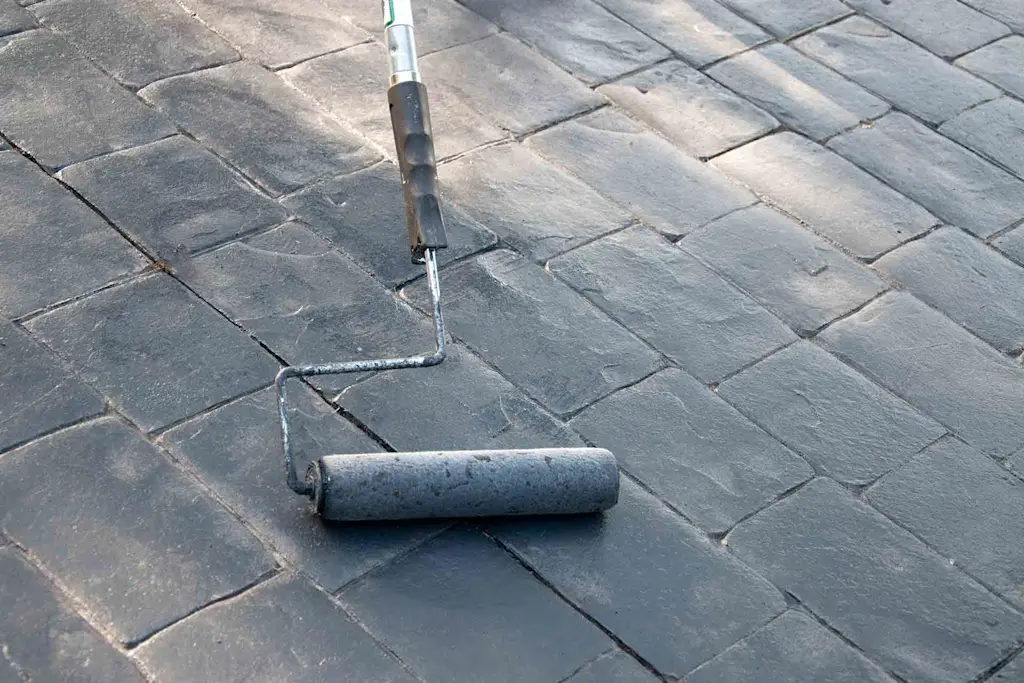
2. Resurface with a decorative overlay
Resurfacing involves applying a new top layer over existing concrete.
This can:
Change colour and texture
Introduce stamped patterns
Modernise an outdated finish
It’s suitable where the base slab remains stable and drainage falls are correct — and where you want a visual upgrade without full reconstruction.
3. Replace entirely
If the base has shifted or cracked significantly — or if drainage has failed — replacement may be the better long-term option.
In those cases, a professional assessment is worthwhile before investing further — especially if you’re planning other landscaping work at the same time.
How to improve a gravel driveway
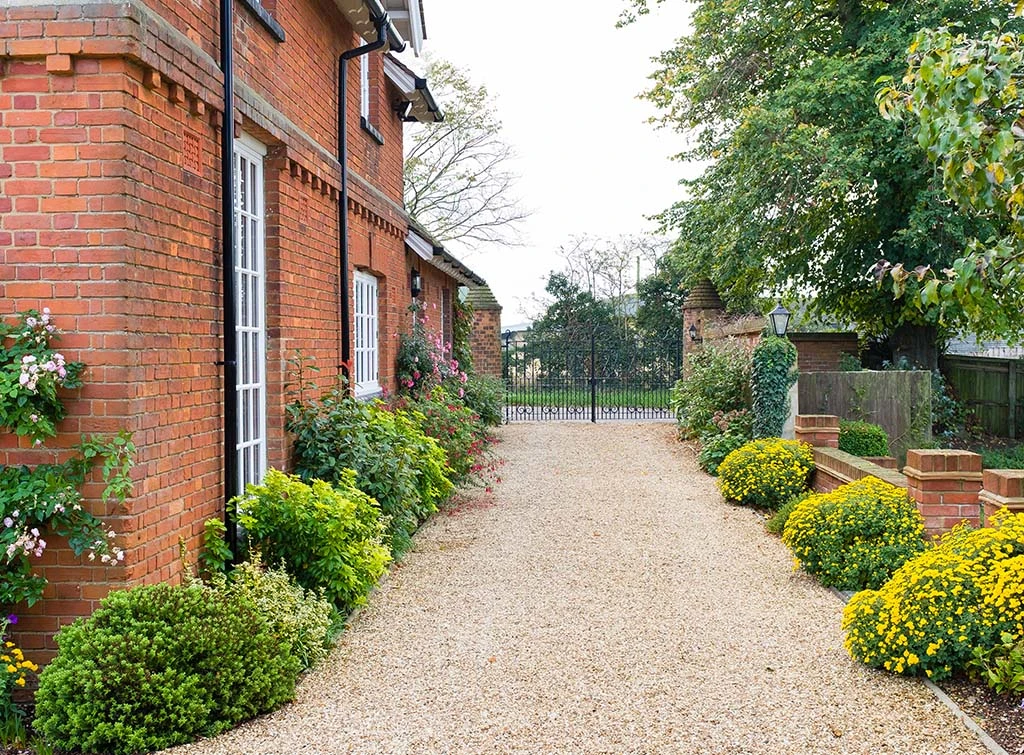
Gravel driveways are popular for good reason — they’re affordable and attractive — but without a bit of maintenance, they can quickly become uneven or messy.
If you're looking at how to improve a gravel driveway, stability and containment are usually the priority — rather than simply adding more gravel on top.
1. Improve edging
Without proper edging, gravel spreads and thins over time.
Adding defined borders:
Keeps gravel contained
Improves structure
Sharpens the overall appearance
Common options include stone kerbs, brick borders, metal edging and concrete restraints — each offering a slightly different finish and level of durability.
2. Install a stabilisation grid
If gravel shifts underfoot or under tyres, a stabilisation grid can make a noticeable difference.
Installed beneath the surface layer, it:
Prevents movement
Improves load distribution
Reduces rutting
It’s particularly useful on slopes or frequently used driveways — where standard gravel alone tends to spread.
3. Regrade and top up
Sometimes improvement simply means starting fresh at surface level.
That might involve:
Removing compacted or contaminated gravel
Levelling the base
Adding fresh gravel
Compacting properly
If pooling water is an issue, deeper groundwork may be needed — rather than just adjusting the surface layer.

Driveway ideas for maximum kerb appeal
We outline a selection of inspiring front driveway ideas, the benefits of each, and the key considerations to make when planning this exciting home renovation project.
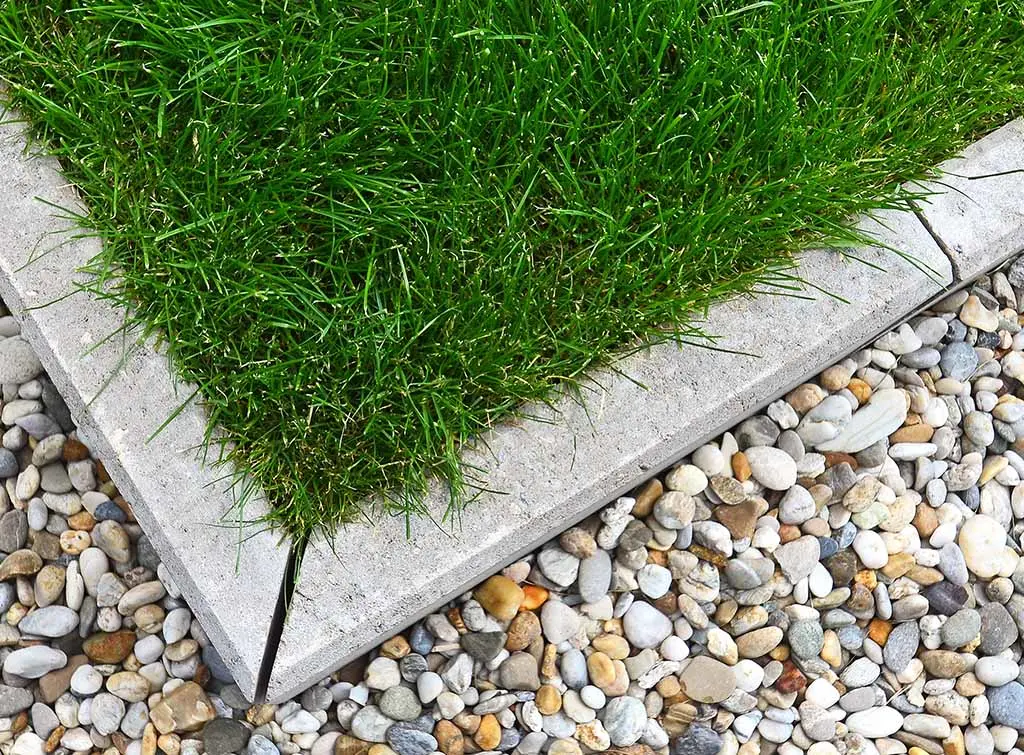
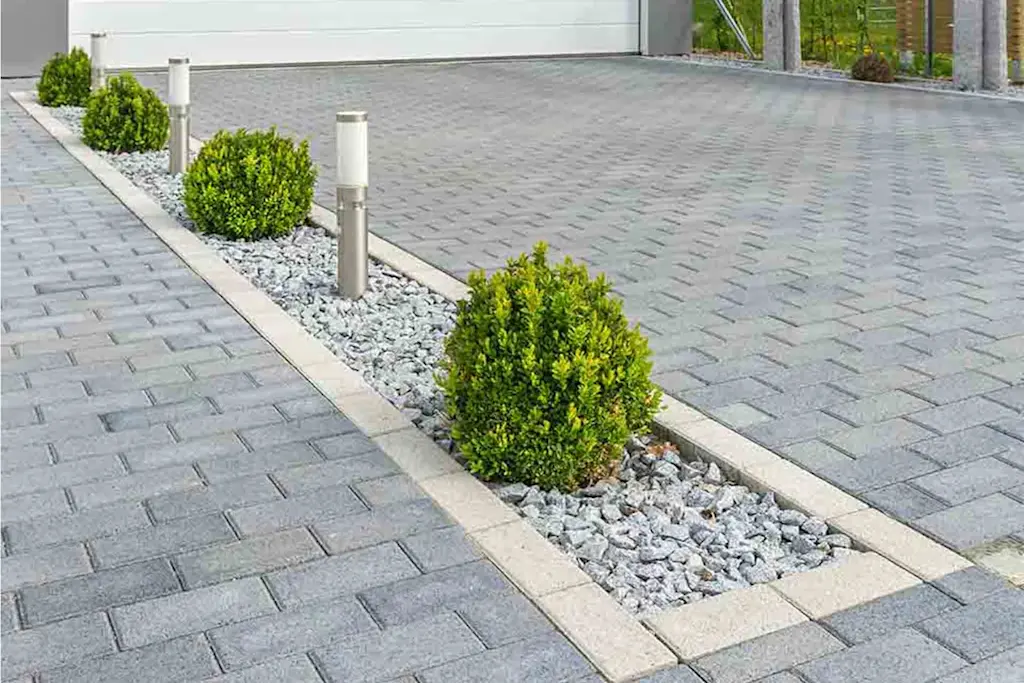
Add kerbs and edging for structure and style
Edging doesn’t just improve appearance — it supports performance.
Well-installed edging:
Improve containment
Support drainage direction
Prevent spreading or sinking
Create clean visual lines
Materials range from concrete and limestone to brick and sandstone.
If your driveway meets the pavement, check whether local authority rules apply before altering access points — particularly if you’re widening the entrance or dropping a kerb.
Add lighting safely
Lighting enhances both appearance and safety.
Options include:
Solar pathway lights
Low-level bollards
Recessed driveway lights
Motion-activated security lighting
If installing wired lighting, a qualified electrician should handle connections to ensure compliance with safety standards — especially if cabling runs beneath paving.
Plan cable runs early, before new paving or gravel goes down — that way you won’t have to lift materials later.
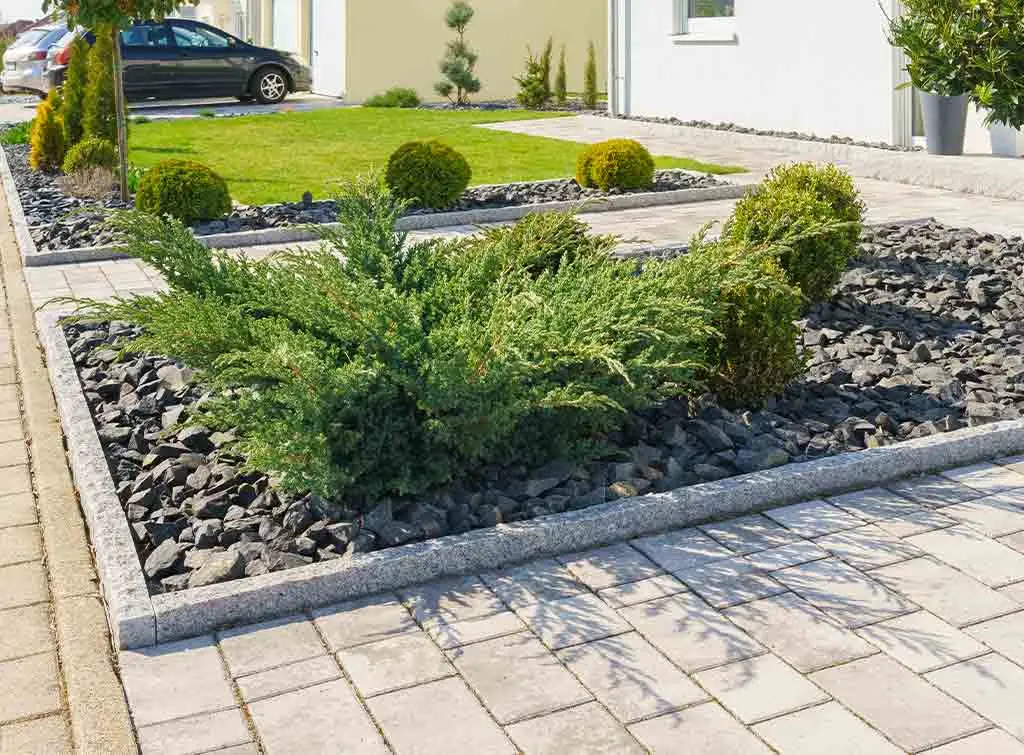
Add planting to soften hard landscaping
Plants can dramatically improve how a driveway looks — and even help with drainage and privacy. Consider:
Low-maintenance grasses
Lavender for fragrance
Raised beds along edges
Root-controlled shrubs
When planting near paving, make sure:
Roots won’t lift surfaces
Soil won’t wash onto the driveway
Drainage paths remain clear
Plants should enhance structure — not compromise it — so choosing the right species matters.
What preparation might be needed?
Before improving your driveway, assess:
Drainage direction
Surface cracks or movement
Base stability
Access for machinery
Electrical requirements
Some improvements are straightforward. Others involve digging down to the base — and that’s when professional input usually makes sense.
If you’re unsure whether your driveway’s base is sound, it’s better to check before investing in cosmetic upgrades.
Do you need planning permission to improve your driveway?
In many parts of the UK, replacing a front garden driveway larger than 5m² with a non-permeable surface may require planning permission — unless rainwater drains to a permeable area within your boundary.
Permeable driveway options include:
Gravel
Permeable block paving
Porous asphalt
If water is directed straight onto the road or pavement, permission is more likely to be required.
Planning rules can vary across the UK, so it’s always worth double-checking with your local authority before getting started.
If you’re unsure, a professional driveway contractor should also be able to advise based on experience in your area — they’ll be familiar with local authority expectations.
How disruptive is driveway improvement?
The level of disruption depends on the scale of work. For minor upgrades such as sealing or adding edging, disruption is usually minimal.
For resurfacing or replacement, expect:
Noise from cutting or excavation
Temporary loss of driveway access
Machinery on site
Drying or curing time before vehicles can return
Planning alternative parking in advance will help avoid inconvenience — particularly if the work lasts several days.
Should you seal your driveway?
Sealing can protect your driveway and enhance appearance — but timing matters.
For concrete or block paving, sealing typically follows:
Thorough cleaning
Weed removal
Joint refilling
A confirmed dry weather window
There are different types of sealers available — some focus on durability and waterproofing, while others enhance colour or keep a more natural finish. The right choice depends on the surface and the look you want to achieve.
Applying sealer to damp surfaces can lead to discolouration or poor bonding, which is why patience during preparation pays off. If you're unsure, it’s worth getting professional advice before sealing.
How much does it cost to improve a driveway?
The cost of improving a driveway will vary depending on whether you're:
Cleaning and sealing
Adding edging or lighting
Installing drainage solutions
Resurfacing
Replacing entirely
Some updates cost a few hundred pounds. A full resurface or replacement is a much bigger investment — but one that can add lasting value to your home. For detailed pricing, see our driveway cost guides — costs vary widely depending on material choice and size.

Planning checklist for driveway improvements
Thinking about hiring a professional?
"Great experience! The team did what they said they would do, on time, on budget and friendly. They were very helpful in working through any potential problems and decisions, as well as keeping mess to a minimum! I would strongly recommend them as a reliable team working to a high standard."
– Verified Checkatrade Review (Location BN20)
You can check out P&D Driveways' profile to see their credentials and read recent customer reviews in full.

Find driveway specialists near you
Improving your driveway can range from small cosmetic updates to full resurfacing.
Through Checkatrade, you can compare local tradespeople who are:
Checked – Passing up to 12 verification checks and committed to upholding the Checkatrade Standard
Reviewed – Verified reviews about real jobs on everything from communication, tidiness, timekeeping, and quality of work
Guaranteed – Work booked through Checkatrade is covered by our £1,000 guarantee (T&Cs apply)
When you’re ready to move forward, search your postcode to compare driveway specialists working in your area and request quotes with confidence.
Find a local tradesperson

You may need planning permission if you’re replacing a front driveway larger than 5m² with a non-permeable surface that doesn’t drain within your boundary. Rules vary across the UK, so always check with your local authority before starting work.
If the base is structurally sound, cleaning, repairing small cracks, and applying a suitable sealer can significantly improve the appearance of your driveway. Decorative resurfacing overlays are another option if you want to change colour or texture without full removal.
Improving edging and installing a stabilisation grid beneath a gravel driveway can reduce movement and rutting. Regrading and compacting the base properly also helps maintain an even surface.
Resurfacing a driveway is suitable if the base is stable and drainage works correctly. Replacement is usually necessary if there are structural cracks, subsidence or long-standing drainage problems.
Minor improvements such as driveway sealing may be completed in a day, but resurfacing or replacement can take several days depending on size and curing time. Access to the driveway may be restricted during this period.
Small cosmetic improvements like driveway cleaning or resealing may be manageable if you’re confident. Structural changes, resurfacing or drainage alterations are best handled by professionals to ensure safety, compliance, and long-term durability.
Sealing your driveway can help reduce weed growth by limiting moisture penetration, but it won’t eliminate weeds entirely. Proper preparation and joint maintenance are just as important.
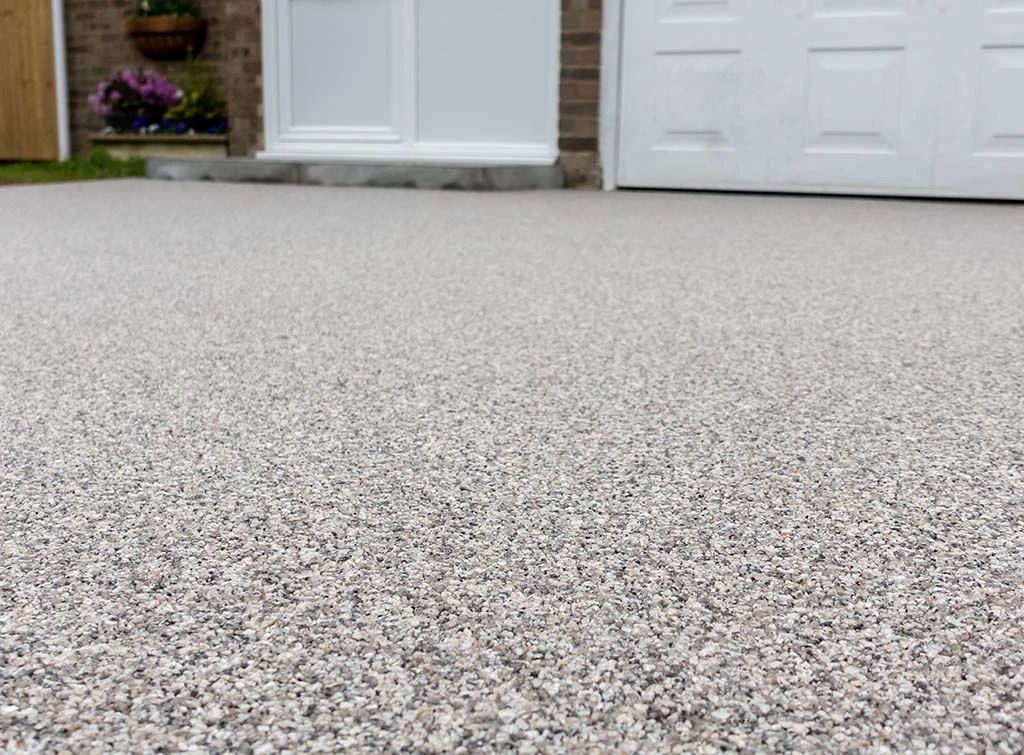
Permeable block paving, resin-bound systems and well-installed concrete are generally low-maintenance driveway options. The right choice depends on drainage needs, budget and the overall look you want to achieve.
See the tradespeople we've checked for your job