PLANNING GUIDES
Small wet rooms: your complete planning guide
Updated 05/26
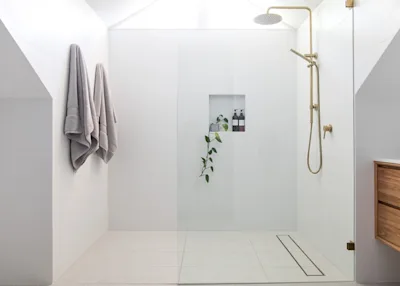
By: Content Team
Reviewed: Laura Macdonald
Wet rooms are no longer something you only see in luxury hotels or huge modern homes. A wet room in a small bathroom can work brilliantly when the layout, waterproofing and drainage are properly thought through. If you’re planning a small wet room, the challenge is creating a space that feels open and practical without compromising on drainage, waterproofing or day-to-day comfort. Done well, a wet room can make a compact bathroom feel calmer, more spacious and easier to use. But if key details are overlooked — particularly around drainage or waterproofing — problems like standing water, leaks, damp and mould can become expensive to put right later on.
Whether your bathroom is big enough for a wet room
How to make a small wet room feel more spacious
The difference between a wet room and a walk-in shower
Why waterproofing and drainage planning matter so much
What to think about before installation begins
Why planning matters more in a small wet room
A good small wet room layout can make even compact bathrooms feel surprisingly practical and comfortable to use.
Because there’s less space to work with, small design decisions can have a big impact on:
Drainage performance
Cleaning and maintenance
How spacious the room feels
Day-to-day comfort
Storage practicality
For example, choosing oversized tiles with fewer grout lines can make a room feel calmer and less visually busy. Equally, placing the drain in the wrong position can leave water sitting where you walk most often.
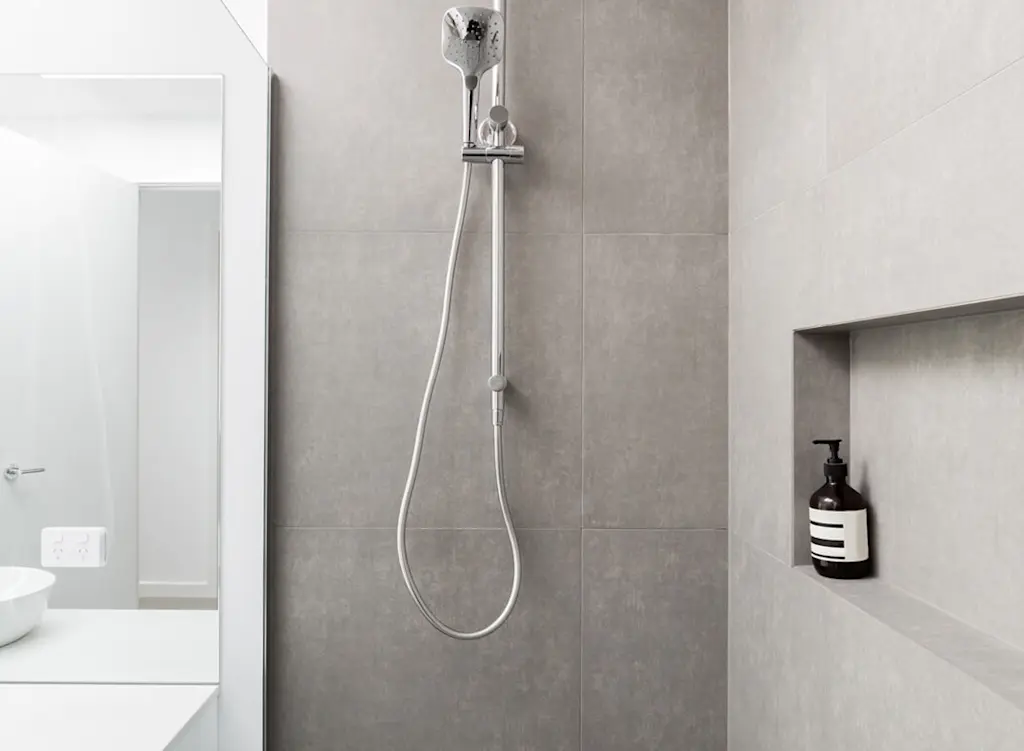
What is a wet room?
A wet room is a fully waterproofed bathroom where the shower drains directly through the floor, rather than into a shower tray.
Because the floor is level throughout the room, wet rooms can create a more open, streamlined feel, which is one reason they’ve become so popular in smaller bathrooms.
However, that open design also means drainage, waterproofing and layout planning become especially important.
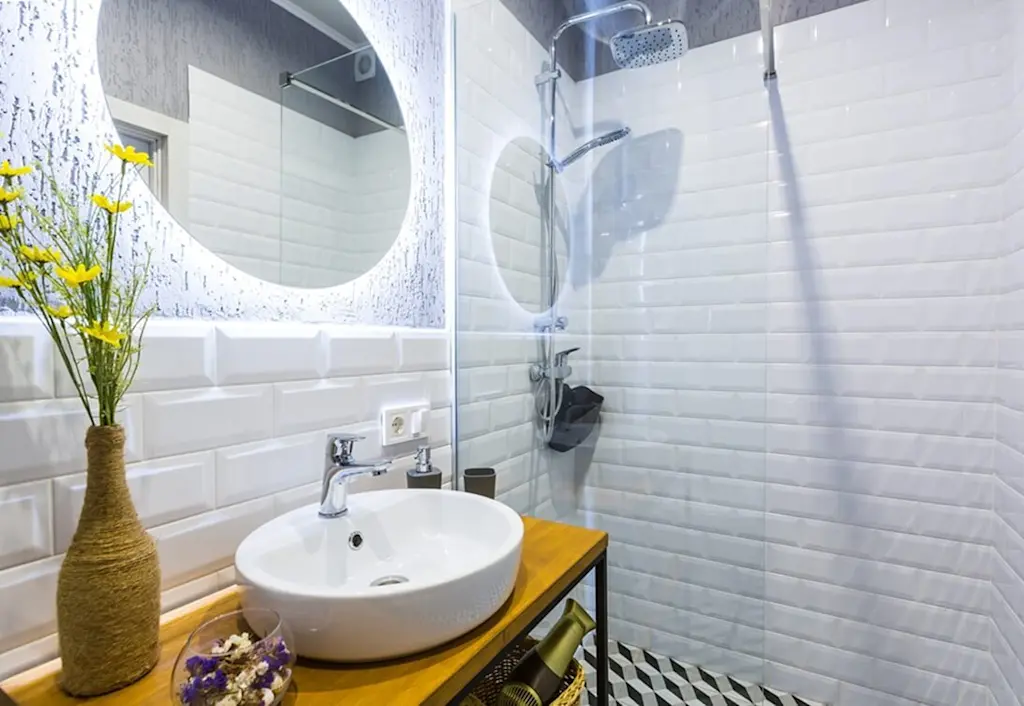
Wet room vs walk-in shower: what’s the difference?
If you’re renovating a small bathroom, you’ll probably end up comparing a wet room with a walk-in shower.
Although they look similar, there are some important differences.
Wet room
A wet room is fully waterproofed, with water draining directly through the floor.
There’s no shower tray or full enclosure, which gives you more flexibility with layout and can make smaller bathrooms feel more open.
Walk-in shower
A walk-in shower still uses a shower tray or contained shower area. This creates a subtle visual boundary, which some people prefer. Others find it interrupts the open feel they're after.
Walk-in showers are often slightly easier and cheaper to install because less of the room needs waterproofing.
In smaller bathrooms, the decision often comes down to:
Budget
Subfloor type
Drainage feasibility
Whether you want a completely open look
For some homeowners, a walk-in shower offers a good middle ground between practicality and appearance.
If you’re undecided, a good installer will usually talk you through the pros and cons of each option based on your layout, budget and how you use the space day to day. Sometimes a walk-in shower ends up being the more practical solution, even if you originally had a full wet room in mind.
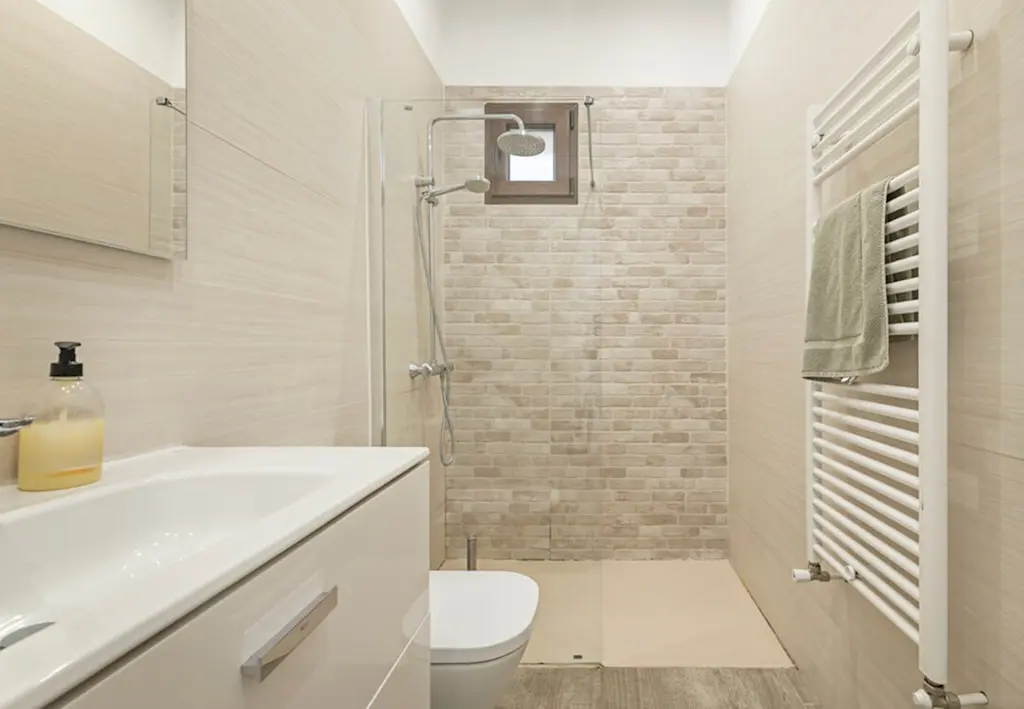
Is there a minimum size for a wet room?
Most bathroom specialists recommend a minimum space of around 1.5m x 1m for a practical wet room. Fortunately, the average UK bathroom is usually larger than this, so many homes can accommodate one, even if the room feels relatively compact now.
The real challenge in a small wet room usually isn’t fitting the shower itself. It’s making sure the space still feels comfortable and practical once you’ve added:
A toilet
A basin
Storage
Enough movement space
It’s also worth thinking carefully about splash zones. In tighter layouts, towels, toilet roll and storage units can easily end up too close to the shower area if the room isn’t planned carefully.
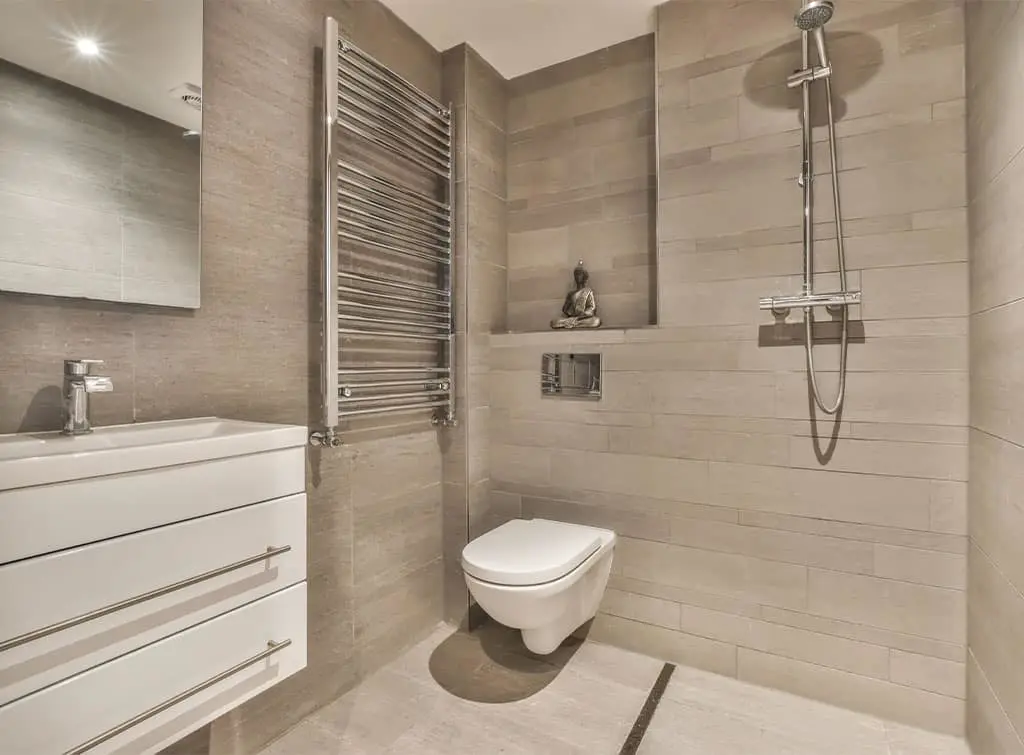
In very small bathrooms, wall-hung toilets and floating vanity units can make the room feel more open because more of the floor is visible.
How to make the most of space in a small wet room
One of the biggest advantages of a wet room is that removing the shower tray and enclosure instantly frees up visual space.
Good small wet room design is often less about squeezing more in and more about making the space feel calm, open and easy to move around.
A few clever design decisions can make a small bathroom feel much larger than it really is.
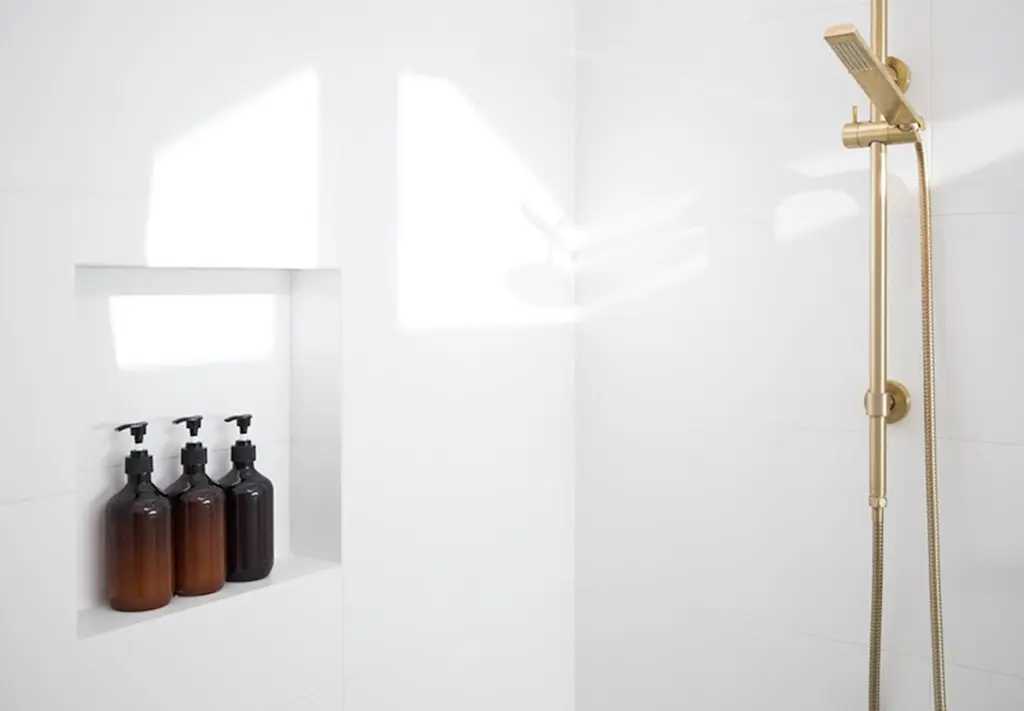
1. Build storage into the walls
Recessed shelving or shower niches help keep bottles and toiletries off the floor without making the room feel crowded.
Built-in storage tends to work better than freestanding units in smaller wet rooms.
2. Keep floor and wall finishes consistent
Using matching or similar tiles across the floor and walls creates a more seamless look.
Too many abrupt colour or tile changes can make a small wet room feel busier and more enclosed.
3. Use mirrors carefully
A large mirror — or mirrors positioned opposite one another — can reflect light and create more visual depth.
Even narrow bathrooms often feel more open once mirrors are introduced properly.
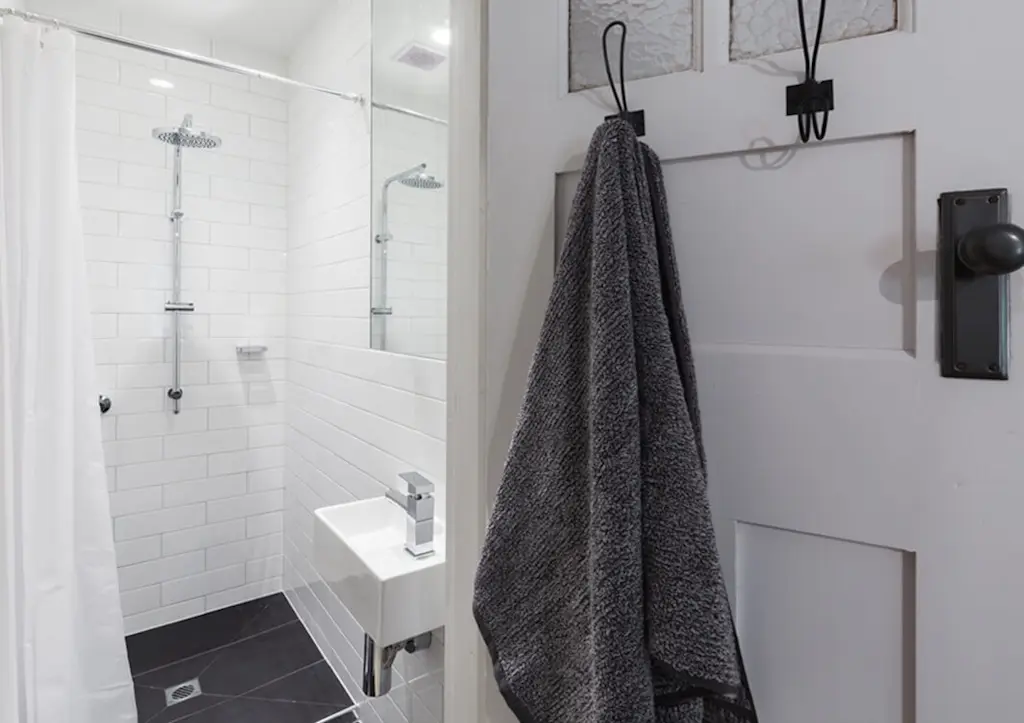
4. Think about towel placement early
This sounds obvious, but it’s often overlooked.
In compact wet rooms, towels and toilet paper can easily end up in the direct splash zone if storage isn’t planned from the start.
In many small wet rooms, homeowners place towel rails just outside the main shower area, often beside the door or above a radiator, to keep towels dry while still within easy reach. Recessed shelving or wall niches can also help keep toilet rolls and toiletries away from direct shower spray.
5. Consider wall-hung fittings
Wall-mounted toilets and basins help expose more floor area underneath, which can make the room feel lighter and less cramped.
Colour and tile ideas for small wet rooms
If you’re looking for small wet room ideas, colour, texture and tile choice can completely change how spacious the room feels.
People often assume small bathrooms should always be light and bright, but darker schemes can actually work really well in compact wet rooms.
Deep colours paired with consistent tiling can make the room feel deliberate and cocooning rather than just ‘small’.
If you prefer lighter colours, keeping tones fairly consistent throughout the room usually helps the space feel calmer and less broken up.
Textured tiles can also add visual interest without making the room feel busy.
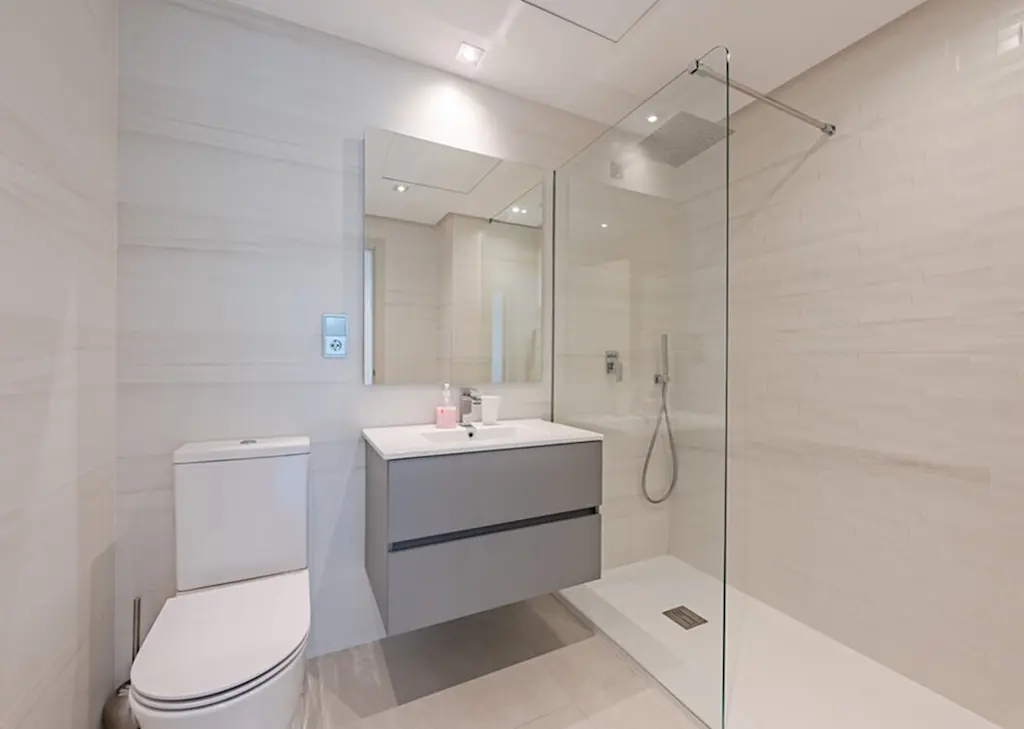
Large-format tiles are often a smart choice in smaller wet rooms because fewer grout lines create a cleaner, less cluttered look.
What does wet room installation involve?
Although layouts vary, most wet room installations follow a similar process.
1. Preparing the floor
The existing floor is checked for movement, strength and suitability.
If the floor flexes too much, additional strengthening may be needed before waterproofing begins.
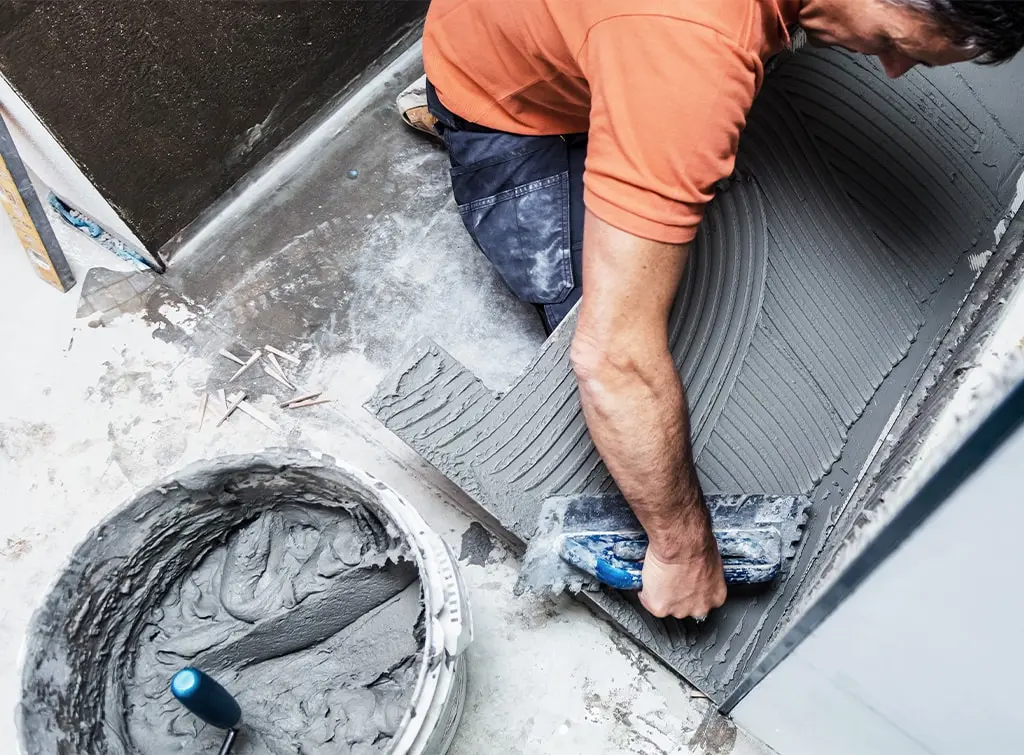
2. Creating the floor fall
The floor needs a slight gradient (typically 1:80) so water naturally drains away.
This is one of the most important technical parts of the installation.
3. Waterproof tanking
A waterproof membrane is applied beneath the tiles to protect the surrounding structure.
Corners, joints and drain areas all need careful sealing.
4. Tiling and fitting sanitaryware
Once waterproofing has cured, tiles, screens, toilets and basins can be installed.
Wet room floors also need specialist waterproof grouting designed for constantly wet environments.
5. Final sealing and testing
The installer checks drainage flow, sealing and water runoff before the room is fully finished.
On timber floors, extra preparation is often needed before waterproofing begins. Natural movement in wooden subfloors can eventually cause grout or tiles to crack if the floor hasn’t been stabilised properly first. An experienced wet room installer will know how to prepare and reinforce the floor properly before tanking begins.
Why waterproofing matters so much in a wet room
With wet rooms, the part you don’t see is actually the most important.
Every wet room needs proper waterproofing (often called wet room tanking) beneath the tiles.
This creates a watertight barrier that stops moisture reaching the walls and floor structure underneath.
Without proper tanking, water can slowly seep into:
Subfloors
Joists
Wall cavities
And over time, this can lead to damp, mould, rot and expensive structural repairs.
In upstairs bathrooms especially, getting waterproofing right is absolutely essential.
Wet room problems don’t always appear immediately. Poor waterproofing can take months, sometimes years, to show itself, which is why installation quality is really important.
How disruptive is wet room installation?
Wet room installation is usually more involved than replacing a standard shower enclosure.
Depending on the condition of your existing bathroom, the work may involve:
Removing old flooring
Altering pipework
Adjusting floor levels
Strengthening timber floors
Re-routing drainage
For a small wet room, installation often takes several days to a week depending on complexity. During this time, the bathroom may be unusable.
If your home only has one bathroom, it’s worth discussing temporary arrangements with your installer before work begins.
Do you need a professional wet room installer?
Wet rooms are one of the least forgiving bathroom projects when it comes to installation mistakes.
Problems with drainage falls, waterproofing, tanking membranes, pipework, and tile sealing can all lead to long-term water damage if handled incorrectly.
A professional installer can also advise whether your existing floor structure is suitable — particularly in older homes or upstairs bathrooms.
There’s also the reassurance of knowing the work meets current building regulations and won’t create issues with insurance later on.
Some waterproofing systems and drainage products only carry manufacturer warranties when installed by approved professionals.
How much does a small wet room cost?
Wet room installation costs in the UK can vary significantly depending on:
Room size
Drainage alterations
Tile choice
Waterproofing system
Whether structural floor work is needed
As a rough guide, wet room projects tend to fall somewhere between £5,000 and £13,000.
Upstairs bathrooms and timber floors often increase the installation complexity and cost.
For a clearer breakdown of pricing, materials and labour, see our wet room cost guide.

Planning checklist before installing a small wet room
Thinking about hiring a professional?
"Pebble Beach were fantastic from when we first contacted them via Checkatrade. Communication was great, the quote was timely and thorough, and the start date was accurate (well worth the wait!) The team were professional and respectful and very careful with the house cat! The end result is just perfect, great quality of work. Can’t recommend David and the team highly enough!"
– Verified Checkatrade Review (Location BN1)
You can check out Pebble Beach Plumbing's profile to see their credentials and read recent customer reviews in full.

Find checked wet room fitters near you
Installing a wet room involves much more than simply tiling a bathroom, so choosing the right tradesperson matters.
Through Checkatrade, you can compare local tradespeople who are:
Checked – Passing up to 12 verification checks and committed to upholding the Checkatrade Standard
Reviewed – Verified reviews about real jobs on everything from communication, tidiness, timekeeping, and quality of work
Guaranteed – Work booked through Checkatrade is covered by our £1,000 guarantee (T&Cs apply)
When you’re ready to move forward, search your postcode to compare checked wet room fitters working in your area and request quotes with confidence.
Find checked wet room fitters working in your area

Yes. Many wet rooms are designed specifically for compact bathrooms. Careful planning around layout, drainage and storage becomes especially important in smaller spaces.
You can put a wet room in an upstairs bathroom, but they usually need particularly careful waterproofing and floor preparation to protect the structure below.
Not necessarily. Good drainage, thoughtful screen placement and careful layout planning can help keep splashing manageable, even in smaller rooms.
A well-designed wet room can make a property more attractive to buyers, particularly in homes with small or dated bathrooms.
Many homeowners genuinely find wet rooms easier to clean because there are fewer trays, screens and corners for dirt and limescale to collect around.
Slip-resistant porcelain tiles are one of the most popular choices for wet room flooring because they’re durable, water-resistant and available in a wide range of finishes.
You can install a wet room in a small flat, provided there is adequate drainage and the floor structure can be adapted for the required fall. An experienced wet room fitter can assess your specific situation and let you know if it’s feasible.
See the tradespeople we've checked for your job