EXPERT ADVICE
How can I improve my loft space?
Updated 11/24
By: Lara Sargent

Improving your loft space has so many benefits. It can mean an extra room, more storage and increased energy efficiency. Discover how to unlock the potential of your loft space with our guide to loft improvements.

Lara Sargent
Lara loves writing about every aspect of the home – from the latest colour trends to emerging designs. She has a lot of experience writing about home trends and interior advice for leading titles such as The Telegraph, Metro, and Homes & Gardens.
All too often, lofts are an abandoned and unused space in our homes. With this guide, learn how to improve your loft space so you can maximise storage or expand your living space at home.
How can I improve my loft space?
From loft boarding to built-in storage, there are several ways you can physically improve an empty loft space and make it a usable part of your property.
Here are the main loft improvements to consider (and we'll go into more detail about):
Adding insulation
Boarding the loft
Reinforcing the floor
Adding loft conversion stairs
Installing skylights or dormer windows
Creating built-in storage
Plasterboarding the walls and ceilings
Installing plumbing or electric work
Hiring a loft specialist is a worthwhile investment. While confident DIY-ers might tackle a loft insulation job - don't try to DIY a loft conversion.
Loft specialists are skilled and experienced professionals who can convert, renovate and improve your loft space.
They have in-depth knowledge of legal requirements and local building regulations to convert your attic safely.
Find a local tradesperson
Laying insulation
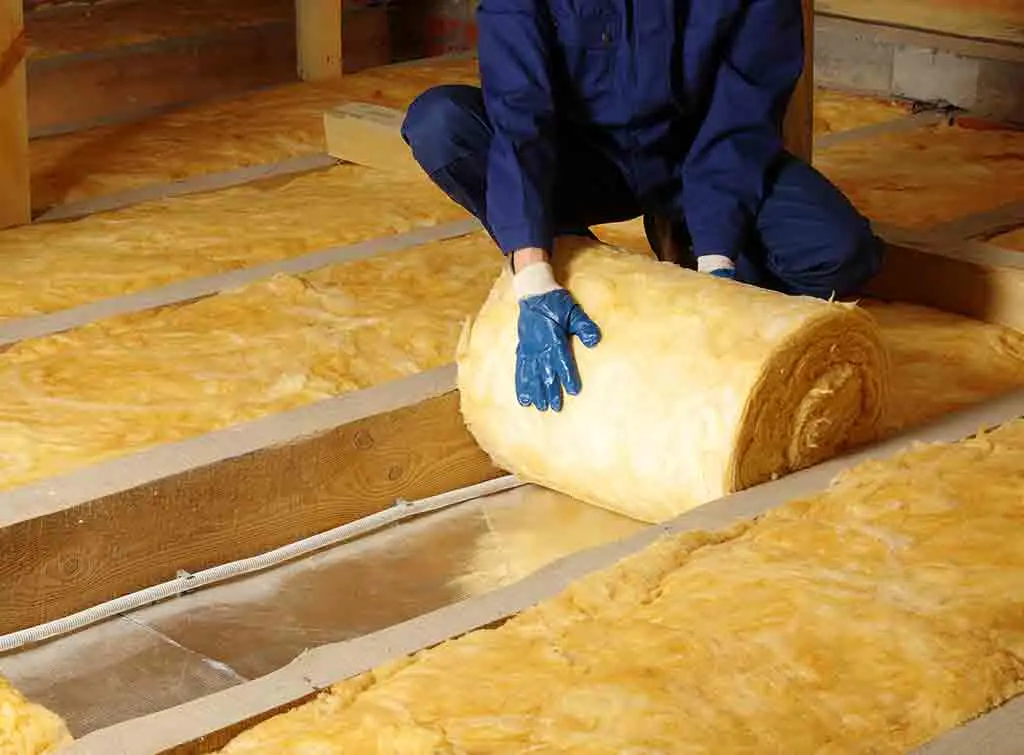
With a quarter of heat lost through the roof in an uninsulated home, internal loft lining is one of the most effective ways to improve your loft space and save energy and money. It’s well worth the investment.
If you’re a confident DIYer, insulating the loft yourself could save you money and labour costs. You’ll still need to pay for the materials and tools, but doing the work yourself can reduce costs.
However, we’d recommend hiring a professional loft lining installer for best results.
Insulating your loft is not as simple as going out and buying insulation. There are a few different methods of insulating your loft including
Blanket loft insulation
Loose-fill or blown fibre insulation
Sheet loft insulation
Spray foam insulation
Deciding which loft insulation is best for your space will depend on the accessibility of the loft space - and your budget.
That's where a loft lining expert can help.
For advice on insulating the loft yourself head to our handy guide. If you're not confident this is a job for you and are considering hiring a professional, please see our loft insulation cost guide.
Here we dive deeper into the world of loft insulation, the prices you can expect to pay, plus, the savings you can look forward to.
Please note – Some mortgage lenders may refuse to lend on a house with spray foam insulation. This is because spray foam insulation can restrict air circulation in the loft, which could lead to condensation and weakening of the roof supports. If in doubt, we recommend speaking to a mortgage broker for advice.
Boarding the loft
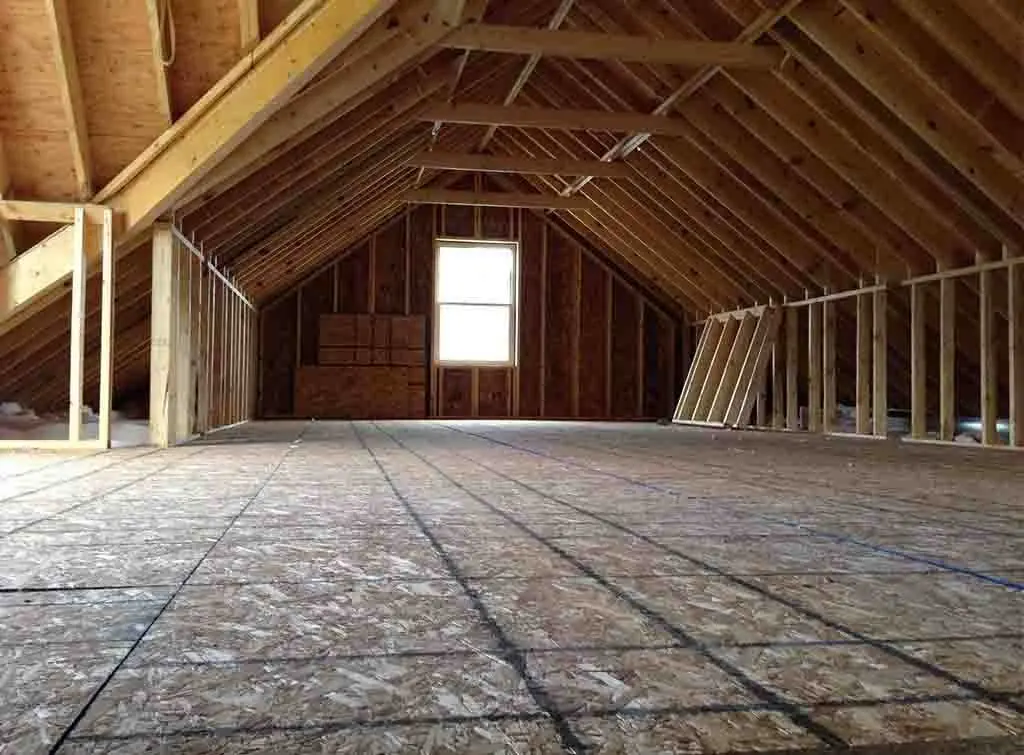
Laying loft boards is a great way to improve your loft space and an ideal solution if your home needs more storage.
Not only does boarding your loft space create more usable storage, but it can add other benefits, too.
Increased property value
Good storage is a big selling point. A home full of clutter can put off prospective buyers and signal that the property lacks storage space.
Boarding out the loft and creating a place for everything is a good move if you’re considering selling. It’ll increase your property’s appeal with potential buyers and could add value to your home.
Improved energy efficiency
Laying loft boards can also help improve your home’s insulation, increase energy efficiency, and lower your heating bills.
Easier access and improved safety
Loft boarding also makes it easier to access stored items by providing a safe and stable surface to walk on.
Storing belongings in a loft space that hasn’t been boarded can be dangerous and compromise the loft insulation.
Learn how to board your loft with our useful guide. We cover everything from the best way to board loft designs to how to board a loft over insulation.
If you’re looking for a professional to help you out, then use our free search tool.
Find a local tradesperson
Adding loft ladders and stairs
Having your loft converted into a habitable room will boost living space and upgrade your home.
However, when planning loft transformations, it's important to carefully consider how you'll access the new space.
This is where loft conversion stairs play a key role. There are a wide variety of different options available including ladder staircases and spiral staircases.
Picking the right type of stairs for loft improvements is an important decision
Choosing the best staircase for your budget depends on the layout, headroom, and access to your loft
You also need to choose the best location for your loft conversion stairs
Head to our loft conversion stairs guide, which is packed with advice to support you through the process
Speak to a local expert if you're struggling. We'd recommend working with a professional on this project to ensure your stairs comply with building regulations and are safe to use
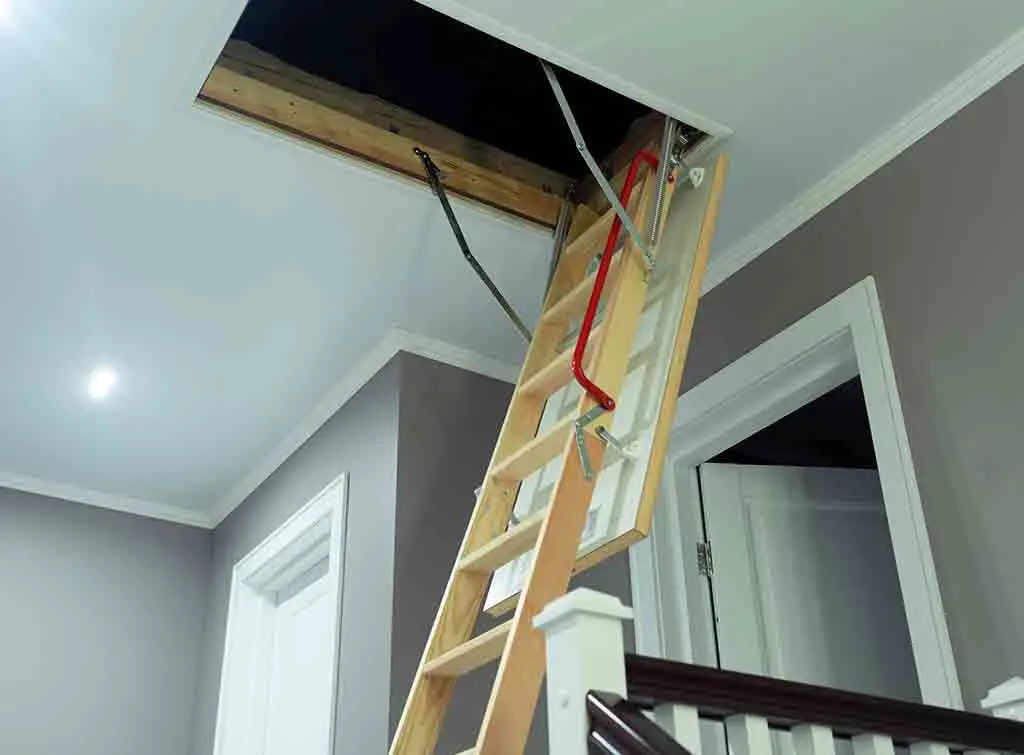
If you are planning to use your loft for storage, rather than an extra room, you'll still need to think about access with a loft hatch and loft ladders.
The cost to install a loft ladder depends on two factors: the first is the type of ladder you’re looking for, and the second is whether a new hatch is required
For example, aluminium sliding ladders will cost less than concertina or telescopic ladders, whereas bespoke folding ladders will cost more than other options
If any of the ladders also require a hatch installation, the cost of materials and labour will increase
This is because a hatch needs to consider ease of access and be able to withstand the weight and bulk of the chosen ladder. It also needs to avoid weakening the roof or causing any structural irregularities
Head to our loft ladder installation cost guide for a detailed breakdown and how much you can expect to pay.
Installing skylights and dormer windows
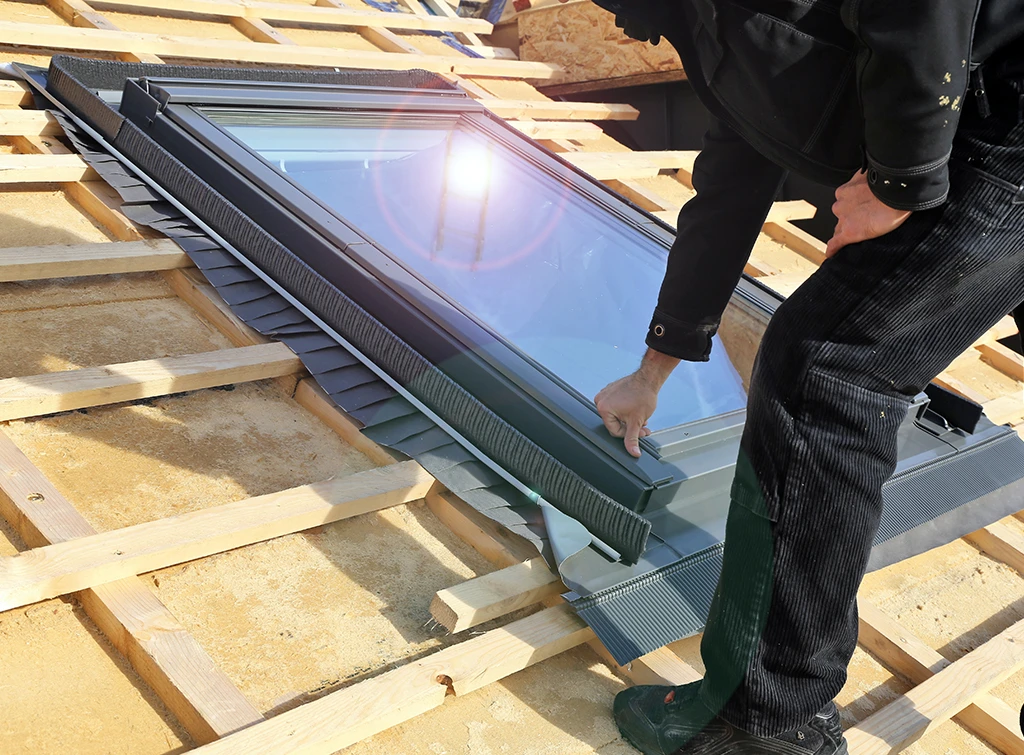
Successful loft transformations need good light. That's why installing skylights and dormer windows is a key improvement for all loft designs.
Before buying a skylight, you need to determine what type of roof window will work best and where on your roof it should be placed.
Skylight types
Though the terms are used interchangeably, there are slight differences between skylights, roof windows and Velux windows.
Also known as a roof light, a skylight is a window installed into the roof of a building to draw in natural light and boost airflow.
Thankfully, recent developments in skylight technology, such as sun-tracking, has helped to reduce issues including excessive heat loss, light pooling and glare.
Types of skylights include:
Fixed unit skylights
Open skylight
Operable skylight
Retractable skylight
Tubular skylight
Roof windows
Velux windows
There are several factors to consider to ensure the windows in your loft conversion comply with building regulations. That's why we'd always recommend hiring an expert who will have knowledge of every aspect of loft conversion planning.
Loft storage
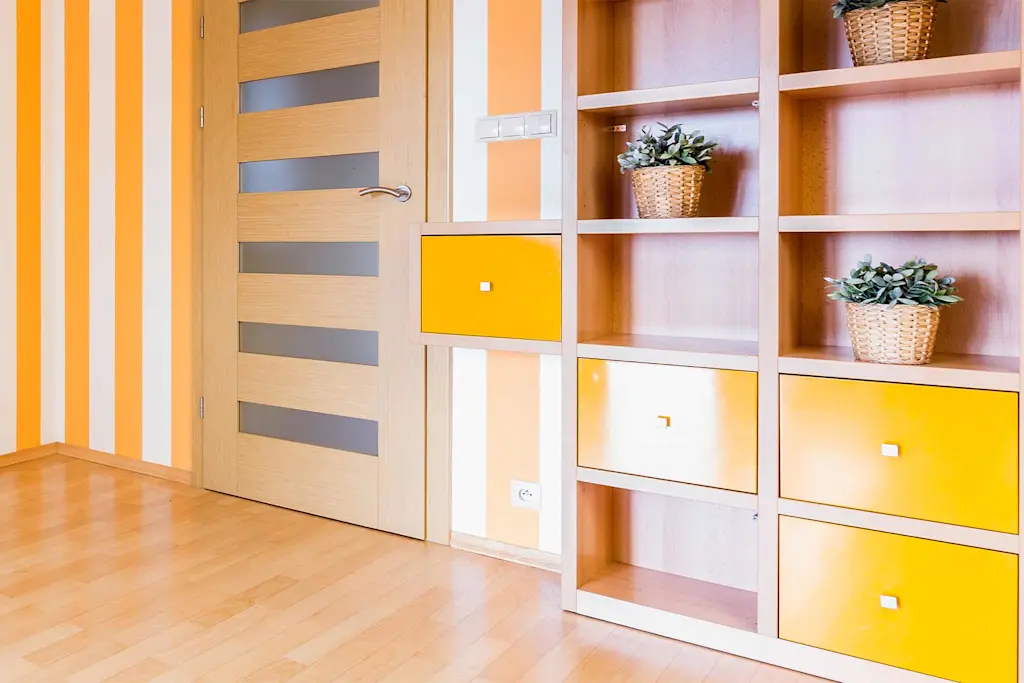
Lofts are useful spaces to store your possessions and keep your home neat, well-organised and clutter free.
So as far as loft transformations go, creating efficient storage in your attic is an improvement that will benefit the entire household.
However, your loft storage needs careful planning to get the most out of the space and help keep track of what’s up there.
Once you’ve had your loft boarded, here are a few extra tips to make the most out of your loft storage:
Consider widening the loft opening to make it easier to use
Install a safe and easy to use ladder. This will make accessing your loft less difficult and save you time
Add lighting to increase visibility. This way, you will be able to spot what you are looking for quickly; plus, it will help when organising your loft
Look into storage boxes and shelves to utilise the space available. This will also help with keeping your loft tidy and clean
FAQs
How to make loft space usable?
Whether you want an extra bedroom or a storage hub, there are so many different ways to make loft space usable.
These include laying lofts boards, installing insulation, making the most of natural light and hiring a carpenter to build an efficient storage wall.
The key is to understand your needs. Ask yourself, what is the main priority for improving your loft space?
Once you've worked out whether you need an extra bedroom or require improved energy efficiency, you can hire a loft specialist to make your dreams a reality.
How can I increase my loft space?
There are many ways to increase the space in your loft. These include raising the roof, lowering the ceiling height in the rooms below and using thinner insulation.
However, as well as structural changes, try these tips and tricks to create the feeling of more space:
Add dormer windows to let in more natural light
Decorate with light colours
Use mirrors to reflect light and space
Go for built in storage
How do I reinforce the floor in my loft?
The floor of a loft is usually designed to support the weight of a person moving around in the loft. But when weight is added, the floor can weaken and cause problems.
By reinforcing your loft, you will protect your ceiling and improve your attic.
Loft reinforcement measures include:
Inspecting the joists and loft flooring for damage or rot and replacing any joists not in a good condition
Making sure the materials used are strong enough to hold the weight of the items you plan to store in the loft
Using loft supports and loft legs to raise your loft floor and create space for storage
Ensuring everything is properly secured
Can you lay loft insulation over boards?
You can lay an extra layer of loft insulation over boards to improve thermal performance. But it's a good idea to leave the insulation short at the eaves though to ensure there is adequate ventilation in the loft space.
Don't forget, you'll lose storage space this way though.
Ideally you should install loft boards above insulation and use loft leg supports to avoid compressing the insulation. It will help ensure your choice of loft lining is working to its maximum potential.
Find a local tradesperson

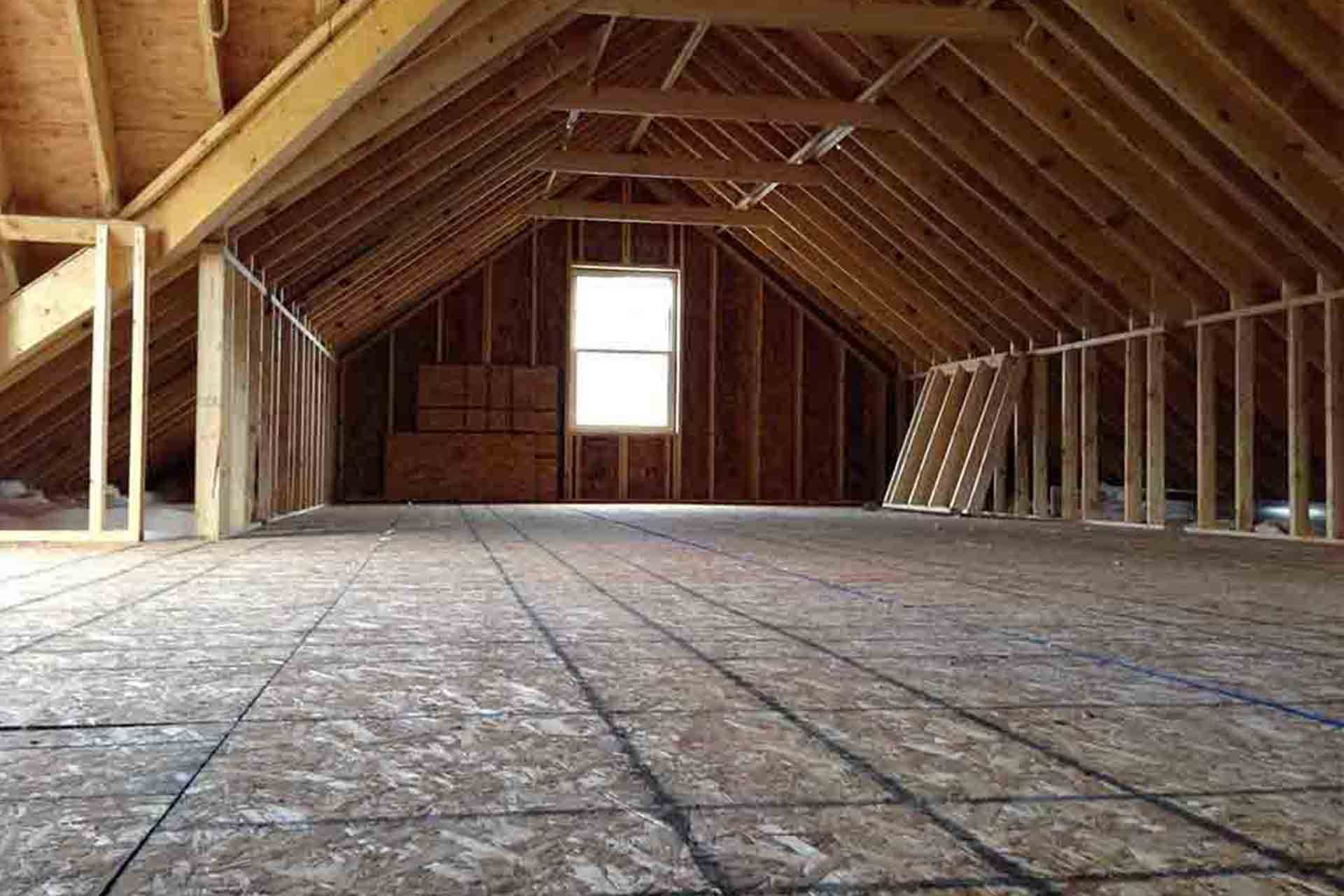

See the tradespeople we've checked for your job