EXPERT ADVICE
Leak at your water meter connection – what to do?
Updated 08/26
By: Emma Potter
Reviewed: Alex Peters
Do you suspect a leak at your water meter connection? Find out who is responsible and how to fix it in this practical guide.
Why water meters and connection pipes start leaking
How to spot a leak before it damages your home
Whether your water company or you are liable
What a flow test actually tells you
How much a water meter leak repair typically costs
What to do if your water company won't act
Noticed your water bill creeping up for no obvious reason? Or spotted water pooling near the meter box outside your house? Both can point to the same problem: a leak at your water meter or the connection pipework leading to it.
The tricky part is working out whose job it is to fix it. Get that wrong and you could end up paying for a repair that was never your responsibility, or leave a genuine problem unreported while it quietly damages your home.
This guide walks through how to spot a leak, who's on the hook for fixing it, and what happens next.
Not sure where to start? Why not call in a tradesperson?
Find a checked plumber near you
Why do water meters and connection pipes leak?
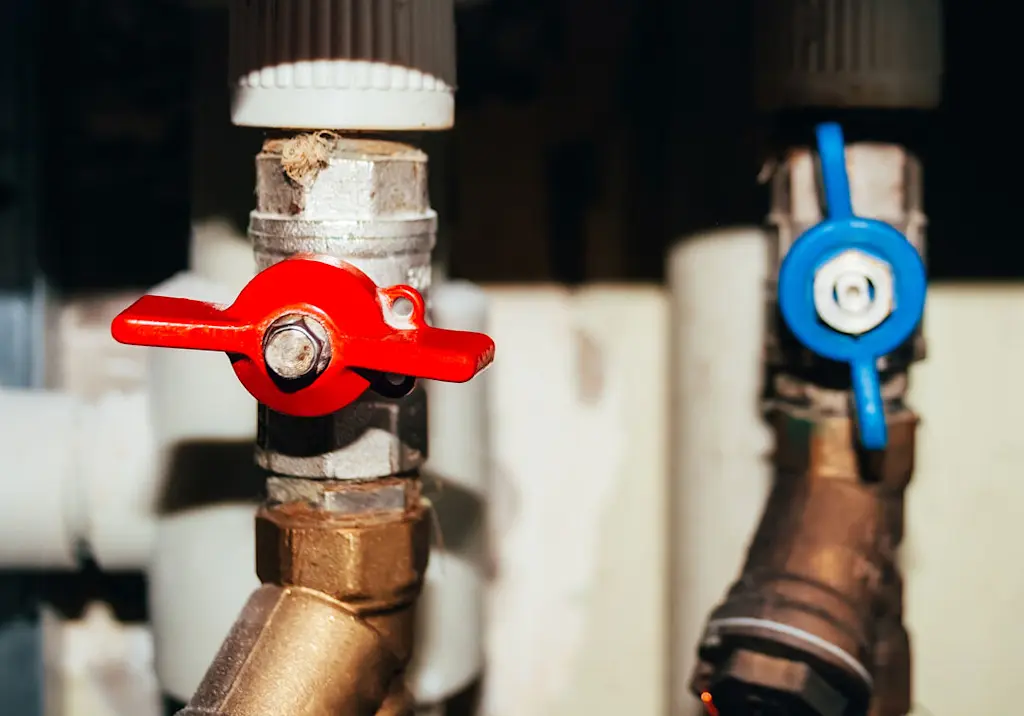
Every water meter has a working life, and general wear and tear catches up with all of them eventually. But a leak can also appear suddenly, usually because of one of the following:
Burst pipes caused by freezing temperatures or corrosion
Faulty seals, washers or gaskets around the meter fitting
High water pressure putting extra strain on joints and connections
Poor installation work when the meter or pipework was first fitted
You're unlikely to check your water meter every week, which is exactly why leaks often go unnoticed for a while.
Making a habit of glancing at it every few months, alongside a quick look at your water bill, is one of the easiest ways to catch a problem early.

How to spot a leak at your water meter
Outdoor water meters are usually tucked beneath a small lid marked "water" or "meter", often near your front boundary or under the pavement.
Indoor meters tend to sit under the kitchen sink or in a downstairs toilet, close to the stopcock.
Signs to look out for include:
Water pooling around the meter itself, or standing water inside the meter box
A damp patch on the ground, wall or floor near the meter
Visible damage, corrosion or looseness on the pipes running to and from the meter
A water bill that's higher than usual with no change in your household's water use
In dry weather, the meter box or hole should stay dry. If you find water sitting in there even after a few rain-free days, that's a strong sign of a leak worth reporting.
Who's responsible: your water company or you?
This is where most of the confusion happens, and it comes down to exactly where the leak is, relative to your property boundary.
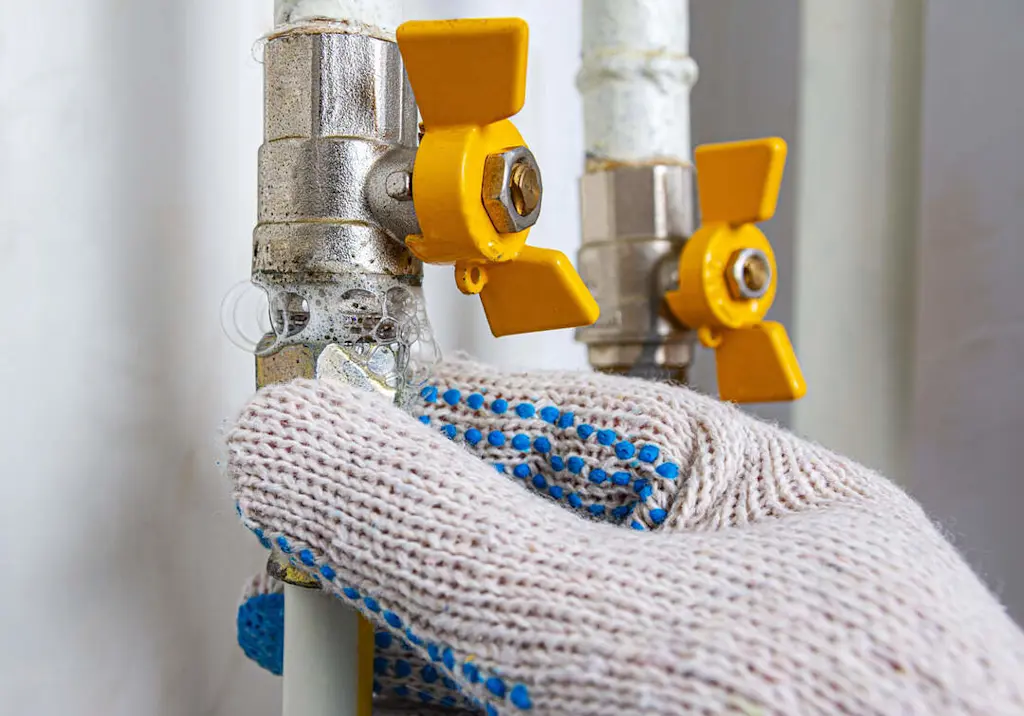
As a rule, your water company owns and maintains the meter itself and the pipework running from the water main to the meter. You, as the homeowner, are responsible for the pipework connecting the meter to your home, and anything inside your property boundary.
Breaking it down a bit further, the network is generally split into these sections:
Water mains - the large pipes that carry water throughout the network, usually beneath roads and pavements. Always the water company's responsibility.
Communication pipes - run from the water main to your property boundary. Also the water company's responsibility.
The meter itself - if it sits outside your property boundary, it's the water company's. If it's inside your boundary (even indoors), the meter itself is still typically theirs, but it can vary.
Supply pipes - run from the meter to your internal stopcock. These are your responsibility, wherever they sit, including if they run beneath your driveway or garden.
Water company responsibility
A leak from the meter itself, because it's faulty
A leak in the mains pipework outside your property boundary
Homeowner responsibility
A leak in the connection pipework leading to or from the meter, within your boundary
A leak in the pipe between the meter and your internal stopcock
If you're ever unsure, don't guess. Report it and let your water company confirm which side of the line it falls on.

Water leak in the house? Here's exactly what to do
A water leak in the house is a nightmare for any homeowner. Here's what to do if you find water pooling where it shouldn't be.
What to do if you suspect a water meter leak
1. Contact your water company first
Even if the leak seems to be inside your home, the meter itself usually still belongs to them. They'll likely ask for photo evidence and may send someone out to assess it before confirming whose responsibility it is.
2. Run a flow test while you wait
This tells you how much water is being lost and gives your water company hard evidence to work from:
Turn off the stopcock (usually under the kitchen sink) so no water is being used anywhere in the house
Take a meter reading, including the small red digits and dials
Wait at least three hours without using any water
Take a second reading
If the reading has moved at all, you've got a leak. Keep a note of both readings and the time between them: it could support a claim for a leakage allowance later on.
3. Try a leak detection device
If the flow test confirms a leak but you can't pinpoint it, a water-sensing smart home device can alert you to moisture before it spreads.
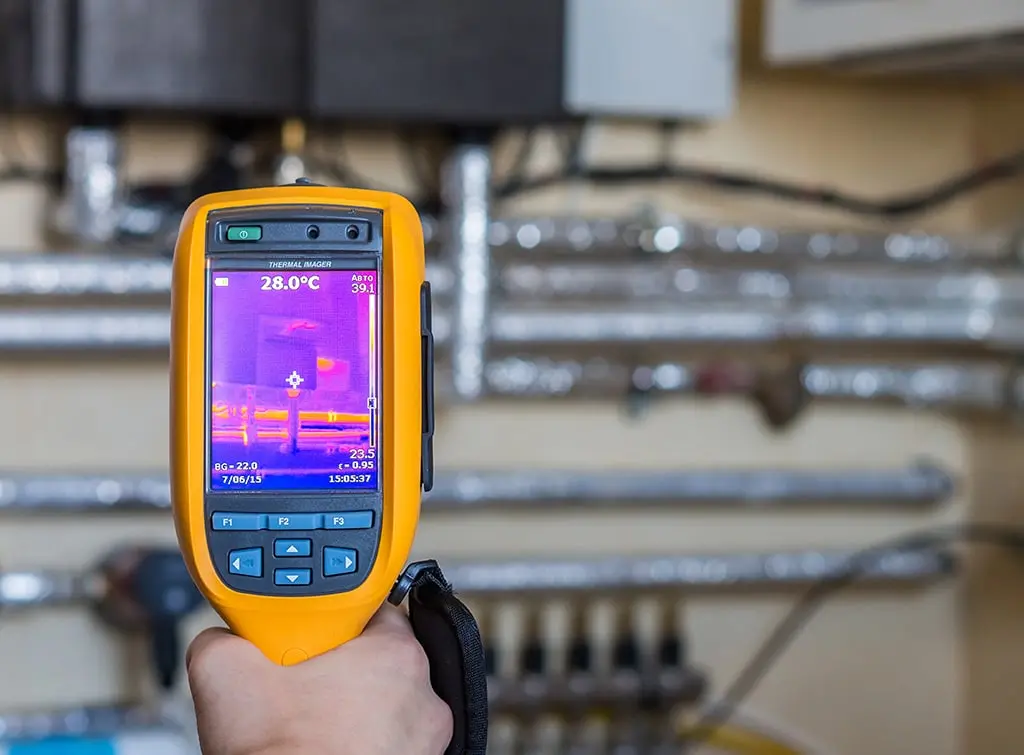
For anything more stubborn, a professional water leak detection service can use infrared cameras or acoustic listening equipment to find it without any digging.
Some water companies aim to fix serious meter leaks within 12 hours of being reported, though less urgent cases can take longer. If your water company confirms it's their responsibility and then drags its feet, you can raise it with Ofwat, the water industry regulator.
How much does it cost to fix a water meter connection leak?
If the leak turns out to be your responsibility, costs depend on what's actually wrong and how accessible the pipework is.
Most plumbers charge either an hourly or a day rate. The average plumber hourly rate is £45, or £350 for a day rate, with emergency call-outs averaging around £120 plus an hourly rate of roughly £150.
Fixing a straightforward leak typically averages around £100, with a range of £77–£128 depending on the job.
If you need a specialist to actually locate the leak first, standard water leak detection costs range from £80 to £1,600 depending on the method used. Infrared camera detection typically runs £150 to £1,000, while acoustic listening equipment costs more, at £1,000 to £1,500.
If the fault turns out to be in the main service line running to your property, repairs typically cost £330 to £1,500.
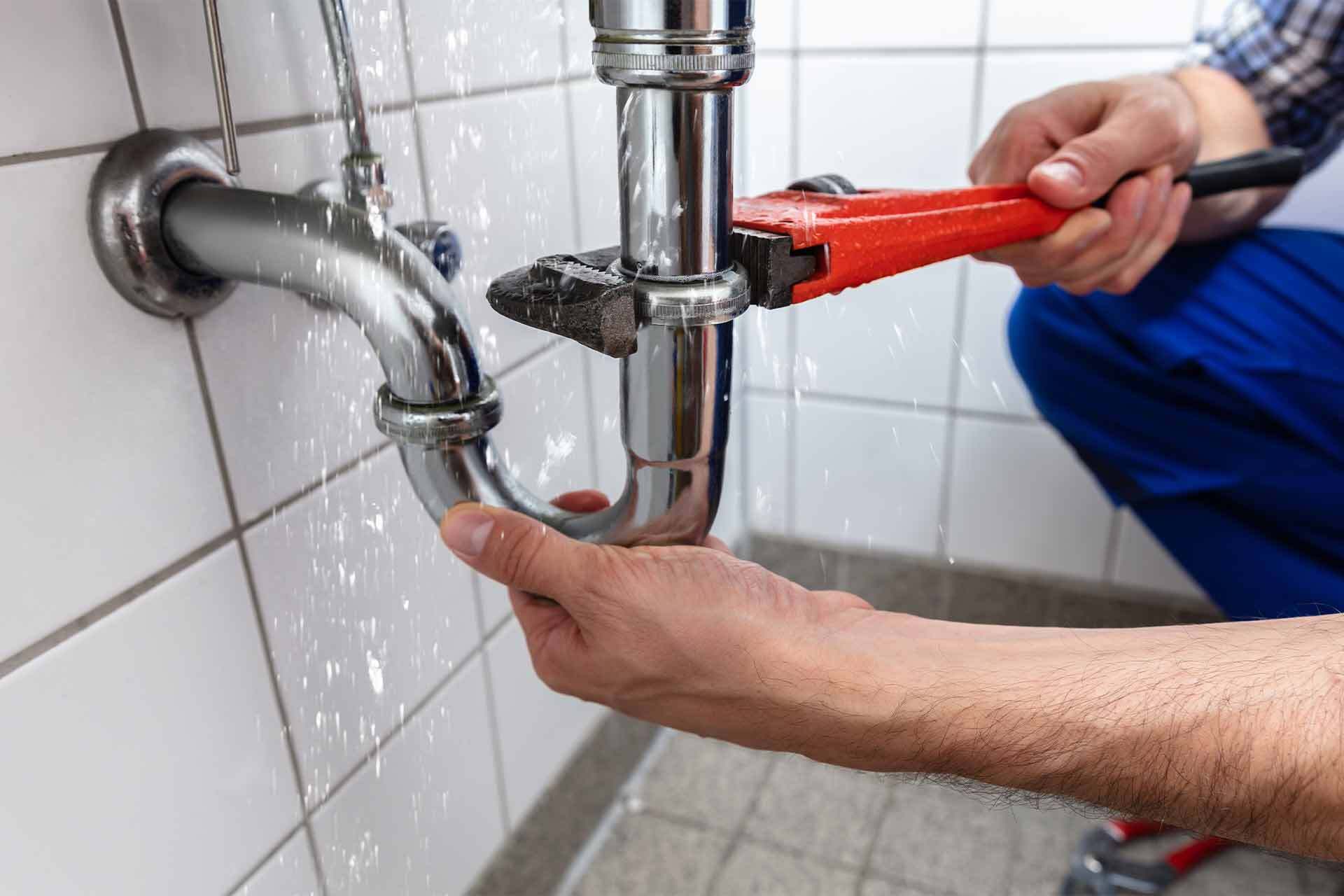
Plumber costs in the UK: 2026 price guide
Whether you are planning an exciting renovation or have a troublesome issue, our plumber cost guide contains daily, hourly and emergency rates.
Water meter leak repair cost calculator
Want a clearer idea of what your specific repair might cost before you call anyone?
Try Checkatrade's AI-assisted Job Estimate Calculator, which uses data from real past jobs to give you a guide price in a couple of minutes.
Job Estimate Calculator

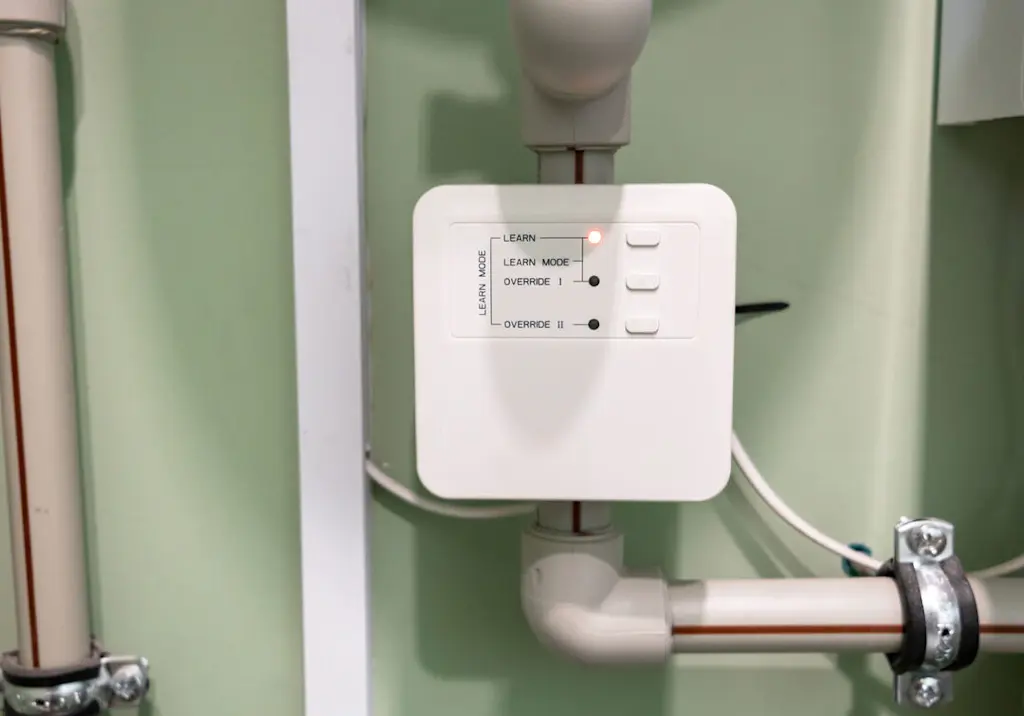
How to fix a leaking water meter connection
Once it's confirmed the leak is on your side of the boundary, a professional plumber can typically resolve it by:
Tightening loose connections between the pipes and the meter
Replacing faulty washers or seals to re-seat a watertight connection
Repairing or replacing damaged pipework leading to and from the meter

Some of these jobs are quick fixes; others, especially where pipework has corroded or a supply pipe needs digging up, take longer and cost more.
A plumber will usually be able to tell you which category your leak falls into after a short inspection.
Ask your water company about a leak allowance. Most will refund some or all of the extra water charges caused by the leak, provided you complete repairs within an agreed timeframe and can show a plumber's invoice. Every water company's policy is a little different, so check directly with yours.
Preventing future water meter leaks
A little maintenance goes a long way toward avoiding a repeat leak:
Check the meter box every few months for standing water or damp patches
Keep an eye on your water bill for unexplained increases
Get high water pressure checked, since it puts ongoing strain on pipe joints and seals
Know where your stopcock is, and check it turns freely, so you can act fast if a leak does appear
Address minor issues like a leaking stopcock or a leaking overflow pipe before they get worse
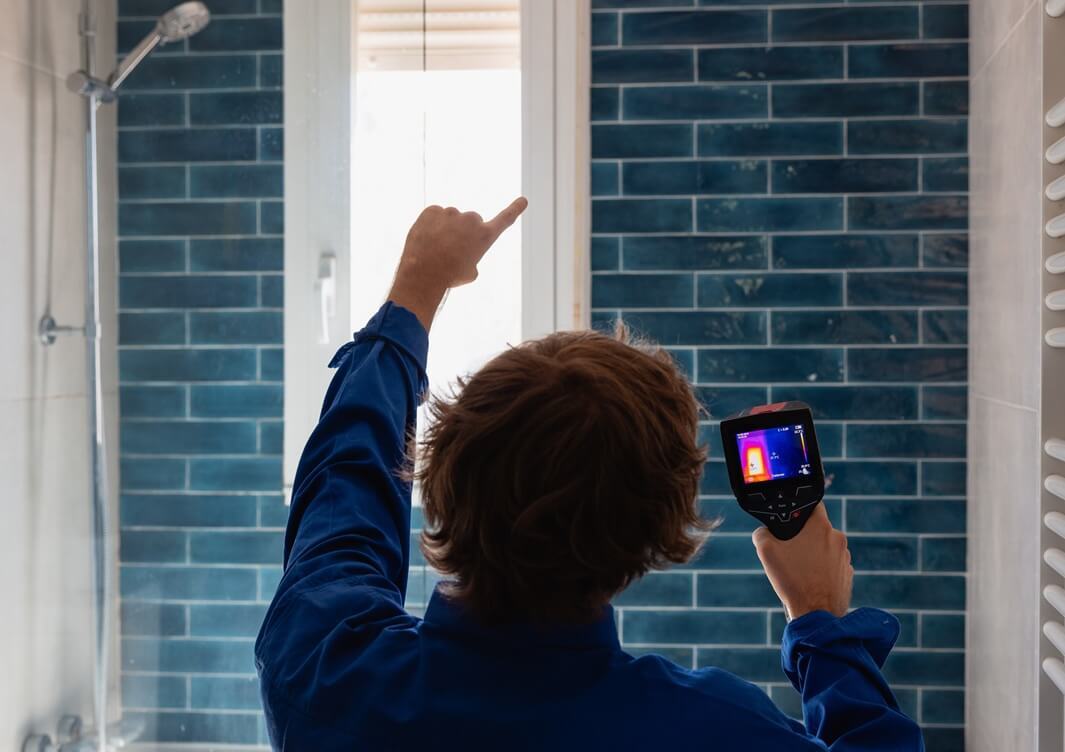
Water leak detection: Cost breakdown 2026
Mould patches, damp or increased water bills indicate a possible leak. If this is the case, it’s best to reach out to a local water leak specialist who can detect and stop the leak.
Who to call: plumber or leak detection specialist?

For most water meter connection leaks, a plumber can handle the diagnosis and repair. If the leak is hidden underground or beneath flooring, you might need a specialist water leak detection service instead, and for damage left behind by a long-running leak, you may also need to bring in a plasterer or flooring specialist once the leak itself is fixed.
How to find a reputable plumber
If it's confirmed the water meter connection leak is your responsibility, you'll want a reputable plumber who can get it sorted quickly, before it causes further damage or racks up a bigger bill.
Every job booked through Checkatrade is also backed by the Checkatrade guarantee, giving you extra peace of mind that the work will be done properly. Our guide to hiring a good local plumber has more tips on what to check before you book.
Find a plumber near you

On Checkatrade, you'll only find trades who meet our high standards and pass up to 12 checks.
Frequently asked questions
No. In dry weather, the meter box or hole should be completely dry. If you spot water pooling in there, or a damp patch nearby, contact your water company straight away.
Look out for water pooling around the meter, damp patches nearby, visible damage to the connection pipework, or a water bill that's climbed without any change in your usage.
Main water lines outside your property boundary are always your water company's responsibility. Don't attempt to repair a main water line yourself, or hire a plumber to do so; report it to your water company instead.
This varies by provider, but many aim to resolve serious meter leaks within around 12 hours of being reported, with less urgent cases taking longer. If your water company is responsible and hasn't acted within a reasonable time, you can escalate the complaint to Ofwat, the water industry regulator.
Many water companies offer a leakage allowance, which can refund some or all of the extra charges caused by a leak. You'll usually need to complete repairs within a set timeframe and provide a plumber's invoice as proof. Contact your provider directly to check their policy.
Some home insurance policies include 'trace and access' cover, which can help with the cost of locating and accessing a hidden leak. Check your policy documents, or contact your insurer directly, to see whether this applies.
The water company is still responsible for the meter itself, even if it's inside a communal area. If something is blocking access to it, such as furniture or fittings installed by a landlord, they may need to be removed so the water company can carry out repairs.
Both a qualified plumber and a dedicated water leak detection specialist can locate hidden leaks using non-invasive equipment like infrared cameras or acoustic listening devices. For most residential leaks, a plumber is a good first call.

Water meter leak checklist

See the tradespeople we've checked for your job