PLANNING GUIDES
How to replace a door lock: Which lock to choose, DIY steps, and who to hire
Updated 10/26
By: Content Team
Reviewed: Kim Staples

Whether you've just moved in, lost your keys, had a break-in, or simply have a lock that sticks, there are times when you need to change locks to keep your home secure.
When it's time to change your locks
Which type of lock suits your door
What security marks to look for
What affects the cost of a lock change
How replacing a Euro cylinder works
How to find a locksmith who covers your area
In this planning guide, we'll cover how to replace a door lock - and how to find a lock that suits your door, your security needs, and your budget.
We'll walk you through the main lock types, what makes a lock secure, what influences the price, the basic steps for swapping a Euro cylinder, and when it's worth leaving the job to a locksmith.
Find a locksmith near you
When should you change your locks?
There's no fixed schedule, but these are the times when changing locks is worth doing:
You've moved into a new home: You can't know how many keys are out there, so changing the locks on a new house gives you a clean slate
Your keys have been lost or stolen: Especially if they could be linked to your address
After a break-in: The lock may be damaged or compromised
Someone who had a key no longer lives there: E.g. a former partner, housemate, or tenant
The lock is worn, sticking, or out of date: If it's hard to turn or the door no longer closes smoothly, it may be time to replace it
You want to upgrade: Newer locks can offer stronger security and better convenience, and can even help refresh a tired-looking front door
If you've lost your keys or been locked out, see our guide on what to do if you're locked out of your house before you call anyone out.
Types of locks
The right lock depends on whether you have a timber door or a uPVC door, and on how much security you want.
A locksmith will be able to recommend a lock that suits your door, security needs, and budget, but it helps to know your options first.
See our full guide to exterior door lock types for more details.
Mortice locks

Mortice locks are commonly used on external timber doors. They fit into a pocket cut into the edge of the door, and a bolt locks into the door frame.
Pros
Available with different numbers of levers. For external doors, look for a five-lever lock that meets BS 3621 regulations, which many insurers ask for
Can be locked from the inside as well as the outside
Sit flush with the door for a streamlined look
Hard to pick when well made
Cons
Can be tricky to fit, as the locksmith may need to cut a pocket in the door if there isn't one already
Need a door that's thick enough to take the lock without weakening it, so check with your locksmith
For extra security, ask your locksmith about adding a night latch alongside a mortice lock as a secondary lock.
Cylinder locks

Cylinder locks come in a few forms:
Single cylinder: Locked from outside with a key and from inside with a thumb turn. Easier to get out of in an emergency, though small children may be able to open them from the inside.
Double cylinder: Key-operated from both sides. This can add security, but you'll need a key to get out, so keep one somewhere safe and easy to reach.
Thumb-turn locks: No key needed to lock them, and generally used on internal doors rather than front doors.
Pros
Usually quicker and simpler to install and replace than a mortice lock
Come in designs that match your other door furniture
Cons
Single-cylinder locks can be opened from the inside by small children, which may be a safety concern
Euro cylinder locks

Similar in function to the cylinders above, Euro cylinders are the style most commonly found on uPVC and composite doors.
Pros
Available in various sizes
Generally easy to fit, which can keep installation costs down
Often only the cylinder needs replacing, not the whole lock
Cons
Some basic Euro cylinders can be vulnerable to "lock snapping", where an intruder breaks the cylinder to get at the mechanism
Look for a Euro cylinder with the TS 007 3-star Kitemark, which means it has been tested against snapping and other common attacks. It costs more than a basic cylinder, but it's a worthwhile upgrade for the extra security.
Smart locks
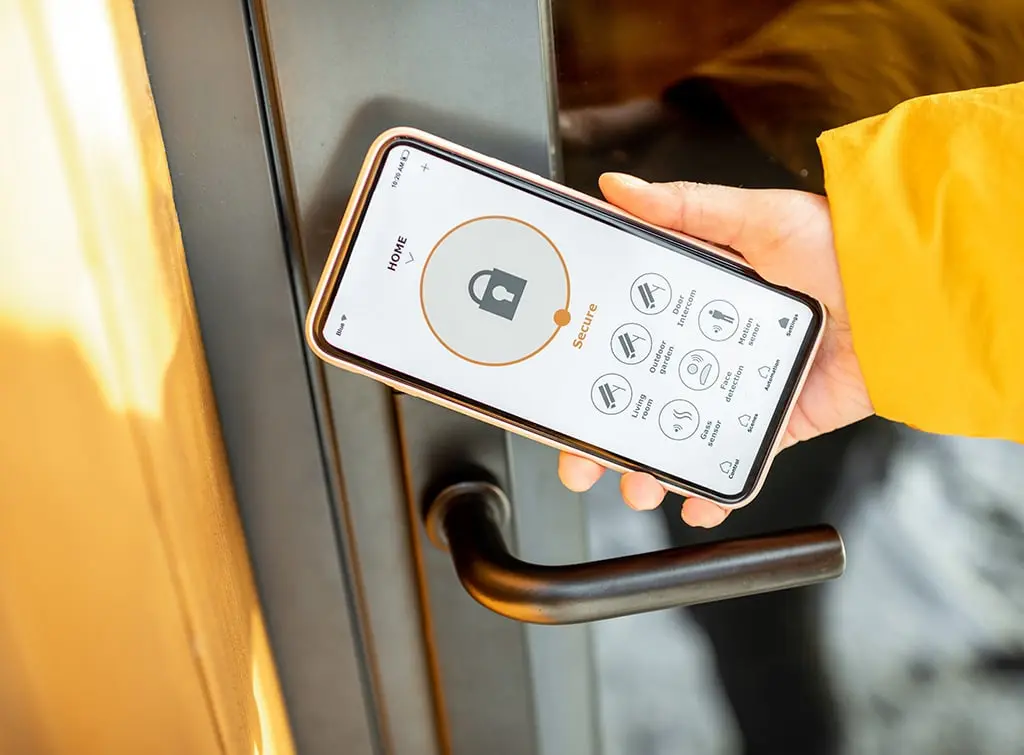
Keyless entry and a sleek design have made smart locks a popular choice. They use electromechanical locks to control entry, and many connect to your home Wi-Fi or via Bluetooth.
You can usually operate them with a keypad and PIN, an app, or a key fob.
Pros
Convenient: control access remotely and you'll never worry about lost keys again
Advanced security features
Sleek, modern design
Cons
More expensive to install than traditional locks (see our smart lock cost guide)
Codes to remember and, for many models, a connection to set up, which won't suit everyone
Which security marks should you look for in a lock?
Two marks come up most often:
BS 3621: The British Standard for five-lever mortice locks on external doors, which many home insurers ask for
TS 007 3-star: The Kitemark rating for Euro cylinders that resist snapping, for uPVC and composite doors
Check your home insurance policy before you buy, as requirements vary between insurers.
For a broader check on your home, see how to be sure your home locks are secure enough.
Cost of changing your locks
Changing a standard Yale lock costs an average of £100, while a uPVC door lock replacement costs around £125 for a standard euro cylinder lock.
Exactly what you'll need to pay depends on the situation and the lock, including:
When you need it done: Emergency and out-of-hours callouts, at night or on weekends and bank holidays, usually cost more than a booked appointment in normal working hours
The type of lock: A cylinder or Euro cylinder is usually quicker to fit than a mortice or smart lock, which can keep labour down
The lock itself: A higher security rating or a smart lock costs more than a basic one
The number of doors: The more doors that need new locks, the more you'll pay
Your location: Locksmith rates can vary depending on where you are in the country - expect to pay more in places like London and the South East
Remember to allow for the cost of the lock itself as well as the callout and labour. For current price ranges, see our locksmith prices guide, and for uPVC doors, our uPVC door lock replacement cost guide.

How to replace a door lock yourself
If you're a confident DIYer, nothing stops you changing a lock yourself.
Some cylinder locks can even be quite DIY-friendly. Euro cylinders, found on most uPVC and composite doors, are generally the easiest. Mortice locks are more involved and are usually best left to a locksmith.
Replacing a Euro cylinder lock
Measure first. Measure from the centre of the screw hole to the end of the cylinder on each side, and size the new cylinder from those two measurements. The two sides aren't always equal.
Remove the retaining screw on the edge of the door.
Align the cam. Put the key in and turn it until the cam lines up so the cylinder can slide out.
Slide out the old cylinder, fit the new one and refit the retaining screw.
Test before you close the door. With the door open, lock and unlock with the key and check the bolts move freely, so you don't lock yourself out.
A cylinder that's the wrong size can stick out of the door and be easier to attack, so double-check your measurements and choose a TS 007 3-star cylinder where you can.
For a fuller walkthrough, see our guides to changing a uPVC door lock and changing a Yale lock.
Be careful though. A lock that is badly fitted, wrongly sized or doesn't meet your insurer's requirements can leave your home less secure, and could affect a claim. Check your policy first. If you're unsure, hire a locksmith.

Who to call to change your locks
Which trade you need depends on the door and the job.
Most lock changes are a job for a locksmith. But if the door itself is damaged or needs replacing, a door fitter can help, and a uPVC door repair specialist can look at faulty multipoint mechanisms.
If you're locked out, an emergency locksmith can get you back in.
Find a locksmith near you
How to find a locksmith
For peace of mind, you'll want to hire a locksmith you can count on. So how do you find one?
1. Use a professional directory
Searching a directory like Checkatrade speeds up the process and helps you compare tradespeople working in your area.
Plus, if you book through us, you're covered by the Checkatrade Guarantee up to £1,000 (T&Cs apply).

2. Read online reviews
Always see what other homeowners say about a locksmith before you hire them.
We check that reviews on Checkatrade are from real people who booked real jobs.

Need proof of work? Over 6 million reviews from real people.
3. Check for accreditations
A locksmith doesn't need a licence to trade in the UK, because the industry isn't regulated by the government. That makes accreditation important.
Choose a locksmith who is a member of the Master Locksmiths Association (MLA), which vets, inspects, and tests its approved members.
Need reassurance? All tradespeople pass up to 12 checks before joining, and we keep checking after.
Compare quotes
Compare quotes so you can see what's included, and ask each locksmith to confirm the lock type and security rating they plan to fit.
Ready to get started finding a locksmith to change your locks? Search your postcode to browse locksmiths who cover your area.
Find a locksmith near you
Changing your locks FAQs
It costs around £100 on average to change a standard Yale lock.
The price depends on the time of day, the type and security rating of the lock, how many doors you have and the locksmith's rates. Check our locksmith prices guide for current ranges.
Usually only with the landlord's written consent, because most tenancy agreements restrict alterations to the property, so check your agreement first. A landlord can't change the locks to remove a tenant either: under the Protection from Eviction Act 1977, they generally have to follow the proper legal process to end a tenancy. Illegally locking someone out can be a criminal offence.
Yes, it can. But the good news is that upgrading your locks could potentially lower your premiums.
For external doors, many insurers ask for a five-lever mortice deadlock to BS 3621, and some ask for specific standards on uPVC doors. Check your policy before you buy, and keep the receipt or certificate from the locksmith.
Yes, it's a sensible precaution. You can't know who has copies of the keys, so changing the locks gives you control over who can get in from day one.
Often just the cylinder. With a Euro cylinder lock, a locksmith can usually swap the cylinder without replacing the whole lock. In some cases a lock can be re-keyed instead, which our re-keying cost guide explains, and a locksmith can tell you which suits your door.

Whatever your thoughts for your home security, we've got you covered. From locksmith prices and guides to door locks through to help with finding lock fitters in your local area.


See the tradespeople we've checked for your job