COST GUIDES
Porcelain tile flooring costs 2026: UK pricing guide
Updated 07/26
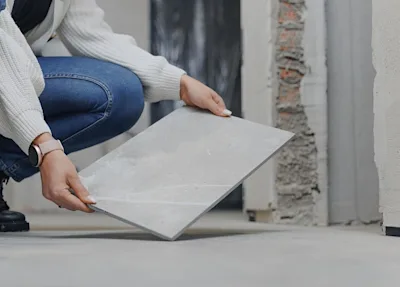

Weighing up porcelain for a new floor? The price varies a lot depending on tile grade, room size, and labour, so it helps to know what you're likely to pay before you start pricing up the job.
Fast Facts
Typical cost: £90 per m²
Porcelain tiles are generally more expensive than ceramic tiles
Porcelain tile installation costs vary depending on tile quality, size, and thickness, as well as the complexity of the installation
Budget tiles with straightforward installation come in well below the midrange, while premium large-format porcelain in a complex layout can cost several times more.
This guide covers the cost per m², how prices compare to ceramic, typical room costs, and what drives the price up or down. For the full picture on tiling costs across materials, see our tiling cost guide.
How much does it cost to install porcelain tile flooring?
The cost of installing porcelain tile flooring averages around £90 per m², which covers mid-range 9mm tiles, adhesive, grout, and labour.
That figure rises sharply with large-format tiles, complex patterns, or subfloor preparation.
| Item | Unit | Low Cost | High Cost | Average Cost |
|---|---|---|---|---|
| Supply only of budget porcelain tiles, 9mm thick | per m² | £20 | ||
| Supply only of mid-range porcelain tiles, 9mm thick | per m² | £35 | ||
| Supply only of high end porcelain tiles, 9mm thick | per m² | £60 | ||
| Cost of materials (adhesive, grout etc) | per m² | £10 | ||
| Labour cost of tiler | per hour | £30 | £45 | £40 |
| Labour cost of tiler | per day | £240 | £360 | £320 |
| Labour cost of tiler | per m² | £30 | £60 | £50 |
| Total cost of installing a porcelain floor (including tiles, materials and labour) | per m² | £60 | £130 | £90 |
| Total cost of installing porcelain flooring in a standard-sized family bathroom (5m²) | £300 | £650 | £450 | |
| Total cost of installing porcelain flooring in an average sized kitchen (10m²) | £600 | £1,300 | £900 | |
| Total cost of installing porcelain flooring in an open plan living space (15m²) | £900 | £2,000 | £1,350 | |
| Last updated: July 2026 Our costs are ballpark averages - get a local tradesperson to quote now | ||||
Porcelain floor tiles price per m²
The tile itself is the most variable part of the cost. Broadly:
Budget porcelain tiles (9mm): £20 per m²
Mid-range porcelain tiles (9mm): £35 per m²
High-end porcelain tiles (9mm): £60 per m²
Budget and mid-range porcelain can overlap in price with high-end ceramic, so it's worth comparing both before deciding.
Porcelain tile installation: labour costs
Porcelain is denser and harder to cut than ceramic. That means the tools and technique required are more specialist, and the labour rate reflects it.
How much does porcelain tiling cost per square metre (UK)?
A professional tiler typically charges £50 per m² for porcelain. Large-format tiles (600mm+) usually attract a higher per-m² rate due to the extra handling and precision required.
What does a professional tiler cost per hour?
Hourly rates for porcelain tiling typically run at £40 per hour.
How much do tilers charge per day for porcelain tile installation?
Day rates typically fall between £240 and £360.

On Checkatrade, you'll only find trades who meet our high standards and pass up to 12 checks.
Additional costs
Tile adhesive and grout: £10 per m² on average
Floor levelling compound: £6–£30 per m², needed where the subfloor is uneven
If you're adding underfloor heating beneath your new tiles, see our underfloor heating cost guide for full pricing.
Porcelain tile flooring cost by project size
Standard family bathroom (5m²): £300–£650
Average kitchen (10m²): £600–£1,300
Open-plan living space (15m²): £900–£2,000
For a more accurate estimate for your project, scroll down to our porcelain tile cost calculator.
Find checked and reviewed tradespeople
Porcelain vs ceramic tiles
Porcelain is often compared with ceramic when weighing up the best type of flooring for a home.
Is porcelain tile more expensive than ceramic?
Porcelain tiles are typically more expensive than ceramic to buy and to install. Here's a rough comparison:
Ceramic floor tiles: typically around £35 per m²
Porcelain floor tiles: typically £90 per m²
The gap widens for premium porcelain (stone-effect, large-format). Budget ceramics and mid-range porcelain can actually overlap in price, so it's worth comparing tile-for-tile before assuming one is cheaper.
Porcelain also lasts longer, which makes it a more cost-effective investment over time, particularly in high-moisture areas.
What are the pros and cons of porcelain tiles?
Pros:
Highly durable and scratch-resistant (good for homes with pets)
Low water absorption: ideal for bathrooms and kitchens
Available in realistic wood and stone effects
Cons:
More expensive than ceramic to buy and install
Heavier, requires a structurally sound subfloor
Harder to cut and install, which pushes labour costs up
When should you choose porcelain over ceramic?
Porcelain makes the better choice in high-traffic, moisture-prone areas: kitchens, bathrooms, utility rooms, and hallways. It handles heavy use without showing wear as quickly as ceramic.
Ceramic is a reasonable alternative for lower-traffic, dry areas such as bedrooms and living rooms. With the same layout and the same tiler, you'll pay materially less on materials, and the labour cost is identical.

Factors affecting porcelain tile installation costs
Tile thickness and PEI rating
Larger-format or thicker tiles require more precise installation and cutting, which adds time and cost. A higher PEI (Porcelain Enamel Institute) rating, the scale that measures surface hardness, also tends to mean a higher tile price.
PEI ratings explained
PEI ratings run from 1 to 5. PEI 5 tiles are rated for high-traffic commercial use and are highly scratch and wear resistant. PEI 1 tiles are designed for wall use only and should not be used on floors that take weight.
Porcelain slabs (large-format tiles)
Tiles of 600x600mm or larger are often called porcelain slabs. The 1200x600mm format is now common in kitchens and open-plan areas.
Supply cost: typically £30–£120 per m² [VERIFY], thicker 20mm external slabs sit at the top of that range
Installation cost: budget for around a 20–30% labour premium over standard tiles [VERIFY], as the weight, handling, and the need for a perfectly level subfloor all add time
See our large format tile installation cost guide for full pricing on slabs.
Complexity of installation
A straightforward grid layout with standard-format tiles is the cheapest option. Herringbone, diagonal, or offset patterns require more cuts per m², which adds labour time and material waste.
If you're weighing up a feature layout, our herringbone floor installation cost guide breaks down the extra cost involved.
Data verified by our professional estimators
Estimators are CIOB & RICS members
Porcelain tile cost calculator
Use our tiling cost calculator to get a ballpark cost for installing porcelain tiles in your home.
Measure the length and width of your space, select your tiles, and add in the labour cost for an instant estimate.
Job Estimate Calculator

How to save money on porcelain tile installation
Choose your grade carefully - The price range is wide: a mid-range tile in a simple grid layout costs far less than premium large-format in a herringbone pattern.
Keep the layout simple - Straight grids mean fewer cuts and lower labour. Save the pattern work for smaller feature areas.
Shop for deals - Clearance tiles from tile retailers, end-of-line ranges, and online marketplaces can bring material costs down significantly.
Compare quotes - Labour rates vary by region and tiler. Compare a selection of quotes from checked tradespeople via Checkatrade before committing.
DIY vs professional tile installation
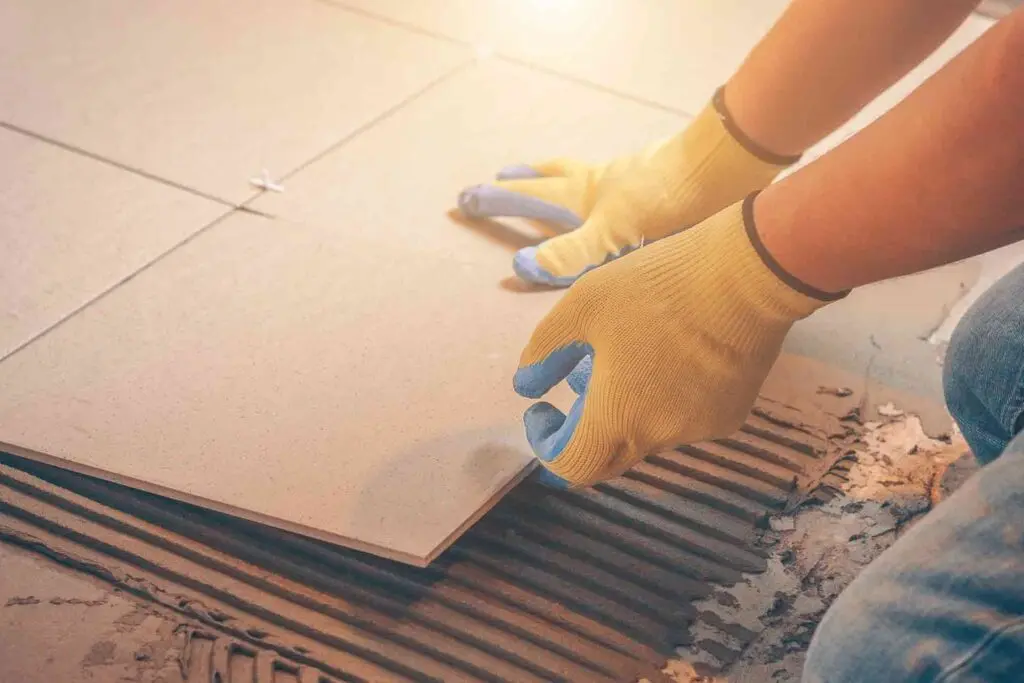
You can lay porcelain tiles yourself, and there are guides on how to tile a floor if you want to try. That said, porcelain requires a diamond-tipped wet saw (not a standard tile scorer), and getting the adhesive, spacers, and grout right matters more than it does with ceramic.
Mistakes are expensive to fix. For a quality finish, a professional tiler is the right call.

How to find a tiler
Look for a tiler with specific experience in porcelain, not just general floor tiling. Porcelain requires a different cutting technique and adhesive type to ceramic. Check their Checkatrade reviews and photos of previous porcelain work before booking.
A CSCS card or NVQ in tiling shows formal training, though many experienced tilers are trade-qualified through apprenticeships rather than card schemes. Reviews and portfolio photos are the most reliable signal.
Before you book, ask:
Do you supply tiles, or is it supply and fix separately?
What subfloor preparation is included in the quote?
Do you use flexible adhesive for porcelain?
What's the timeline, including drying and grouting?
Do you provide a guarantee on grout and adhesive workmanship?
Find checked and reviewed tradespeople
We check the reviews on Checkatrade are from real people, and that trades meet our high standards.

Whether looking for the costs of tiling, guidance for planning a tiling project, get inspiration or find tilers near you, at Checkatrade, we're here to help.
Porcelain tiling FAQs
Porcelain tile installation costs around £90 per m² on average, covering mid-range tiles, adhesive, grout, and labour. Budget installs cost less, large-format or complex-pattern work costs more.
A standard bathroom floor of 5 to 8m² typically takes a professional tiler one to two days, including preparation. Allow 24 hours before grouting and 48 to 72 hours before the floor takes foot traffic. Larger rooms, complex tile formats, or herringbone patterns add to the timeline.
Yes, porcelain is denser and requires a diamond-tipped wet saw rather than a standard tile cutter, and the labour cost per m² reflects this. Always confirm your tiler has direct experience with porcelain before booking.
An average-sized kitchen (10m²) using mid-range tiles, materials, and labour typically costs around £900.
Porcelain tiles cost more to install than most LVT or laminate options: LVT (luxury vinyl tile) typically runs to a slightly higher cost per m² installed, and laminate flooring is usually just a little cheaper - though both are in the same ballpark.
Tiles are more durable in wet rooms and do not need moisture protection, which is why they remain the default choice for kitchens and bathrooms. See our LVT flooring cost and laminate flooring fitting cost guides for full pricing.
Porcelain slabs, large-format tiles of 600x600mm or larger, typically cost £30 to £120 per m² for supply alone, with thicker 20mm external versions at the top end. Labour costs run higher too: budget for around a 20 to 30% premium on the per-m² rate due to the weight and precision involved. See our large format tile installation cost guide for the full breakdown.
See the tradespeople we've checked for your job