HOW-TO GUIDES
How to clean a shower head and remove limescale
Updated 08/26
By: Tom Blake
Reviewed: Laura Macdonald
It's one of those household jobs that's easy to forget about until your shower starts spraying in every direction except where you want it.
If you've noticed reduced water pressure, blocked nozzles or white chalky deposits around your shower head, limescale is usually the culprit.
More often than not, a simple clean is all it takes to get your shower head working properly again, and you probably already have everything you need at home.
This guide explains how to clean your shower head properly, remove stubborn limescale and recognise when it's time to replace it instead.
Why a dirty shower head is more than a cosmetic problem
How to do a quick monthly clean
The best way to remove stubborn limescale
Which finishes need gentler treatment
How to change your shower head if cleaning isn't enough
How to stop limescale building up again
Quick answer: What's the best way to clean a shower head?
If your shower head is looking a little worse for wear or the water isn't flowing as well as it used to, a good clean can often make a surprising difference.
For the best results:
Wipe the shower head down once a month with warm, soapy water
Remove stubborn limescale by soaking it in white vinegar
Gently scrub the nozzles with an old toothbrush
Rinse thoroughly before using the shower again
Replace the shower head if it's badly corroded or damaged
Regular cleaning helps keep the spray flowing properly and often prevents stubborn limescale from building up in the first place.
Find checked and reviewed tradespeople
How to clean a shower head (monthly maintenance)
Giving your shower head a quick clean once a month is often enough to stop limescale becoming a bigger problem.
Step 1: Rinse the shower head
Run the shower briefly to wet the shower head, then switch it off.
Step 2: Make a cleaning solution
Fill a bowl with warm water and add a few drops of washing-up liquid.
Step 3: Wipe away surface dirt
Use a soft cloth dipped in the solution to remove soap residue and grime.
Step 4: Clean the nozzles
An old toothbrush works well for gently scrubbing around the spray holes.
Step 5: Rinse and dry
Rinse away any remaining soap, dry with a towel and turn the shower back on to check the spray pattern.
If you live in a hard water area, this five-minute job can save you spending much longer removing stubborn limescale later.
How to remove limescale from a shower head
If a quick clean hasn't done the trick, it's time to bring out the white vinegar.
Step 1: Fill a bag with white vinegar
Pour white vinegar into a sandwich bag. For particularly stubborn limescale, you can add a small spoonful of bicarbonate of soda. It'll fizz straight away, which can help loosen stubborn mineral deposits.
Step 2: Secure the bag
Place the bag over the shower head and secure it with a rubber band so the spray plate is fully submerged.
Step 3: Leave it to soak
Most shower heads only need one to three hours. Very heavy limescale may benefit from soaking overnight.
Step 4: Remove and rinse
Take the bag off and run the shower for a minute or so to flush out any loosened deposits.
Step 5: Brush away any remaining limescale
Use an old toothbrush to clean between the nozzles if needed.
Step 6: Dry and test
Give the shower head a quick wipe before turning the shower back on. If you've shifted the limescale, you should notice a much more even spray.
If your shower head has a brass, gold or nickel finish, avoid soaking it in vinegar for more than about 30 minutes. Longer exposure can dull decorative finishes.
Alternative cleaning methods
If vinegar isn't suitable, there are a couple of other options.
Detachable shower heads: Remove the shower head and soak it in a bowl of vinegar instead of using the bag method
Cola soak: Some people use cola to help loosen limescale, although it's generally less effective than white vinegar and you'll need to rinse away any sticky residue afterwards
Avoid bleach: Bleach isn't designed to remove limescale and can damage seals and decorative finishes
If limescale builds up again soon after cleaning, it could simply be down to hard water. A plumber can advise whether a shower filter or water softener would help reduce future build-up.
How to change a shower head
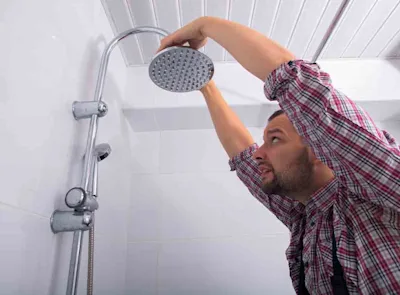
Sometimes cleaning isn't enough. If your shower head is cracked, corroded or still doesn't perform as it should after descaling, replacing it is often the simplest solution.
Unscrew the old shower head (most remove by hand)
Clean the shower arm threads
Wrap the threads with PTFE tape if recommended
Screw on the new shower head
Turn the shower on and check carefully for leaks

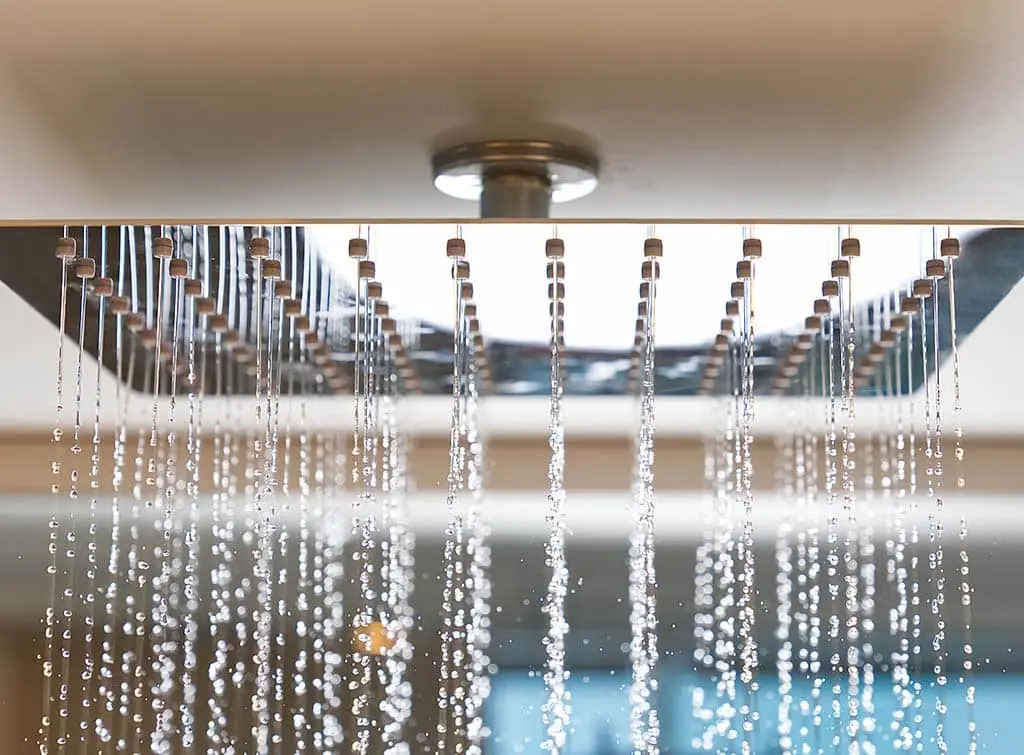
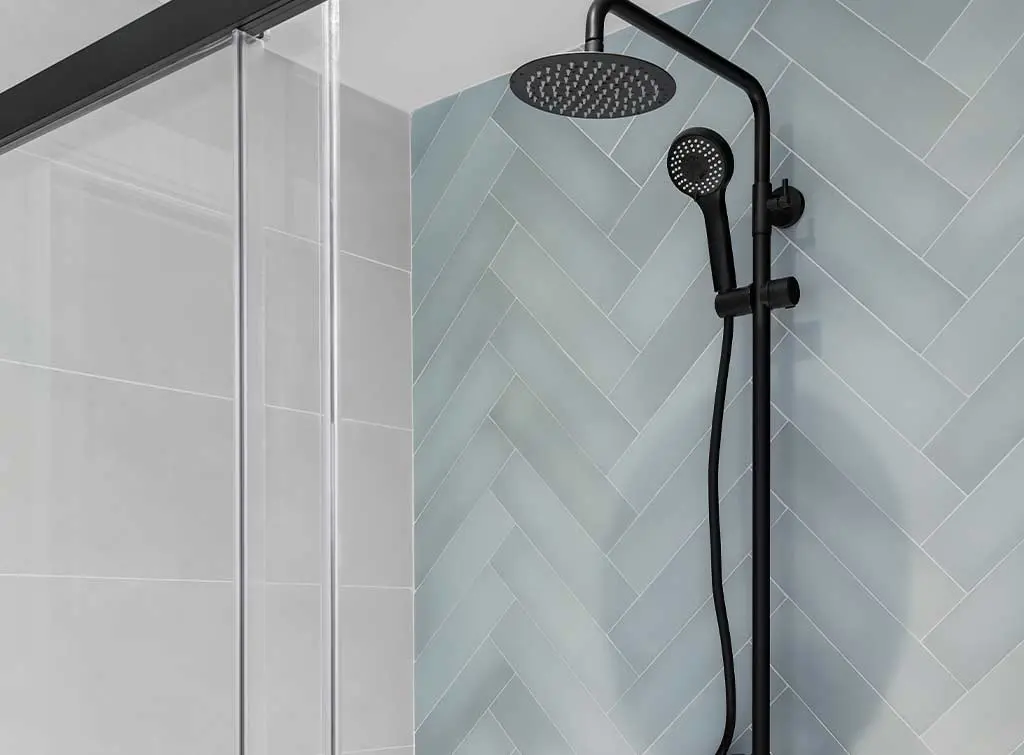
If you're thinking about upgrading rather than simply replacing the head, this is a good opportunity to explore rainfall showers or more water-efficient models.
Can you clean a shower head yourself — and should you?
Cleaning or replacing a shower head is one of the more straightforward DIY jobs around the home.
It's usually suitable to do yourself if:
You're removing limescale
The shower head simply needs cleaning
You're simply replacing the shower head like for like
Water pressure is normal elsewhere in the house
It's worth calling a plumber if:
The whole shower has poor water pressure
Cleaning makes little or no difference
The shower is leaking
You're replacing pipework or installing a new shower

Preventing limescale build-up
Once you've cleaned your shower head, a few simple habits can help keep it that way.
Wipe the shower head dry after use where possible
Give it a quick clean every month
Remove limescale before it becomes heavy
Consider a shower filter or water softener if you live in a hard water area
Thinking about hiring a professional?
A shower head that's blocked with limescale is one thing. Persistent low water pressure, leaks or recurring problems are often signs of something more.
A plumber can check whether the issue is caused by:
Heavy limescale
A faulty shower valve
Pipework problems
A worn shower fitting
Perhaps just as importantly, they'll fix the underlying issue rather than leaving you wondering why the shower still isn't working properly after all your efforts.
Checklist: cleaning a shower head

Top tips for a clean and sparkling shower head:
Find checked and reviewed plumbers near you
If cleaning your shower head hasn't improved the water flow, or you've discovered the problem goes beyond a build-up of limescale, a local plumber can help get everything working properly again.
With Checkatrade, tradespeople are:
Checked - Every Checkatrade member must pass up to 12 checks and commit to upholding the Checkatrade Standard
Reviewed - Over 6.2 million reviews have been published on Checkatrade about real jobs, on everything from communication, tidiness, timekeeping, and quality of work
Guaranteed - Jobs booked through Checkatrade are covered up to £1,000 (T&Cs apply)
Whether you need help with poor water pressure, replacing a faulty shower fitting or installing a brand-new shower, search for checked and reviewed plumbers near you with Checkatrade.
Find a reliable local plumber near you
Enter your postcode to find a top tradesperson near you
PlumbingHQ
10.00
(2 reviews)Services & skills
PlumberBathroom & Kitchen PlumbingRadiator InstallationPipe FitterShower InstallationROBIP-PGHEM-ENGINEERING
10.00
(65 reviews)Services & skills
PlumberBathroom & Kitchen PlumbingPlumbing RepairsEmergency Plumber ServiceTap Repair- P
Platinum Plumbers
10.00
(94 reviews)Services & skills
PlumberBathroom & Kitchen PlumbingPipe FitterGeneral PlumbingShower Installation JG Swan Housing Ltd
10.00
(77 reviews)Services & skills
PlumberBathroom & Kitchen PlumbingPower FlushingRadiator Thermostat Valve RepairGeneral PlumbingAj Plumbing And Property Service Ltd
10.00
(10 reviews)Services & skills
PlumberBathroom & Kitchen PlumbingShower InstallationBlocked ToiletsTap RepairMJ Plumbing and Heating
10.00
(40 reviews)Services & skills
PlumberBathroom & Kitchen PlumbingWater Mains Specialist (Pipe Replacement, Moling and Lead Pipes)Water Pumps InstallationEmergency Plumber Service


FAQs
How often should I clean my shower head?
Aim to give your shower head a quick clean once a month, and soak it in white vinegar whenever you notice reduced water pressure or visible limescale. If you live in a hard water area, you may need to do this more often.
Can I use bleach to clean a shower head?
It's best avoided. Bleach doesn't break down limescale effectively and can damage rubber washers and certain finishes. White vinegar is a more effective and gentler option.
Why does my shower head keep getting clogged with limescale?
This is usually caused by hard water, which leaves mineral deposits behind as it dries. Regular cleaning will help, but if limescale keeps returning quickly throughout your home, it may be worth asking a plumber about installing a shower filter or water softener.
Is it safe to soak a gold or brass shower head in vinegar?
Vinegar can dull plated finishes like brass, gold, or nickel if left too long. Limit soaking to around 30 minutes for these finishes, compared to 1-3 hours for standard chrome or plastic heads.
Can I clean a shower head without removing it?
Yes, the plastic bag method lets you descale a fixed shower head in place. Just make sure the bag fully covers the head and is sealed well enough that it doesn't slip off during soaking.
What's the difference between cleaning a handheld and a fixed shower head?
A handheld shower head can usually be unscrewed and soaked in a bowl of white vinegar, making it easier to clean thoroughly. Fixed shower heads are normally cleaned in place using the bag-and-vinegar method.
My shower head is dripping even when off – is that related to limescale?
It can be. Limescale can stop the valve or washer sealing properly, causing the shower head to drip. If a thorough clean doesn't solve the problem, a worn washer or faulty valve may need to be repaired or replaced.
Can I use white vinegar to clean all shower heads?
White vinegar is suitable for most chrome and plastic shower heads, but it should be used with care on brass, gold or nickel finishes. If you're unsure, check the manufacturer's cleaning advice before soaking it.
See the tradespeople we've checked for your job