HOW-TO GUIDES
How to replace a toilet cistern
Updated 07/26
By: Content Team
Reviewed: Alex Peters
Want to improve your bathroom DIY knowledge? Why not learn how to replace a toilet cistern? Explore our easy to follow guide with helpful tips and more.
The tools and materials you'll need
The step-by-step process for replacing a cistern
How to fit a cistern syphon
What to do differently with a concealed cistern
How much professional replacement typically costs
When to call a plumber instead
A toilet cistern doesn't always need replacing along with the whole toilet. If yours has stopped filling properly, is leaking, or you're simply upgrading before it fails, learning how to replace a toilet cistern is a genuinely useful skill to have.
This guide covers the full step-by-step process, fitting a new syphon, and what changes if you have a concealed cistern.
If this isn't quite what you need, we also have guides on how to fit a toilet and how to replace a toilet syphon.
Prefer a trade to do the job for you?
Find a plumber near me
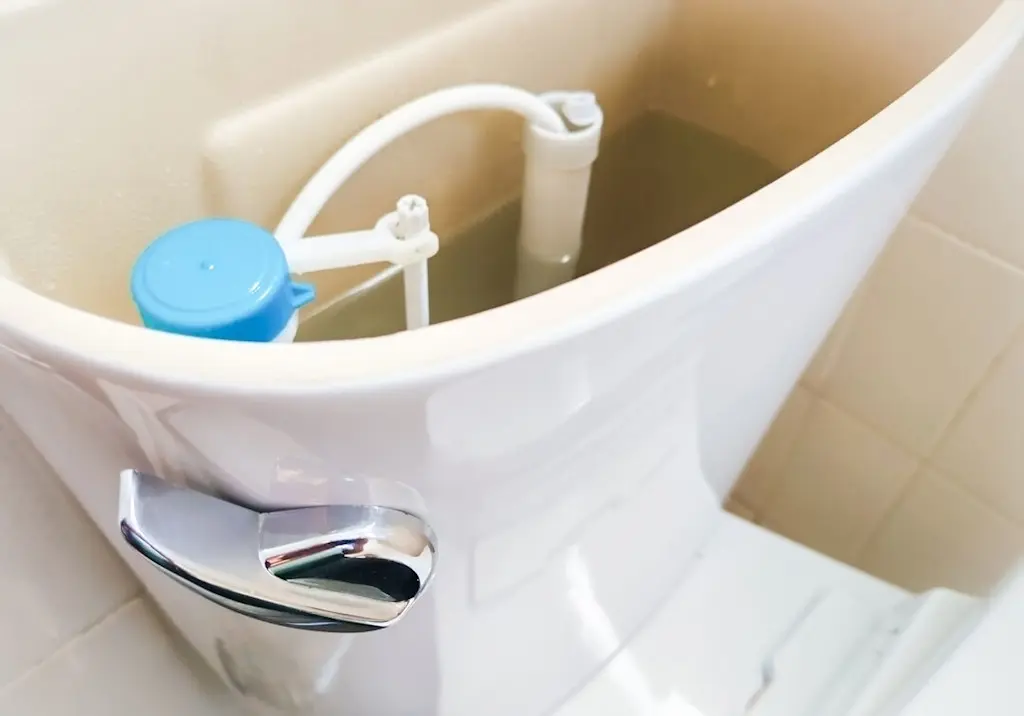
Tools and materials needed
Wrench
Nuts, bolts and washers (a close coupling kit, if fitting a new cistern to an existing pan)
Spirit level
Correctly sized replacement cistern, including flush mechanism
Sealant and sealant gun
Doughnut washer
Photograph how your existing cistern is connected before you start disconnecting anything. It's a quick way to check you've reassembled everything correctly.
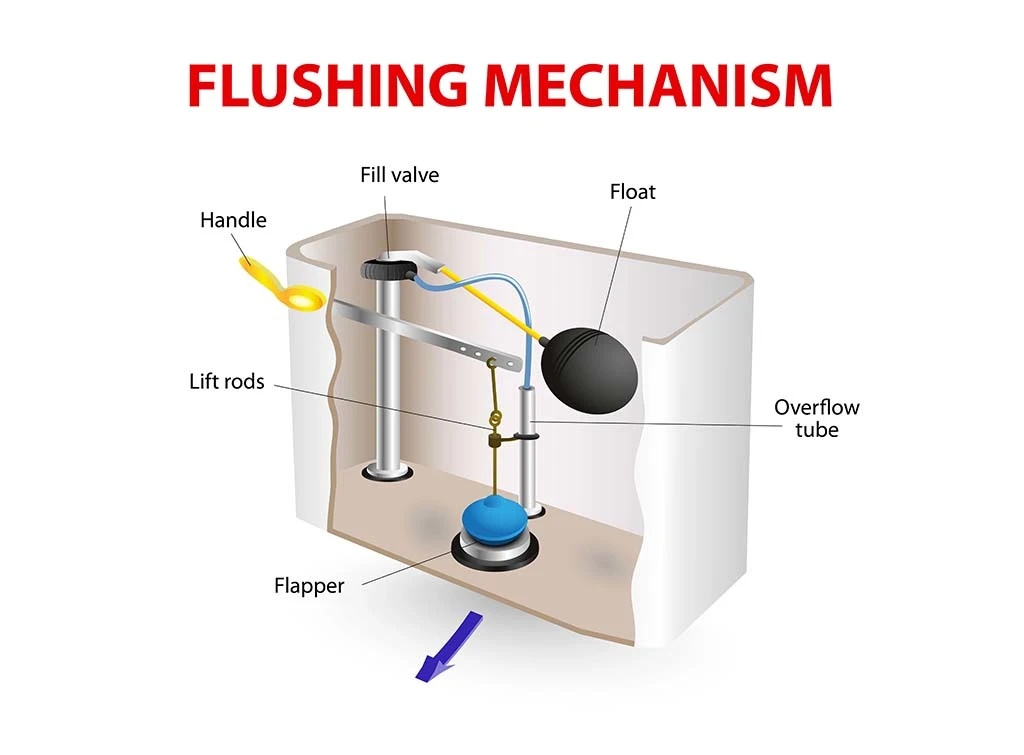
How to replace a toilet cistern: step-by-step
Start by isolating the water supply and turning it off, then flush the toilet to empty the cistern.
If the supply is properly isolated, it won't refill.
Check your replacement cistern is the correct size and specification before removing the old one.
Undo the inlet pipe at the base of the cistern.
Unscrew the cistern from the wall and any other fixings.
Remove the cistern from the wall and the toilet pan.
Take the new cistern out of its box and follow the manufacturer's instructions. Fitting is broadly the reverse of removal.
Use a spirit level to check the new cistern sits straight before fixing it to the wall.
Turn the water supply back on and let the cistern fill.
Flush the toilet to check everything is working correctly.
Reseal the toilet base to the floor with the sealant gun.
Fit a new flushing mechanism if needed, ideally while the cistern is still away from the wall for easier access.
Always keep a bucket and old towels nearby. Even with the water isolated, there's usually some residual water in the pipework and cistern.
Want to get a rough price for getting the job done for you?
Job Estimate Calculator

How to fit a toilet cistern syphon
The syphon is what makes your toilet flush properly, and a failed one is a common cause of a toilet that runs continuously or won't flush at all.
You'll need:
Pliers
Screwdrivers
A connection kit (useful if you're reusing an existing cistern where the old seal may no longer fit well)
Replacement syphon
Steps:
Remove the cistern using the steps above.
Remove the large nut from the base of the syphon.
Clean the area where the old syphon was fitted.
Slide the rubber washer supplied with the new syphon over the threaded length.
Insert the new syphon into place.
Don't use silicone to reseal the connection.
Tighten the nut at the base of the syphon using pliers.
Fit the doughnut washer over the fixing plate.
Reconnect the cistern to the WC pan and reattach the inlet pipe.
Turn the water supply back on, let the cistern refill, then flush to check everything's working.

How to replace a concealed cistern
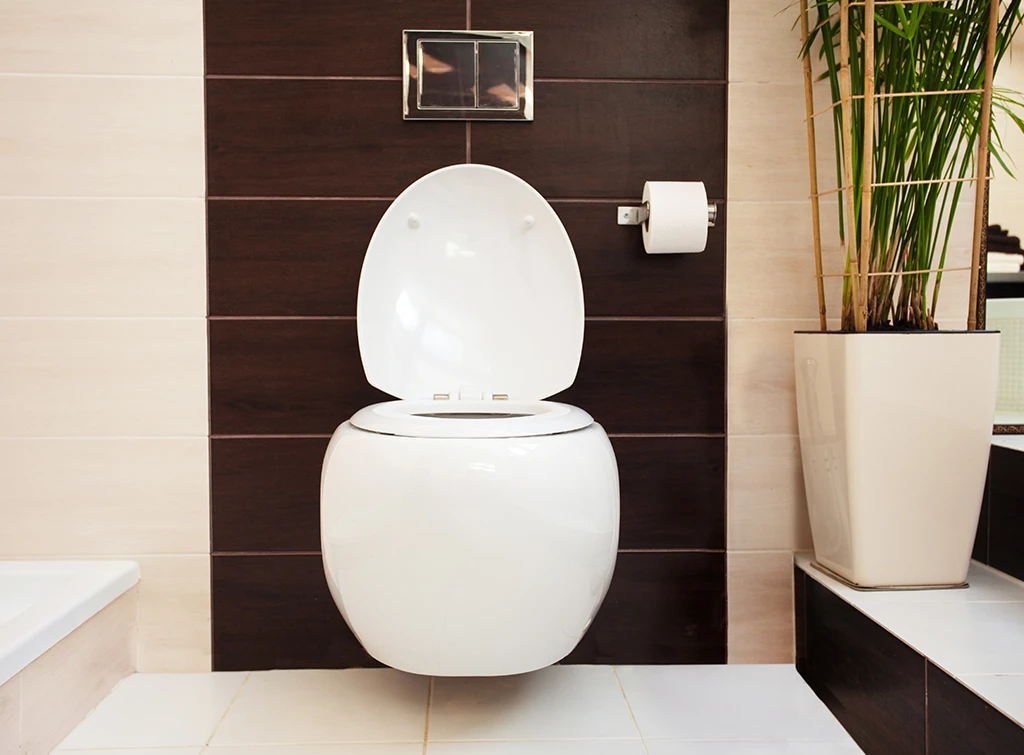
If your toilet has a concealed cistern hidden behind boxing or tiling, the process is more involved than a standard replacement.
You'll typically need to remove the surrounding boarding or framework, replace or repair the cistern, then make good the wall and flooring around it.
This usually calls for a mix of plumbing, carpentry and sometimes tiling skills, so it's often more practical to bring in a professional for this type of job.

For related problems, our guides to concealed cistern issues and a toilet that keeps running cover common causes and fixes.
Still stuck? Call a plumber
This guide is designed to make replacing a toilet cistern manageable, but it can still be a tricky project, particularly for anyone new to DIY plumbing.
If you're struggling or unsure at any point, that's the moment to call in a professional rather than risk a leak.
Find a reliable local plumber near you
Enter your postcode to find a top tradesperson near you
Prodigy Plumbing & Maintenance
10.00
(7 reviews)Suggested Services
PlumberPrice on requestFlowtech Plumbers
10.00
(28 reviews)Services & skills
PlumberBathroom & Kitchen PlumbingPipe FitterBlocked BathsShower Repairtoilets taps & traps Ltd
10.00
(6 reviews)Services & skills
PlumberBlocked BathsBlocked ToiletsPlumbing RepairsTap RepairR G Austin Ltd
10.00
(55 reviews)Services & skills
PlumberGeneral PlumbingRadiator RepairUnvented Hot Water Cylinder Servicing / RepairRadiator InstallationPlumbing Circle
10.00
(184 reviews)Services & skills
PlumberGeneral PlumbingRadiator InstallationBlocked ToiletsWater Supply Pipe Repairs



Need reassurance? All tradespeople pass up to 12 checks before joining, and we keep checking after.
Keep this checklist handy so you don't miss a step:

Toilet cistern replacement checklist
How much does it cost to replace a toilet cistern?
Costs depend on whether you're replacing a standard or concealed cistern, and whether you do the work yourself or hire a plumber. For current UK prices, see our toilet installation cost guide.
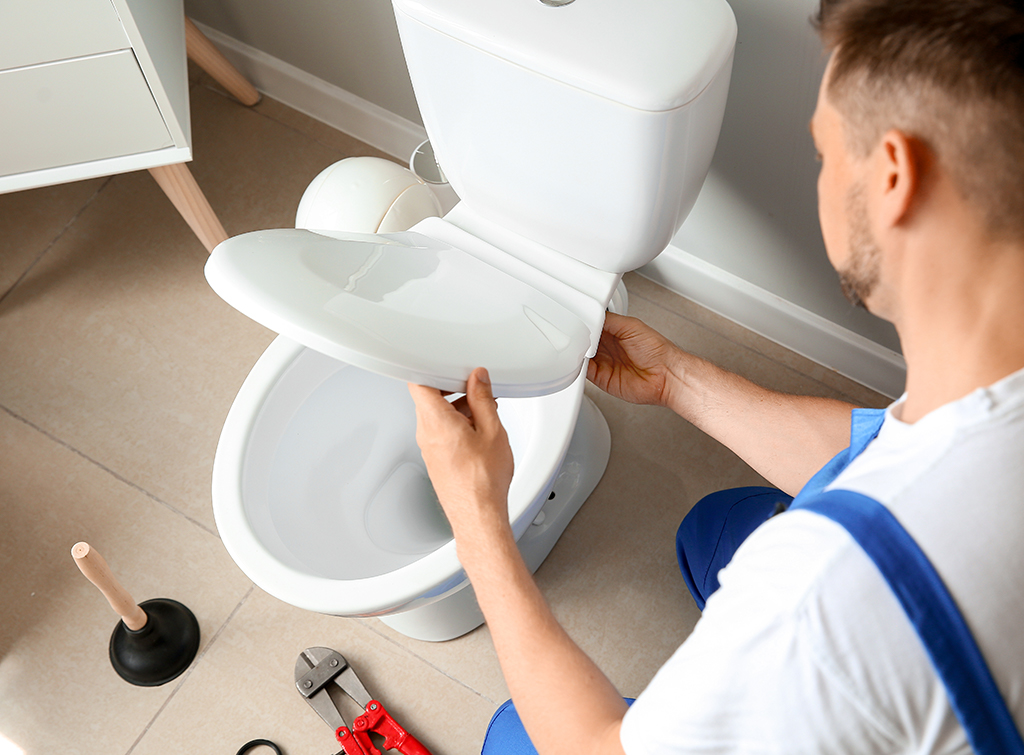
Toilet installation cost in the UK in 2026
Wondering how much it costs to install or replace a toilet? Explore toilet installation costs, plumber rates, replacement prices and fitting costs.
If the syphon turns out to be the real problem, this guide walks through that job on its own:

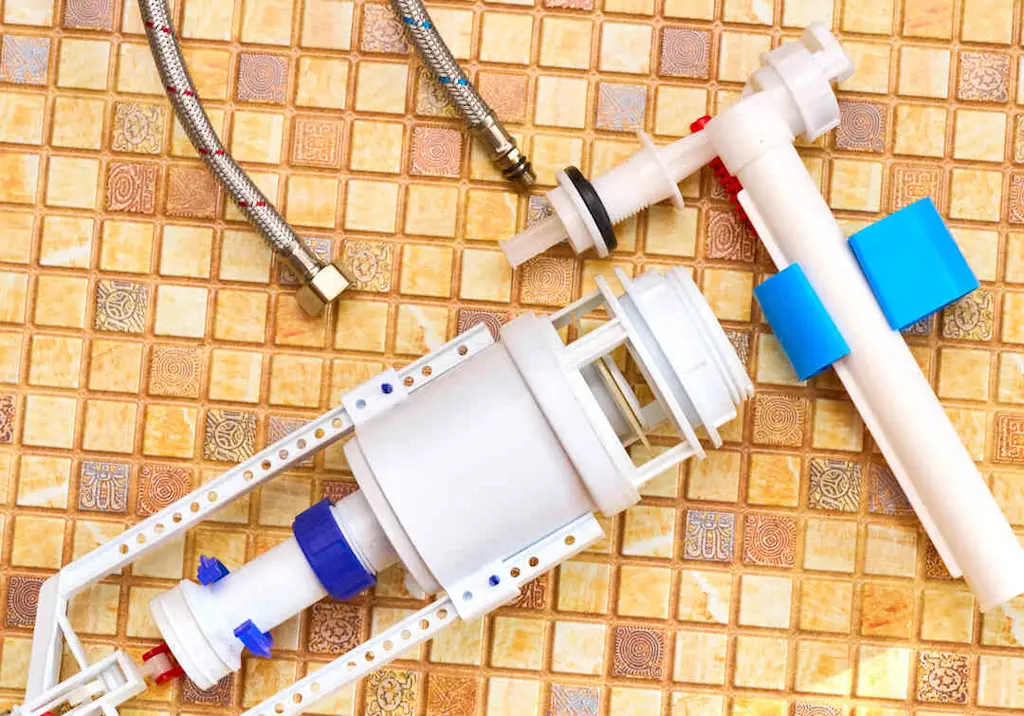
How to replace a toilet syphon
Want to know how to replace a toilet syphon? Look no further. Our informative guide will take you through the process step-by-step with tips and costs.
It's also worth downloading the Checkatrade app to manage the job from your phone.

FAQs
If your toilet won't flush properly, is slow to flush, or makes a gurgling noise, the syphon is often the culprit rather than the whole cistern. If the cistern itself is cracked, leaking from the body, or the fill valve keeps failing, a full cistern replacement is usually the better fix.
Yes. For a standard cistern, most confident DIYers can manage the job with basic plumbing tools. Concealed cisterns behind tiling or boxing are more involved and often better suited to a professional.
This is usually caused by the inlet or fill valve, sometimes called a ballcock, not shutting off correctly. Adjusting the float lower can resolve it; if not, the valve itself may need replacing.
A straightforward like-for-like replacement typically takes one to two hours. A concealed cistern replacement, or one involving new pipework, can take considerably longer.
Usually not, if there's an isolation valve on the feed to the toilet. If there isn't one, you may need to shut off the water at the mains, which is worth checking before you start.
The doughnut washer seals the connection between the cistern's syphon outlet and the flush pipe or pan, preventing leaks at that joint. It's a standard part of most syphon and cistern replacement kits.

See the tradespeople we've checked for your job