PLANNING GUIDES
Planning for first fix electrics: The complete guide
Updated 07/26
By: Emma Potter
Reviewed: Kim Staples
First fix electrics isn't just about a qualified electrician making sure your home complies with safety standards and building regulations. It's one of the most important stages of any build, renovation, or rewire - and it's also one of the easiest to get wrong if it's rushed.
What first fix electrics actually involves
The decisions you need to make before wiring starts
How to plan sockets, switches, and lighting room by room
Roughly what first fix electrics costs
Whether you can safely DIY
When to bring in an electrician, and what to check for
Get the planning right now and you'll futureproof your home's sockets, switches, and lighting for years to come. Get it wrong, and you're looking at chased-out walls and fresh plaster damage to fix mistakes later.
This guide covers everything involved in first fix electrics, from what the stage actually includes through to room-by-room planning tips, realistic costs, and how to hire the right electrician
What is first fix electrics?
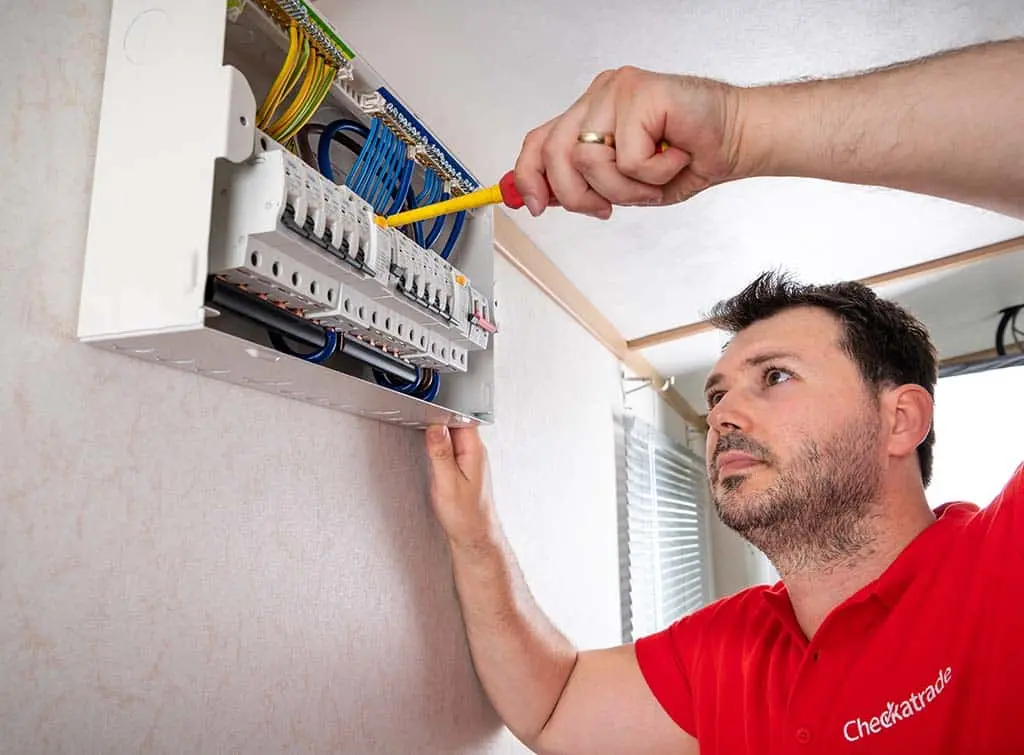
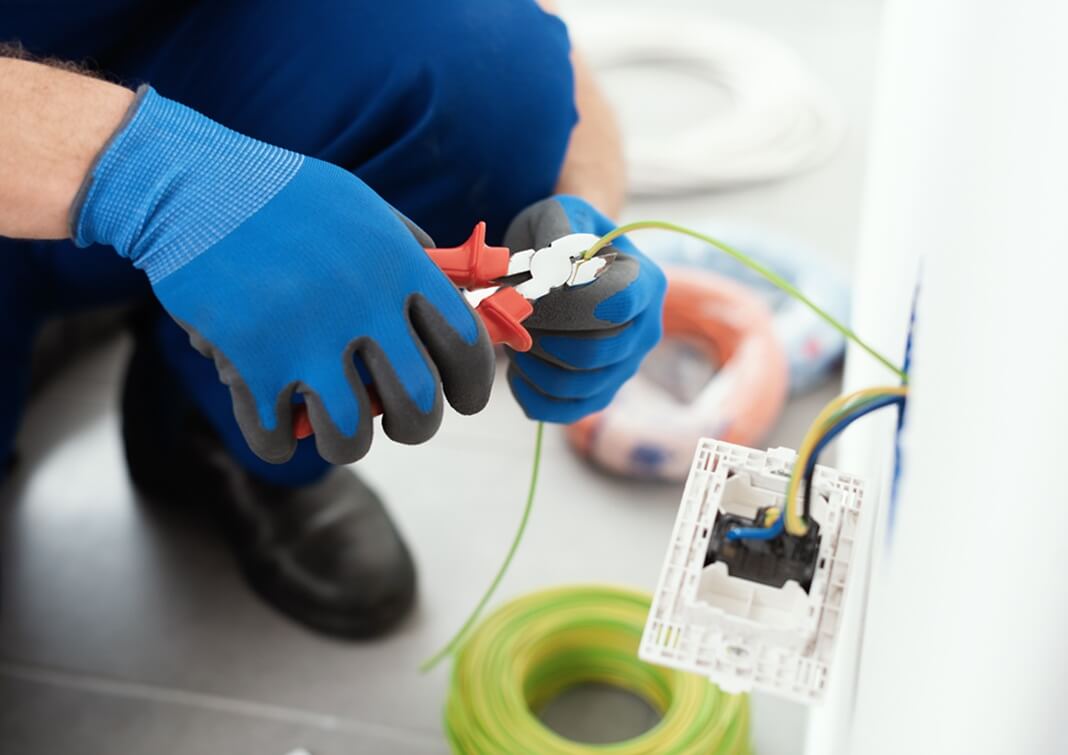
A first fix electrical installation is when a qualified electrician installs the infrastructure for your home's electrics - all the parts that get hidden behind plaster and floors once the job is done. This typically includes:
Earth bonding to prevent electric shock and ensure you have a safe electrical system in place
Running wiring through your home's walls, floors, and ceilings
Installing back boxes for sockets and switches
Fitting a metal consumer unit
This stage often coincides with other first fix construction, such as plumbing and central heating, so it's all hands on deck at this point.
If you're also having plumbing first fixed at the same time, ask your electrician and plumber to coordinate on where pipework and cabling run, so nothing clashes once walls are chased.
What is second fix electrics, and how does it differ?
It's worth understanding this now, because it shapes what you need to decide at first fix stage.
First fix is the wiring you won't see - cables and back boxes behind the walls and ceilings.
Second fix is everything that comes after plastering and painting: your visible sockets, switch plates, light fittings, and the final testing and certification.
Read our companion guide on planning for second fix electrics once first fix is booked in, so you know what to expect next.

Planning for your second fix electrics
It's always exciting to see plug sockets, switches, and lighting fixtures finally installed and tested as part of your home's second fix electrics. Here's everything you need to know to ensure this final stage goes smoothly.
Decisions to make before first fix electrics starts
While a qualified electrician will tackle all the wiring, you'll need to make some key decisions about your power and lighting needs at this stage. This includes deciding if and where to put the following:
Light fixtures
Plug sockets
Underfloor heating
Shaver and electric toothbrush outlets in bathrooms
External garden lighting or security lights with a motion sensor
External electric car chargers
If you forget to factor in any of the above, you'll have to pay for additional electrical fittings later.
This is not a complete disaster, but you'll risk ruining your lovely new plasterwork and paintwork completed before the second fix electrics stage and spending more.
Planning first electrics room by room
This stage is all about meticulous planning. So, if you're dreaming of hanging feature lighting in a living space or installing a bespoke pantry cupboard to hide all your appliances, here are a few tips to help you plan room-by-room for your first fix electrics.
Kitchen
Place your plug sockets 10-15cm above the kitchen worktop for the optimal position
Add a plug socket 45cm above the floor if you plan to work from a kitchen table with a laptop
Ask your electrician to install a pop-up socket tower into the kitchen countertop. Though pricier than a standard wall socket, it's a good way to conceal the power plug points when not in use
Install plug sockets beneath cabinets or worktops to hide them away
Bedrooms
Make sure to plan for downlighters or reading lights if you want more than just a standard ceiling light
Consider installing at least two plug sockets on each side of your bed – one for lighting and one for charging mobile devices
If you don't want to have the position of your bed set in stone, place two plug sockets on another wall with enough space for the bed in between
Think about the placement of a dressing table or chest of drawers and plan for plug points for a table lamp, hairdryer or other electrical items
Living rooms
A row of double sockets in areas where you expect a higher demand for plug points, such as media walls, is handy
Plan plug points around large furniture like sofas to avoid having to use extension leads
Bathrooms
Don't forget about a plug point for an electric toothbrush or shaver
You'll also need to decide on where to place the extractor fan at this stage
Sketch out a room and where you plan to have all your plug sockets, switches, and lighting fixtures. This will help you to brief your electrician.
First fix electrics costs
The cost of your first fix electrics depends on many factors, including:
Size and layout of the property
Number of socket outlets
Whether the home is occupied (electricians work a lot faster in empty properties)
Where you live
Remember to factor in the time and budget for plastering and painting before the second fix electrics stage.
However, to give you a general steer, the average hourly rate for an electrician is between £45–£60. Expect to pay for a few days' work for first fix electrics.
As a general guide, electricians typically charge an hourly rate, though the total for a first fix job depends heavily on scope. Always ask for a clear, itemised quote so you know exactly what's included.
Electrician hourly rates in the UK in 2026
From installing a light fixture to rewiring an entire house – the list of jobs a qualified electrician can help with are endless. Read the latest guidelines and advice in this comprehensive cost guide.
To get a rough idea of how much your first fix electrics may cost, you can also use our job estimate calculator.
Just enter some details about your project, and the tool will use Checkatrade data to give you an approximate quote - so you know what to expect.
Job Estimate Calculator

First fix electrics and rewiring
Not every first fix electrics job starts with a blank canvas. If you've moved home and inherited old or faulty wiring, an electrician will first strip out the old wiring and potentially move the existing meter before starting afresh with the first fix electrics.
In general, the price you’re quoted for rewiring electrics will include:
Removal of old fittings and wiring
New wiring throughout the property
Installation of a new metal consumer unit
How much does it cost to rewire a house in the UK?
Bought a new property or looking to upgrade the wiring in your existing house? Find out the average house rewiring costs to help plan your budget.
Building regulations for first fix electrics and rewiring
Rewiring and first fix electrical work in the UK must comply with Part P of the Building Regulations, which covers electrical safety in dwellings.
A qualified electrician will already know this inside out, but for peace of mind, ask for an Electrical Installation Certificate (EIC) and Building Regulations Compliance Certificate once the work is signed off.
Note that there's no certificate issued specifically for the first fix stage alone - certification comes once the full job, including second fix, is complete and tested.
Can I do first fix electrics myself?
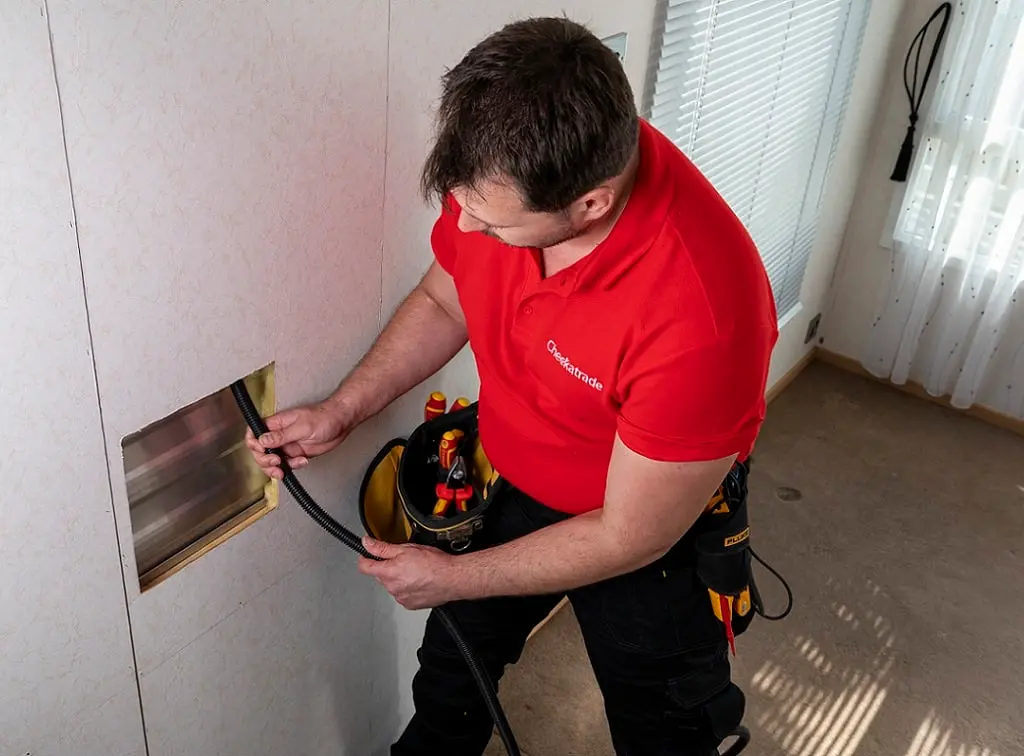
No, first fix electrics isn't really a DIY job.
Chasing cables, fitting back boxes, and running wiring through walls, floors, and ceilings involves working close to safety zones defined in the UK wiring regulations (BS 7671).
Most notifiable electrical work also needs to be signed off by a registered electrician or reported to building control.
For anything beyond very minor, non-notifiable work, it's best left to a qualified electrician - both for safety and to avoid problems if you come to sell the property later.
What about a garden room or outbuilding?
If you're first fixing electrics in a garden room, the same principles apply - a qualified electrician should handle any new circuits, and depending on the scope, the work may still need to be notified to building control.
How to hire a qualified electrician
Ready to get your first fix electrics underway? Here's how to find the right person for the job.
Use a professional directory like Checkatrade to search trusted local electricians
Read genuine reviews from real customers before you hire
Compare multiple quotes from a few tradespeople so you can see a fair market rate
Check accreditations - your electrician should be registered with a Competent Person Scheme, meaning their work has been independently assessed
We're so confident in the quality of the tradespeople on Checkatrade that if you book through us, we guarantee their work up to £1,000. (T&Cs apply.)
We also make sure all our Checkatrade members have up-to-date public liability insurance for your added peace of mind.

Ready to find a qualified electrician near you? Simply search your postcode to start browsing electricians covering your area, or download the Checkatrade app.
Find qualified electricians working in your area

How to prepare for first fix electrics
Before you hire your electrician, make sure you've done all the necessary prep work.

Your first fix electrics checklist
FAQs
First fix electrics takes place before plastering and painting, so wiring can be safely hidden behind walls and ceilings.
First fix is the hidden wiring, back boxes, and consumer unit installed before plastering. Second fix is the visible finishing work - sockets, switch plates, and light fittings - completed after decorating.
No. Most first fix work, including chasing walls and running new circuits, should be done by a qualified electrician to meet UK wiring regulations and building control requirements.
Plastering happens after first fix electrics, so cables and back boxes are hidden behind a clean, professional finish.
Electricians charge an average of £45-60, and this is work that can take a few days to complete. The exact cost will vary by property size, number of sockets, and whether the property is occupied during works.
A first fix plan covers all the work needed to take a property from foundation stage to plastering, including electrics, plumbing, and central heating.
A qualified electrician can handle this for you. Certain electrical work is notifiable under Part P of the Building Regulations. A registered electrician can usually self-certify their own work - but for anything else, building control may need to be involved.
Yes, the same wiring principles and safety standards apply. A qualified electrician should handle new circuits, and the work may still need notifying to building control depending on scope.

Check out our electrician hub for all the information you need in one place. There's everything from the cost of adding plug sockets to hanging a chandelier!
See the tradespeople we've checked for your job