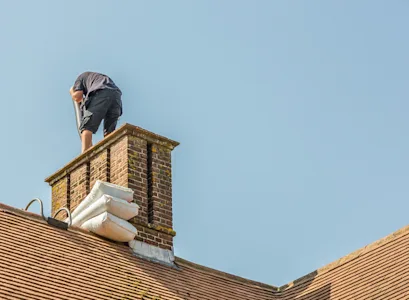
Find trusted chimney cowl fitters near you
Search your postcode to find your local Checkatrade-approved tradespeople

Find a tradesperson near me
to view most relevant local trades, or search your postcode to browse more
Highverge Ltd
10.00
(172 reviews)Services & skills
RooferChimney Cowlings InstallationGreen Roofing InstallationEmergency Roofing ServiceBalcony Roofing RepairRidgeline Property Maintenance
10.00
(37 reviews)Services & skills
RooferChimney Cowlings InstallationFelt Roofing InstallationRoofing RepairsDormer / Roof WindowsRipley Developments Ltd
10.00
(84 reviews)Services & skills
RooferChimney Cowlings InstallationSlate Roof InstallationTiled Conservatory Roof InstallationHot Melt Roofing InstallationWorld of Roofing
10.00
(135 reviews)Services & skills
RooferChimney Cowlings InstallationRubber Roofing InstallationSlate Roofer RepairPitched Roofing InstallationCrown Roofing & Leadwork Ltd
10.00
(3 reviews)Services & skills
RooferChimney Cowlings InstallationTiled Conservatory Roof RepairEmergency Roofing ServicePitched Roofing RepairHybrid Roofing
10.00
(52 reviews)Services & skills
RooferChimney Cowlings InstallationLiquid Plastic Roofing InstallationFelt Roofing RepairDormer / Roof Windows


A chimney cowl is one of those small fixes that makes a big difference.
Whether you're dealing with smoke blowing back into the room, rain getting into the flue, or birds setting up home in your chimney stack, the right cowl - fitted properly by a professional - can solve the problem quickly and affordably.
A chimney cowl protects your home from rain, birds, downdraught, and debris
There are several cowl types - the right one depends on your chimney and situation
Most installations are carried out by roofers or qualified chimney sweeps
Scaffolding may be needed for taller properties, which affects the overall cost
Always hire a vetted tradesperson - DIY cowl fitting on a roof carries serious risks
Check reviews and get at least two or three quotes before booking
Search Checkatrade to find approved chimney cowl fitters in your area
This guide covers everything you need to know: what chimney cowls do, the different types available, what the job involves, and how to find and hire a reliable fitter near you.
What is a chimney cowl and what does it do?
A chimney cowl is a cover or cap fitted to the top of a chimney pot. It sits above the flue opening and is designed to protect the chimney from the outside elements while still allowing smoke and gases to escape safely.
Depending on the type, a chimney cowl can:
Stop rain and moisture getting into the flue
Prevent birds and squirrels from nesting inside the chimney
Reduce or eliminate downdraught - cold air and smoke blowing back into the room
Block debris, leaves, and other obstructions from falling in
Cap off a disused chimney to prevent structural damp damage
Most cowls are made from aluminium, stainless steel, or galvanised iron, and are built to withstand years of outdoor exposure.
If you've noticed a musty smell from a fireplace you rarely use, or damp patches near the chimney breast, a capper cowl on your unused flue could solve the problem without any major work.
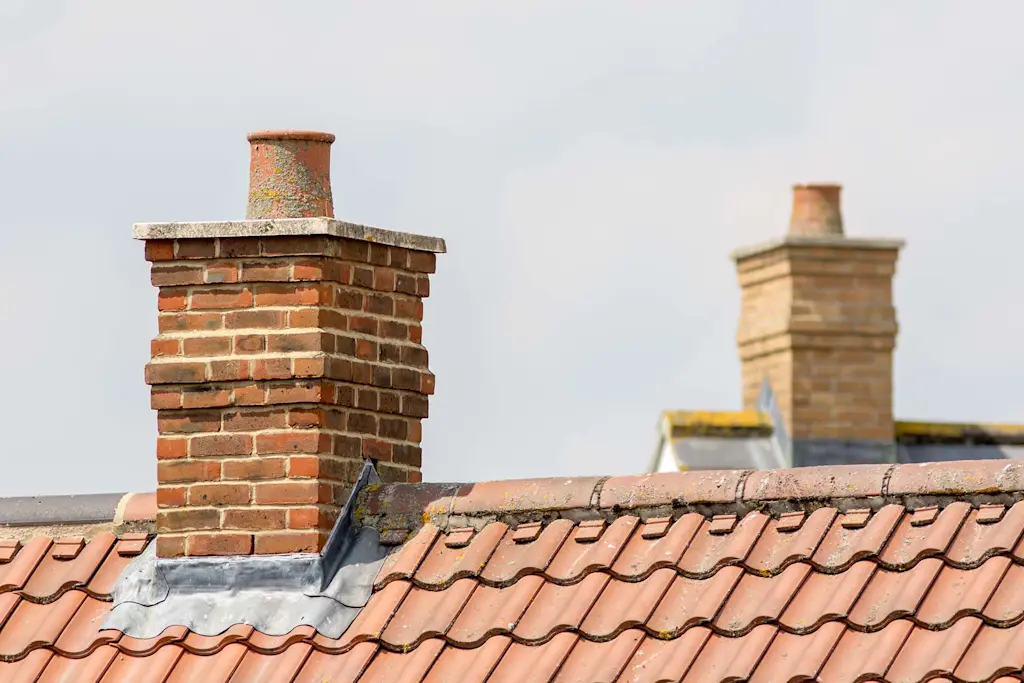
Signs you might need a chimney cowl
Not sure if you need one fitted? These are the most common signs that a cowl would help:
Smoke blowing back into the room when the fire is lit - a classic sign of downdraught
Birds or animals getting into the chimney - jackdaws and rooks are frequent offenders, pushing nesting material deep into the flue
Rain coming down the chimney - can cause damp, damage to the flue lining, and freeze-thaw deterioration in winter
Draughts coming from the fireplace even when it isn't in use
A chimney stack that's no longer in use - an uncapped disused chimney is vulnerable to structural water damage over time
Blockages causing poor draw - debris or nesting material restricting airflow
If you're experiencing any of these issues, it's worth getting a chimney specialist to take a look before booking a cowl installation. They can confirm the right type of cowl for your situation and check the flue is clear and in good condition.
Find chimney experts in your area
Types of chimney cowl
There are several types of chimney cowl available, and choosing the right one matters. A cowl that's wrong for your situation - or your fuel type - can make things worse rather than better.
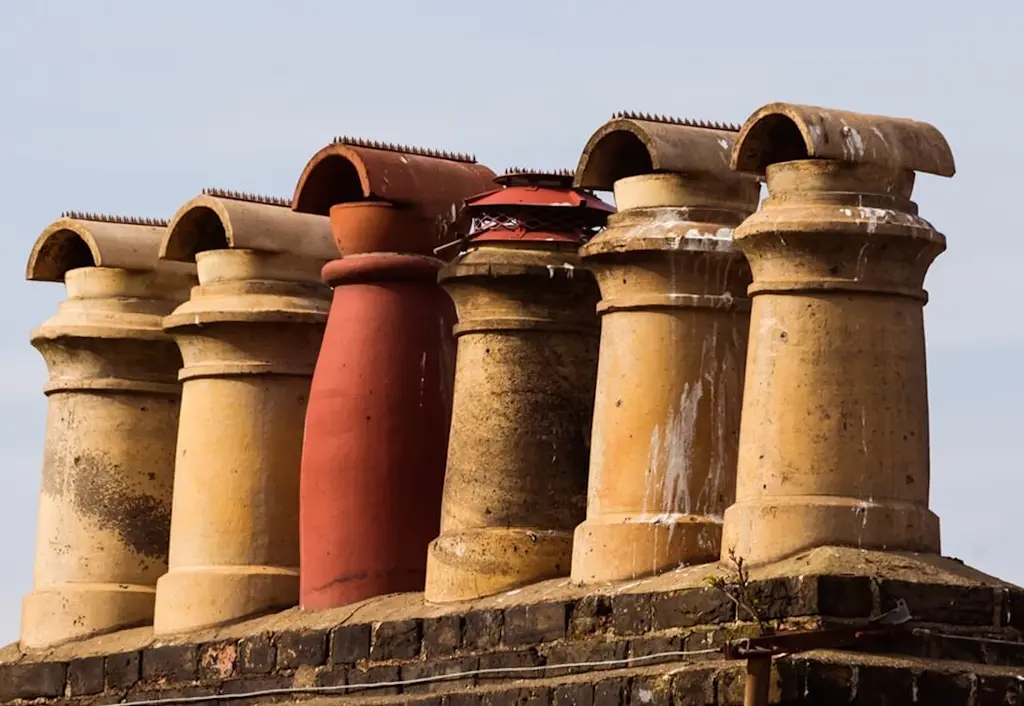
Anti-downdraught cowl
The most commonly fitted type. Designed to stop cold air and wind from pushing back down into the flue. If you're getting smoke in the room when the fire is lit, this is usually the first thing a fitter will recommend.
Some anti-downdraught cowls are static, while others spin in the wind (sometimes called rotary or spinner cowls). Spinning versions actively generate updraught, which can be useful on chimneys with a consistently poor draw.
Bird guard
A mesh cage or grille fitted over the chimney pot opening. It lets smoke and gases out while keeping birds, squirrels, and other pests from getting in. Bird guards can also incorporate a rain cap to deal with water ingress at the same time.
Important: if birds have already nested in the chimney, the nest must be fully removed before fitting a bird guard - never seal a nest inside the flue.
Bird nesting season in the UK runs roughly from February to August. If you suspect birds in your chimney, get it checked and cleared before the season starts to avoid delays.
Rotary or spinner cowl
A rotating cowl that uses wind movement to create updraught in the flue. Useful for chimneys with persistent downdraught problems, particularly on exposed or elevated properties. Available in powder-coated black, terracotta, and buff finishes to match different chimney pots.
Rain cap / chimney cap
A simple fixed cap that sits over the pot to stop rain getting in. Often used alongside a bird guard in a combined unit. Particularly useful for chimneys in exposed positions or properties that have experienced damp issues linked to the flue.
Capper (for disused chimneys)
If a fireplace is no longer in use, an open chimney stack still lets rain in - and without the heat of a fire to dry it out, that moisture can cause serious structural damage over time. A capper seals the top of the chimney pot while still allowing some ventilation. Available in strap-fixing or hook-bolt designs, and in finishes including terracotta, buff, black, and natural.
Capping an unused chimney is a small upfront cost that can prevent expensive repairs down the line.
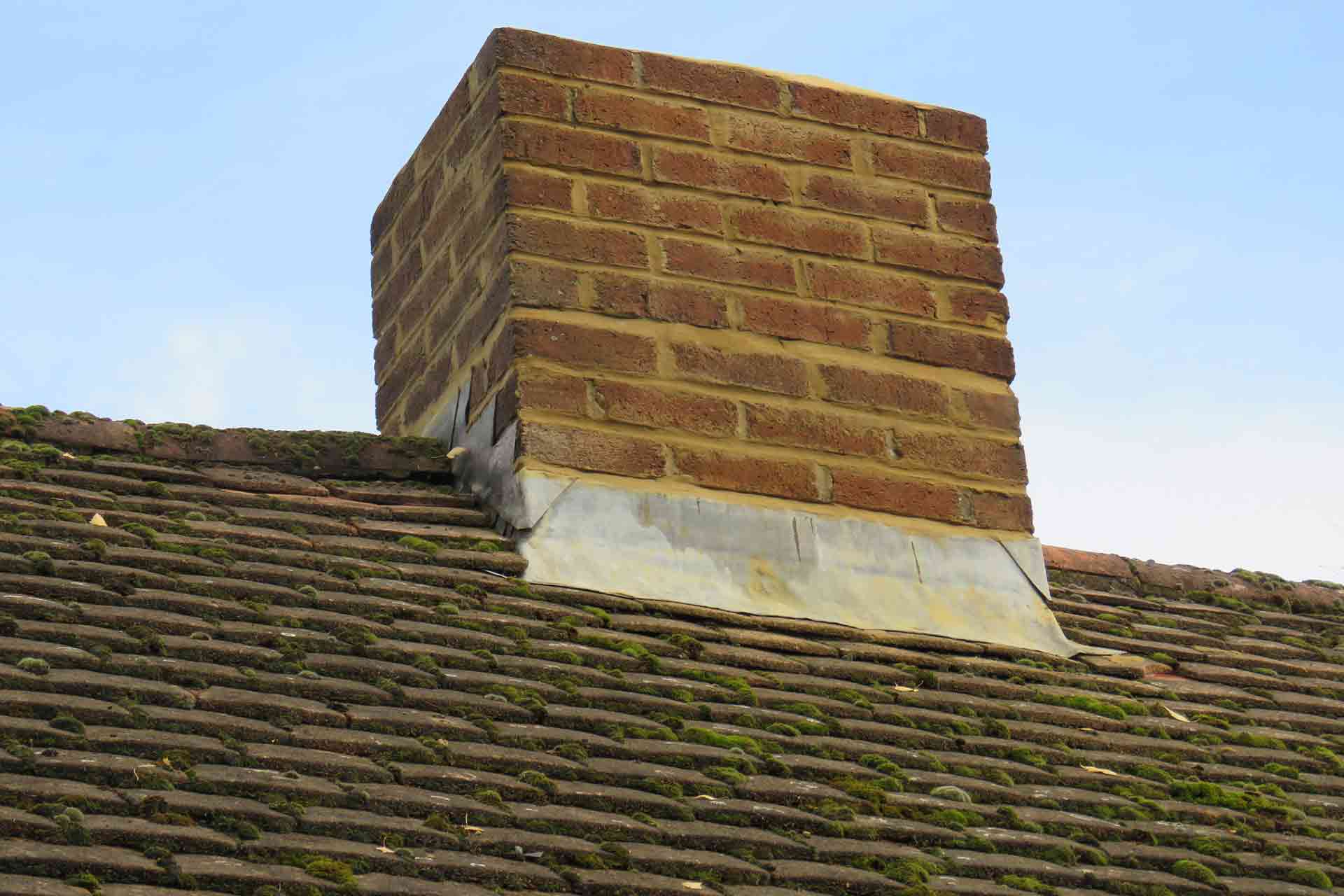
How to repair your chimney
A chimney is exposed to a lot of wear and tear over the years. Whether it’s taking a battering in severe weather conditions or helping you heat your home through those long, cold winters, our faithful chimneys go through a lot.
Multi-fuel and solid fuel terminals
For wood-burning stoves and solid fuel appliances, the terminal fitted to the flue outlet needs to meet specific requirements. Your installer will advise on the appropriate terminal for your fuel type - using the wrong one can affect combustion and safety.

Who fits a chimney cowl?
Chimney cowl installation is typically carried out by:
Roofers - most experienced roofers are comfortable with chimney cowl fitting as part of their standard work
Chimney sweeps - many qualified sweeps also offer cowl fitting, and can advise on the right type based on the condition of your flue
Chimney specialists - for more complex situations, particularly older or damaged chimney stacks, a dedicated chimney specialist may be the better choice
For a straightforward cowl replacement on an accessible chimney, either a roofer or a sweep will usually be able to handle the job in around an hour.
For taller properties, chimneys in poor condition, or situations where the cause of the problem isn't clear, a specialist is worth considering.
All tradespeople on Checkatrade are vetted through up to 12 checks before they can join, so whoever you hire through our directory has already been assessed for qualifications, insurance, and identity.

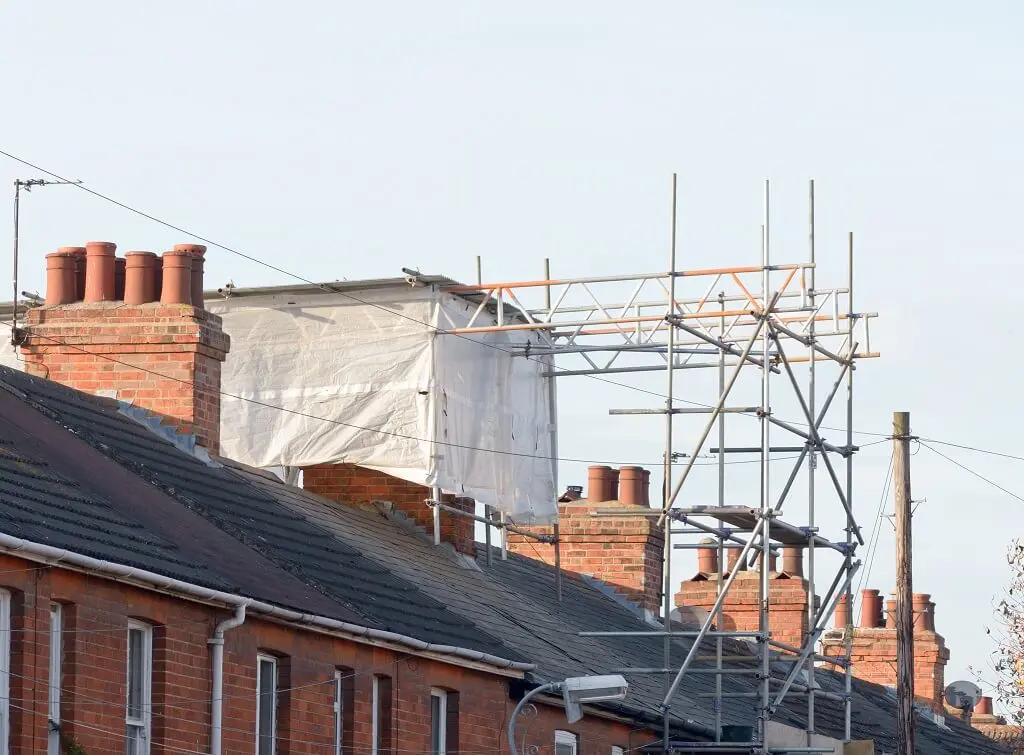
Does fitting a chimney cowl require scaffolding?
It depends on the property. For single-storey or low-pitched roofs, a fitter may be able to use a roof ladder safely. For taller properties, or chimneys in harder-to-reach positions, scaffolding is often needed to ensure safe working at height.
Your fitter should assess access requirements before providing a quote. If scaffolding is needed, make sure this is included in the written estimate - it's one of the main variables that affects the total cost of the job.
Top tip: Always ask your tradesperson to confirm whether scaffolding will be needed before you agree a price. An unexpected scaffolding cost can significantly change the final bill.
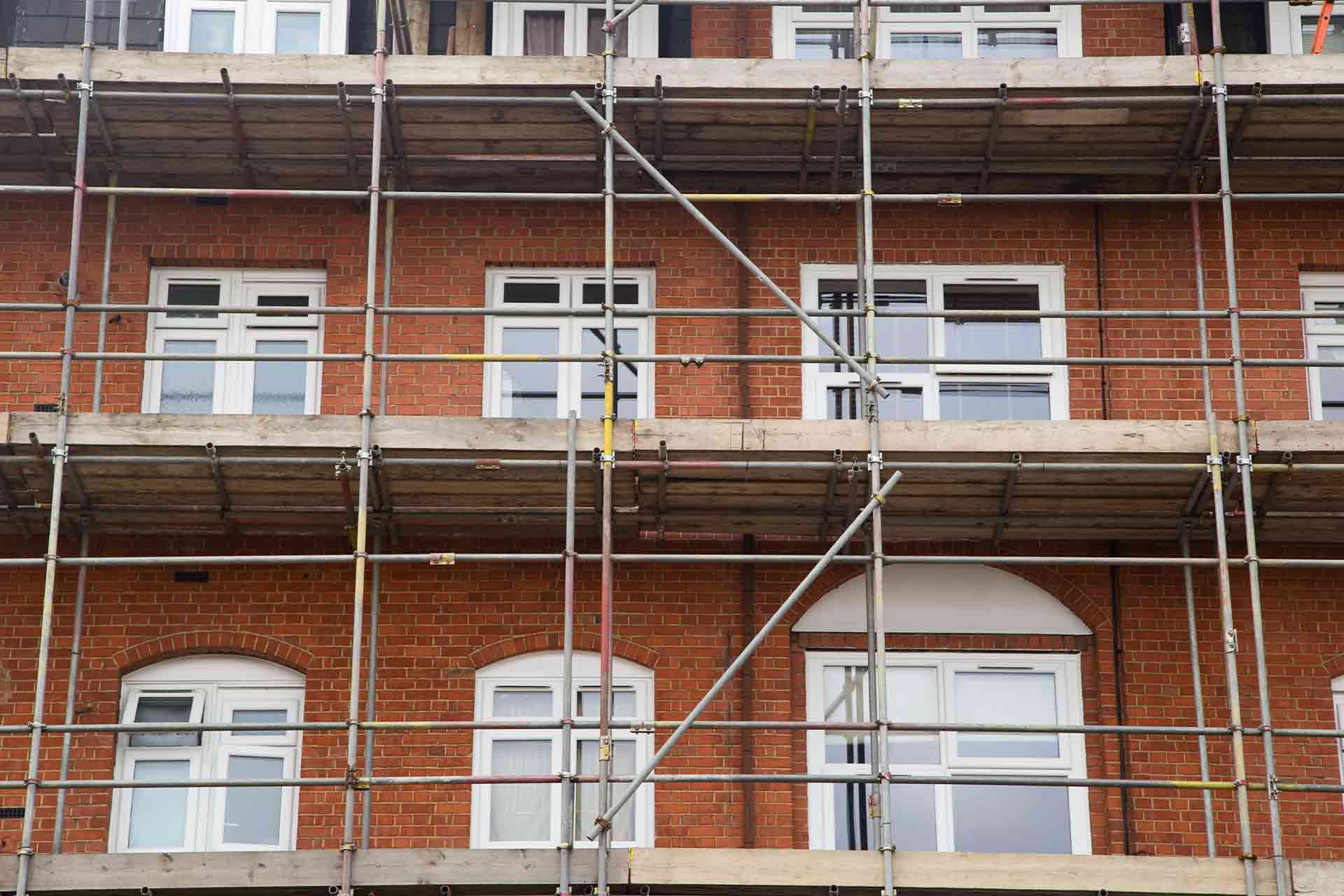
Scaffolding costs: Price breakdown 2026 (UK)
Scaffolding is essential for many home improvement projects, including roof repairs, exterior painting, and repointing. Discover average scaffolding costs, factors that affect price, and what you need to know about permits.
How much does chimney cowl fitting cost?
The cost of fitting a chimney cowl varies depending on several factors:
Type of cowl - basic bird guards and rain caps are cheaper than spinning anti-downdraught cowls or specialist terminals
Chimney size - larger chimney pots need larger cowls, and the materials cost more
Access requirements - properties needing scaffolding will cost more than those accessible by ladder
Condition of the chimney - if other work is needed at the same time (such as repointing or flashing repairs), this will add to the overall cost
For current price ranges, see our chimney cap installation cost guide. It's always worth getting two or three quotes from local fitters before committing.
On Checkatrade, you'll only find trades who meet our high standards and pass up to 12 checks.
What to check before hiring a chimney cowl fitter
Finding the right tradesperson doesn't have to be complicated. Here's what to look for:
Check reviews from verified customers
Online reviews are one of the best indicators of quality - but only if they're genuine. On Checkatrade, every review is checked to confirm it came from a real customer who used that tradesperson. That means you can trust what you're reading.
Get a written quote
Always ask for a written quote that clearly sets out the cost of labour, materials, and any access equipment such as scaffolding. A reputable fitter will have no problem providing this before work begins.
Ask about the right cowl for your situation
A good fitter won't just turn up and fit whatever cowl they happen to have in the van. They'll assess your chimney, identify the cause of the problem, and recommend the most appropriate type. If they can't explain why they're recommending a particular cowl, that's a red flag.
Check they're insured
Public liability insurance protects your property if something goes wrong during the job. Ask to see evidence of this before work starts.
Ask if anything else needs attention
A chimney cowl can only do so much. If the flue lining is damaged, the flashing is letting in water, or the chimney stack needs repointing, fitting a cowl won't fix those underlying issues. A thorough tradesperson will flag anything else they spot while they're up there.
For more guidance on hiring, see our full chimney specialist hiring guide.
Find checked and reviewed chimney repair specialists
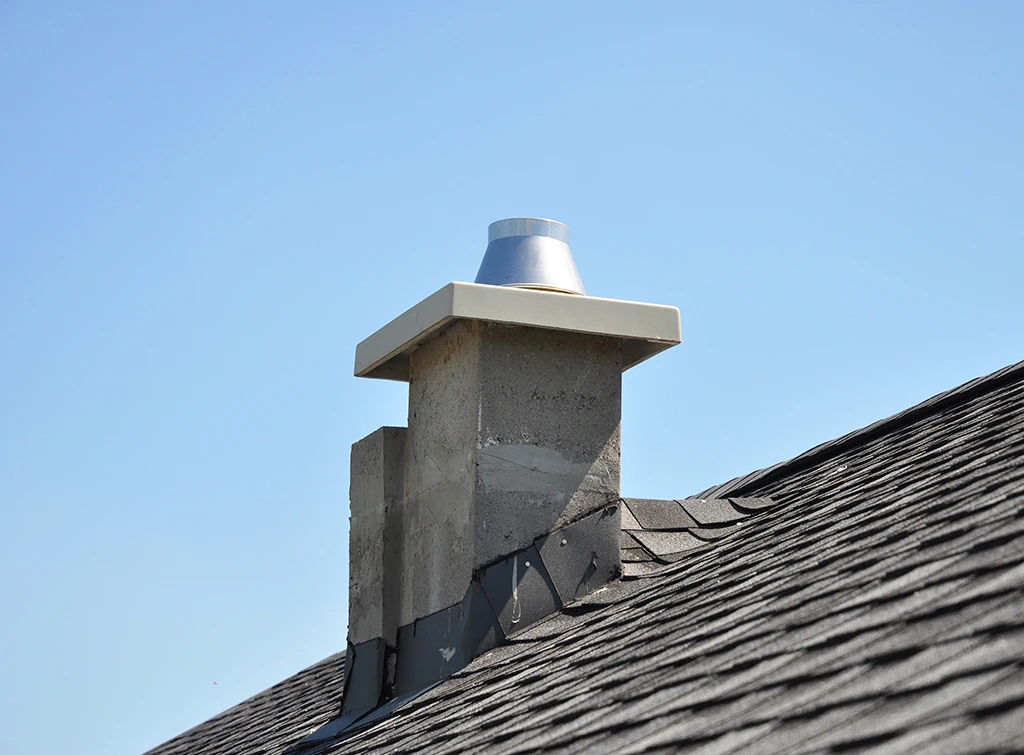
Chimney cowl fitting checklist
Before and after the job, run through this quick checklist:

Chimney cowl installation checklist
Related chimney guides
If you're dealing with wider chimney issues, these guides can help:

If you're planning wider home improvements, we can help with that too. At Checkatrade, you’ll find guidance on everything from chimney stack repairs and roof maintenance to wood burner installation and repointing.
Frequently asked questions
What is the difference between a chimney cowl and a chimney cap?
The terms are often used interchangeably, but there is a difference. A chimney cap is a simple fixed cover that sits over the pot to keep rain and debris out.
A chimney cowl is a broader term that covers a wider range of products - including anti-downdraught designs, rotating cowls, and bird guards - that do more than just keep rain out.
Can I fit a chimney cowl myself?
Technically yes, but it's not recommended. The cowl itself isn't complicated to attach, but safely accessing a chimney pot - which involves working at height on or near a roof - is genuinely dangerous without the right equipment and experience.
A professional roofer or chimney sweep can typically complete the job in under an hour for a reasonable cost. The risk of a DIY attempt isn't worth it.
Will a chimney cowl stop smoke coming back into the room?
An anti-downdraught cowl is specifically designed to address this. In most cases it will significantly reduce or eliminate smoke blowback caused by downdraught.
However, if the issue is caused by something else - such as a blocked or damaged flue - a cowl alone won't fix it. If a new cowl doesn't solve the problem, get the flue inspected.
Do chimney cowls work on gas fires?
Yes, but the type of cowl matters. Gas appliances require specific terminals that allow the correct balance of ventilation. Some solid fuel cowls - particularly those with birdguards - are not suitable for gas systems without modification.
Always tell your fitter what fuel type you use so they can recommend a compatible product.
How long does a chimney cowl last?
A good quality cowl made from aluminium or stainless steel should last 20 years or more in normal conditions.
Galvanised iron cowls tend to have a shorter lifespan and may need replacing sooner, particularly in coastal areas where salt air accelerates corrosion. Your fitter can advise on the most durable option for your location.
Do I need planning permission to fit a chimney cowl?
In most cases, no. Fitting a chimney cowl is considered routine maintenance and does not require planning permission. However, if you live in a listed building or a designated conservation area, it's worth checking with your local planning authority before making changes to the external appearance of the chimney stack.
Can a chimney cowl prevent carbon monoxide issues?
A cowl can help by preventing blockages - such as bird nests or debris - that restrict airflow and increase the risk of carbon monoxide building up. However, a cowl is not a substitute for a working carbon monoxide alarm and regular chimney sweeping.
If you have any concerns about CO risk, get the flue inspected by a qualified professional.
How do I know if my chimney cowl needs replacing?
Signs that a cowl may need replacing include visible rust or corrosion, a cowl that's become loose or is moving around in the wind, persistent downdraught or smoke problems that weren't there before, or evidence of water getting into the flue despite having a cowl fitted.
If you're not sure, a chimney sweep or roofer can check it as part of a routine inspection.