EXPERT ADVICE
How to keep your house cool in summer
Updated 05/26
By: Content Team
Reviewed: Laura Macdonald
There's no denying us Brits love a bit of sunshine. Our mood lifts, the garden furniture comes out, and suddenly everyone wants to dine alfresco. But there’s usually a point where the novelty starts to wear off — often somewhere around bedtime. Bedrooms become stuffy, upstairs rooms hold onto heat long after the sun’s gone down, and working from home can start to feel uncomfortable by lunchtime. If you’ve ever spent a balmy night turning the pillow over trying to find the cool side, you’ll know exactly the kind of heat we’re talking about.
Quick ways to cool down your home during hot weather
Why some UK homes overheat more than others
Affordable cooling upgrades that genuinely help
Whether air conditioning is worth it in the UK
How to keep bedrooms cooler at night
Bigger home improvements that can reduce overheating
When it’s worth hiring a professional
The good news is that keeping your home cool in summer doesn’t always mean expensive renovations or major work. Sometimes, a few small changes can really help. Other times — especially in homes that overheat every year — it’s worth looking at longer-term cooling solutions. This guide explains practical ways to keep your home cooler in summer, from quick low-cost fixes to bigger improvements that can make hot weather much more manageable.
Quick ways to keep your home cooler
If your house already feels too hot, start here. A few small changes can help cool things down surprisingly quickly, especially if you make them before the house heats up for the day.
Some of the most effective ways to keep your house cool in summer include:
Keeping curtains, blinds or shutters closed during the hottest part of the day
Opening windows early morning and late evening when outdoor temperatures are lower
Creating airflow by opening windows on opposite sides of your property
Avoiding ovens, tumble dryers and other heat-generating appliances during peak heat
Switching to LED lighting if you still use older bulbs
Using lighter bedding and breathable fabrics such as cotton or linen
Positioning portable fans to help move air through the room
South-facing rooms usually heat up fastest. Closing blinds or curtains before the room gets hot is often much more effective than trying to cool it down later in the evening.
Keeping bedrooms cooler at night
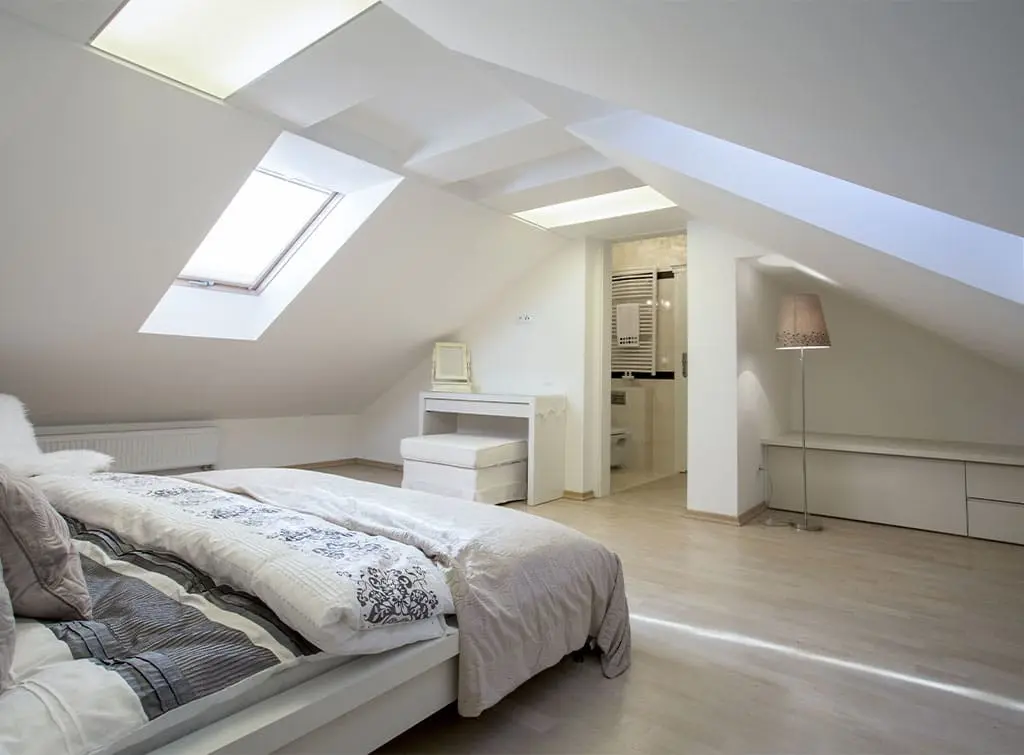
Bedrooms are often the hardest rooms to keep comfortable during hot weather, especially loft conversions and top-floor rooms where heat becomes trapped throughout the day.
A few small changes can make nights feel a lot more manageable:
Open windows later in the evening once outdoor temperatures begin to drop
Position a fan near an open window to help pull cooler air through the room
Keep loft hatches closed during the daytime to reduce heat transfer
Avoid drying washing indoors during heatwaves
For rooms that become consistently uncomfortable every summer, portable or fixed air conditioning can sometimes make a worthwhile difference to sleep quality.
Why do some homes get so hot in summer?
Large south-facing windows, loft conversions, poor airflow and modern airtight insulation can all contribute to overheating during warm weather. Electronics, flat roofs and dark roofing materials can also add to the problem.
Top-floor flats and loft bedrooms are often the worst affected. Some still feel warm late into the evening, even once the temperature outside has dropped.
If your home overheats every summer, it may be worth looking beyond temporary fixes and thinking about longer-term cooling improvements.
Affordable ways to cool a room in summer
You don’t necessarily need air conditioning to make a room feel cooler. In many homes, a few fairly simple upgrades can make hot weather much easier to live with.
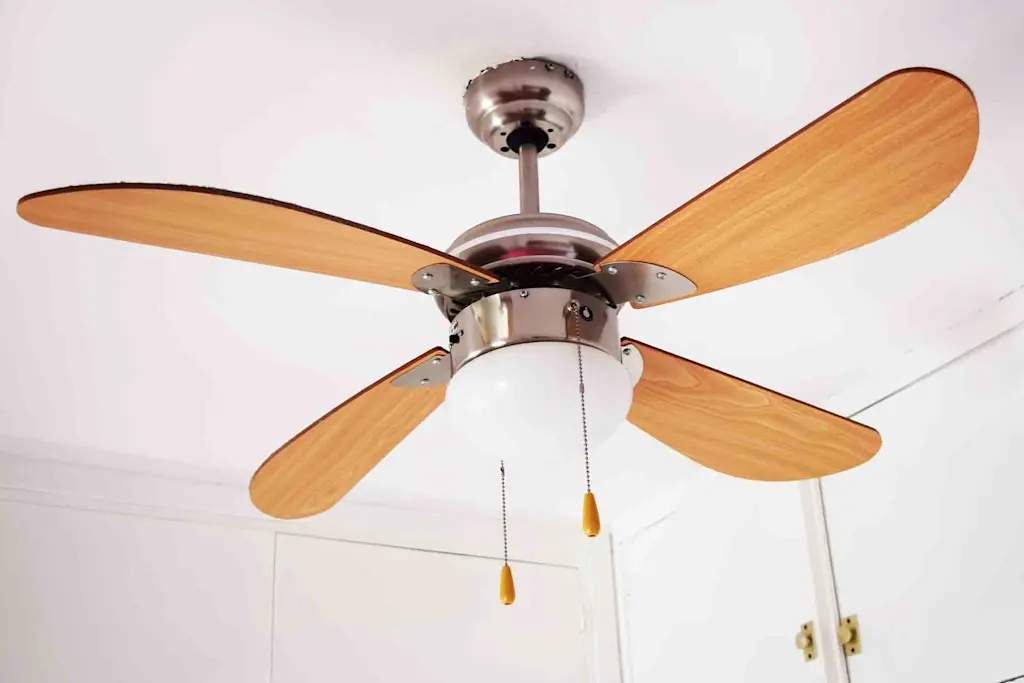
Ceiling fans
Ceiling fans are still one of the easiest ways to make a hot room feel more bearable, especially in bedrooms that never seem to cool down properly.
Even without lowering the actual room temperature, that gentle airflow can make bedrooms feel far more comfortable during hot weather.
They’re also relatively inexpensive to run compared with air conditioning systems.
A ceiling fan including installation typically costs around £540, depending on the style and electrical work required.
Our guide to ceiling fan installation costs has more detailed pricing information.
Blinds, shutters and window coverings
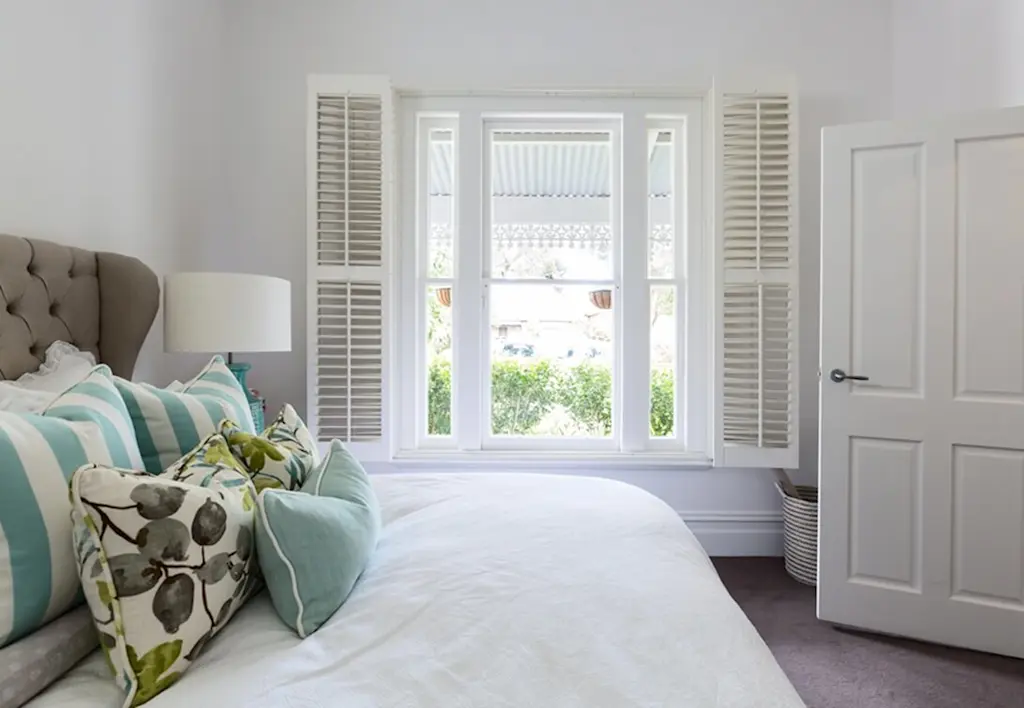
A surprising amount of heat comes through uncovered windows, especially in south-facing rooms that get the afternoon sun.
Shutters, blackout blinds and thermal curtains are all effective ways to help reduce solar heat gain.
Plantation shutters typically cost around £240 per m² , depending on the material and design.
You can compare the pros and cons in our shutters vs blinds guide, or take a look at our shutter cost guide for more pricing information.
It can feel odd shutting curtains on a sunny day, but it often makes a noticeable difference later in the evening.
Does window film help keep a house cool?
In some homes, window film can noticeably improve comfort.
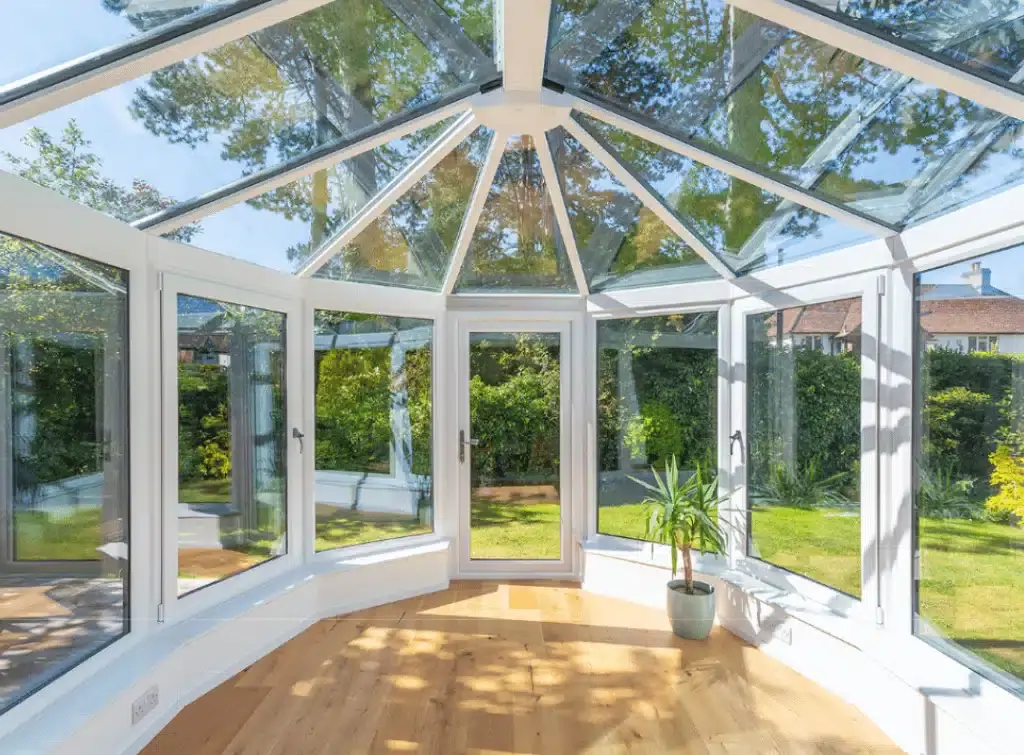
Solar control window film helps reduce the amount of heat entering through glass, which can be particularly useful in conservatories, south-facing rooms, and home offices that get strong afternoon sun.
It won’t completely cool a room on its own, but it can reduce glare and take the edge off during hot weather.
Portable air conditioning units
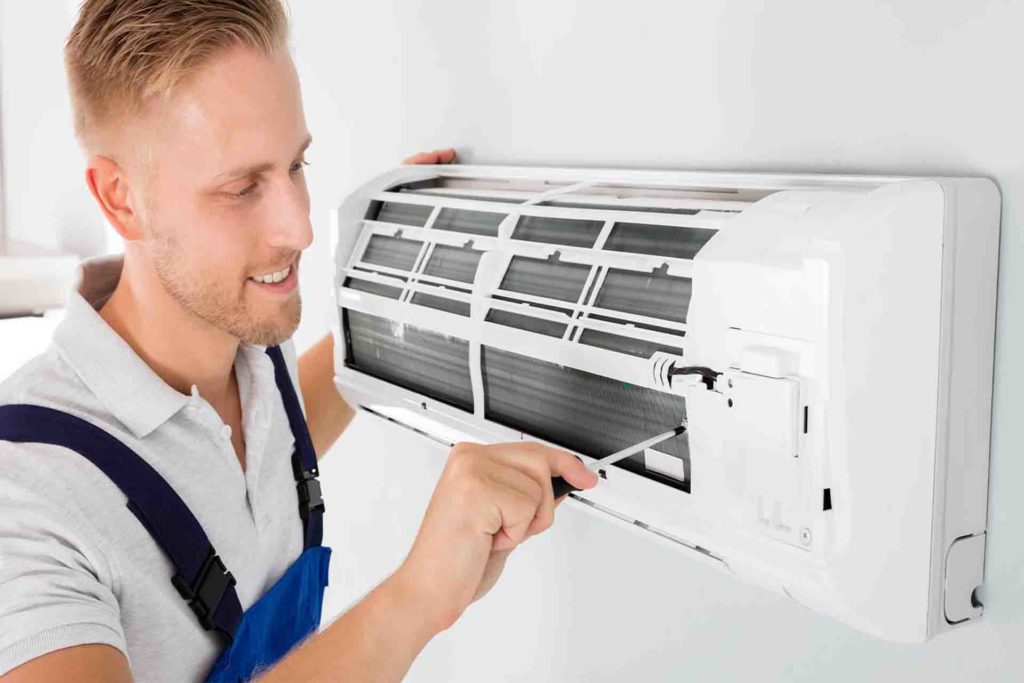
Portable air con units have become much more common in UK homes over the past few summers, especially in bedrooms and home offices that get unbearably hot.
They can work well for:
Bedrooms
Home offices
Small flats
Occasional heatwaves
The downside is that they’re usually noisier and less efficient than fixed systems. Still, for some households, they’re enough to make hot nights much more manageable.
Find air conditioning companies near me
Looking for relief from the every-rising summer temperatures and decided installing air conditioning is the way forward? Here's how to find checked and reviewed air conditioning companies near you to get the job done right.
Is air conditioning worth it in the UK?
A few years ago, most people in the UK probably wouldn’t have considered installing air conditioning at home. Now, after several hotter summers and the thought of more sleepless nights, it’s a conversation happening much more often.
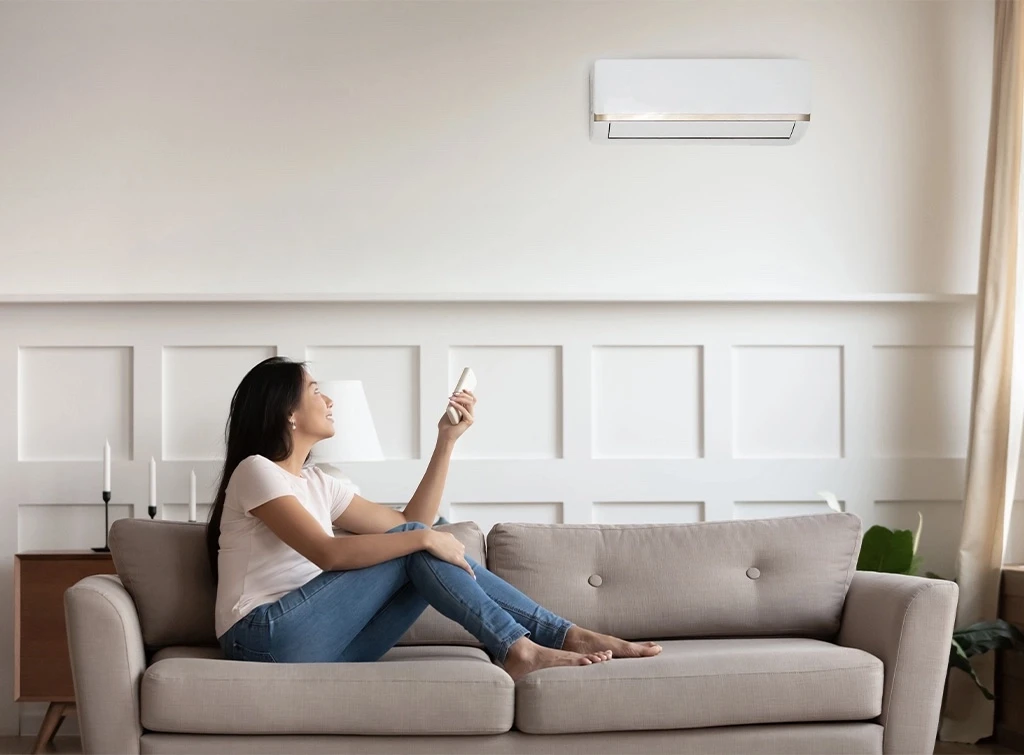
For homes that regularly overheat — especially bedrooms or home offices — air conditioning can make a huge difference to comfort and sleep quality.
It’s becoming increasingly common in:
New loft conversions
Garden offices
South-facing bedrooms
Modern highly insulated homes
Properties where people work from home full-time
Typical installation costs are:
Small home office: from around £1,750
Double bedroom: around £2,250–£3,000
Our air conditioning installation cost guide has all the details.
Bigger home improvements that help keep homes cooler
If your home turns into a greenhouse every summer, it may be worth thinking about bigger long-term fixes.
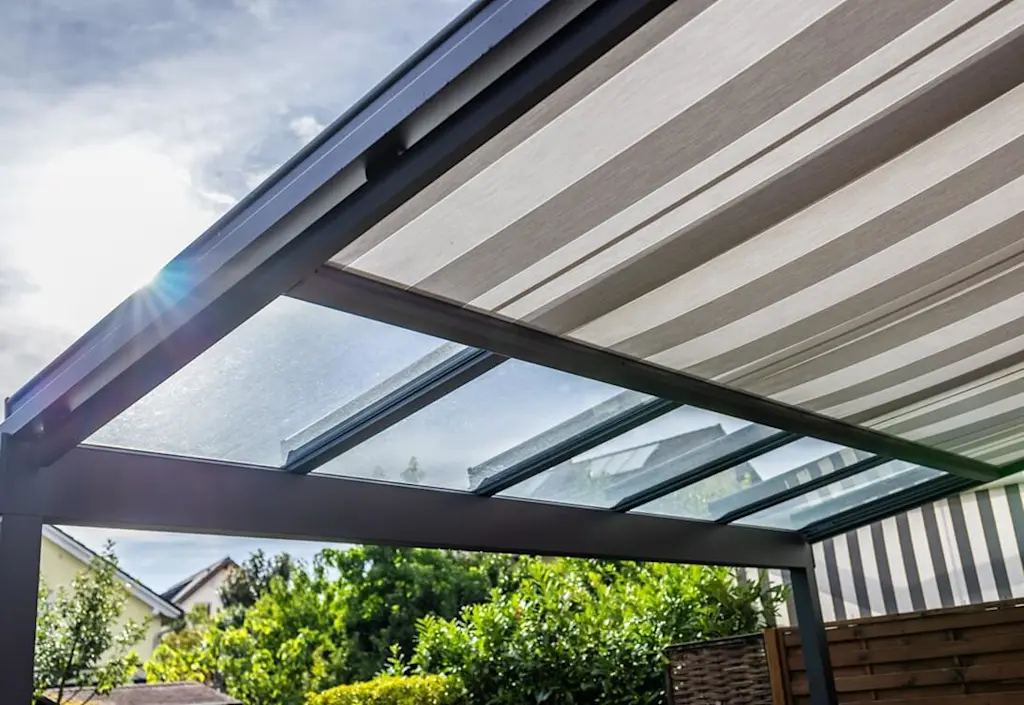
External shading
Pergolas, awnings and shade sails can help reduce direct sunlight entering your property.
This is particularly useful for:
Patio doors
Conservatories
South-facing glazing
Once a room’s already overheated, it’s much more difficult to cool it down again, which is why external shading can work so well.
Better ventilation and insulation
Good insulation doesn’t just help in winter.
Proper loft insulation and ventilation can also help regulate temperatures year-round by slowing heat transfer.
In some homes, improving airflow in loft spaces or roof voids can noticeably reduce overheating upstairs.
The best insulation for keeping a house cool in summer is usually insulation that slows heat transfer rather than trapping warm air indoors. Loft insulation combined with good ventilation tends to work best in UK homes.
Does double glazing keep a house cool in summer?
Modern double glazing reduces heat transfer, which means less heat comes in through the windows during hot weather, particularly in rooms that get strong afternoon sun. It won’t stop a house overheating on its own, but combined with blinds, shading and good airflow, it can make rooms feel noticeably more comfortable during a heatwave.
Which tiles keep a house cool?
Light-coloured porcelain, ceramic and stone tiles usually stay cooler underfoot than darker flooring materials during hot weather. Hard flooring can also help rooms feel fresher because it tends to retain less heat than carpet.

Find floor installers near me
Here, you'll discover how to find experienced local floor installers near you to help make the right decision for your project. We'll outline what the work involves, typical costs, and some of the key considerations for choosing the best type of flooring for your space.
Swimming pools
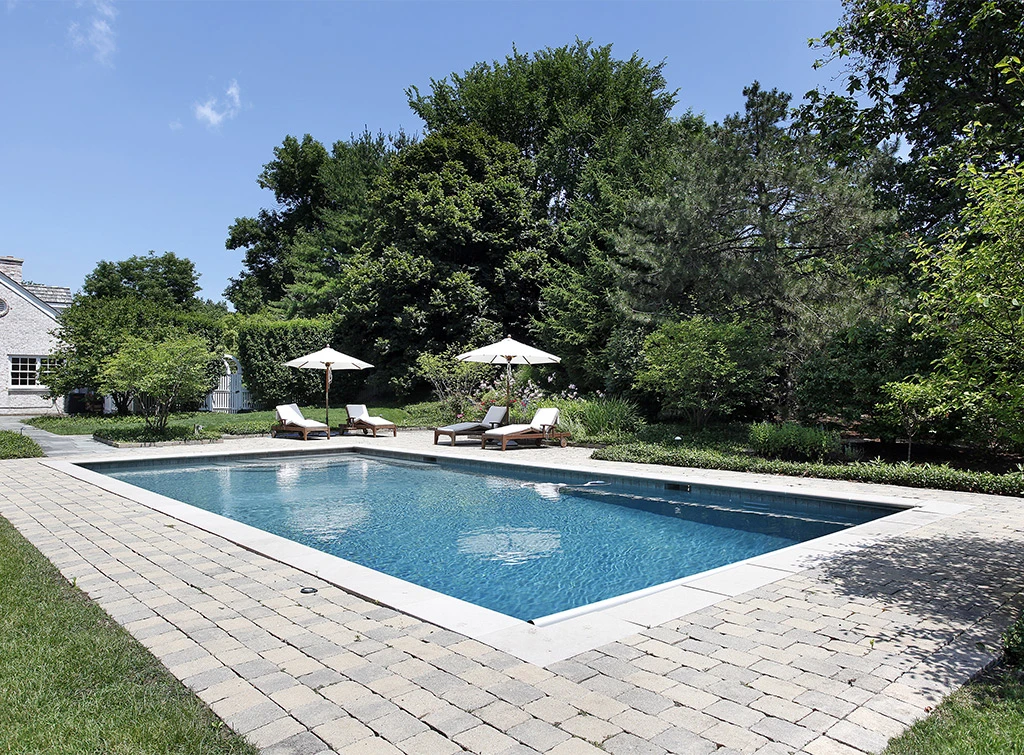
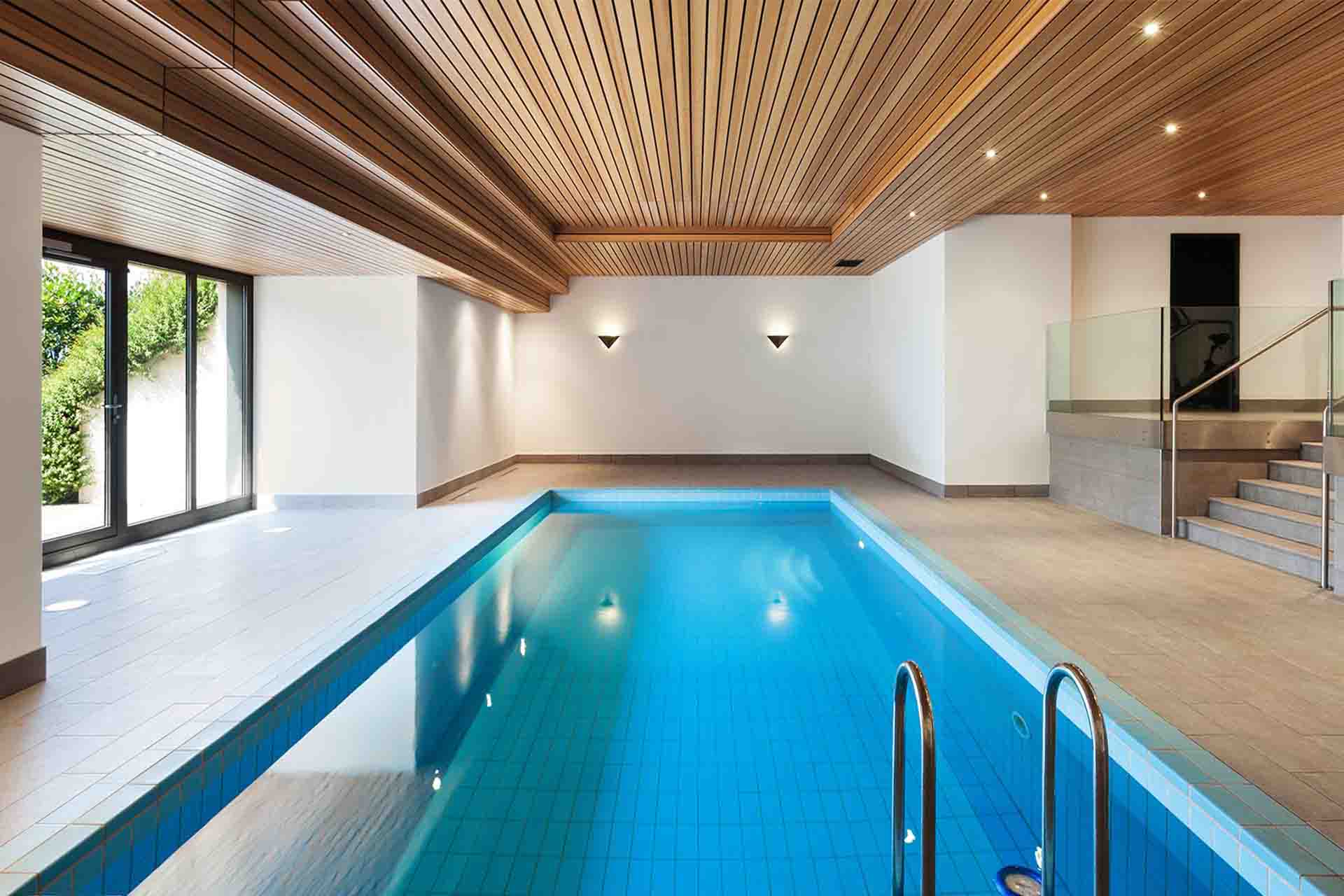
For most households, a swimming pool sits firmly in the 'dream project' category rather than an essential cooling fix — but during a heatwave, it’s easy to see the appeal.
Outdoor swimming pools typically cost around £105,000, while indoor pools average around £152,500 depending on size, specification and groundworks.
If you’re curious about what’s involved, take a look at our swimming pool cost guide.
Ways to keep your garden cooler in summer
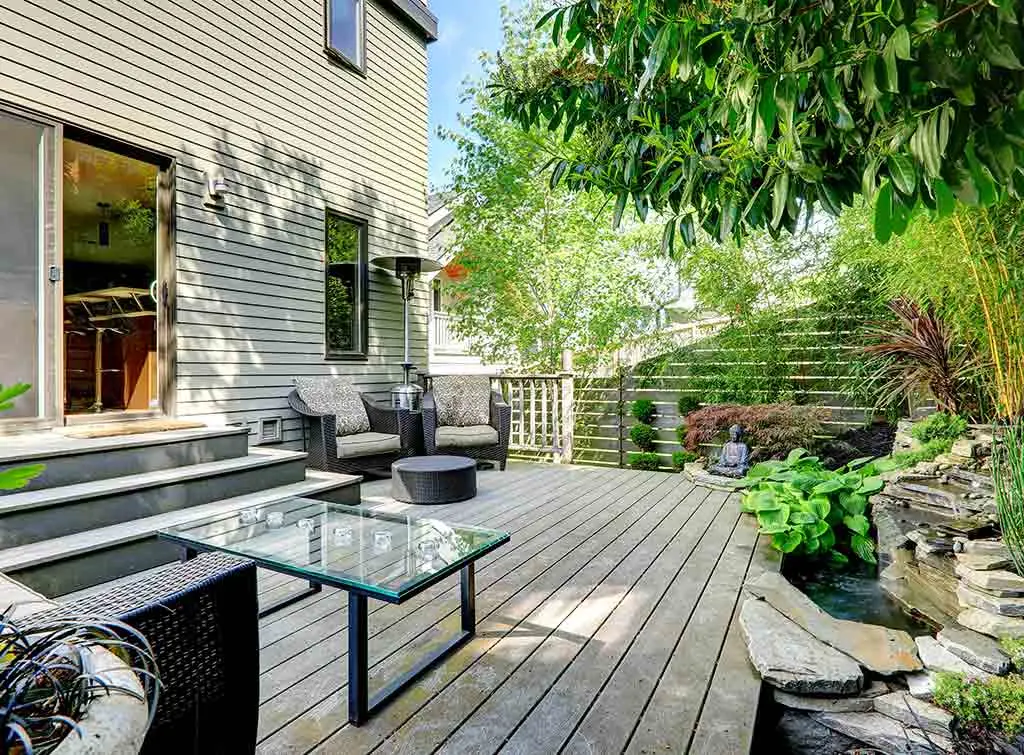
During very hot weather, even sitting outside can become uncomfortable if there’s nowhere shaded to escape the afternoon sun.
A few improvements can make gardens much more usable:
Shade sails or pergolas
Outdoor fans or misting systems
Tree and shrub planting for natural shade
Irrigation systems to help lawns and planting cope with heat
Cooling areas for pets
Irrigation systems
Automatic irrigation systems help keep gardens healthy during long dry spells and reduce the amount of manual watering needed.
Typical costs for a drip irrigation system start from around £250–£315 per zone, plus labour.
Checkatrade gardener Ali Ahmad at Al’s Gardening Services says:
“Investing in a sprinkler will improve the health of your lawn greatly. The grass grows very fast this time of year and uses nutrients from the soil quickly, so adding nutrients with a granular fertiliser can really help.”

Dog showers and pet cooling areas
If you’ve got a dog, you’ll know how quickly overheated pets and muddy paws become part of summer life.
Most dogs naturally start searching for cooler spots indoors during hot weather: tiled floors, shaded corners, and anywhere out of direct sun.
Dog showers are becoming increasingly popular for homes near beaches, parks and countryside walks.
They’re useful for:
Cooling dogs down safely
Rinsing off mud and sand
Keeping the rest of your house cleaner

How to keep a dog cool inside the house
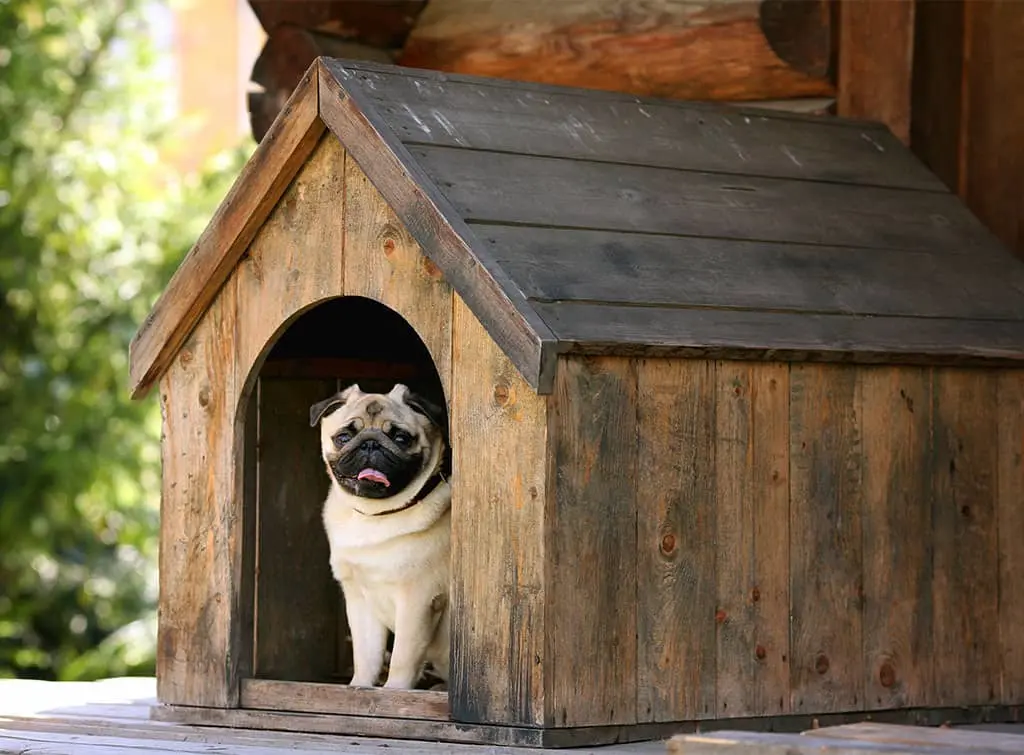
Dogs can struggle during hot weather, especially older breeds and flat-faced dogs.
A few simple things that can help include:
Keeping blinds closed during peak heat
Making sure fresh water is always available
Creating shaded resting spots
Avoiding walks during the hottest part of the day
Using cooling mats or damp towels
Improving airflow with fans or ventilation
Common mistakes people make during heatwaves
It’s surprisingly easy to trap heat indoors without realising it — especially during the hottest part of the day.
Common mistakes include:
Opening windows during the afternoon
Leaving blinds open in direct sunlight
Running heat-generating appliances unnecessarily
Blocking airflow with furniture or heavy curtains
Ignoring loft heat build-up
Fans work best when they’re helping move cooler air through a space. Simply circulating trapped hot air around the room is often far less effective.
Which jobs can you do yourself — and when is it worth hiring help?
Some cooling fixes are straightforward enough to sort yourself over a weekend. Others are worth getting done properly, especially if electrics, plumbing or permanent installations are involved.
You can usually handle smaller jobs yourself, such as:
Fitting temporary blinds or curtains
Improving airflow
Using portable cooling devices
Making small garden improvements
Professional help is usually worthwhile for:
If your house overheats every single summer — especially bedrooms or home offices — it’s often worth getting proper advice rather than battling through another hot season.


Summer cooling checklist
Find tradespeople to help keep your home cool
Sometimes a few small changes are enough. Other times, especially in homes that struggle year after year, getting the right improvement in place can completely change how comfortable your home feels during summer.
Whether you’re planning a bigger cooling upgrade or just want help getting a few improvements in place before the next heatwave, hiring the right tradesperson is key.
With Checkatrade, tradespeople are:
Checked - Every Checkatrade member must pass up to 12 checks and commit to upholding the Checkatrade Standard
Reviewed - Over 6.2 million reviews have been published on Checkatrade about real jobs, on everything from communication, tidiness, timekeeping, and quality of work
Guaranteed - Jobs booked through Checkatrade are covered up to £1,000 (T&Cs apply)
Enter your postcode to browse checked and reviewed tradespeople working in your area.
Browse relevant tradespeople working in your area
FAQs
How can I keep my house cool in summer without air conditioning?
Keeping blinds closed during the day, improving airflow, using fans properly and avoiding heat-generating appliances can all help reduce indoor temperatures without air conditioning.
Does closing your curtains keep a house cool?
Yes. Closing curtains, blinds or shutters during direct sunlight helps reduce heat entering the room and can noticeably lower indoor temperatures later in the day.
Is air conditioning becoming more common in UK homes?
Yes. Air conditioning has become increasingly popular in UK homes, particularly in bedrooms, loft conversions and home offices that regularly overheat during summer.
What is the cheapest way to cool a room?
Portable fans, blackout blinds, improved ventilation and reducing direct sunlight are usually among the cheapest ways to cool a room.
How can I keep my house cool without AC?
Try focusing on airflow and preventing heat entering in the first place. Keeping blinds closed during the day, opening windows at cooler times, using fans properly and avoiding excess indoor heat from appliances can all help.
Does double glazing keep a house cool in summer?
Modern double glazing can help reduce heat transfer and limit how much outdoor heat enters your home during summer, especially when combined with shading and ventilation.
Which insulation would best keep a house cool in the summer?
Loft insulation combined with good ventilation usually works best in UK homes. The aim is to slow heat transfer while still allowing trapped hot air to escape.
How to cool down a room with a small fan?
Positioning a small fan near an open window in the evening can help pull cooler air into the room. Fans tend to work best when they improve airflow rather than simply blowing hot air around.
Which tiles keep a house cool?
Light-coloured porcelain, ceramic and stone tiles usually stay cooler underfoot than darker flooring materials and can help rooms feel fresher during hot weather.
Does window film help keep a house cool?
Yes. Solar control window film can help reduce heat and glare from direct sunlight, particularly in conservatories and south-facing rooms.

See the tradespeople we've checked for your job