HOW-TO GUIDES
How to convert a cellar or basement
Updated 08/26
By: Olivia Scammell
Reviewed: Alex Peters
Basement conversions offer a great way to extend and renovate your existing property without cutting into your garden.
Alternatively, they're a great way to extend your square footage if you have no garden space at all.
Whether your cellar needs planning permission or just building regs
Which trades you'll need to bring a conversion together
How to deal with damp and waterproofing before anything else
What flooring, insulation and heating options work below ground
How much a typical cellar conversion costs per square metre
How to plan lighting and finishing touches for a windowless space
A cellar conversion is one of the few ways to add a genuinely new room to your home without touching the garden or altering how the house looks from the street.
Whether you're after a home office, a gym, a guest bedroom or simply extra living space, converting what's usually underused storage into a proper room can add real value to your property.
This guide walks through the process step by step, from regulations to finishing touches.
Find a trusted tradesperson in your area
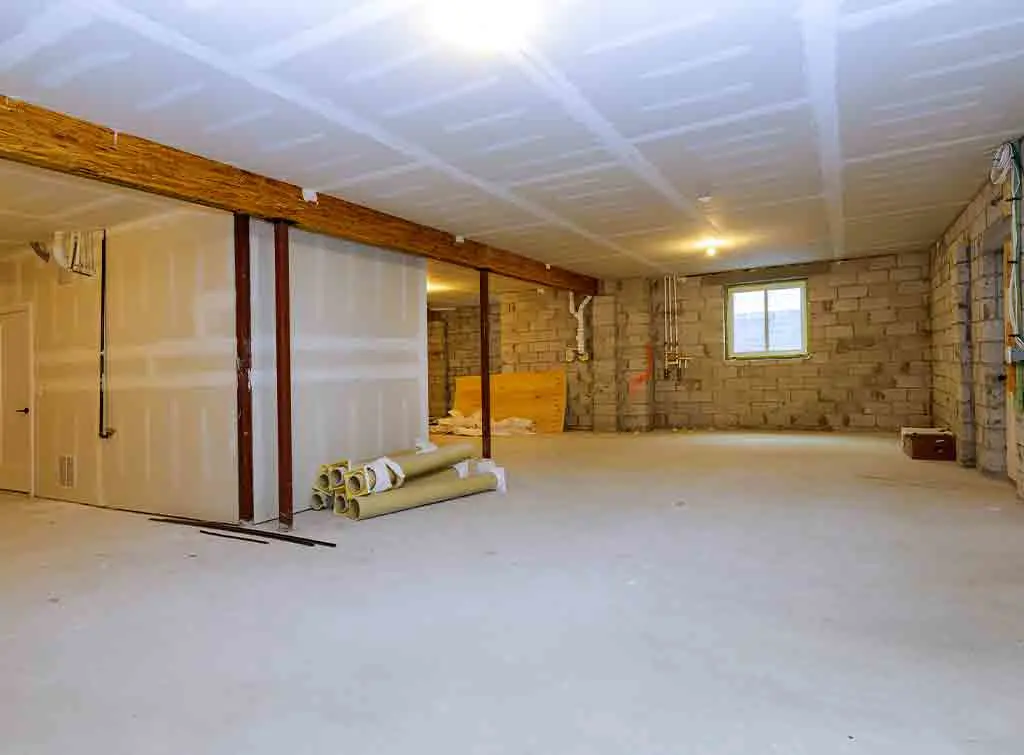
Do you need planning permission for a cellar conversion?
Most internal cellar conversions count as permitted development, since they don't change the external appearance of the house. That means planning permission usually isn't required if you're simply converting an existing cellar into a habitable room.
However, you're more likely to need planning permission if:
You're lowering the floor (underpinning) to gain head height, which can affect drainage and the structure
You're adding a lightwell, external stairs, or new doors and windows visible from the street
Your property is listed or in a conservation area
Your home is a flat or maisonette, where permitted development rights are often removed
Regardless of planning permission, building regulations approval is always required for a cellar being converted into a habitable space.
Building control will check fire safety (an escape route is essential), ventilation, damp proofing, ceiling height, and electrics. Most homes need a minimum ceiling height of around 2-2.4 metres for a room to count as habitable, so this is worth checking early if your cellar is on the low side.
Read our UK Building Regulations guide for more detail on what's involved.
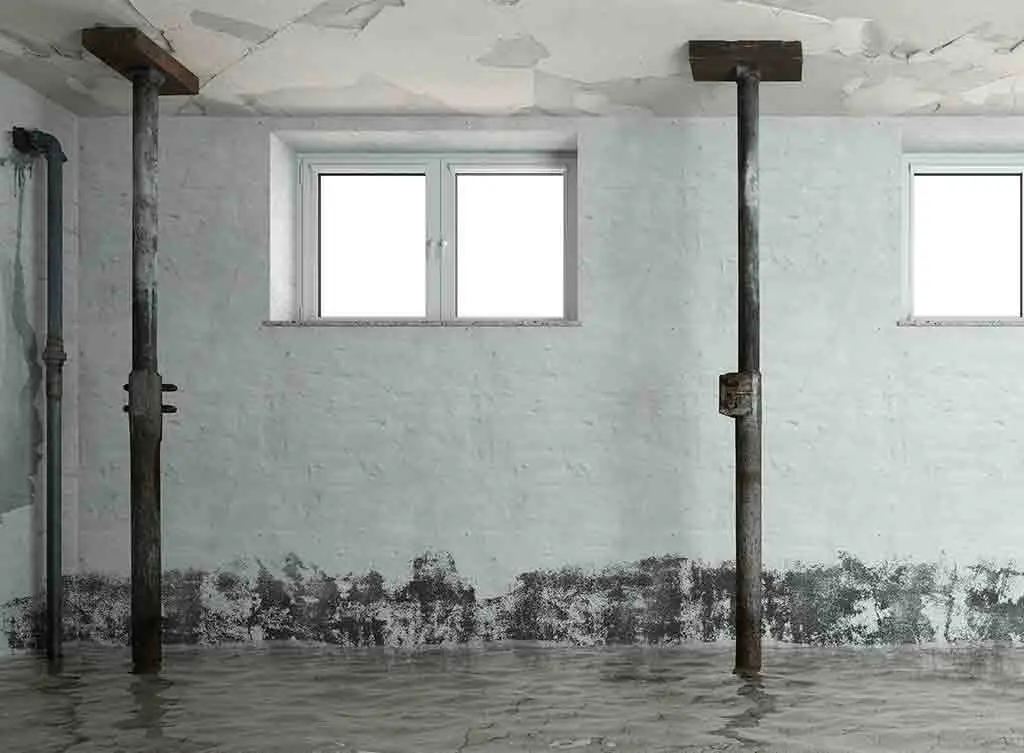
Get a specialist damp survey before committing to a waterproofing method. The wrong system for your ground conditions can push water elsewhere rather than solving the problem.
Which trades do you need for a cellar conversion?
A cellar conversion typically isn't a single-trade job. Depending on the scope of your project, you'll likely need some combination of:
A structural engineer, to assess foundations and any underpinning
A builder, to manage waterproofing, flooring and structural work
A plumber, if you're adding a bathroom or utility space
An electrician, for wiring, lighting and sockets
A painter and decorator, for the finishing stages

Many homeowners bring in a builder to project-manage the whole conversion, alongside a structural engineer and damp proofer for the waterproofing stage.

Step 1: Waterproof the cellar
Waterproofing comes before almost everything else, since cellars sit below ground level and are naturally prone to damp. Getting this wrong undermines every other part of the conversion, so it's worth treating as the priority. There are a few main approaches:
External waterproofing, tanking the outside of the walls before backfilling
Internal tanking, applying a fully bonded waterproof render system to the walls and floor
Cavity drain membranes, which manage any water ingress rather than blocking it outright, directing it to a sump and pump system
The right choice depends on your cellar's construction, the local water table, and how the space will be used. Our basement waterproofing cost guide has more detail on what each option involves.

Step 2: Sort out the flooring
Cellar floors are often uneven or need lowering to give you enough head height for a comfortable room. Screeding a concrete layer levels things out and opens up more flooring options afterwards. Our how to screed a floor guide covers the process in more detail.
If you need more head height altogether, floor lowering (sometimes involving underpinning) is a bigger structural job and usually needs an engineer's sign-off.
Once the base is sorted, options include a floating timber floor or underfloor heating built into the new surface, both of which suit cellars well since they help offset the natural chill of a below-ground room.

Step 3: Insulate and heat the space
Insulation makes a real difference to how usable a cellar feels day to day, since these spaces are naturally cooler and can otherwise feel damp even once waterproofed.
Common options include blanket insulation, foam board insulation, and sprayed foam, each with different costs and thermal performance.
For heating, underfloor heating pairs well with a newly screeded floor, though radiators and electric heaters are simpler retrofits if you're not replacing the floor.
Whichever you choose, make sure the room can maintain a stable temperature and humidity level, since fluctuations are what tend to bring damp problems back.
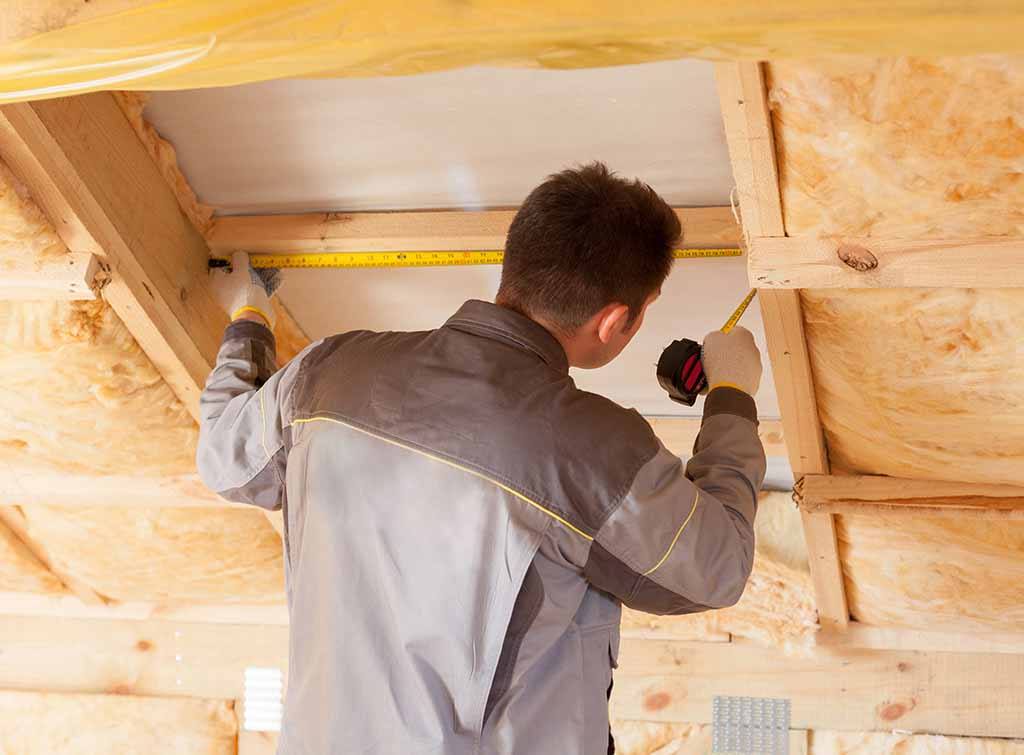
Adding insulation to your home: your complete planning guide
Unless your home was deliberately constructed to be energy efficient, you can probably lower your energy bills by adding more insulation. Here’s the lowdown.

Step 4: Plan your lighting
Natural light is rarely an option in a cellar, so lighting needs more thought than in an above-ground room. A layered approach generally works best:
Spotlights or recessed ceiling lights for general illumination without lowering ceiling height
Wall lights to add warmth and avoid a flat, clinical feel
Task lighting for specific uses, like a desk lamp for a home office or vanity lighting for a bathroom
If building regulations require an escape window as part of the fire safety requirements, factor natural light from that opening into your plan too.
Step 5: Add the finishing touches
Once the structural work, waterproofing, flooring, insulation and lighting are in place, the fun part begins. Popular uses for a converted cellar include a home cinema, a gym, a guest bedroom, an office, or a wine cellar.
You can hire an interior designer to help plan the space, or take it on yourself with some research and a clear idea of how the room will be used.

Cellar conversion cost calculator
Costs vary hugely depending on whether you're converting an existing cellar or excavating a new one, so it's worth getting a personalised estimate before you plan your budget.
Job Estimate Calculator

Converting an existing cellar costs on average £1,600 per square metre, with a typical range of £1,000-£2,200 depending on finish and complexity.
Excavating a brand new cellar is a bigger undertaking, averaging £2,800 per square metre once underpinning is included. Our cellar conversion cost guide breaks this down further, and our cost to finish a basement guide covers the fit-out stage specifically.

Need reassurance? All tradespeople pass up to 12 checks before joining, and we keep checking after.
Converting a damp or Victorian cellar
Older cellars, particularly in Victorian properties, were often built for storing coal or food rather than living in, so they tend to need more remedial work before conversion.
Whether you're planning to live in the space or just use it for storage, proper waterproofing protects both your belongings and the long-term value of the work.
The type of ground your home sits on affects which waterproofing method is appropriate, so it's worth having a survey done before finalising a budget. See our tanking cost guide for a fuller cost breakdown of this stage.

Cellar conversion checklist
Cellar conversion FAQs
For most homes, yes. A converted cellar adds usable living space and can increase your property's value, particularly in areas where extending outwards isn't possible.
Victorian and older cellars can be trickier and more costly to convert since they were originally built for storage rather than living, but the investment often pays off if the space can accommodate a bedroom, office or similar room.
For a single room using an existing cellar footprint, a membrane lining system can often be installed within a matter of weeks, including a sump and pump for drainage.
Converting or extending the cellar beneath a whole house is a bigger job involving underpinning, waterproofing and insulation, and can take several months from start to finish.
Usually not, if you're converting an existing cellar and not altering the outside of the house. You will, however, need building regulations approval regardless of planning permission status, covering structural safety, fire escape, ventilation and damp proofing.
A straightforward conversion of an existing cellar typically takes 4-8 weeks. Larger projects involving excavation, underpinning, or extending beneath the house can take several months.
If the cellar is being converted into a habitable room such as a bedroom, building regulations generally require a suitable means of escape in case of fire, which often means an escape window or an additional stairway. Your building control officer can confirm exactly what's needed for your layout.
Cellar conversions involve structural work, waterproofing and building regulations compliance, all of which carry real risk if done incorrectly, including potential damage to your home's foundations.
Most homeowners bring in a structural engineer and builder for at least the structural and waterproofing stages, even if they plan to handle decoration themselves.
Converting makes use of an existing cellar space within the current building envelope, which is usually quicker and cheaper. Excavating creates a brand new cellar from scratch, which involves underpinning the existing foundations and is a significantly bigger structural undertaking, reflected in the higher average cost per square metre.

More Basement / Cellar Conversions Articles

See the tradespeople we've checked for your job