PLANNING GUIDES
Adding insulation to your home: your complete planning guide
Updated 07/26
By: Imogen Beech
Reviewed: Kim Staples
Unless your home was deliberately constructed to be energy efficient, you can probably lower your energy bills by adding more insulation. Here’s the lowdown.
Whether your home actually needs more insulation
Types of loft, wall, floor, and pipe insulation
Which insulation type suits cavity vs solid walls
What insulation typically costs to install
Which government schemes could reduce your bill
How to find a certified installer you can trust
Adding insulation to your property can help you improve your home’s energy efficiency, reduce your energy bills, and keep you warm during winter.
But where should you start when it comes to planning this project?
Here, we’ll walk you through everything step-by-step so you can get your home toasty without a hitch.
Find a trusted insulation installer near you
Why add insulation to your home?
Insulation is key to keeping your home warm in winter and cool in summer.
Without it, the heat generated by your heating system in cold weather will simply be lost – as will any cool air generated by your cooling system in summer.
Not only will this lead to higher energy bills (after all, your heating and cooling systems will be continually working to replace what’s lost), but it’s also bad for the environment.
Plus, it’ll make it hard for you to control your home’s temperature and make your home less comfortable for you to live in.
All in all, insulation is vital for efficient, modern-day living.
Do I need to upgrade my home’s insulation?
The chances are your home has some level of insulation already. So, how do you know if you need to add more?
To check what improvements could be worth making, you’ll need to work out how much insulation your home currently has and where it’s located.
There are two ways you can do this.
1. Energy Performance Certificate
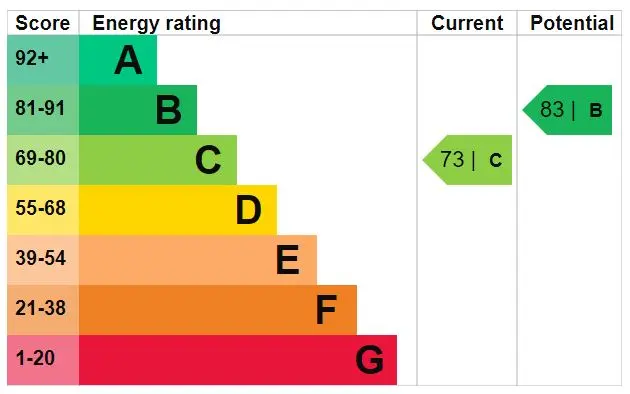
An Energy Performance Certificate (EPC) is a report that looks at the energy efficiency of your home and makes recommendations for how to improve it.
Unless you’re a landlord, you don’t legally have to get an EPC unless you plan to sell your property.
But it can be a great way to get a better understanding of how well your home is insulated and where you could look to make improvements. It will even give you an estimated figure for how much each improvement could save you on your energy bills!
Usually, an EPC costs around £65–£120. But this will be a small price to pay if it helps you to reduce your energy usage!
Find an EPC assessor near you to get started.
2. Assess your property yourself
If you’re not keen to pay for an EPC, you’ll need to inspect your insulation yourself.
The goal here is to work out where your home is properly insulated, and where it isn’t. So, you’ll need to check your loft, walls, and floors to see what type of insulation you have and measure its depth and thickness.
Just be sure that you don’t look at thickness alone when it comes to loose-fill insulation, especially in the attic. Instead, you’ll need to determine your insulation’s thermal resistance or R-value.
Basically, the higher the R-value of your insulation, the more effective it is as an insulator.
You can determine the R-value of your insulation by dividing its thickness by the lambda of the material (the materials unique insulating properties).
In the UK, a decent R-value is typically around 4.15m²K/W, but the higher the better – aim for at least 4.54m²K/W.
Don’t worry if this all seems a bit mathematical for your liking. You can also get recommendations for home improvements that could make your property cheaper to heat and keep warm using the government’s online energy efficiency tool.
Types of insulation you could add to your home
When it comes to upgrading your insulation, there’ll be four main areas to focus on: loft, walls, floor, and pipes.
1. Loft insulation
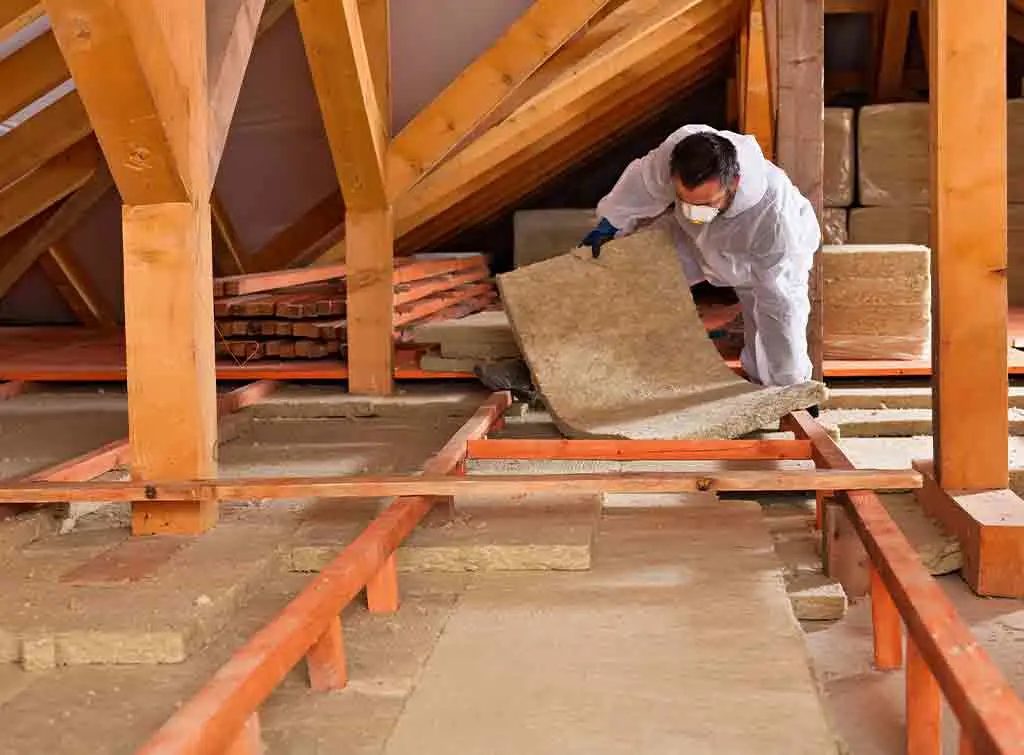
Of the heat that’s lost from your home, 20-25% is typically lost through the roof. That’s why insulating your loft space is so important.
When it comes to insulating your loft, you’ll have lots of different methods to choose from. Here are the most common.
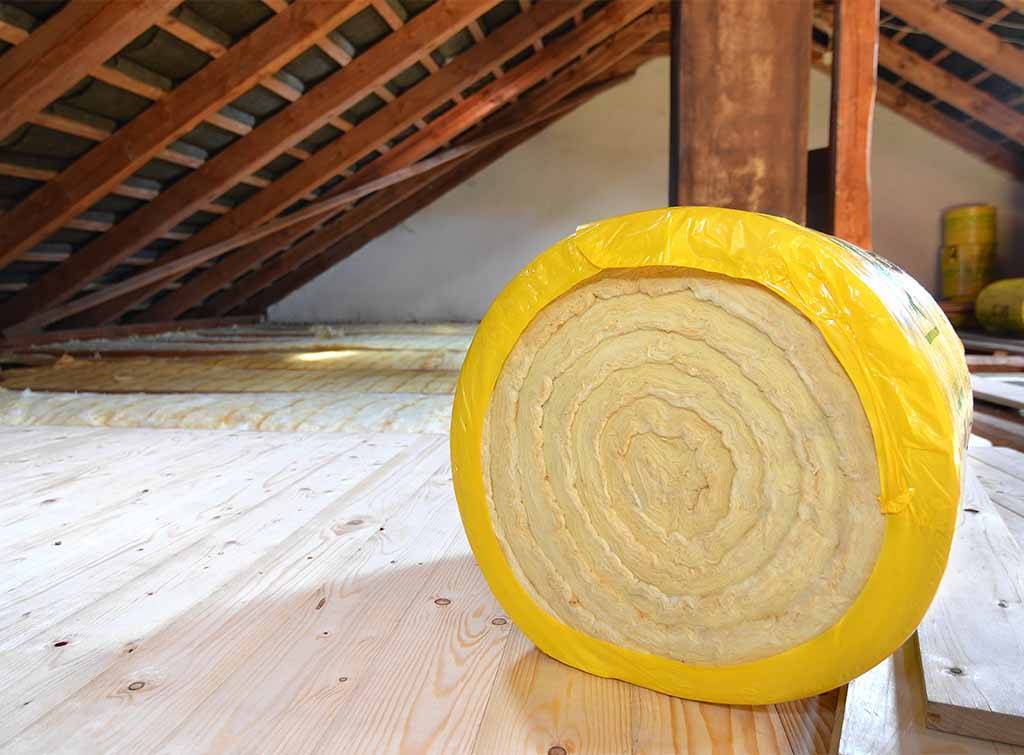
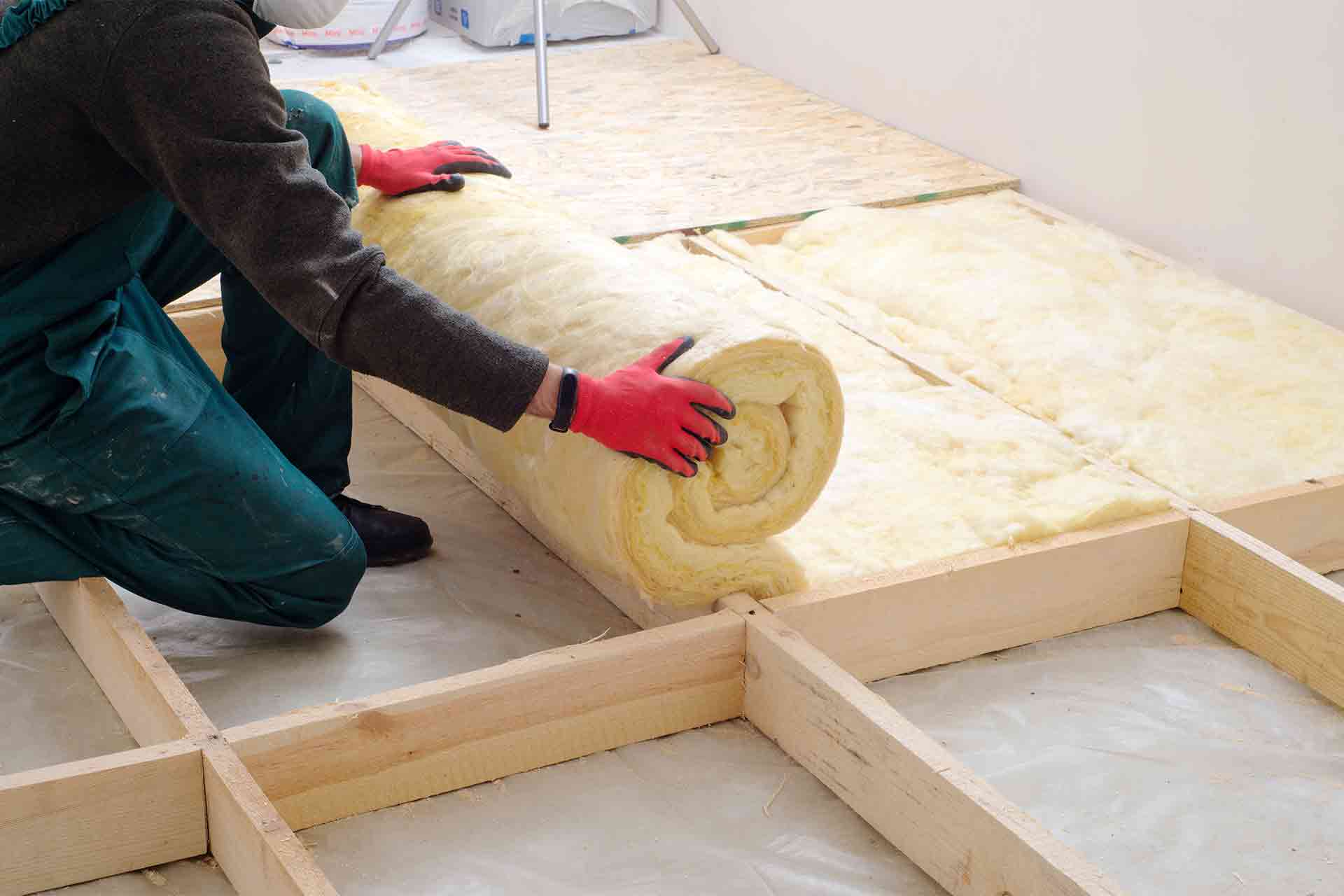
Blanket insulation - This is sold by the roll in materials like fibreglass, mineral fibre, or sheep's wool. It's reasonably priced, easy to DIY install, but bulky to fit around obstacles.
Loose-fill insulation - Loose-fill is made from cork granules, mineral wool, or cellulose fibre. It's good for covering awkward spaces evenly, but needs safety equipment to install.
Sheet insulation - Sheet insulation is used on sloping roof sides, making it ideal for loft conversions. It's a strong insulator, but pricier than some options.
Spray foam insulation - This quick to install and good in tight spaces, but controversial. It can restrict airflow, and some mortgage lenders won't lend on a property with spray foam insulation, so think carefully before committing.
Loft insulation: All you need to know
Thinking of enhancing your home's energy efficiency with loft insulation? Get started with our complete loft insulation guide.
2. Wall insulation
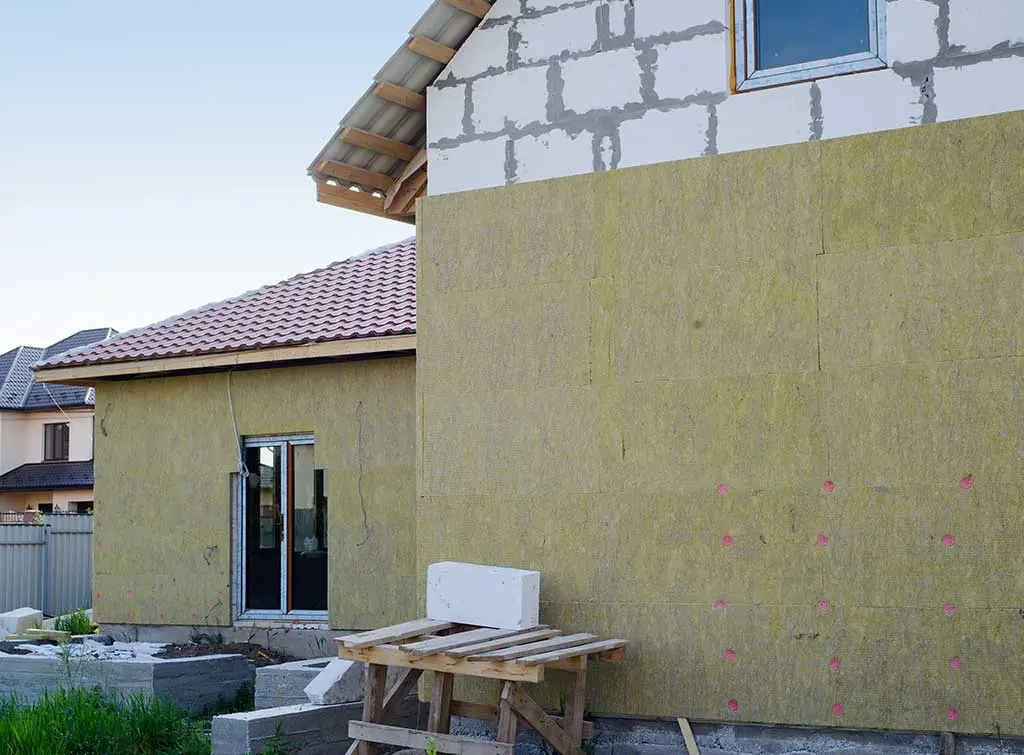
Even more heat escapes through your walls than your roof - typically a whopping 30-35% of total heat loss.
Whether cavity or solid wall insulation is right for you depends on what kind of walls you have.
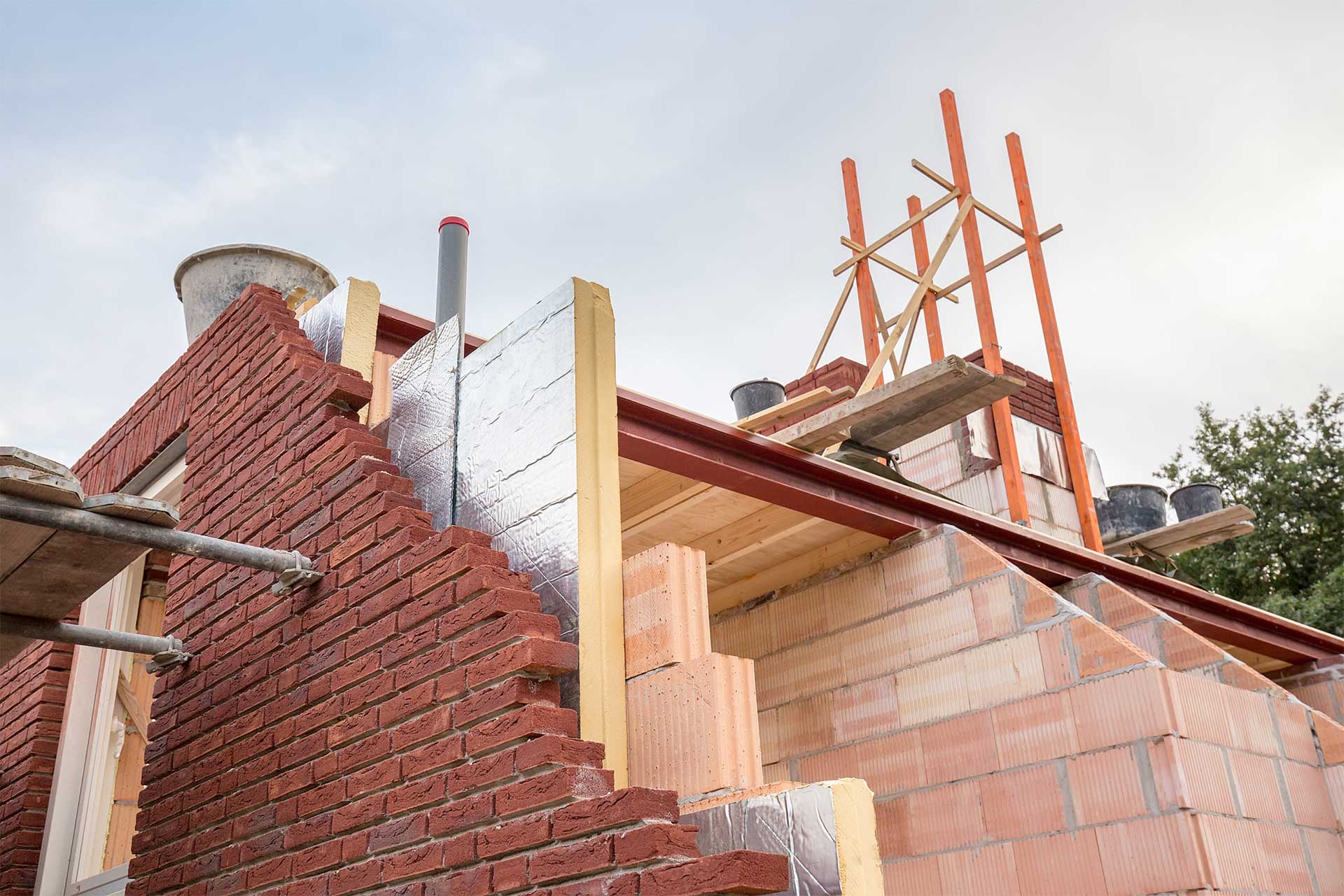
Cavity walls are common in homes built after 1920. A cavity wall is essentially two walls with a gap (the cavity) between them, and cavity wall insulation involves injecting insulating material into that gap from outside, usually blown mineral fibre, polystyrene beads, or foam.
Solid walls, more common in pre-1920 homes, let out roughly twice as much heat as cavity walls, so they're a priority - even though insulating them costs more. There are two approaches:
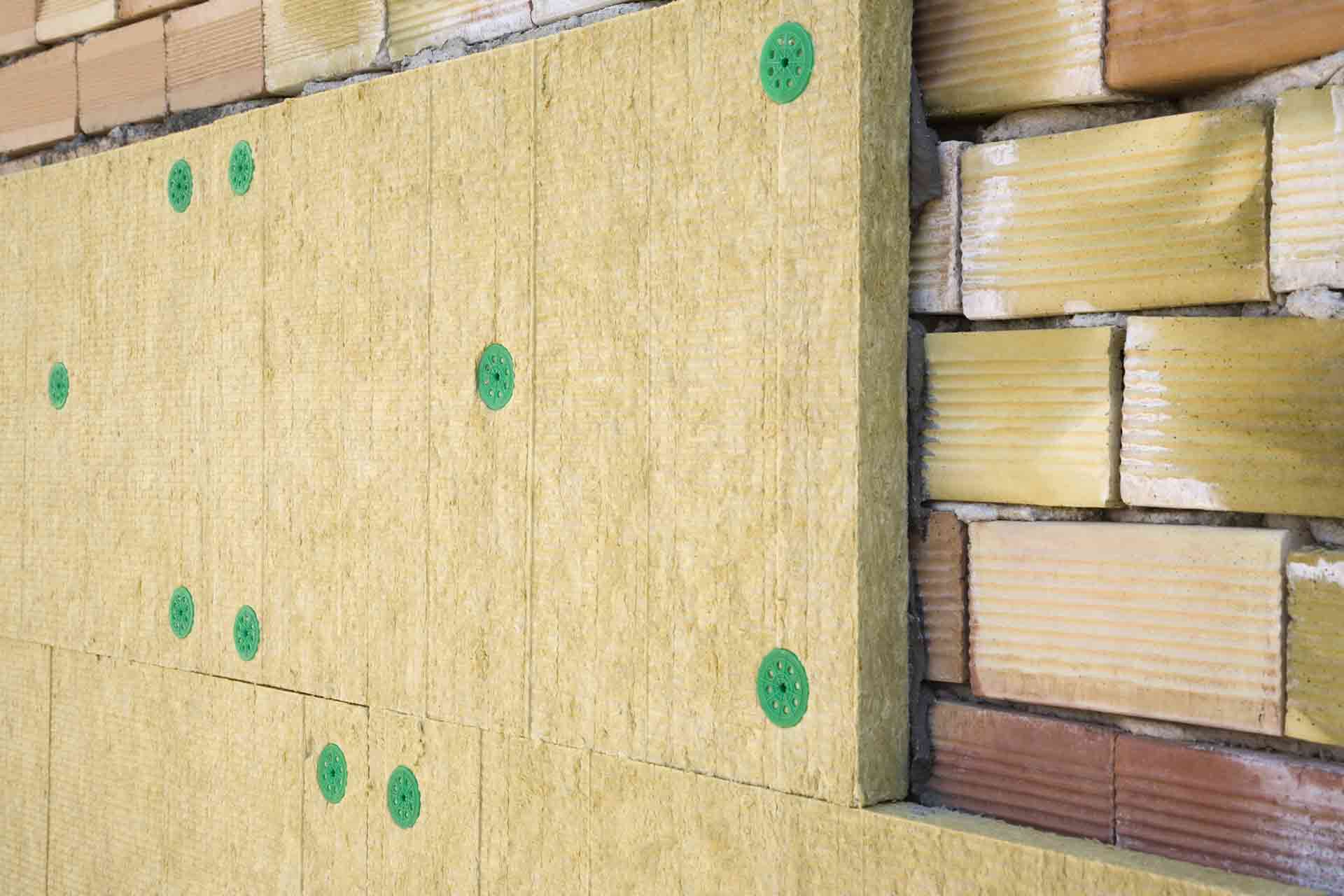
Internal insulation - Rigid boards fitted to the inside face of the wall, or a stud wall built and filled with insulation. This reduces room size by a few inches and means redecorating.
External insulation - A layer of insulation fixed to the outside of the wall, then covered with render or cladding. More expensive and it changes your home's appearance, but less disruptive to live through and doesn't shrink your rooms.
3. Floor insulation
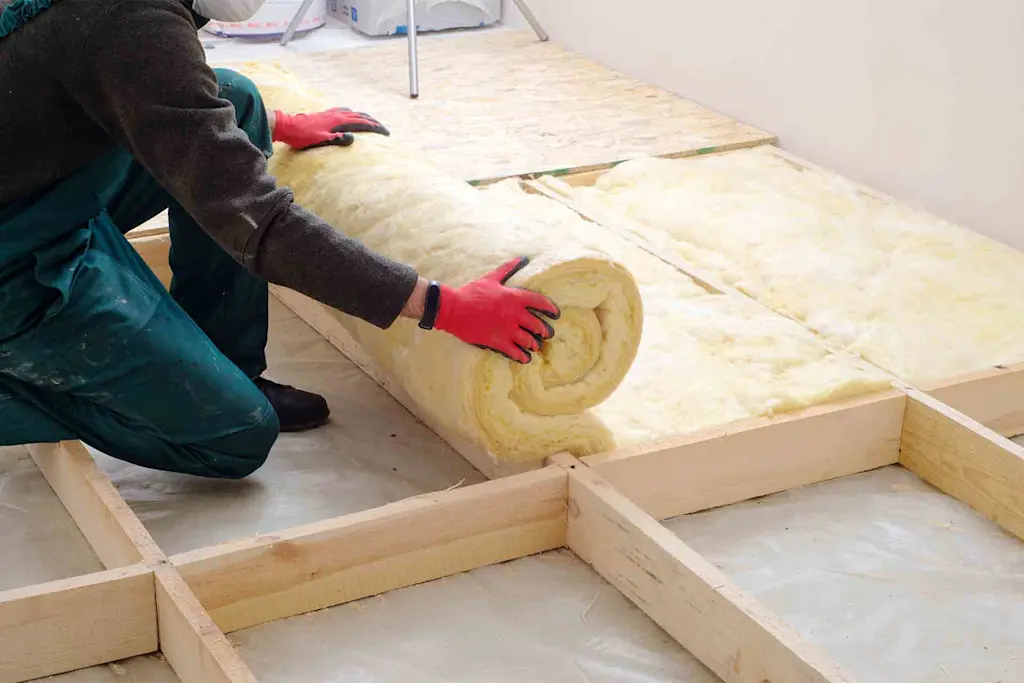
Around 10% of a home's heat loss happens through the floor, so it's worth including floor insulation in your plan even if it's an afterthought compared to the loft and walls.
Suspended floors (where cold air rises between the boards) can be insulated by either lifting the floorboards and re-laying with insulating materials, or filling the crawl space underneath.
Common materials include blanket insulation, rock mineral wool, foam board, and foam spray.
Solid floors, typically concrete or screed in newer builds, can still be retrofitted with insulation. This involves carefully lifting the existing flooring, laying rigid insulation on top of the concrete or screed, then chipboard, before relaying the original floor.
Bear in mind you'll likely need to adjust doorways, thresholds, and skirting boards, since this raises the total floor depth.
4. Insulating pipes
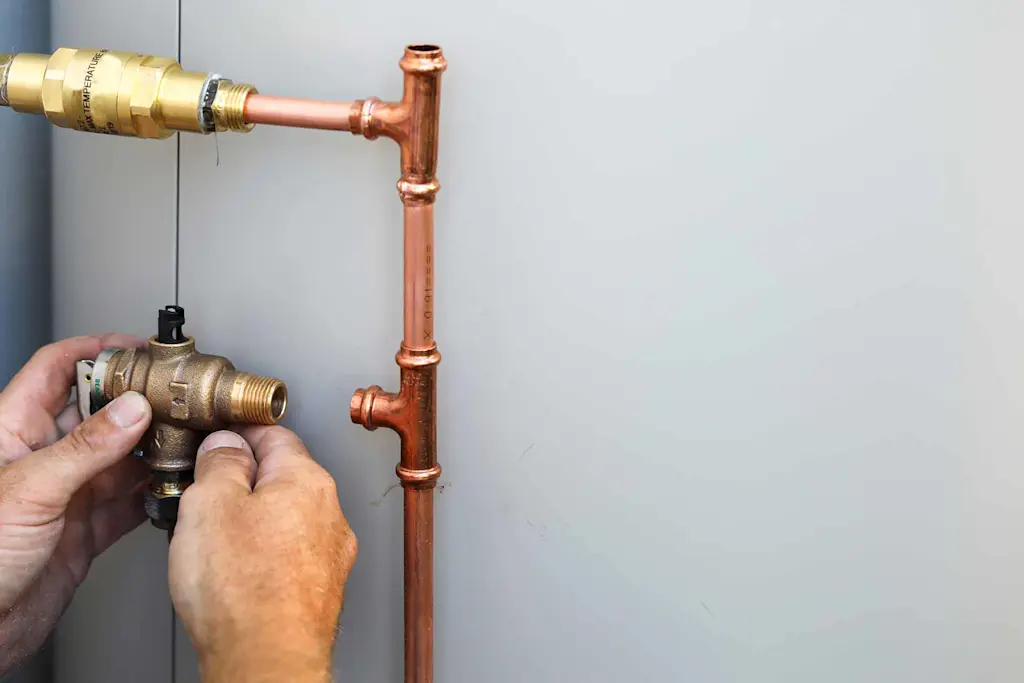
It’s easy to overlook your water tank, pipes, and radiators. But insulating these small things can help you save money on your energy bills quickly, easily, and affordably. A few ideas include:
Hot water cylinder jackets
Pipe insulation
Radiator reflector panels
These steps can help you to reduce your energy consumption on a budget.
How much does it cost to add insulation to your home?
So, how much will all these insulation upgrades set you back? Well, that will depend on a number of factors, including:
The size of your home
Your existing insulation
The insulation methods and materials you choose
The accessibility of the space
Any removal of old insulation required
Remedial works such as painting and decorating
Government support such as ECO4 and the Warm Homes Local Grant can cover some or all of the cost for eligible households. Check current eligibility on gov.uk before booking any work.
That said, here are some ballpark costs for retrofitting insulation.
Loft insulation cost
The average cost to insulate the loft of a detached house with blanket insulation is £1,206. This includes both supply and installation.
Just bear in mind that the cost of insulating your loft can vary widely depending on which method you choose.
Head over to our loft insulation cost guide for more details.
Wall insulation cost
The cost to insulate your external walls will depend on whether you have cavity or solid walls.
The typical cavity wall insulation cost for a detached house is £4,600.
This is in contrast to around £25,000 for solid wall insulation.
Our external wall insulation cost guide has more information.
Floor insulation cost
If you have suspended timber floors, you’re looking at roughly £105 per m² to add insulation.
Alternatively, the typical solid floor insulation cost is around £80 per m².
Check out our floor insulation cost guide for the full lowdown.
Find a tradesperson to upgrade your home’s insulation
Hiring a tradesperson is the best way to add insulation to your home.
A good insulation installer will have the knowledge, skills, and experience to recommend the best types of insulation for your property - and to install it to a high standard.
That way, you can be sure that any home improvements you invest in will pull their weight in helping you to improve your home’s energy efficiency and reduce your bills.
Luckily, Checkatrade can get you a step closer to finding the right tradesperson for the job. Enter your postcode into our search tool to get started, or download the Checkatrade app.
Find a trusted insulation installer near you

All our tradespeople have to pass up to 12 checks and adhere to our standards to be listed in our directory. In fact, we’re so confident in the tradespeople on Checkatrade that if you book through us, we guarantee their work up to £1,000. (T&Cs apply.)

Home insulation planning checklist
Start planning your insulation upgrade with our handy checklist.

Your home insulation planning checklist
FAQs
There's no single "best" type - it depends on your home. Loft and cavity wall insulation tend to offer the quickest payback for the money, since they're relatively cheap to install and target the biggest sources of heat loss.
Spray foam is quick to install and effective in tight spaces, but it can restrict loft ventilation and lead to condensation or rotting roof timbers if not fitted correctly. Some mortgage lenders won't lend on homes with spray foam insulation, so get advice before choosing it.
Costs vary widely depending on the type and size of your home, but our retrofit insulation cost guide breaks down current prices for cavity wall, solid wall, loft, and floor insulation.
Yes, potentially. Schemes such as ECO4 and the Warm Homes Local Grant can cover some or all of the cost for eligible households, usually based on income, benefits received, or your current EPC rating. Check the latest eligibility criteria on gov.uk.
Solid wall insulation is typically more expensive than cavity wall insulation, since it usually involves more extensive work either inside or outside the property.
However, solid walls also lose roughly twice as much heat, so the investment can pay off.
Rather than measuring thickness alone, especially for loose-fill insulation, check the R-value. A decent UK loft should aim for an R-value of at least 4.15m²K/W, ideally 4.54m²K/W or higher.
Yes, it's possible. Better insulation generally improves your EPC rating, which can make a property more attractive to buyers and, in some cases, support a higher asking price.
Loft insulation can often be completed in a day. Cavity wall insulation is usually quick too.
Solid wall insulation, whether internal or external, is a bigger job and can take several days to a couple of weeks depending on the size of the property.

Need help with your home insulation? At Checkatrade we have a number of resources to help with your decisions, such as eco-friendly choices and planning guides.
See the tradespeople we've checked for your job