PLANNING GUIDES
All you need to know about designing an ensuite bathroom
Updated 06/26
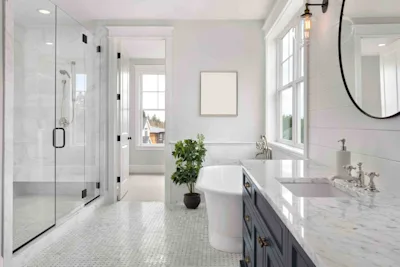
By: Laura Macdonald
Reviewed: Alex Peters
Adding an ensuite bathroom is high on many homeowners' wish lists, and it's easy to see why.
Having a bathroom connected directly to your bedroom can make busy mornings easier, give guests more privacy, and help a home feel more comfortable day to day. It can also be an attractive feature for future buyers.
Whether your home is suitable for an ensuite
How much space you'll need
What designing an ensuite bathroom involves
Plumbing, drainage and ventilation considerations
The order in which the work is typically completed
Whether planning permission or building regulations apply
How disruptive installation can be
Whether an ensuite could add value to your property
When you're first exploring the idea, it's natural to focus on the finished result — where the shower might go, whether you can fit a vanity unit, or how to make the room feel light and spacious.
Behind the scenes, though, there are a few practical considerations that have a big influence on the project. Things like drainage, plumbing, ventilation and available space often determine how straightforward an ensuite will be to install.
This planning guide walks you through what to expect, helping you assess whether an ensuite is feasible in your home and what you'll need to consider before moving forward.

Small ensuite bathroom ideas for compact and narrow spaces
Achieve your bathroom dreams in the smallest of spaces with our small ensuite ideas. See what's possible in a small, narrow or loft ensuite with our design and layout tips.
Why adding an ensuite needs careful planning
An ensuite might look like a relatively simple addition, but fitting one successfully often comes down to what's hidden behind the walls, beneath the floor and above the ceiling.
For example:
Drainage routes can affect where fixtures can go
Existing soil pipe locations often influence the layout
Ventilation requirements need to be considered early
Floor structures may need strengthening in some situations
Water pressure can affect shower performance
The best ensuite projects usually start with a practical assessment of what's possible before anyone starts choosing fixtures or layouts.
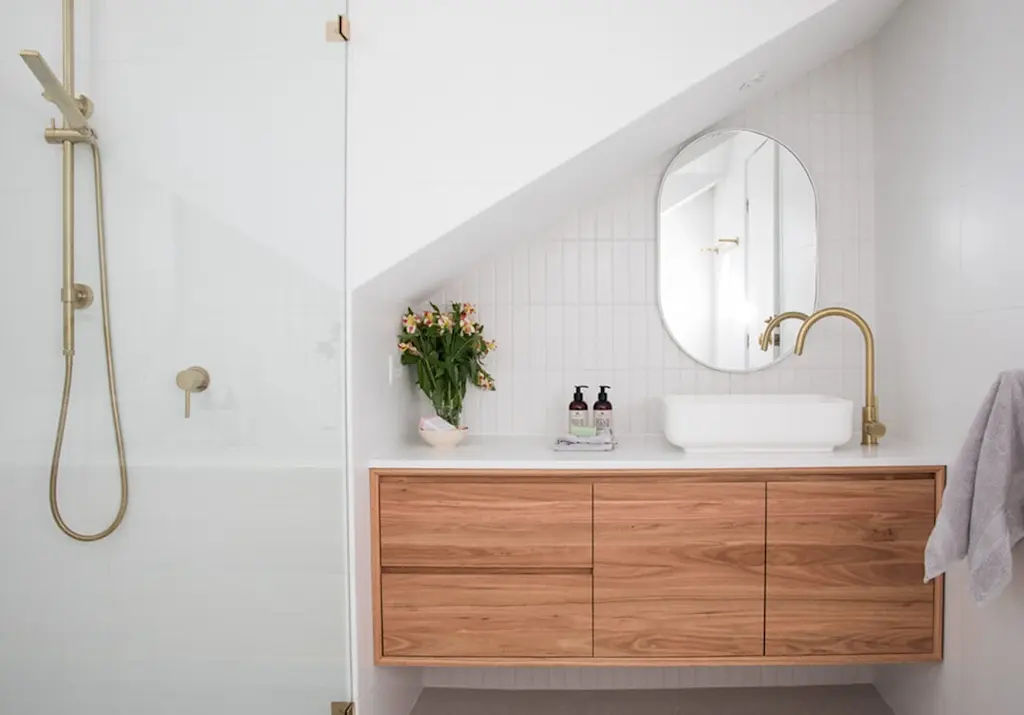
Can you add an ensuite to a bedroom?
In many cases, yes. You can add an ensuite to a bedroom by converting part of the existing room, incorporating unused space, or creating a new ensuite as part of a loft conversion or renovation project.
Ensuites can often be added to:
Main bedrooms
Guest bedrooms
Loft conversions
Large spare rooms
Rooms with adjoining storage areas or cupboards
However, whether an ensuite is feasible depends on factors such as available space, access to drainage, ventilation options, and the location of existing plumbing and electrical services.
Sometimes a room that looks like the obvious choice can involve complex drainage work, while another space elsewhere in the house turns out to be much simpler and more cost-effective to convert.
That’s why it’s worth exploring the practicalities with an experienced bathroom fitter early on, before getting too attached to a particular layout.
Is there a minimum size for an ensuite?
There's no official minimum size, but most bathroom fitters would typically look for around 1.5m x 1m as a practical starting point.
Many compact ensuites include:
A shower
A toilet
A small basin
The exact amount of space you'll need depends on the layout and the fixtures you choose.
Don't focus solely on whether everything physically fits. Movement space matters too. An ensuite that looks fine on a floor plan can quickly become frustrating if you're constantly squeezing past the basin or brushing against the shower enclosure.
Designing an ensuite bathroom
Good ensuite design isn't just about fitting everything into the room. It also needs to work comfortably day to day, while allowing enough space for the plumbing, drainage and ventilation behind the finished surfaces.
1. Prioritise the layout
The best ensuite layouts usually place larger fixtures first.
In most cases, you'll want to consider:
Shower position
Toilet location
Basin placement
Door swing
Storage requirements
Often, the plumbing and drainage layout will help determine the most practical arrangement.
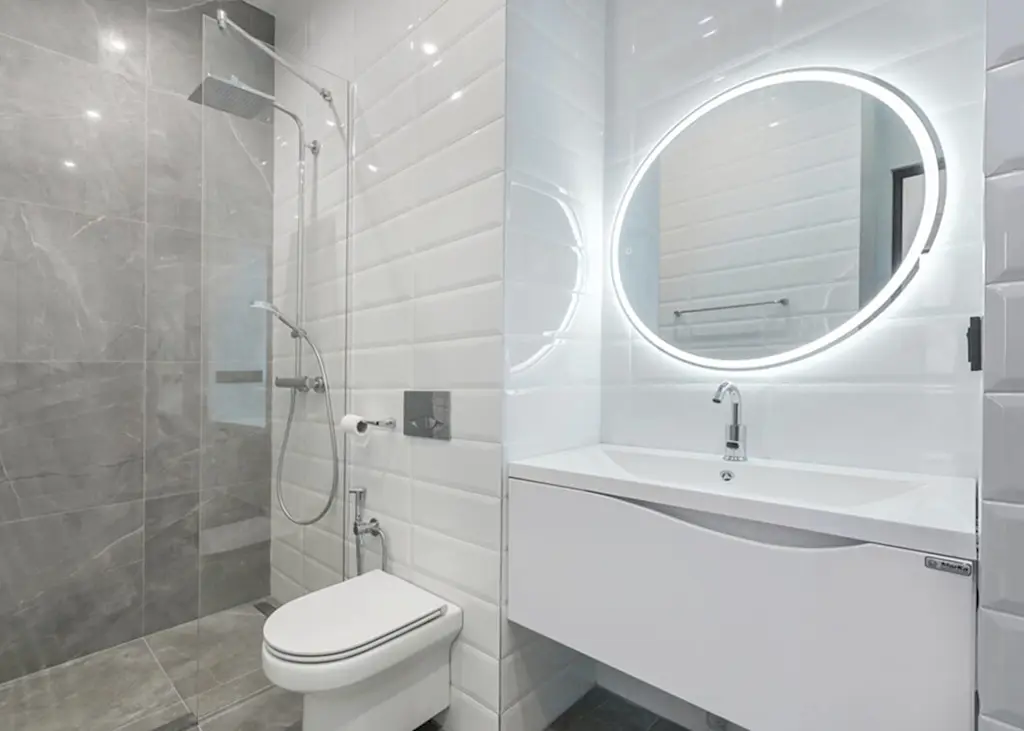
2. Think carefully about the shower
In compact ensuites, showers are generally more practical than baths.
Popular options include:
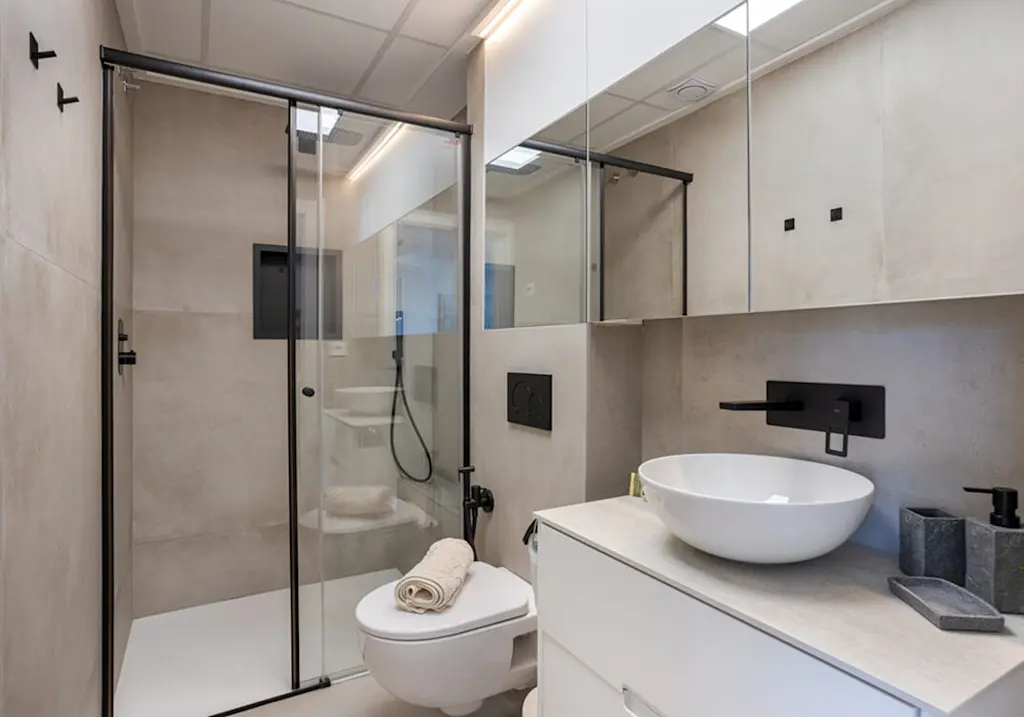
Sliding-door enclosures
Corner shower units
Removing the need for a bath can free up valuable floor space and make the room feel much more open.
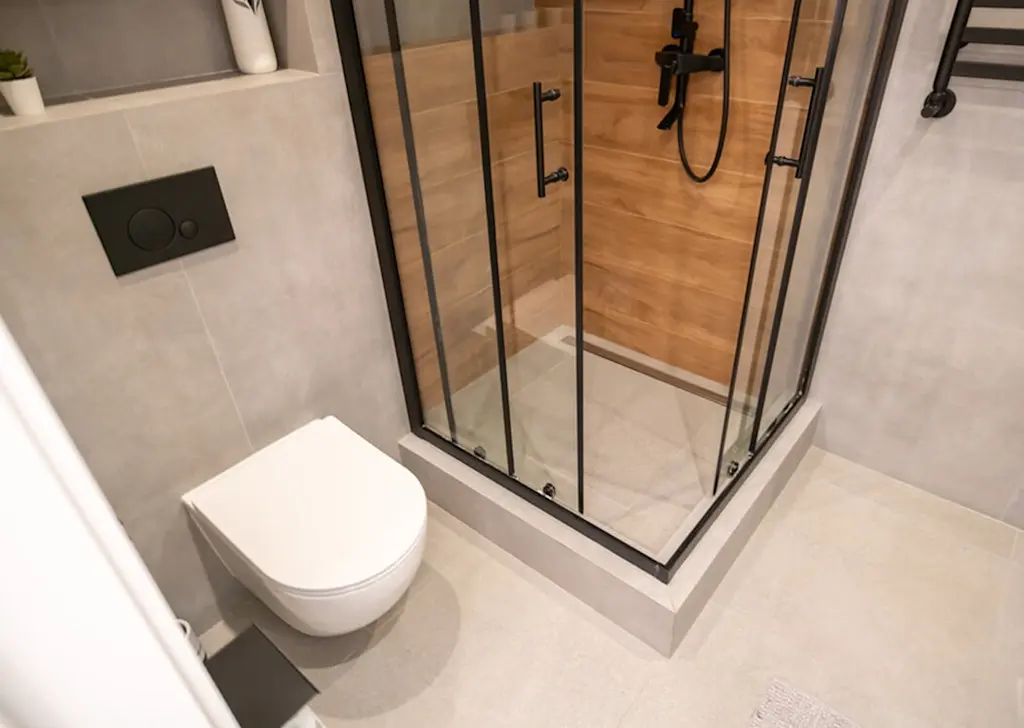
3. Don't overlook storage
Storage is often one of the first things homeowners wish they'd planned more carefully.
Consider:
Recessed shelving
Mirrored cabinets
Wall-mounted units
Slimline vanity storage
Even a small amount of dedicated storage can make a big difference to how the room functions — it'll be easier to maintain too, with everything neatly tucked away.
Before finalising your layout, think about where towels, toiletries and toilet paper will actually live. These everyday items can quickly make a compact ensuite feel cluttered if storage hasn't been planned from the start.
4. Consider the door early
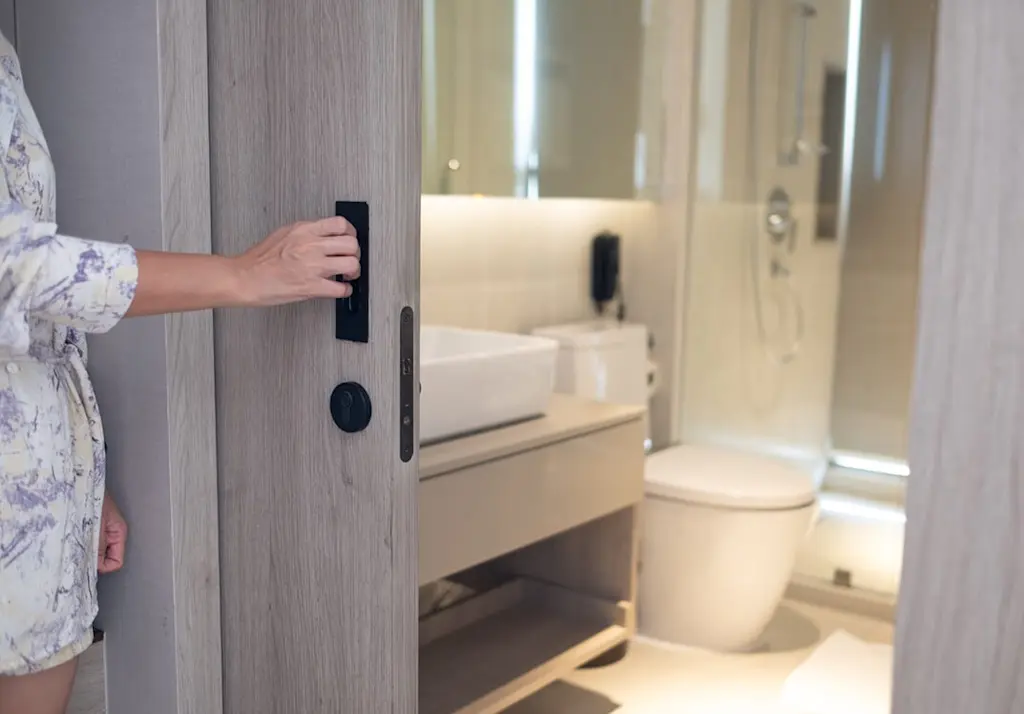
One surprisingly common issue is discovering that the door limits where fixtures can go.
In smaller ensuites, pocket doors or sliding doors can sometimes free up valuable wall and floor space.
What plumbing and drainage does an ensuite need?
This is often the area homeowners think about least, but it's the one that can have the biggest impact on feasibility.
An ensuite typically needs:
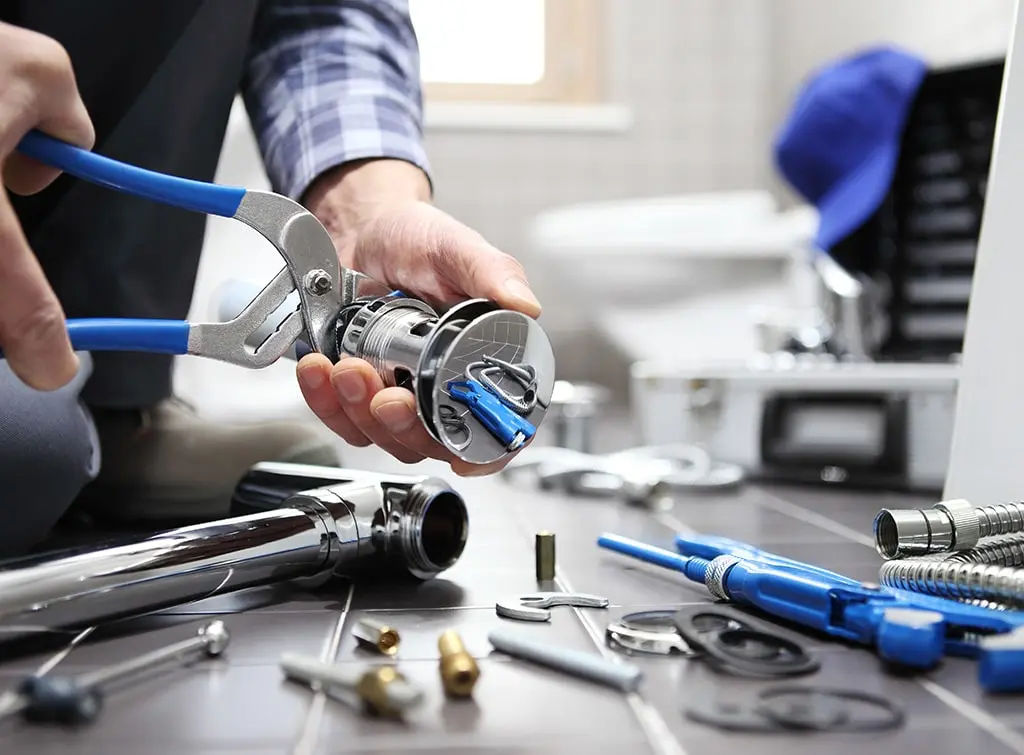
Water supply: Hot and cold water feeds will need extending to the new room
Waste pipes: Waste water from the shower and basin must drain away correctly
Soil pipe connection: The toilet must connect to a suitable soil pipe. This is often one of the biggest factors affecting the layout and cost of an ensuite installation
Ventilation: Building regulations usually require adequate ventilation, typically through an extractor fan. This is particularly important in internal rooms without opening windows
Water pressure: If you're installing a powerful shower, your installer may need to assess whether your current water system can support it
What does ensuite installation involve?
Every project is different, but the process generally follows a similar sequence.
1. Survey and design
Measurements are taken, layouts explored and plumbing routes assessed.
2. First-fix plumbing and electrics
Pipework, drainage and electrical cables are installed before walls are closed up.
3. Building walls and partitions
Any new stud walls or room divisions are constructed.
4. Plastering and waterproofing
Walls are prepared and shower areas waterproofed where necessary.
5. Bathroom installation
The shower, toilet, basin and storage units are fitted.
6. Second-fix electrics and finishing
Lighting, extractor fans, switches and final fittings are installed.
7. Testing and completion
The system is tested to ensure everything functions correctly before handover.
Bathrooms are one of the most heavily regulated rooms in the home because water and electricity are often installed in close proximity. A qualified bathroom installer or electrician registered with a recognised competent person scheme will understand the relevant building regulations and safety requirements, including electrical zones, ventilation standards and drainage requirements. They'll also know when work needs to be certified or signed off.
How disruptive is adding an ensuite?
It's worth having a realistic idea of the disruption before work begins. In practice, though, it depends on the scope of the project.
If you're converting an existing room or storage space, disruption is often fairly contained.
However, you should expect:
Tradespeople working in the bedroom
Some noise and dust
Temporary lifting of floorboards
Plumbing and electrical work
Limited access to the room during certain stages
Most homeowners find the project is less disruptive than a full bathroom renovation because the existing family bathroom remains usable throughout.
For a few days, your bedroom may feel more like a building site than a place to unwind, with floorboards lifted, pipework being installed and materials coming in and out. The good news is that this stage is usually fairly short-lived. Planning ahead for a little noise, dust and disruption can make the project feel much easier to manage.
Do you need planning permission or building regulations approval?
Planning permission
In most cases, adding an ensuite within your existing home won't require planning permission.
However, permission may be needed if the project forms part of:
An extension
Certain loft conversions
Listed buildings
Properties in designated areas with additional restrictions
If you're unsure, check with your local authority before work begins.
Building regulations
Building regulations are often more relevant than planning permission.
Approval may be required where work involves:
New drainage connections
Structural alterations
Electrical installations
Ventilation systems
A qualified installer will be able to advise on the specific requirements for your project.

Bathroom building regulations: what you need to know
We explain when bathroom building regulations apply, what they cover, and how to make sure your project stays compliant from the outset.
Do you need to think about floor strength or weight?
In most modern homes, standard ensuite fixtures won't create a problem.
However, this can become more important when:
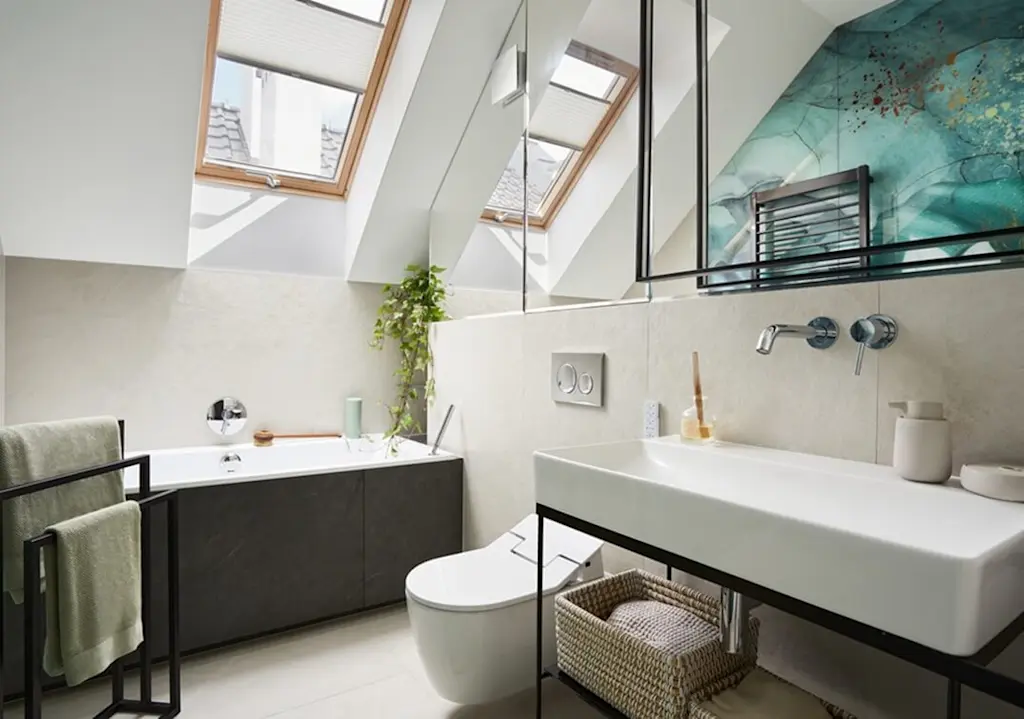
Creating an ensuite in a loft conversion
Installing heavy stone finishes
Adding large walk-in shower systems
Working within older properties
If any structural assessment is required, your builder or structural engineer will advise before work begins.
In reality, most homeowners never have to worry about this. If floor strength is a concern, it will usually be identified and addressed long before the bathroom is installed.

Does an ensuite add value?
Many homeowners consider an ensuite a worthwhile investment for convenience alone.
However, an ensuite can also make a property more attractive to buyers, particularly:
Family homes
Homes with multiple bedrooms
Properties with only one existing bathroom
While there's no guaranteed increase in value, an additional bathroom is often viewed positively by prospective buyers. The improvement in day-to-day living is often the bigger benefit.
How much does it cost to add an ensuite?
Costs can vary significantly depending on:
Room size
Plumbing complexity
Drainage requirements
Fixture choices
Structural work
Finishes and specification
One of the biggest influences on cost is how easily the new ensuite can connect to existing plumbing and drainage. The further services need to be moved or extended, the more complex (and expensive) the project tends to become.
How Much Does a New Bathroom Cost in the UK?
Planning to build a new bathroom? We've put together a list of the most common costs for a new bathroom to help you plan your budget.

Planning checklist before installing an ensuite
Thinking about hiring a professional?
"On time, on budget, excellent quality of work, very tidy and polite: Mark was unphased by any of the challenges we encountered and was able to advise on options, always keen to point out that we should choose what we want so the end result is something we are happy with."
– Verified Checkatrade Review (Location SP5)
You can check out Greens Plumbing to see their credentials and read recent customer reviews in full.

Find experienced bathroom fitters near you
Adding an ensuite involves plumbing, drainage, ventilation and careful planning. Choosing the right installer can make the whole process smoother from the outset.
Through Checkatrade, you can compare local tradespeople who are:
Checked – Passing up to 12 verification checks and committed to upholding the Checkatrade Standard
Reviewed – Verified reviews about real jobs on everything from communication, tidiness, timekeeping, and quality of work
Guaranteed – Work booked through Checkatrade is covered by our £1,000 guarantee (T&Cs apply)
When you’re ready to move forward, search your postcode to compare checked bathroom fitters working in your area and request quotes with confidence.
Find experienced bathroom fitters near you
FAQs
In many cases, yes. The main considerations are available space, drainage routes, ventilation and access to plumbing services.
Many compact ensuites start at around 1.5m x 1m, although the exact space needed depends on the layout and fixtures.
Most ensuites created within an existing home do not require planning permission. Exceptions can apply for extensions, listed buildings and certain loft conversions.
An ensuite can make a property more attractive to buyers and may increase its appeal, particularly where there is only one existing bathroom.
Yes. Loft conversions are one of the most common places to add an ensuite, although drainage, head height and ventilation need careful consideration.
A straightforward ensuite installation will often take around two to four weeks, depending on the complexity of the work.
In most compact ensuites, a shower is usually the most practical option because it makes better use of the available space.
Building regulations may apply where new drainage, ventilation, structural work or electrical installations are involved. Your installer can advise on the requirements for your project.

See the tradespeople we've checked for your job