COST GUIDES
How much does a kitchen extension cost in 2026?
Updated 04/26
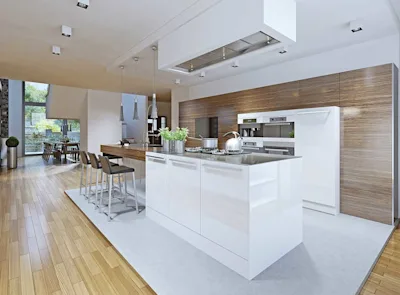
Dreaming of a bigger, brighter place to cook and eat in? A kitchen extension is a great way to expand your space, transform the feel of your home, and raise your property value.
In this guide, we’ll crunch the numbers and look at how much you can expect to pay for a kitchen extension - and you can start budgeting for your new pots and pans.
Fast Facts
On average, a kitchen extension costs £30,000
The total cost can vary depending on the extension shape and size, the utilities, and the kitchen fittings you choose
How much does a kitchen extension cost?
A standard, medium sized kitchen extension costs an average of £30,000.
Or, to add a new basic kitchen to a basic extension, expect to pay an average of £5,500.
Does a kitchen extension cost more?
Yes. The cost of a medium-sized regular room extension on a house starts from around £30,000 - but kitchen extensions cost a fair bit more.
Because there are complexities to deal with (namely fitting your plumbing, gas, electrics, and boiler, as well as installing new kitchen cabinets and appliances), expect to pay £15,000–£35,000 more for a kitchen extension in comparison.
Every kitchen extension is different, however.
To get a more accurate idea of how much yours may cost, compare extension builders with Checkatrade to get quotes from builders near you.
Find a builder for your extension

What’s included in a kitchen extension quote?
A kitchen extension quote usually covers more than just the cost of building the new space - you’re also paying to have your new kitchen installed.
Most kitchen extension quotes will include:
Foundations and structural work
Walls, roofing, and insulation
Windows and doors
Plumbing and electrics
Plastering and decorating
Basic flooring
Kitchen installation (units and worktops may be separate)
Waste and rubbish disposal
Notably, your quote does not necessarily cover all the costs of your new kitchen, such as the units, appliances, tiles, and so on.
Some tradespeople and building firms will manage the whole project, while others may quote for specific parts - such as the build or the kitchen renovation.
Always get a written, itemised quote, and make sure you understand exactly what’s included before booking the job.
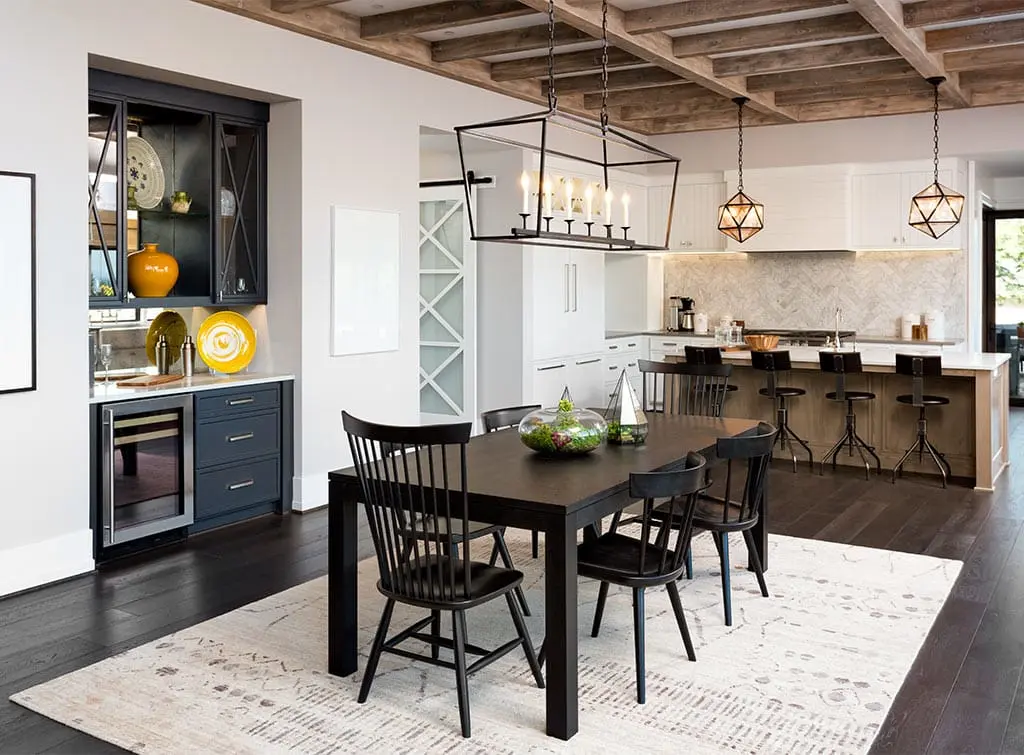
Additional costs to budget for
Some things that may not be covered in your quote include the costs of:
Planning applications
Architectural drawings and structural engineering fees
Skip hire and waste removal
Temporary kitchen setup during the build
Upgrades such as underfloor heating or bi-fold doors
Unless your quote includes everything you’ve chosen for your new kitchen, you’ll also need to budget for that.
Your chosen cabinets, units, appliances, flooring, tiles, paint, finishes, and other decoration will be an additional cost, and can vary a lot in price.
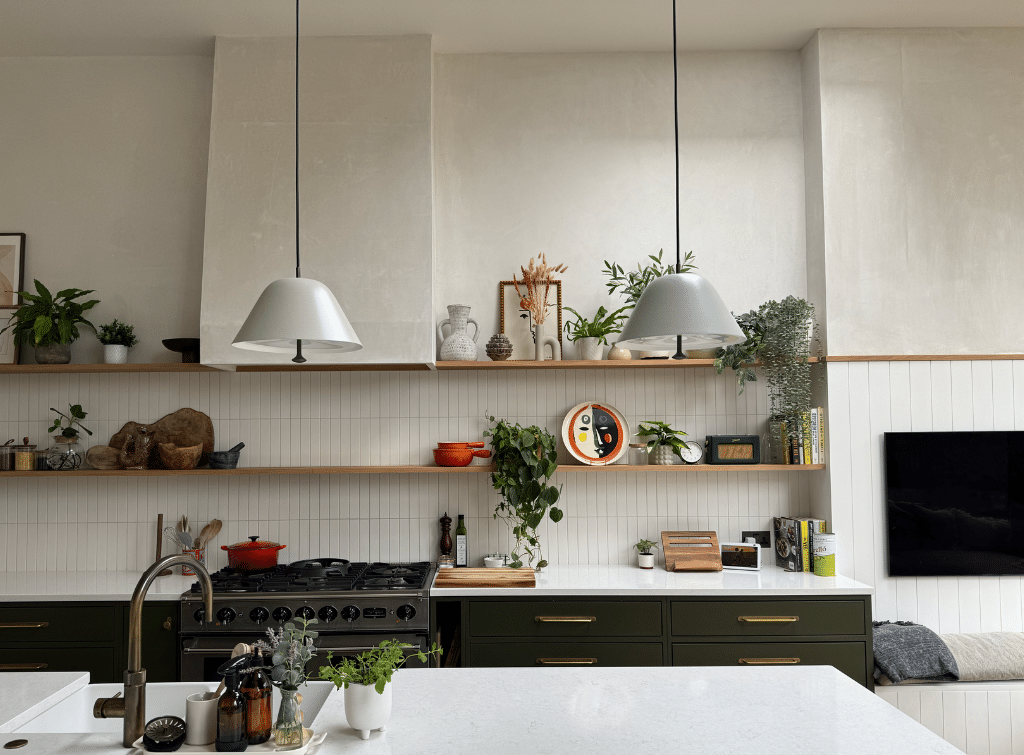
New kitchen: Cost Breakdown 2026
The kitchen is the heart of the home. So, it's no surprise that a new kitchen is one of the most popular home improvement jobs. Here, we’ll break down the typical new kitchen cost to help you budget.
What affects the cost of a kitchen extension?
Aside from the cost of your kitchen fittings, a few key factors can affect how much your extension may cost, such as:
Shape, size, and type of extension
Structural changes
Windows and doors
Changes to the plumbing, electrics, and gas
How accessible your property is
Your location
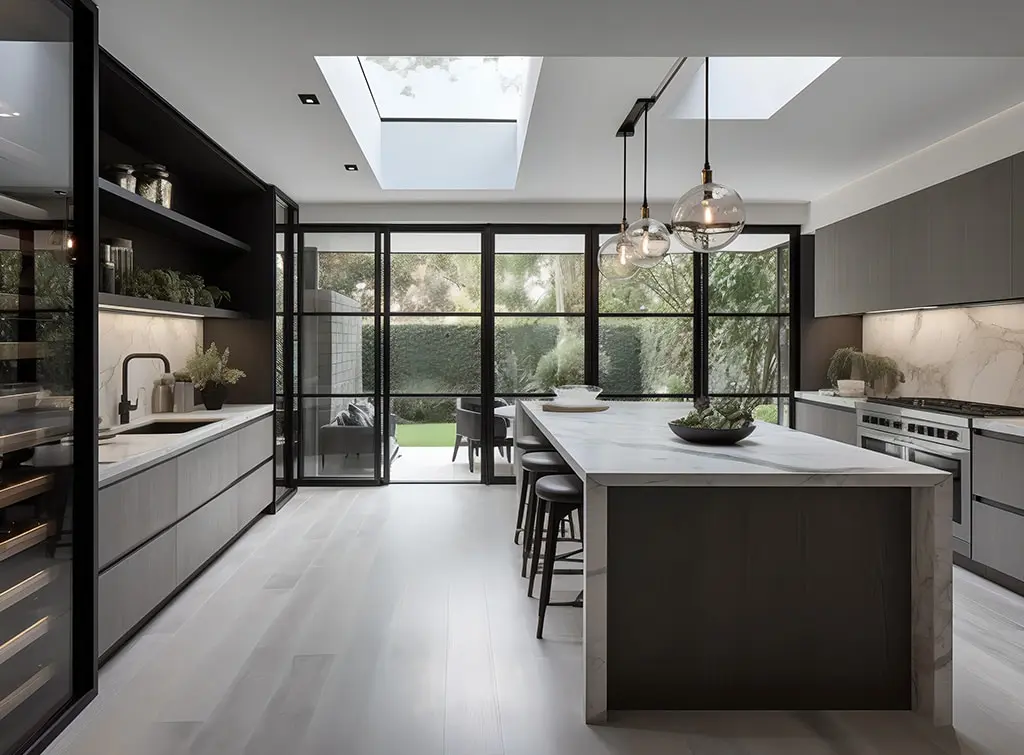
Try the job estimator tool for your kitchen extension
Want a better idea of how much a kitchen extension may cost for your home?
Enter some details into our job estimate calculator and discuss what you're planning. The tool will crunch the numbers using Checkatrade data and give you a guideline of what costs to expect.
Job Estimate Calculator

How to save money on a kitchen extension
There are a few things you can do to help keep costs down when planning and building your kitchen extension.
Prepare for your architect
By knowing exactly what you want and presenting a basic plan, you may be able to save on billable hours to your architect. Come prepared with a simple design - using design software, if you like - with measurements and the basis of your layout.
Keep it rectangular
A square or rectangular shaped build is the most straightforward, and therefore almost always works out the cheapest option.
Work around your utilities
Make a note of where your pipes, electrics, and gas lines currently are, and work around that. The less movement or new installation is needed, the more you’ll save.
Get multiple quotes
Speak to a few tradespeople and companies that provide extensions, to see what costs you can expect for your build and find the best option for your home.
Find a builder for your extension

Choose a pitched roof
The lowest cost roof type is usually a simple pitched roof. If you’re not fussy about the roof and ceiling, this is a handy way to save on costs.
Re-use and recycle
Save on materials by re-using what you already have, seeking out recycled options, or finding ways to upcycle old materials.
Go for the standard
When you do need to buy new materials and fittings, you can save on costs by picking standard sizes and types - such as standard-sized doors, windows, cabinets, appliances, and so on.
Your kitchen extension cost checklist
Get ready to build your dream kitchen extension - and get the most accurate quotes you can - with our quick checklist.

Your kitchen extension cost checklist
FAQs about kitchen extension costs
For a kitchen extension with bifold doors, you'll need to add around £5,000 to your budget for the cost of materials and installation for the doors. See our guide to bifold door costs for more details.
A lean-to conservatory extension that includes a basic kitchen and all its appliances costs an average of £17,625. See our guide to conservatory extension costs for more information.
In London - and other areas of the South East - labour costs are often more expensive than elsewhere in the country. For a kitchen extension, expect prices to be at the top end of the scale.
No - unfortunately extensions cost a lot more these days. £40,000 is enough to cover a small, basic house extension with no complicated plumbing, electric, or gas needs.
Kitchen extensions, however, need all of those - as well as kitchen unit and appliance fitting - which will push the cost up signficantly.
Even a small extension to your kitchen, when done properly, can transform your space and add value to your home. It's worth weighing up the potential costs (and added value) of a kitchen extension against re-fitting your kitchen.
Some of the best layouts for kitchen extensions include open plan kitchens, L-shaped wraparound extensions, side return extensions, full-width rear extensions, and combination kitchen-diners. Take a look at our kitchen extension ideas for a little inspiration!
A few kitchen extension trends you may notice recently include open plan kitchens, long kitchens, and kitchen-diners.
No - the good news is that as long as you build within your permitted development rights, you most likely do not need planning permission for a kitchen extension.
That said, it's always best to check with your local planning authority (LPA) before work begins.
Take a look at our guide to planning permission to learn more.
Find a builder for your extension

More Extensions / Conversions Articles

See the tradespeople we've checked for your job