IDEAS
Kitchen splashback tile ideas for 2026
Updated 08/26
By: Imogen Beech
Reviewed: Alex Peters
Tiles are a fantastic choice for a kitchen splashback - they're practical, water-resistant, and come in an almost endless range of shapes, colours and finishes.
Whether you're after a bold pattern or a quiet, classic look, there's a tiled splashback style to suit.
Which tile shapes, colours and layouts suit your kitchen
How grout choice changes the whole look of a splashback
What a tiled splashback typically involves cost-wise
Whether you can tile a splashback yourself or need a pro
How to keep a tiled splashback clean and looking new
How to find a trusted tiler near you

1. Colourful kitchen splashbacks
If you're looking to inject some colour into your kitchen, do it with your wall tiles.
A range of teal tones gives a splashback depth that paint alone can't match, and pairs beautifully with cream cabinets and a butcher block worktop.

2. Exotic, Moroccan-inspired splashbacks
Bring holiday vibes home with Moroccan-inspired kitchen tiles. A pop of pattern like this works particularly well against white and wood cabinetry, and it's an easy way to add personality without overhauling the whole room.

3. Classic subway tile splashbacks
White subway tiles are endlessly popular, and for good reason - they're versatile, budget-friendly and suit almost any style.
Laid in a classic brick configuration, they give a rustic kitchen a traditional feel alongside wooden worktops and open storage.
Don't underestimate grout. Pairing plain white tiles with black or dark grout instantly modernises a classic subway layout, it's one of the cheapest ways to change the whole mood of a splashback.

4. Herringbone splashback tiles
For a splashback with a bit of wow factor, play with the layout rather than the tile itself. Gloss grey-and-white tiles arranged in a herringbone pattern create a subtle focal point that suits a quieter, more considered kitchen design.

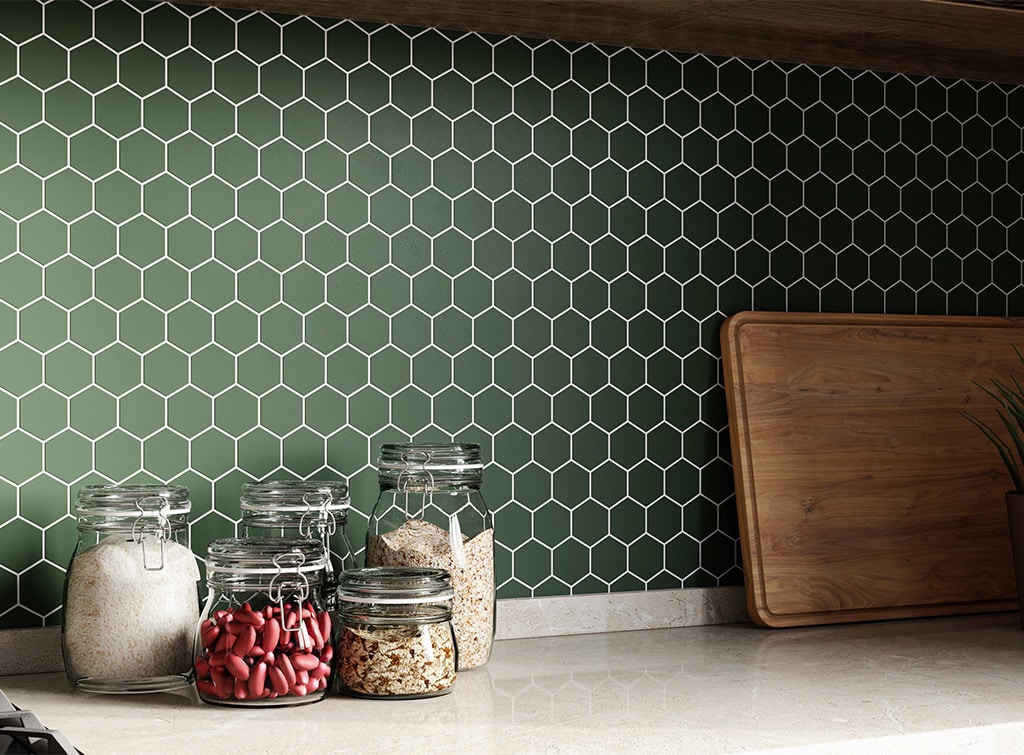
5. Hexagonal wall tile splashbacks
Swap classic rectangular tiles for hexagonal ones for something a little different. A green honeycomb layout suits a midcentury-style kitchen especially well when combined with warm wood accents.

6. Square kitchen tile splashbacks
White square wall tiles are a kitchen classic that's made a real comeback, especially paired with dark grout. This look combines wooden worktops with white square tiles for a look that's traditional with a contemporary edge.
Find a tiler for your kitchen project

7. Red tile splashbacks
Red is a bold, fitting choice for the heart of the home. Pairing red subway tiles with cream cabinetry keeps the space from feeling overwhelming while still making a statement.

8. Patterned kitchen tile splashbacks
Fun, colourful patterned tiles can tie together several accent colours in one kitchen at once. A red, white and turquoise combination brings real personality to what could otherwise be a plain wall.

9. Brick-effect tiled splashbacks
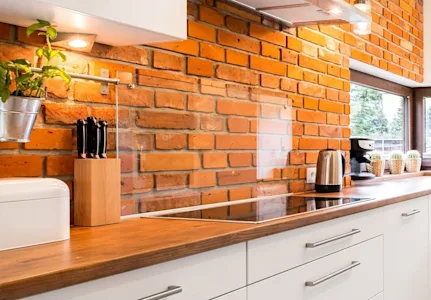
Adding character doesn't have to mean real brickwork. Brick slip tiles give the look of an exposed brick wall without the structural work, and suit a rustic or industrial-style kitchen perfectly.

10. Picket tile splashbacks
Love subway tiles but want something more elevated? Picket tiles - a narrower, elongated take on the classic shape - feel high-end, especially teamed with marble countertops and gold accents for a real sparkle finish.


11. Copper colour tile splashbacks
For a bit of glitz, copper-effect hexagonal tiles are a captivating choice. A copper kitchen splashback adds unique shine, and stands out even more against dark cabinetry.
12. Contrasting tile splashbacks
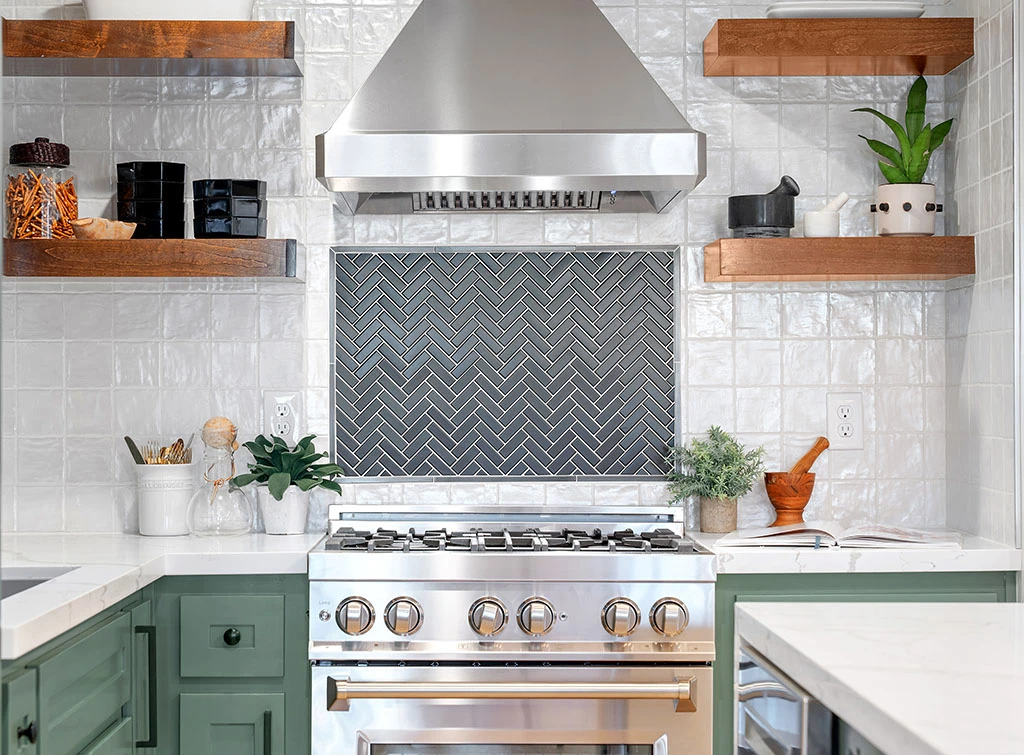
Who says you have to stick to one tile? This kitchen uses dark grey herringbone tiles behind the cooker and white square tiles elsewhere, creating a deliberate, striking contrast across the room.

13. Dark, chevron-laid splashbacks
Most kitchens lean towards light neutrals, but black tiles laid in a chevron pattern create real drama. It's a bold move that works especially well in a monochrome kitchen.

14. Splitface splashback tiles
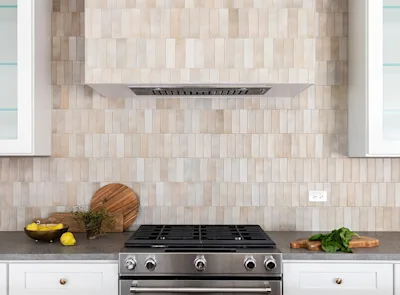
For a beautiful, raw texture, splitface tiles are hard to beat. These thin strips of stone are cut to different lengths and depths, picking up different shades of white and grey to tie a room together.

15. Mosaic tile splashbacks
Mosaic tiles have been used for thousands of years and can be wonderfully intricate. This backsplash uses mosaic tiles in various shades of green for a contemporary twist on a traditional technique.

16. Geometric print splashbacks
Geometric print tiles that echo Victorian floor tiles bring a period feel to a modern kitchen - especially when the same tiles are used on both walls and floor for a fully cohesive look.
If you love the geometric look, it's worth its own deep dive, see our geometric splashback tile ideas guide for more shapes, patterns and bathroom versions too.
17. Layered kitchen island splashback
Don't forget your kitchen island if it includes a hob or sink. Matching or complementary tiling here can help tie a large, open-plan kitchen together, rather than treating the island as an afterthought.

Choosing the right tile for your splashback
Not every tile is suited to life behind a hob or sink. A few practical things worth thinking through before you buy:
Heat resistance - tiles directly behind a gas or induction hob need to handle sustained heat without cracking or discolouring
Water resistance - porcelain and ceramic are naturally low-porosity and easy to wipe down; natural stone (like splitface) usually needs sealing
Tile size - large-format tiles mean fewer grout lines to clean, while smaller mosaics and hexagons are easier to fit around sockets and pipework
Grout colour - as important as the tile itself; dark grout hides marks but shows dust, light grout looks fresh but needs more upkeep
If tiles aren't quite right for your space, it's also worth weighing them up against glass, acrylic or laminate splashback panels, which have fewer grout lines but a different price point and installation process.

7 cheap splashback ideas for kitchens
A kitchen splashback serves an important function, but there’s no reason why it can’t add to the decor. That’s why we’ve brought you these splashback ideas for your kitchen that are cheap, yet stunning!
How much does a tiled kitchen splashback cost?
Splashback costs vary depending on the size of the area, tile material, and layout complexity (herringbone and mosaic take longer to lay than a simple grid).
Rather than guess, it's best to see current, like-for-like pricing.
For a full breakdown of what affects tiling costs, see our tiling cost guide. If your existing grout is more of an eyesore than your tiles, our regrouting cost guide is also worth a look before you commit to a full retile.
Job Estimate Calculator

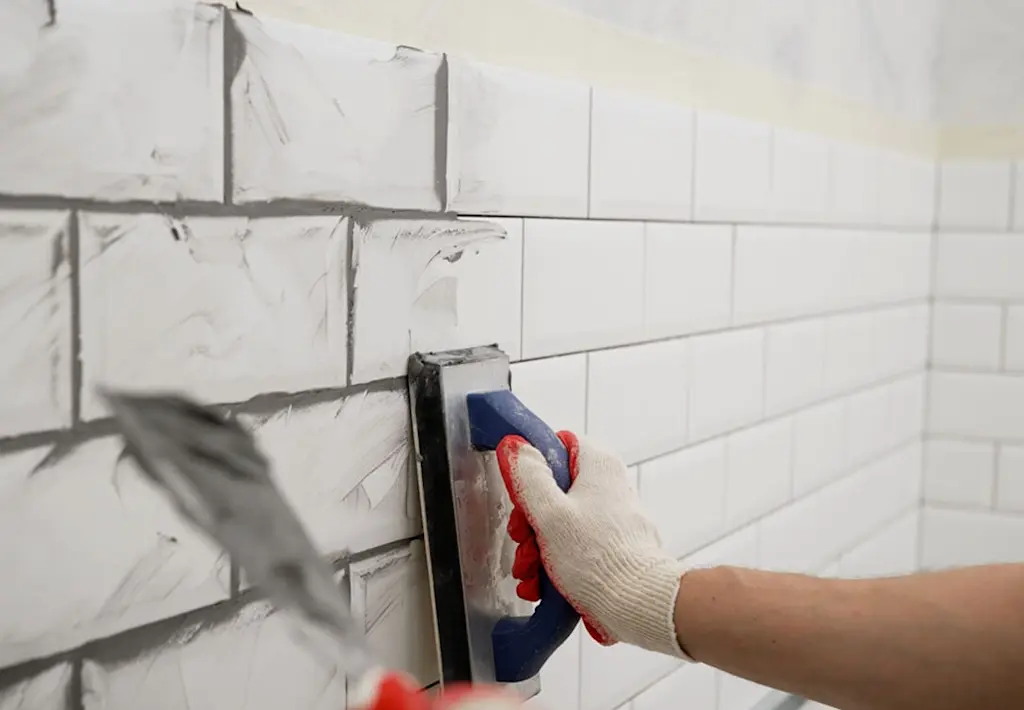
Can you tile a splashback yourself?
A small splashback area is one of the more approachable DIY tiling jobs, provided the wall is flat, dry and properly prepared.
That said, cutting tiles neatly around sockets, hobs and extractor points takes practice, and getting the first row level is critical - any wonkiness there gets magnified across the whole wall.

How to tile a splashback: step-by-step guide
Learn how to tile a splashback in just a few short steps, and transform your kitchen in no time.

If your splashback project also involves new cabinets or a wider layout change, you may want a kitchen fitter or kitchen designer alongside your tiler, rather than tackling it as a standalone job.
Finding a tiler for your splashback
If you'd rather leave it to a professional (especially for anything beyond a simple grid layout), it's worth getting a couple of quotes before you commit.
Browse local tilers near you
Enter your postcode to find a top tradesperson near you
Solakov Tiling
10.00
(8 reviews)Services & skills
Tiler - TilingBrick TilingMosaic TilesEmergency Tiling ServicePorcelain TilesSTAN'S TILING LTD
10.00
(29 reviews)Services & skills
Tiler - TilingBrick TilingNatural Stone TilesFloor TilingHand Made TilesDE DECORATION
10.00
(21 reviews)Services & skills
Tiler - TilingBrick TilingPorcelain TilesFloor TilingTile SupplierTiling Sussex
10.00
(41 reviews)Services & skills
Tiler - TilingWall TilingFloor TilingHand Made TilesVictorian TilesICLI DECORATION
10.00
(10 reviews)Services & skills
Tiler - TilingBrick TilingCeramic TilingQuartz TilingWall TilingLuxury Tiling
10.00
(68 reviews)Services & skills
Tiler - TilingBrick TilingMosaic TilesPlain TilesSlate Tiles



Need reassurance? All tradespeople pass up to 12 checks before joining, and we keep checking after.
Kitchen splashback tiling checklist

Kitchen splashback tiling checklist
Before you start tiling
FAQs
Porcelain and ceramic tiles are the most popular choice for kitchen splashbacks because they're durable, water-resistant and easy to clean. Natural stone options like splitface add texture but generally need sealing to resist moisture and staining.
Most kitchen splashbacks run from the worktop to the underside of the wall cabinets, though full-height splashbacks behind a hob (sometimes right up to the ceiling) are increasingly popular for a bolder, more dramatic look.
Yes, for a straightforward grid layout on a flat, well-prepared wall, tiling a splashback is a realistic DIY job. More complex patterns like herringbone or chevron, or tiling around a gas hob, are usually best left to a professional tiler.
You'll want tiles rated for heat resistance directly behind a hob, whether gas or induction. Most ceramic and porcelain tiles handle this well, but it's worth checking the manufacturer's guidance, especially for painted or printed finishes.
It depends on the look you want. Dark grout with light tiles gives a modern, graphic contrast and hides everyday marks well. Light or matching grout keeps things feeling seamless and calm, but shows dirt more easily and needs more frequent cleaning.
Wipe tiles down regularly with a mild detergent to stop grease building up, and reseal grout lines every year or two (more often for natural stone) to keep them water-resistant and stain-free.
Cost depends on the tile material, splashback size and how complex the layout is. Our tiling cost guide breaks down current pricing in more detail.
Tiles offer far more choice in colour, shape and pattern, and are easy to repair one at a time if damaged. Glass and acrylic panels have no grout lines to clean but come as a single sheet, so any damage usually means replacing the whole panel.


See the tradespeople we've checked for your job