COST GUIDES
Barn conversion cost: 2026 UK price guide
Updated 09/26
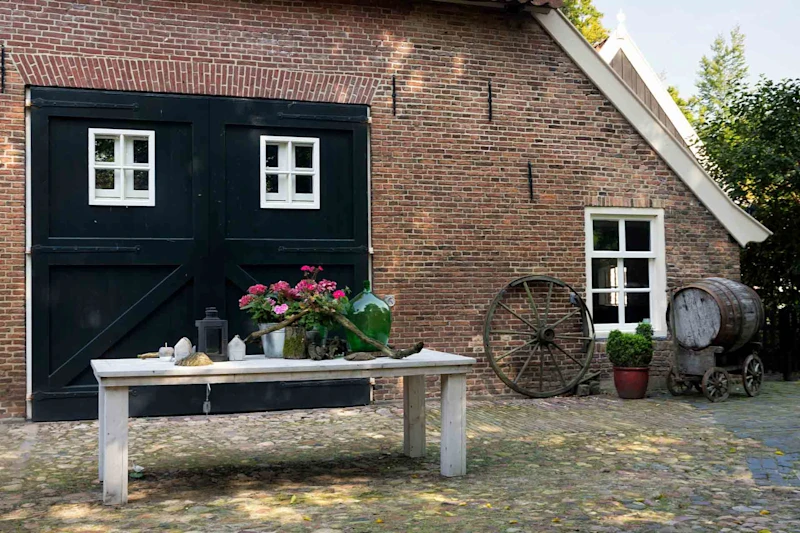
Barns offer large, spacious living areas with high ceilings, and once converted truly have the wow factor. But how much will it set you back?
Fast Facts
Typical cost: Around £275,000 for a full barn conversion
Cost per square metre: Between £1,400 - £2,000 per m2
Biggest pricing factor: The size and condition of the existing barn
While the average barn conversion cost can be high, the limitless potential to create your dream home makes this project well worth the investment.
Feeling excited? Read on to learn more about how much a barn conversion may cost, and what you need to consider to get the final price.
How much do barn conversions cost?
| Type of conversion | Cost + VAT (Range low - high) | Average cost |
|---|---|---|
| Barn conversion cost | £150,000 - £400,000 | £275,000 |
| Barn conversion cost per square foot | £153 | |
| Barn conversion cost per square metre | £1,400 - £2,000 | £1,700 |
| Small barn conversion cost | £150,000 - £200,000 | £175,000 |
| Steel frame barn conversion cost | £250,000 - £300,000 | £275,000 |
| Last updated: September 2026 Our costs are ballpark averages - get a local tradesperson to quote now | ||
Converting a barn typically costs £275,000 on average, though the final bill depends heavily on the barn's size, condition, and finish.
Expect to pay somewhere in the range of £1,400 - £2,000 per m2 depending on your specifications.
Barn conversions are not a project for those on a tight budget, but the money you spend will be more than justified once you see your incredible new home.
It's also important not to cut corners during the conversion process, as this will only lead to issues down the line.
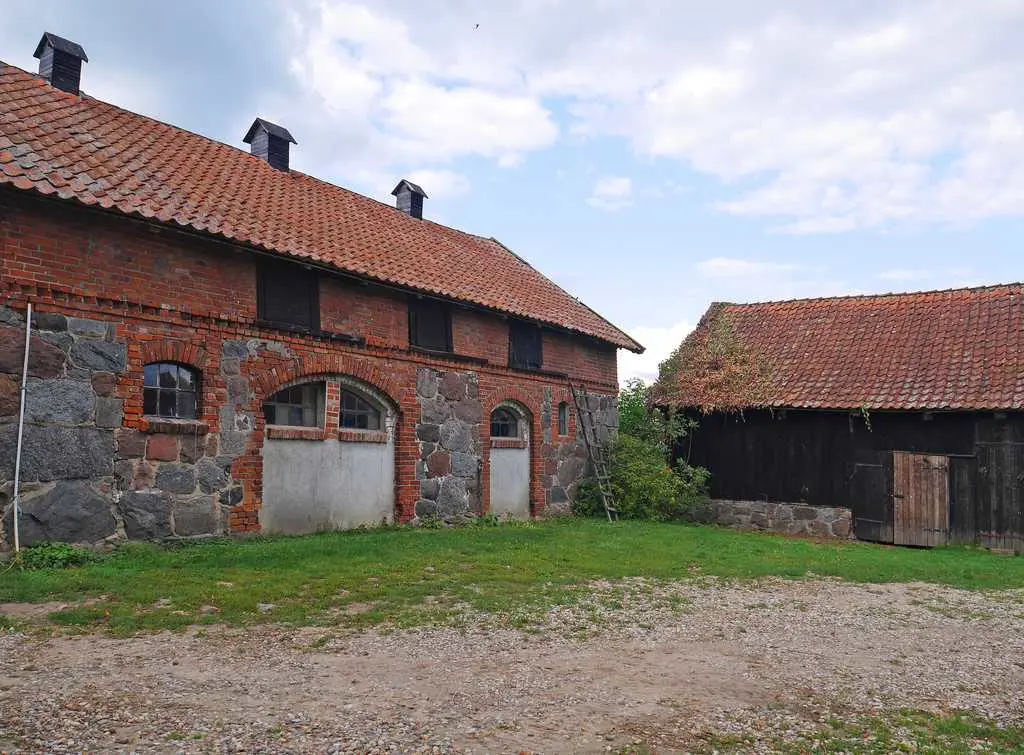
Barn conversion costs by project type
Barn conversion cost per square foot
The average barn conversion cost per square foot is £153.
Sometimes it can be helpful to calculate your cost of barn conversion by square feet. This figure can be affected by a number of other factors, but it gives you a good starting point.
Barn conversion cost per square metre
The average barn conversion cost per square metre is £1,700.
Some contractors will give you a barn conversion cost breakdown based on the number of square metres it takes up.
Again, this can be useful, as it means you won't overpay on conversion costs even if your barn isn't large.
Small barn conversion cost
The average conversion cost for a small barn is around £175,000.
A large determining factor in the cost of barn conversions is the size of the barn in question.
Your tradesperson may simply give you a guide price, but this will be lower for smaller barn conversions.
Steel frame barn conversion cost
The average steel frame barn conversion cost is £275,000.
Instead of a traditional stone barn, you may be looking to convert a steel frame barn into a home.
Once converted, this will still make an excellent property, but a project of this type can be very costly.
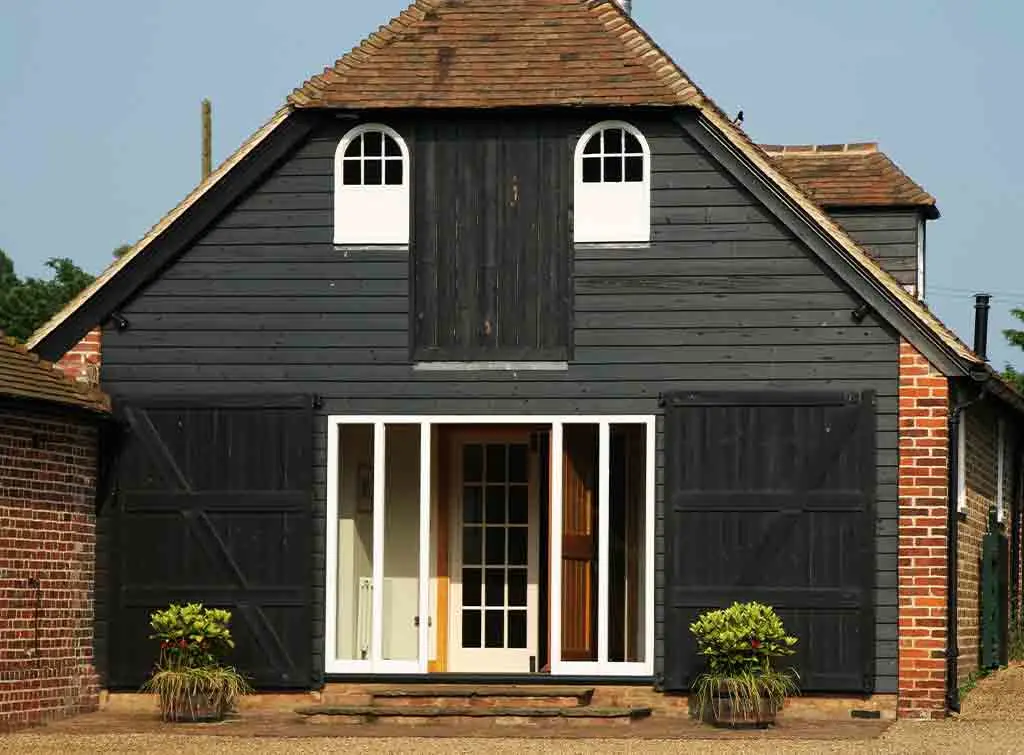
Factors affecting the cost of a barn conversion
When planning your barn conversion, you'll need to bear in mind a wide range of variables that affect whether you pay under or above the average barn conversion cost.
Below are the most influential factors:
Materials used: The different materials you choose to incorporate into your conversion project will all have different prices. Taking materials out carefully for re-use will be more expensive than straightforward demolition - for example, stonework needs to be cleaned before you re-use it.
Size of the barn: The larger the barn, the more materials and longer labour times are needed. This will push up the cost of your barn conversion.
How much land you purchase: If your future barn sits on a large plot of land, this will be more expensive to purchase than a smaller area.
The layout of the barn: The more complex the layout of your barn conversion, the greater the price will be.
Added walls, windows, and doors: The more of these you add, the higher your barn conversion cost.
Added utilities: If you need to add gas, electric, and water, you'll pay extra for your conversion.
Finish: Painting, carpeting, tiling, and other finishing touches will all push up the cost of your barn conversion.
Your chosen builder: It can be difficult to price a barn conversion before beginning, so builders often over-budget to cover themselves for any extra risks and every eventuality.
The condition of the current barn: If the barn is in poor condition, it will be more expensive to bring it up to living standards.
Access to the barn: Barns are often located down narrow and tight lanes, so you'll need to consider whether crane access is possible. If a replacement slab is required, a concrete pump will be needed, and it can be a struggle to get a sizeable HGV onto site for that. This pushes up the average cost of a barn conversion.
For more on how to budget for a renovation project, see our dedicated guide.
What's included in a barn conversion quote?
A typical barn conversion quote covers:
Labour
Materials
Design and structural engineer fees
Building control sign-off
Ask your builder for an itemised breakdown so you know exactly what's included before you compare quotes from checked tradespeople.

What extra costs should I budget for?
It's always important to account for any extra costs that will crop up during the conversion process. The following are all worth looking into before planning your budget:
Wall and timber reinforcement and fixing any cracks or holes
Removing and replacing the floor structure completely
Cost of sympathetic window replacement and features to fit in with historic surroundings
Extra important things to consider
Carry out detailed investigation works first. For example, does the floor slab need replacing? Breaking out and replacing the floor slab with an insulated slab could add up to £250 per m².
If you plan to live in your conversion long term, connecting to water and sewage services will be worth the cost. For short-term use, consider a septic tank instead. Ground or air source heat pumps could cost around £30,000, but may reduce the need for LPG fuel.
Walls in barns are typically very thick. Forming any new openings will require significant building work and structural steelwork supports.
Oak trusses can be expensive. It's worth shopping around and letting truss suppliers advise you on options, since softwoods and hardwoods can be priced very differently.
To modernise while staying in keeping with stone and slate roofs, new windows are often very expensive, considerably more so than uPVC or aluminium.
Parts and materials can be very resellable, particularly those from old barns. Consider speaking to your local reclamation yard: slate roofs can be stripped and cashed in, and new roofs replaced with modern "replica" slate tiles that look almost as good while still offering great weather protection.
Speak to a specialist before buying your barn, to make sure the project isn't going to cost more than the ultimate end value.
How long does a barn conversion take?
Most barn conversions take 6 to 12 months from start to finish, depending on the size of the barn and how much structural work it needs.
Larger barns, listed buildings, or builds using reclaimed materials, can take longer, so build in extra time for planning and building control sign-off too.
Common barn conversion options
There are so many ways you can customise your barn conversion to fit your exact requirements. With aesthetic and functional options, you can create a unique and striking home.
Options include:
Wide-open plan spaces
Double height rooms or stairways
Galleried landings
Skylights or roof lights
Sunrooms (see our sunroom cost guide)
Floor to ceiling glass walls
Adding extra storeys
For more inspiration, see our barn conversion and stable conversion ideas.
Can I convert a barn myself?
Whether you can undertake this type of job yourself largely depends on your level of skill and experience, plus the current condition of the barn.
Barns in poor condition need much more work to make them liveable, which can be very time consuming and complex.
Before making any decisions, you should consider the following:
Your barn conversion needs to be planned out exactly to make sure the layout is optimised
It's very dangerous to work with electricity and gas without professional help
Specialist tools and equipment will be required
It will be difficult to achieve a professional finish without experience
If not done safely, you could cause injury to your family and/or damage to the barn
Removing asbestos needs to be done safely
Underpinning should always be dealt with by a professional
For the above reasons, the best route is usually to hire a builder or specialist barn conversion service.
To find a barn conversion specialist near you and start getting quotes, use our request a quote feature.
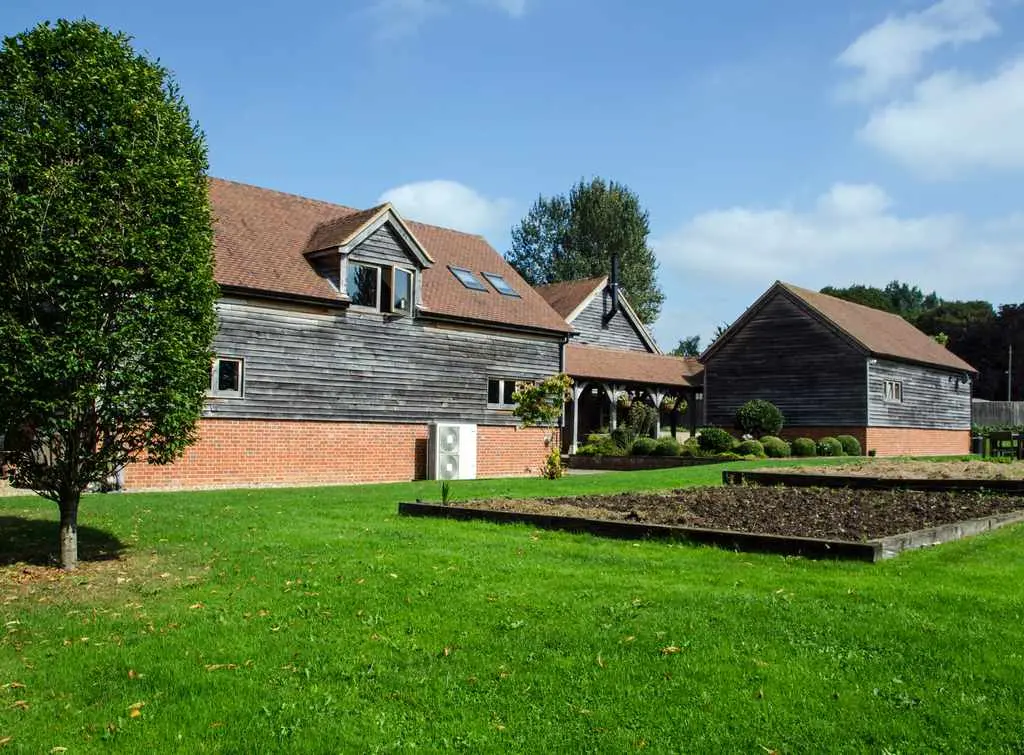
Benefits of barn conversions
There are a wide variety of advantages to converting a barn, setting you up with a home that you will never want to sell. Some of the benefits include:
The huge potential to create a one-of-a-kind property
Large, open spaces
You can pick your ideal location and build in the countryside with picturesque views
The chance to incorporate original barn features like beams
You can design a totally unique property
The option to choose the exact layout and shape of your rooms
If the property is empty it can be zero VAT rated, which makes it cheaper to work on than a standard conversion
A barn conversion can even have an appealing and commercially beneficial end use as an Airbnb-style rental
That said, barn conversions aren't the right fit for everyone. They tend to cost more per square metre than a new build and can take considerably longer to complete, so it's worth weighing up the cost and complexity before committing.
Barn conversion cost: job estimator tool
Get a quick estimate for the cost of your barn conversion with our calculator.
Just type in a few details about your project, such as the size of the barn and what features and utilities you want, and the tool will use our data to give you an approximate quote.
Job Estimate Calculator
Barn conversion cost checklist
Before hiring a tradesperson for your barn conversion, here's what to check:

Barn conversion cost checklist
FAQs
No, you won't usually planning permission, as agricultural buildings are permitted to be converted into homes under Class Q permitted development rights.
If, however, your refurbishments are classed as a rebuild rather than a conversion, you will need planning permission.
Check with your local authority and see our planning permission cost guide for more detail.
Before starting your conversion, you should:
Always inform your local authority of your plans
Obtain a lawful development certificate
A number of building regulations apply to the structure, utilities, doors, windows, and roof.
If a barn conversion doesn't completely fit your requirements but you're still unhappy with your current living situation, there are a number of different options available:
Re-build a barn from scratch using modern techniques and technology, but with an authentic aesthetic
Renovating a farmhouse is another option if you want rural character without starting from scratch
Often, yes. Most barn conversions add real value to your property and give you a genuinely unique home, but the return depends on location, condition, and how much work the barn needs. Get a local surveyor's view before you commit to a purchase.
Not always. Converting a barn tends to cost more per square metre than building from scratch, because of the extra work needed to fix, insulate, and modernise an existing structure. The trade-off is a characterful home you couldn't build any other way.
Yes - well-converted barns tend to hold their value strongly, thanks to their character and rural setting. Keeping original features like beams and stonework, and using quality materials throughout, helps protect that value long-term.

Read more about permitted development rights for stable conversions, listed building renovation advice and listed building consent in our dedicated guides.


See the tradespeople we've checked for your job