Blog>Expert Advice>Why your window leaks when it rains – and what to do about it
Last updated: 19 March 2024

Why your window leaks when it rains – and what to do about it
If your window leaks when it rains, you’ll need to get it fixed urgently before it causes further damage to your window and interiors. Here’s what to do.
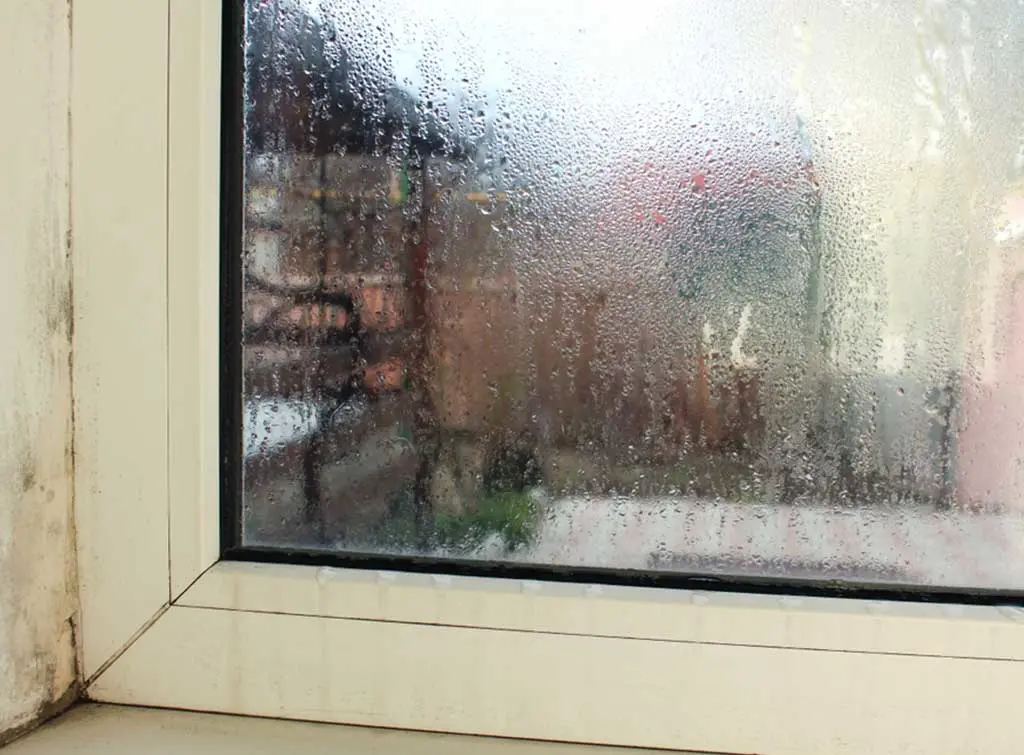
Have you spotted water coming through the top of your window when it rains? Or perhaps you’ve noticed wet patches on your walls after a rain storm?
Whatever the signs, you’ll need to act quickly if your window leaks when it rains. Here’s why it might be happening and what you should do about it.
My window is leaking when it rains: why?
If you’ve noticed that your window is leaking when it rains, there are several reasons why this might be the case. Here are the main ones:
Missing or damaged sealant
Most window leaks are caused when the chemical components in the window sealant break down.
Missing or damaged sealant or caulk won’t just cause leaks. It can also cause your heating bills to climb as warm air is able to escape your home.

Draught-proofing your home: An expert guide
If you want to banish those cold breezes for good, you'll love our expert guide to draught-proofing your home. We look at some of the biggest culprits that let uncontrolled cool air flow into your home and explain what to do about it.
Broken window seal
Cracked caulking and worn weatherstripping can let water seep into your home.
This will usually happen due to wear and tear, and can also lead to heat loss.
Condensation
Have you spotted water pooling on your window sills, or damp patches appearing on your walls?
This might not actually indicate a leak. Rather, the problem could be related to condensation.
Condensation is usually caused by poor insulation around your windows or poor ventilation. You can also get condensation between the panes of your double glazing if the seal around the glass is damaged – known as a blown window.
Rotting wood
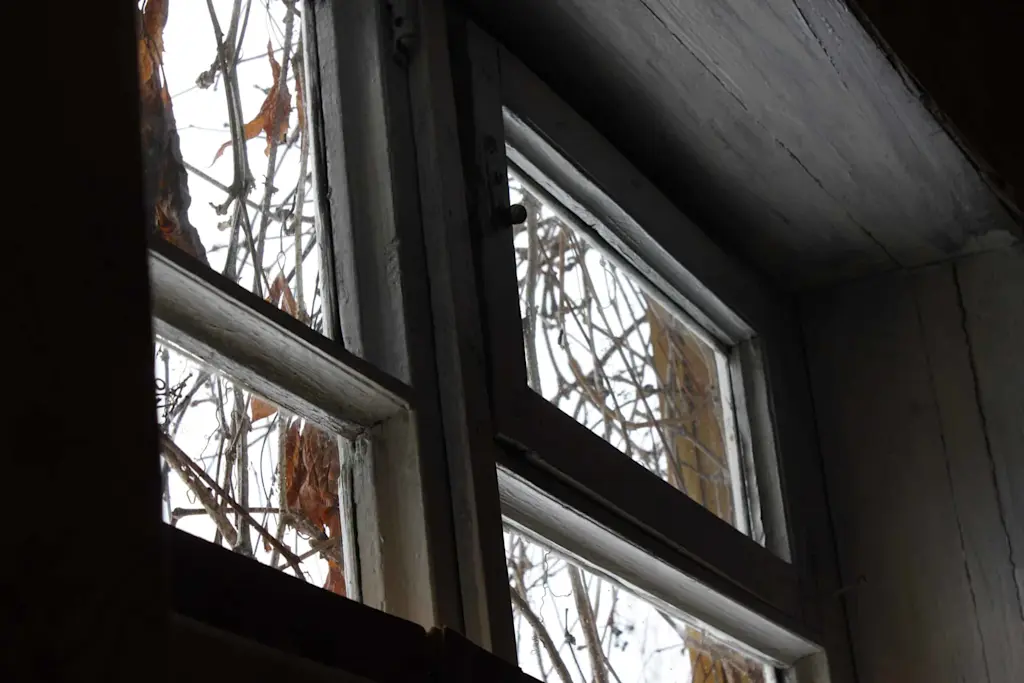
If your wooden window leaks when it rains, look out for rotting wood.
Rotted window frames can lead to leaks as they degrade the seals and eventually allow moisture to seep into your home.
Clogged gutters
If your window leaks from the top when it rains, this may be due to a problem with your gutters – not your window itself.
A clogged gutter can cause a stream of water to run down the face of your home, which can work its way through the tops of your windows.
Damaged flashing
Similarly, damaged flashing on your roof can cause rainwater to run down the wall of your property and work its way in through your windows.
So, if you spot that your window leaks from the top when it rains, this is a possible cause.
Poorly angled overhangs
In a home that’s well designed, sloping overhangs above your windows and doorframes channel water away from potential entry spots.
If you find that water is running into your home in wet weather, this could be because overhangs such as your window sills and fascia board are angled inwards instead of outwards. If this is the case, they could be directing water towards your windows.
Poorly installed windows
Another possibility if your window leaks when it rains is that your windows haven’t been installed properly.
In this case, you might need to invest in bigger repairs or replacements down the road, although there are ways that you can temporarily stop your window from leaking in the meantime.
Find a local tradesperson
How to stop rain coming through your window
If you’ve noticed that your window leaks when it rains, the first step is to work out what’s causing the problem.
Although it’s easy to assume that the issue is with your windows if you see water pooled beneath them or damp patches around them after a night of rain, they’re not the only suspect. As we’ve touched upon above, there are all sorts of potential causes, from condensation to roof leaks or issues with your guttering.
To help you get to the root of the problem, answer these troubleshooting questions.
How long has your window been leaking?
Think back to when you first noticed your window leaking. Was there an event that occurred around that time, such as a storm, snow or strong winds?
Has the issue stayed the same since then, or has it gradually been getting worse?
Is your window leak consistent?
Consider whether your window leaks every time it rains. For instance, perhaps it just leaks during heavy showers. Or only when the wind blows the rain in a particular direction.
Similarly, does your window ever leak when it’s not raining?
How old are your windows?
Are your windows relatively new? Or were they installed a long time ago?
Windows in homes typically have a lifespan of around 15 to 20 years. After this, the seals start to weaken or fail, which can leave you vulnerable to water leaks.
Where is the entry point?
Can you actually see water coming in through your window? Or are you just going by signs like damp patches around your windows after a night of heavy rain?
If you can see the water leaking in, make a note of where it’s entering. For instance, if your window leaks from the top when it rains, this could be a sign that the issue is with your guttering or roof.
Have you tried any fixes?
Have you already tried to fix your window leak in some way? If so, think back to what was done and whether it helped at all.
Struggling to get to the bottom of the problem? Don’t panic. Just get in touch with a window repair expert near you to examine your windows and help you work out what’s going on.
Find a local tradesperson
How to fix a leaking window frame when it rains
If you’re confident that the issue is with your window frame then there are a few steps you can take to attempt to fix the problem.
1. Check for damage
First things first, check your window frame, weather stripping, sealant and caulking for cracks or damage that might be causing the leak. You might need a torch to be able to see properly.
2. Clean the area
Next, clean the area thoroughly to get rid of any debris and old caulk.
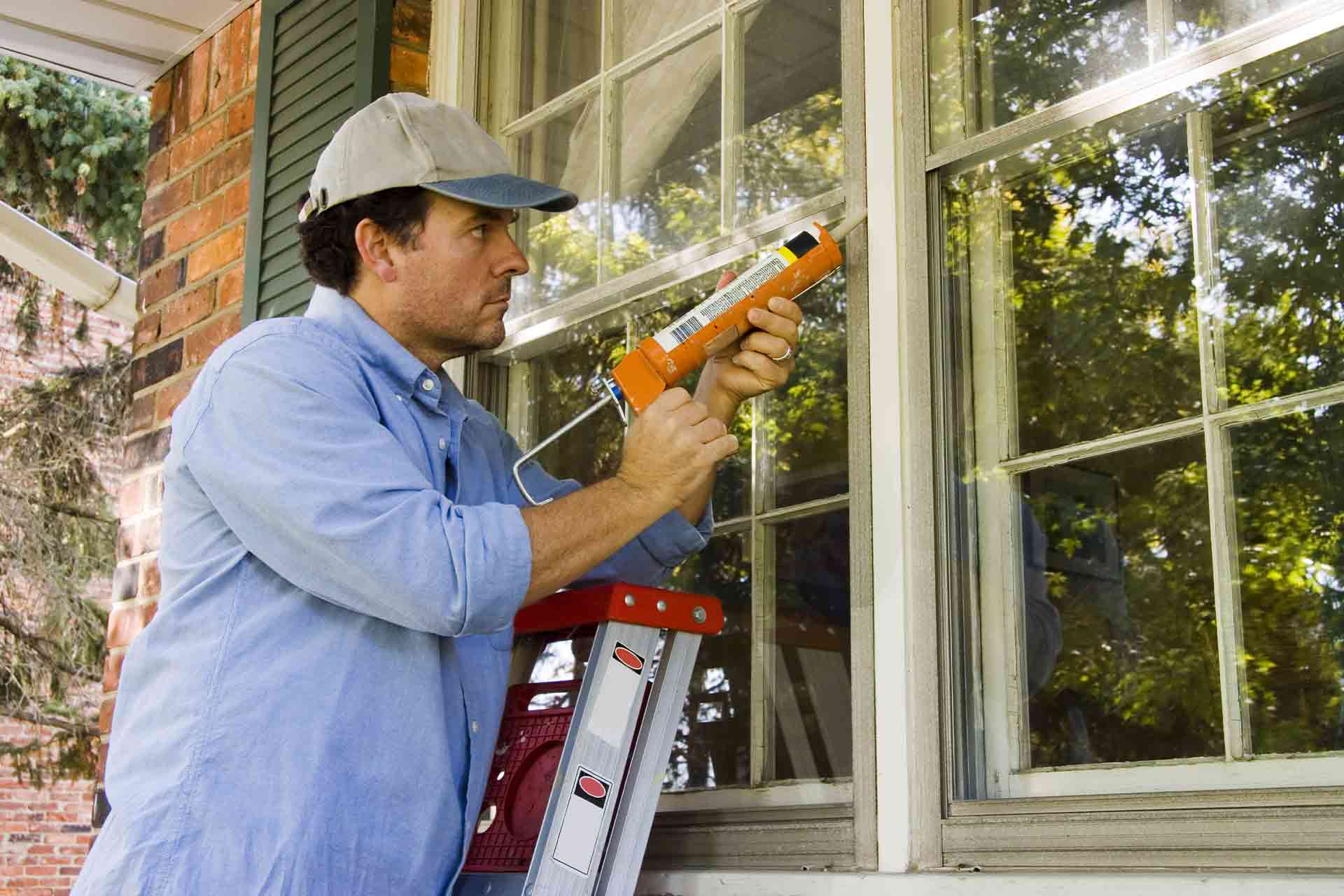
3. Apply sealant or replace weather stripping
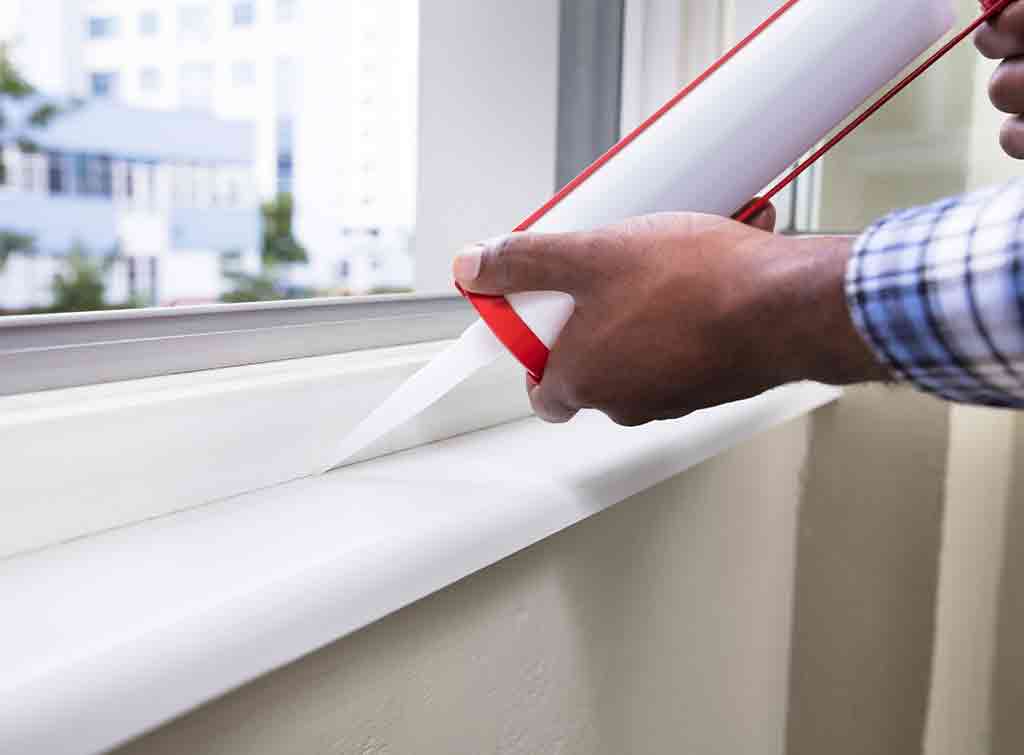
Now you can apply a layer of sealant to any cracks and gaps that you found. Usually, a sealant that’s silicone-based will work best, as this is flexible and water resistant.
Alternatively, if you’re dealing with a larger leak, you may need to replace the weather stripping. Check out our guide to the cost of window seal replacement to learn how much it would cost to get a professional's help.
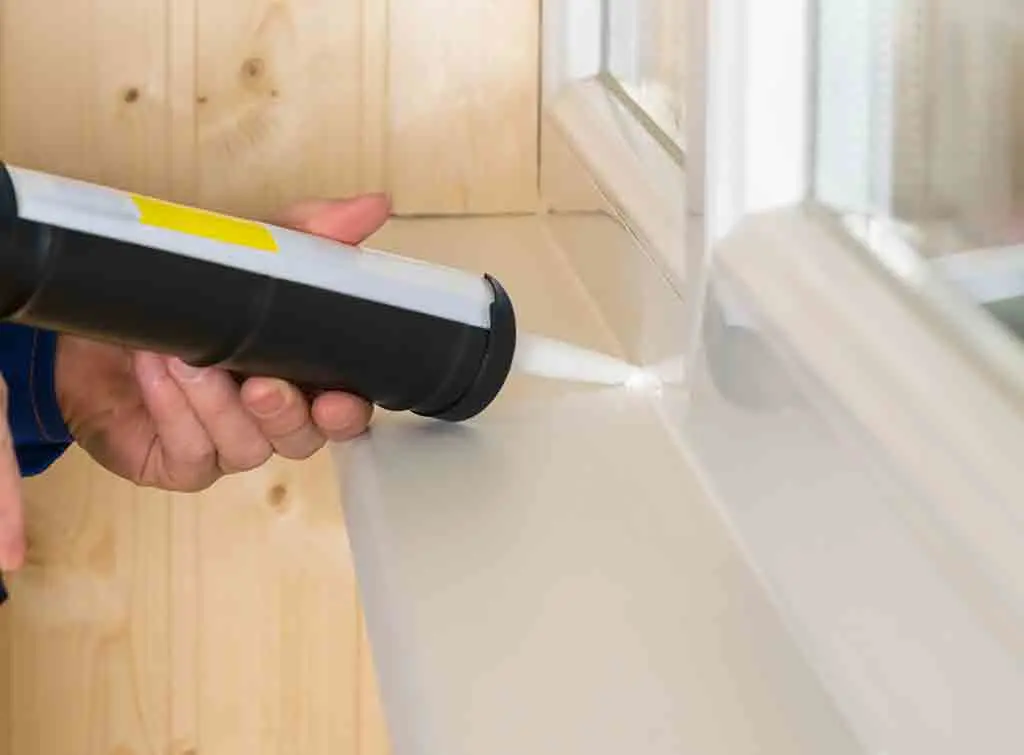
Be aware that applying sealant or replacing the weather stripping is often a temporary fix. These methods can stop water from entering your home, but they won’t repair any damage to your walls or window frames. This brings us to...
How do I temporarily stop my window from leaking?
Sometimes, you might need to temporarily stop your window from leaking while you wait for a longer-term repair or replacement. Here are some methods you can try.
Sealant
As we’ve already mentioned, applying sealant to the source of the leak can block the water from entering while you wait to address any larger issues with your windows.
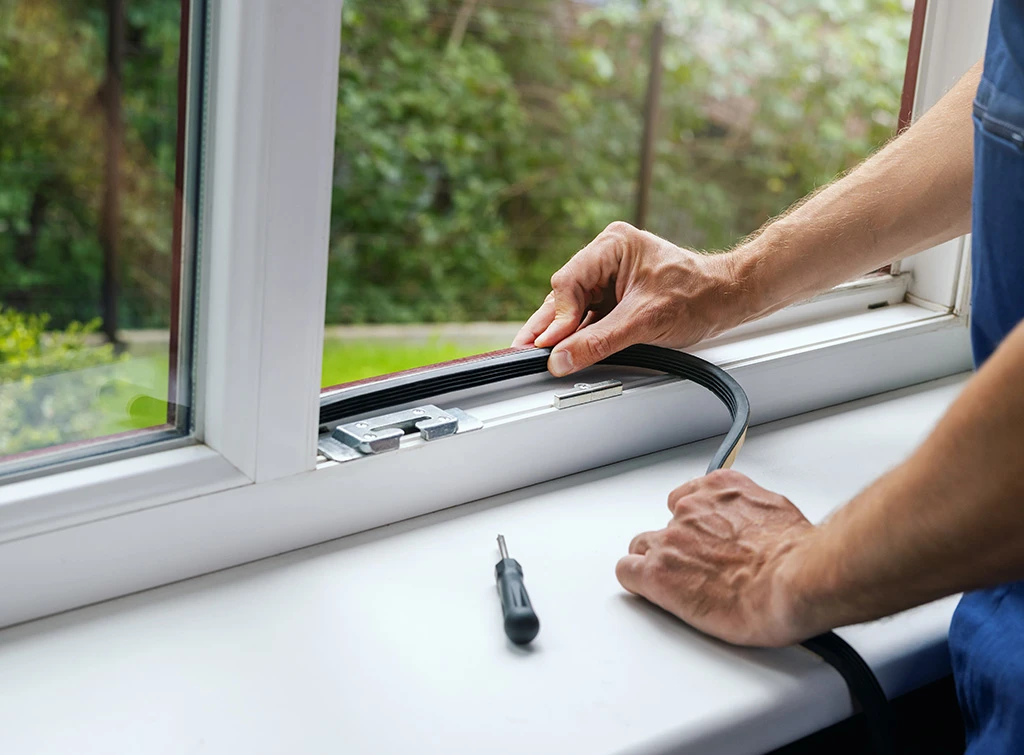
Weather stripping
Replacing your window’s weather stripping is another good way to quickly seal your windows to block leaks while you’re waiting for bigger repairs.
Window film
A window film may help if the issue is related to cracks in the glass or condensation. Window film will only really act as a temporary bandaid, but might give you time to save for a bigger repair or to improve your insulation.
Manage the leak
If all else fails, you might have to resort to old-fashioned ways to manage your leaking windows. By this, we mean placing plenty of rolled-up towels beneath the leak or catching drips with a bucket or container.
It’s not exactly a fix, but it can help you prevent further damage to your interiors and belongings while you wait for a window repair.
How do you stop a leaking window while it's raining once and for all?
The best way to stop your windows from leaking once and for all is to get professional help.
A window repair specialist can examine your windows and accurately diagnose the problem before carrying out the appropriate fix. That way, you’ll know you’re investing in repairs that will actually solve your problem, and you can put your window leaks behind you for good!
Enter your postcode into the search box below to find a window repair specialist near you on Checkatrade.
Find a local tradesperson
FAQs
Why does water come in my window when it rains?
There are lots of different reasons why water might come in through your window when it rains. However, the most common is to do with missing or damaged sealant, as the chemical components in window sealant can break down over time.
How come my bay window leaks when it rains?
If your bay window leaks when it rains, there could be many different causes – from damaged sealant to blocked gutters or even condensation.
However, when it comes to bay windows, there’s also a chance that your home’s siding is to blame. If you have vinyl or wood siding installed on your property, your contractor will need to use apron flashing to overlap the corners or your bay windows – if these have been forgotten or installed improperly, this can lead to leaks.
How come my sliding window leaks when it rains?
If you have sliding windows, you might notice that the window tracks fill up during heavy rain, causing water to enter your property.
In this case, the issue might be to do with small holes in the lower track of your window frame, known as weep holes. These holes are designed to allow water in the track to drain out, but they can become clogged up with dirt over time. Check that they are clean and unclog them if necessary to see if that stops your window from leaking.
Find a local tradesperson
More UPVC Windows Repair Articles

See the tradespeople we've checked for your job