HOW-TO GUIDES
How to get your house ready to sell
Updated 05/26
By: Olivia Scammell
Reviewed: Laura Macdonald

You’ve made the decision to sell — and suddenly you’re looking at your home through a completely different lens.
The scuffed skirting boards you stopped noticing. The cupboard that never quite closes properly. The hallway that always looks a bit cluttered...
The good news? Most of the things that make a difference to buyers are simple to fix once you know where to focus.
This guide walks you through how to get your house ready to sell, from quick wins that improve first impressions to the bigger decisions around whether it’s worth renovating at all.
The quickest ways to prepare your home for sale
What buyers actually notice (and what they don’t)
Which jobs are worth doing — and which aren’t
How to improve kerb appeal and presentation
When it’s better to stop and bring in help
What does getting your house ready to sell involve?
Preparing your home for sale means fixing obvious issues, improving presentation, and making it easier for buyers to picture themselves living there.
How to get your home ready to sell (quick checklist)
If you’re short on time, or perhaps feeling overwhelmed by the process, start here:
Fix any obvious repairs (leaks, cracks, broken fittings)
Declutter and remove personal items
Deep clean the whole property
Improve kerb appeal (garden, entrance, exterior)
Finish small jobs you’ve been putting off
Stick to neutral, simple décor
These are the changes that tend to make the biggest difference when people walk through the door.
From small repairs and decorating to garden tidy-ups and deep cleaning, getting a few jobs done professionally can make the whole process feel much more manageable.
Find checked and reviewed tradespeople ready to help you with Checkatrade.

What buyers are really looking for
Most buyers aren’t expecting perfection. What they tend to look for is a home that feels:
Well looked after
Bright and spacious
Clean and easy to move into
Free from obvious problems
If a property feels neglected or unfinished, buyers normally start to mentally add up the cost and effort of fixes and repairs — and that’s when offer prices can drop.
Don't worry about creating a "show home". The goal is to remove distractions so people can focus on the space itself.
Getting your house ready to sell in 30 days
If you’re working to a rough timeline, these are the four main areas that matter most when preparing your home for sale.
1. Fix structural and maintenance issues first
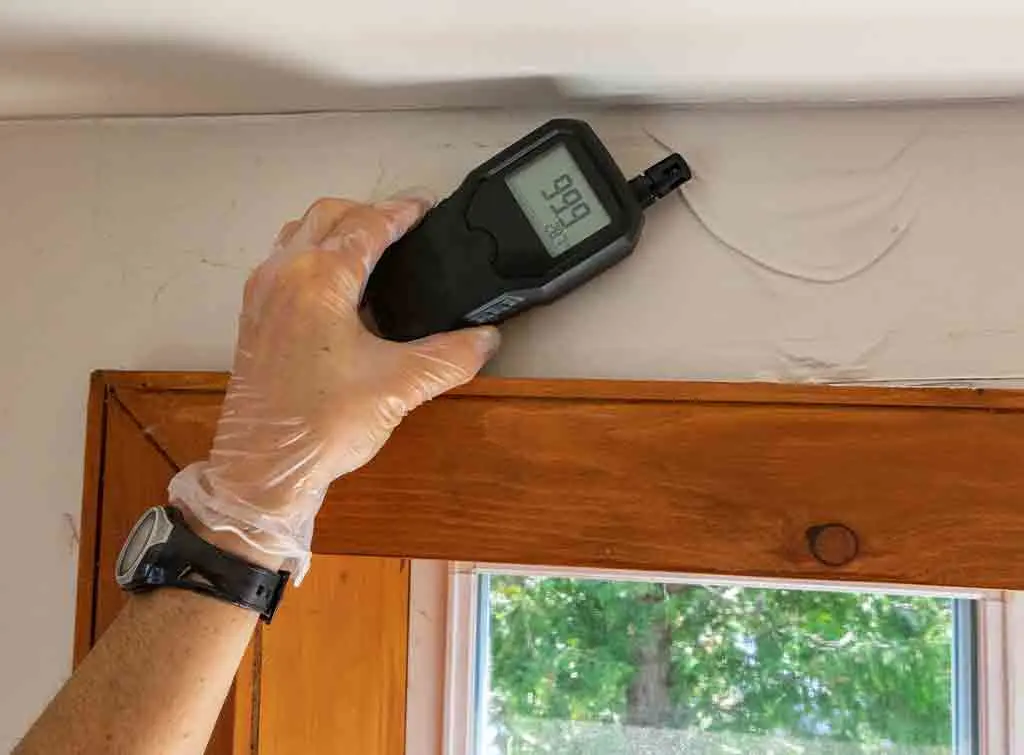
Before anything cosmetic, deal with the things that could come up in a survey.
Focus on:
Roof issues (loose tiles, leaks, chimney condition)
Cracks in walls or signs of damp
Windows, doors, and seals
Any obvious wear or damage
Even small issues can slow down a sale later if they’re flagged during the buyer’s survey.
2. Improve kerb appeal (first impressions genuinely matter)
Buyers often form an opinion before they’ve even stepped inside your home.
A few simple jobs can completely change how your property feels from the outside:
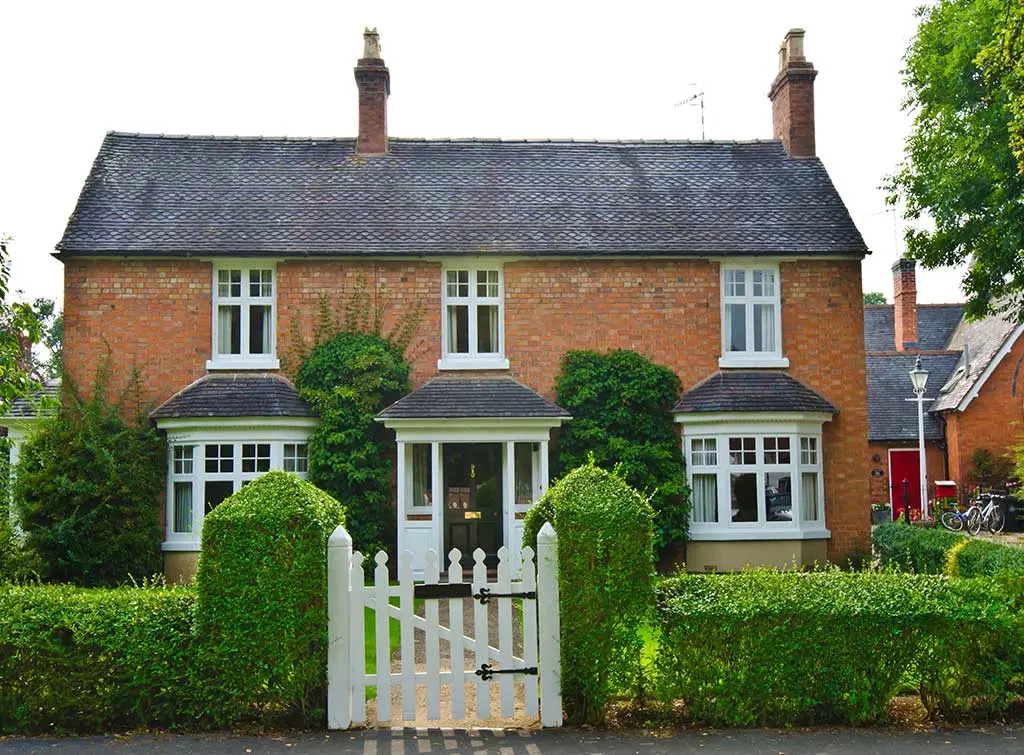
Repaint tired exterior walls or the front door
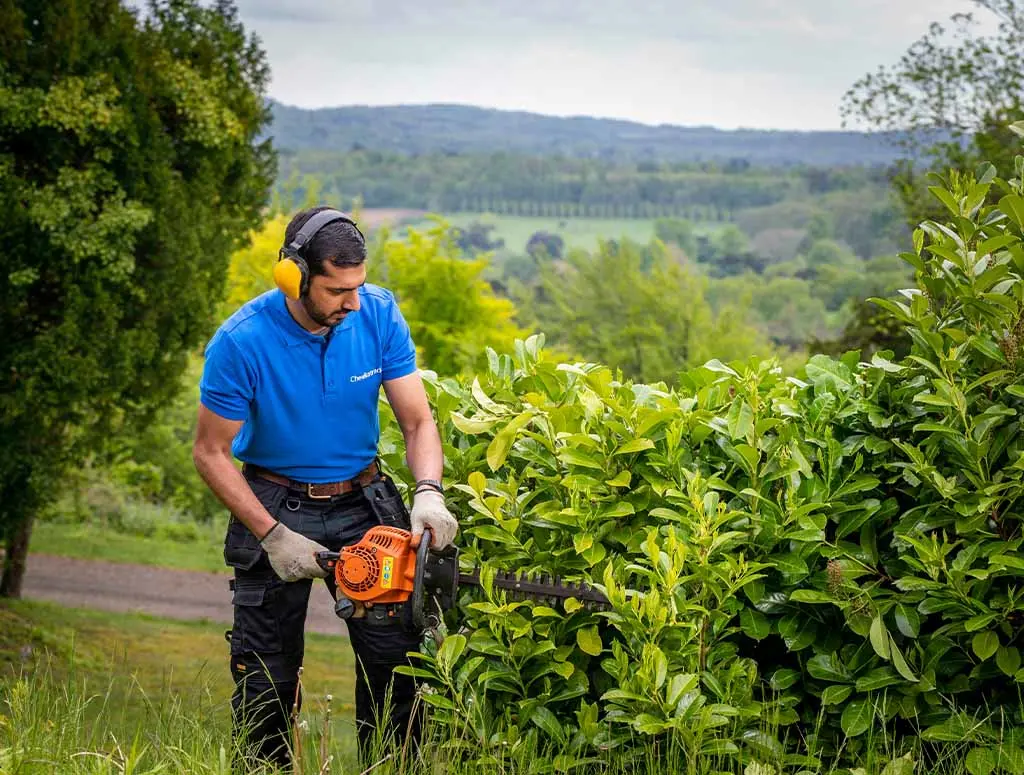
Tidy the garden — cut back overgrowth and mow the lawn
You don’t need a full redesign. Just making everything look clean, maintained and cared for goes a long way.
3. Make your home feel bigger, lighter and calmer
This is where presentation really starts to influence how people feel when viewing your property. Here's how to get it right:
Start with a clear-out
If storage looks tight, buyers will notice. Clearing surfaces, cupboards and hallways instantly makes rooms feel bigger.
If needed, consider temporary storage for bulky items while your home is on the market.

Depersonalise the space
Buyers are trying to imagine their life there — not yours.
That usually means:
Taking down personal photos
Storing away collections and removing bold décor
Keeping colours simple and neutral
A fresh coat of paint in a light tone can make a surprising difference, especially in high-traffic areas like a hallway or landing.

Define each room clearly
If you have a room that's become a bit of everything (office, storage, spare room...), bring it back to a clear purpose.
It helps buyers understand how the space works and the value it could offer them, without having to figure it out themselves.
Clean thoroughly (it matters more than you think)
A clean home doesn’t just look better, it feels (and smells!) better.
Focus on:
Kitchens and bathrooms
Floors and carpets
Windows and mirrors
Eliminating any lingering smells
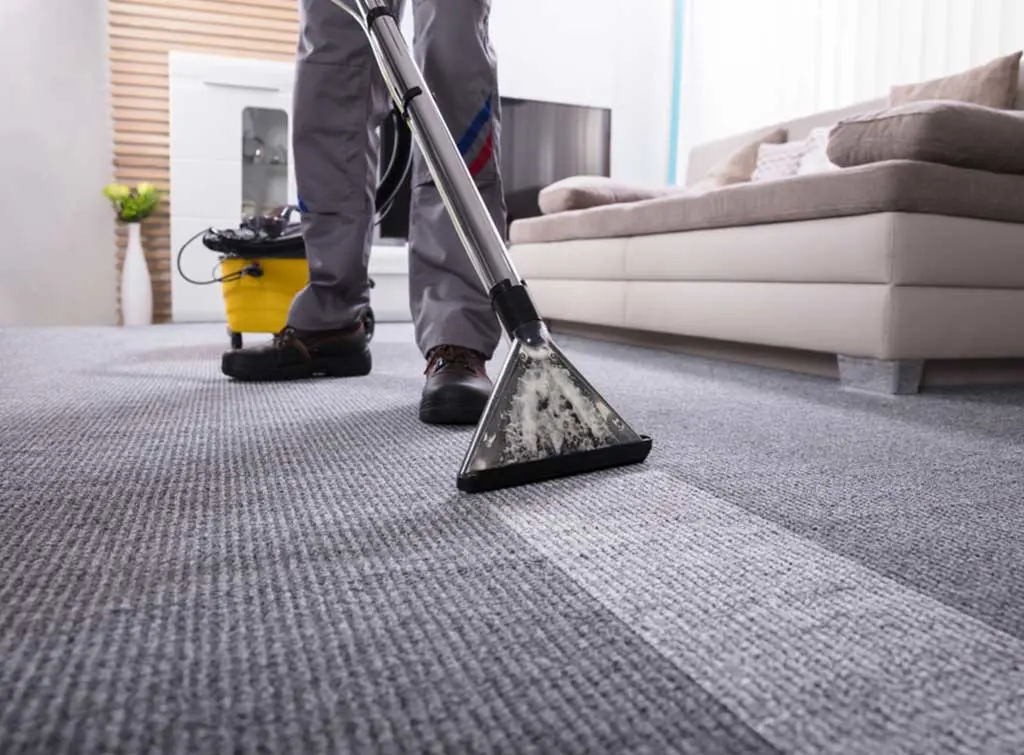
If needed, a professional deep clean or carpet clean can lift the whole feel of a property, which is especially helpful for photos and viewings.
4. Finish the jobs you’ve been putting off
Loose handles. Half-painted walls. That door that sticks slightly.
Individually, they’re small things. Together, they give the impression your home may not have been properly maintained.
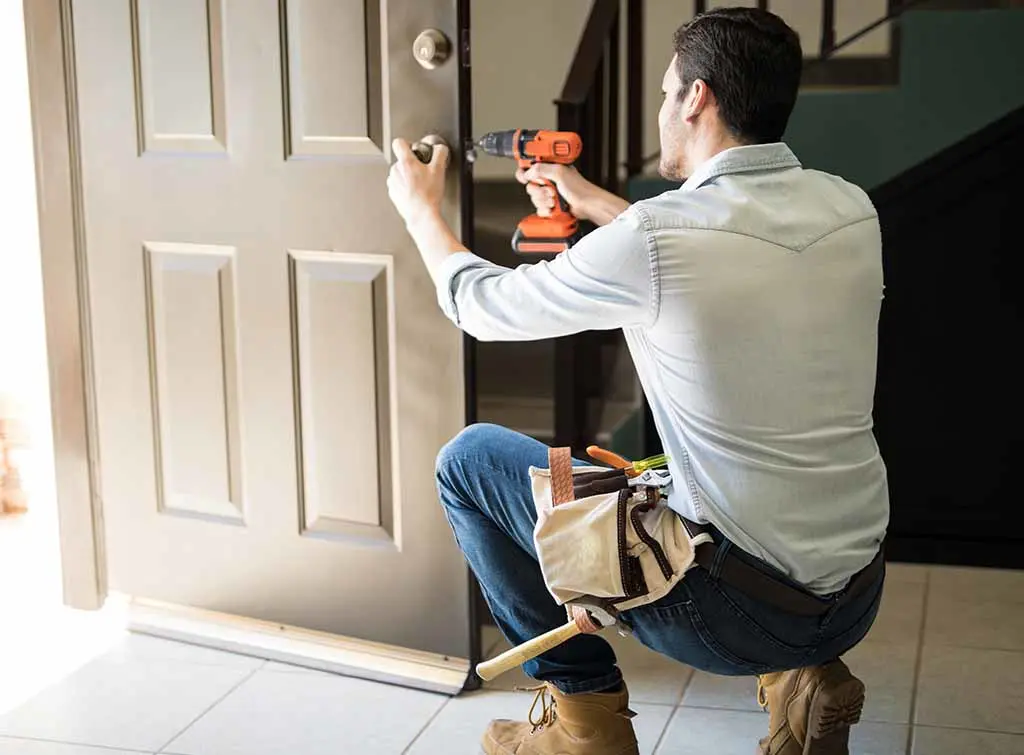
This is where a handyperson can be a good shout, especially if you have a list of jobs to get through in one go.
Is it worth renovating before selling?
This is where a lot of people get stuck knowing what's best. It may seem like an 'on the fence' answer, but it's true to say that sometimes it's worth renovating before selling, but not always.
Small improvements? Usually worth it.
Full renovations? Often not.
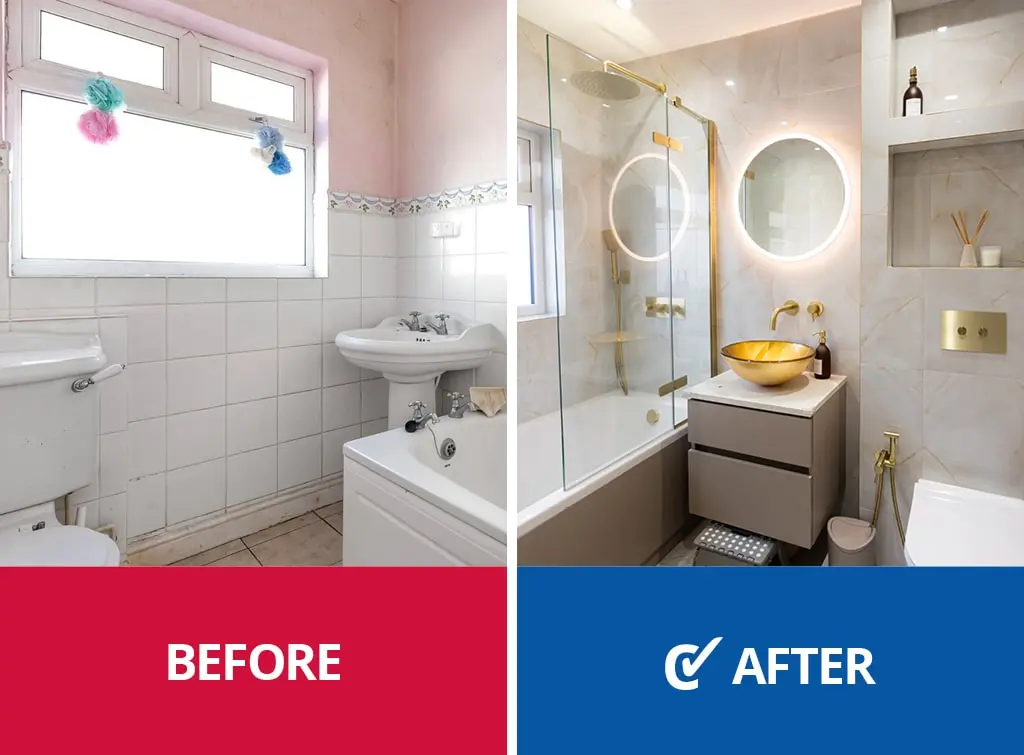
If your home is generally in good condition but one space lets it down (like a very dated bathroom), updating that room can help push it into a higher price bracket.
But if your whole property needs work, buyers will likely plan their own renovations anyway, so you may not get the return you expect.
Which rooms add the most value?
If you're going to invest, these are the areas buyers tend to focus on most (and hence offer the most potential for adding value):
Kitchens
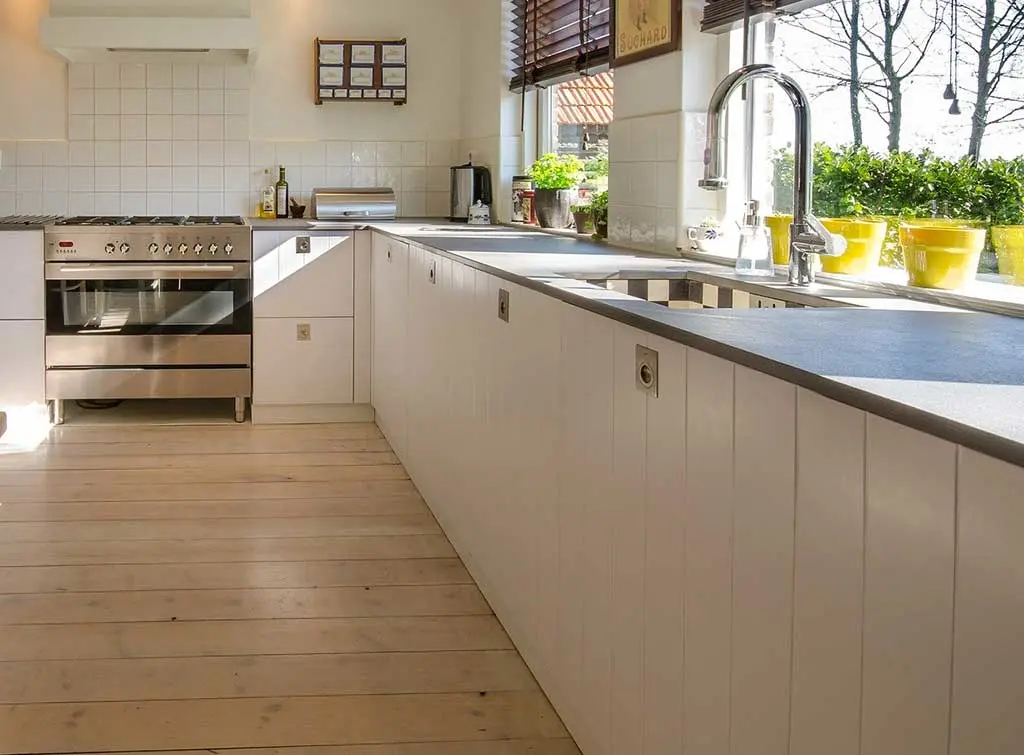
Often the first place buyers mentally 'price up'. An updated kitchen can improve saleability and perceived value.
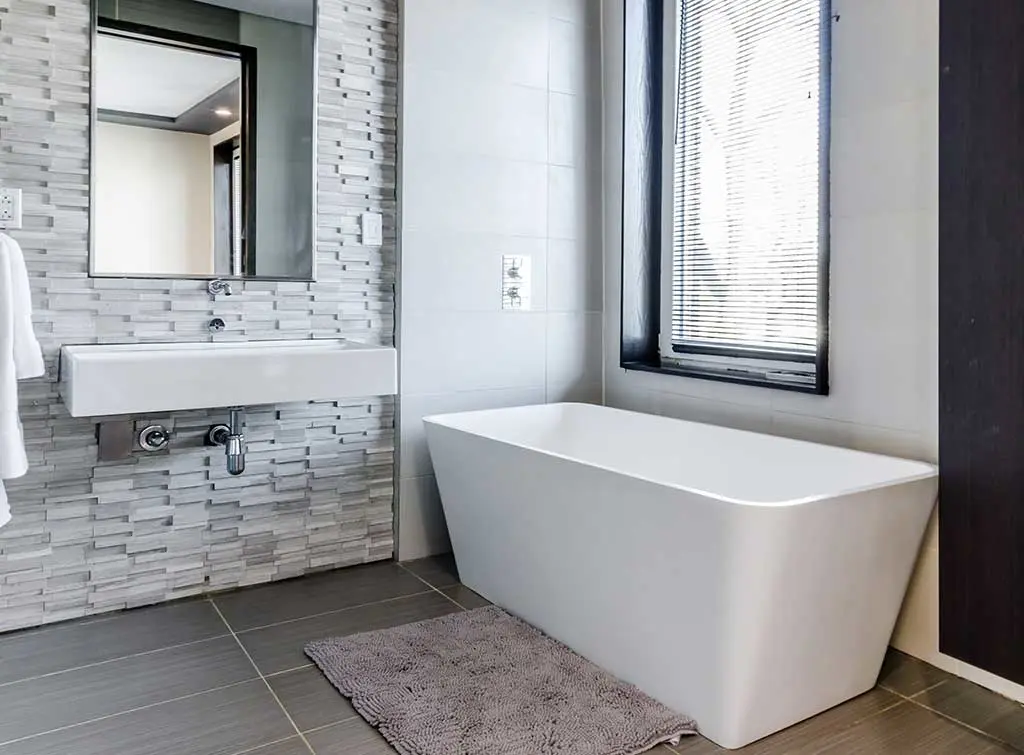
Bathrooms
Clean, modern bathrooms help a property feel move-in ready.
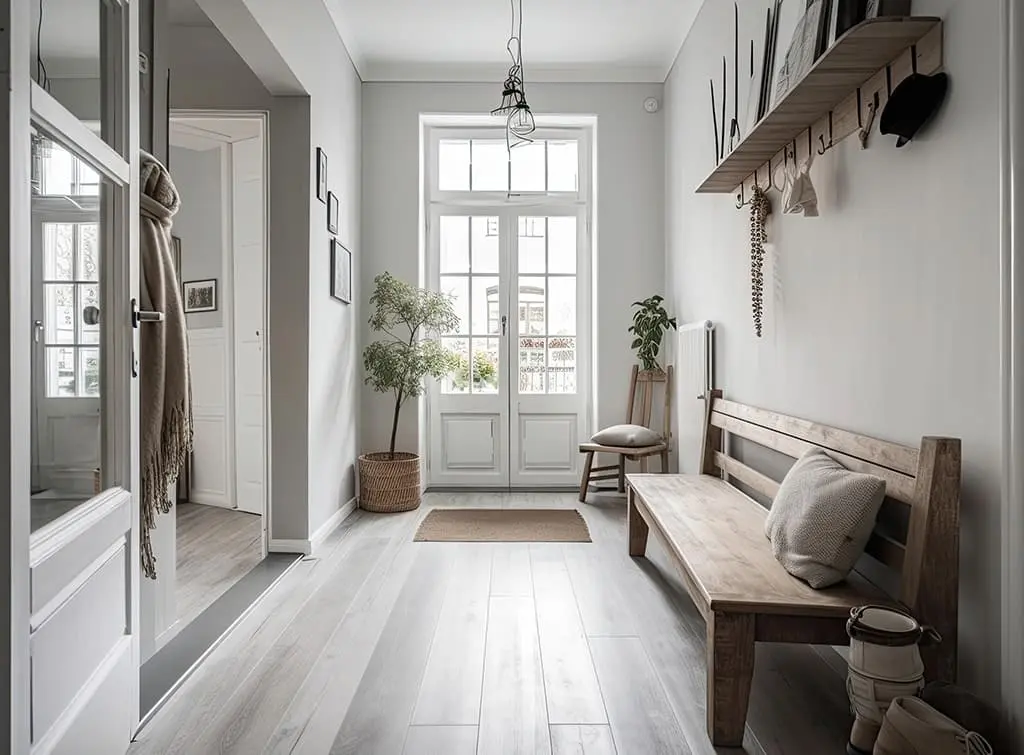
Entrance areas
Hallways and entrances set the tone for the rest of the viewing. That said, quality matters. A rushed or low-spec renovation can sometimes do more harm than good.
Don't underestimate the importance of your carpets and flooring. And pay attention to the walls and ceilings too. Giving them a freshen-up to make them more neutral and appealing can help make a more positive impact.

Common mistakes when preparing a home for sale
If you're keen to sell your home efficiently and for the best possible price, these are some of the pitfalls to avoid:
Overdoing renovations: Spending more than you’ll realistically get back
Cutting corners on DIY: Quick fixes that don’t quite hold up can put buyers off
Choosing very personal design choices: Bold styles can limit appeal, even if they’re expensive
Ignoring small issues: Buyers notice the details — and often assume bigger problems sit behind them
If you're unsure whether or not a room is worth renovating to sell, it's a good idea to speak to a local estate agent. They'll be able to advise you on what house renovations are likely to add value to your home and give you a rough estimate as to how much.
When is the best time to sell your home?
Spring is often thought to be the strongest time to sell. Longer days, better light, and gardens starting to look their best all help your property show well.
That said, a well-prepared home can sell at any time of year — presentation usually matters more than timing.

Final viewing checklist
Before a viewing, aim to do a quick reset to help present your home in its best light:
Open curtains and let in natural light
Clear kitchen surfaces and empty the draining board
Clean bathrooms and put toiletries away
Hoover floors and tidy entryways
Make sure your home smells fresh
It doesn’t need to feel staged, just calm, clean and easy to walk into.
Can you get your home ready to sell yourself — and should you?
You can absolutely get your home ready to sell yourself. Most of this process is very doable. It's more about whether you have the time or energy to lend to it — it's no secret that preparing to move house is a big undertaking.
It’s usually fine to handle it on your own if:
The work is mainly cleaning, decluttering and light decorating
Repairs are minor
You’re not working to a tight deadline
It’s worth getting help if:
There are structural or safety issues
You have multiple jobs to complete quickly
You want a more polished finish before listing
Sometimes, bringing in help just speeds everything up and takes the pressure off.
Always use qualified professionals for anything that requires certificates to be signed off, such as boilers, electrics, and structural work. Cutting corners on these things will undoubtedly come back to bite you if a surveyor picks them up once the property is going through a sale. This can cause unnecessary delays and costs to all involved.

Find local trades to help you get ready to sell
If you’d rather not juggle everything yourself, contact relevant tradespeople who cover your local area to help get your home market-ready more quickly.
With Checkatrade, all our tradespeople are:
Checked - Every Checkatrade member must pass up to 12 checks and commit to upholding the Checkatrade Standard
Reviewed - Over 6.2 million reviews have been published on Checkatrade about real jobs, on everything from communication, tidiness, timekeeping, and quality of work
Guaranteed - Jobs booked through Checkatrade are covered up to £1,000 (T&Cs apply)
Whether you need someone to clean your windows, spruce up the garden, refresh the paintwork, or do a budget-friendly bathroom renovation, connect with reputable tradespeople through Checkatrade.
Find tradespeople we've approved and guarantee
FAQs
How do I prepare my house for sale quickly?
To help prepare your home for sale, focus on the basics first: fix obvious repairs, declutter, clean thoroughly, and improve kerb appeal. These changes can make a noticeable difference in a short space of time.
What should I fix before selling my house?
Before selling your home, prioritise anything that could come up in a survey — such as leaks, cracks, or faulty electrics — along with visible wear and tear like broken fittings or damaged finishes.
Is it worth renovating before selling?
It's sometimes worth renovating before selling, but only if it adds value. Kitchens and bathrooms can help do this, but large-scale renovations aren’t always necessary.
How clean should a house be before selling?
Your home should be as clean as possible before selling. A fresh, well-maintained home helps buyers focus on the space rather than distractions.
What adds the most value when selling a house?
Presentation, condition, and key rooms like kitchens and bathrooms tend to have the biggest impact on value and buyer interest.
More Deep Cleaning Services Articles



See the tradespeople we've checked for your job