COST GUIDES
Building a house: Cost breakdown 2026
Updated 04/26
Looking into how much it costs to build a house in the UK? You've landed in the right place.
In this guide, we break down average UK house build costs, including cost per square metre. We also tick off the key factors that affect your final budget, so you can plan with confidence.
Fast Facts
The average cost to build a house is around £1,400 to £3,000 per square metre (m²)
The total cost to build a 2,000 square foot house is somewhere in the region of £335,000
Your final house build price will all depend on the size, complexity and finish you go for
How much does it cost to build a house?
| Cost item | Range - Low | Range - High | Average cost |
|---|---|---|---|
| Average cost to build a house (per m2) | £1,400 | £3,000 | £1,800 |
| 3-bed house (90-120 m2) | £126,000 | £300,000 | - |
| 4-bed house (140-200 m2) | £196,000 | £500,000 | - |
| 5-bed house (200-240 m2) | £280,000 | £600,000 | - |
| Construction cost / construction system cost | - | - | £30,000 |
| Last updated: June 2026 Our costs are ballpark averages - get a local tradesperson to quote now | |||
While the costs above are a solid starting point, it's important to know that there are many factors to consider when working out the cost to build a new house in the UK.
That’s why it’s important to plan ahead, calculate a budget – and then add a decent chunk of money on top as a contingency.
Let's get into it.
Cost to build a house per square metre
A great way to get a general estimate is to think about the cost to build a house per square metre (m²):
As a ballpark cost to build a house in the UK, you can expect to pay anything from £1,400 to £3,000 per m²
Watch our video to gain a quick overview of these prices...
House building costs by size (UK)
Another way of working out house building costs in the UK is by average property sizes:
How much does it cost to build a 3-bedroom house? (UK)
The typical size of a three-bedroom home is usually somewhere between 90 to 120 m²
The average cost of building a three-bedroom house can range from around £126,000 - £300,000
Obviously, that price can vary massively, depending on the details of the build and the fixtures and fittings that create the final specification of your home
How much would it cost to build a 4-bedroom house from scratch?
If you’re planning to build a four-bedroom house, then you’re most likely looking at a property in the region of 140 to 200 m²
The average cost of building a four-bedroom house from scratch can range from around £196,000 - £500,000
Average cost to build a 5 bedroom house
It’s no surprise that the bigger the house, the more it’s going to cost to build
With an expected size of around 200 - 240m², the cost of building a five-bedroom house will be somewhere in the region of £280,000 - £600,000
All the prices you see above are estimates based on average costs. You’ll need to dig deeper into the details of the house you’re planning to build to work out a more personalised budget for your project.
Get an accurate quote from an experienced builder near you
See available local tradespeople, read customer reviews, and get in touch directly for a quote using our free mobile app.


On Checkatrade, you'll only find trades who meet our high standards and pass up to 12 checks.
Pre-build costs to budget for
In order to have a realistic budget for your house build, you need to factor in the costs for pre-build expenses, such as:
The price of the land
Land survey costs (make sure they cover flood risk and tree/environmental assessments) – £600 - £1,600
Costs of legal fees – £1,000
Service connection costs – If your plot isn’t connected to mains services, then you’ll need to budget for this (and you or the developer should always speak to the relevant utility companies to carry out this specialised works):
New electricity supply cost – £621 - £10,140plus
Water and sewers – £2,000 - £4,000
Gas – £1,500plus
Planning permission costs (cost per house) – £610 (England) / £667 (Wales) / £742 (Scotland)
Architectural design costs – 5 - 12% of the total build cost
Structural engineer – £5,000 for a complex residential project, or £100–£200 per hour
Self-build insurance cover – Around 1% of the total build cost
Once you’ve added up all those costs and removed them from your total budget, what’s left is the amount you’ll have to spend on actually building the house.
A word on building regulations fees: Applications and visit fees are priced based on your project’s size and type. Always check with your local authority early to understand inspection costs and avoid unexpected charges.
Find a checked builder near you
Self build cost calculator
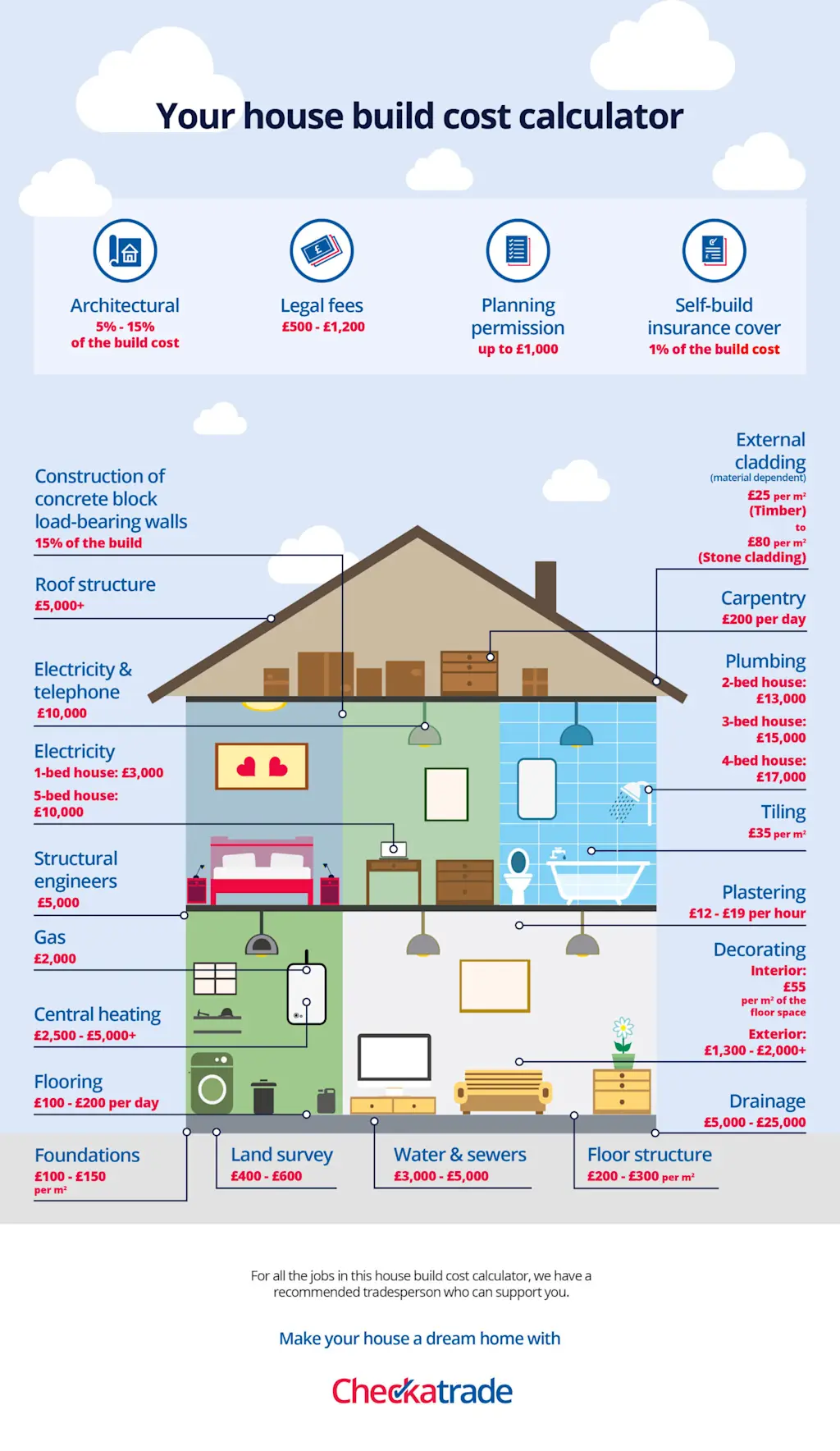
Take a deeper dive into the cost breakdown of building a home, using our handy cost calculator below.
Job Estimate Calculator
What affects the cost of building a house?
There are a lot of elements that combine to build a new house. Below is a breakdown of the key costs, and how much, on average, you should budget for.
1. New home foundations costs:
The average cost to lay foundations is about £95 - £280 per LM
The type of foundations you need will depend on the ground conditions and the local authorities' regulations/conditions of planning approval
2. Construction costs:
The load-bearing walls of your new house will be around 15% of the total build cost, based on concrete blockwork
If you opt for a different construction system (such as timber, structural insulated panels, insulated concrete or oak frame), you can expect the price to be higher
3. Floor structure costs:
The average cost of having a beam and block floor system is somewhere in the region of £200 - £250 per m²
4. Roof structure:
Expect to pay £6,500 - £20,000 + for the roof structure, but for more intricate design, prices rise
5. External cladding costs:
You have a number of options when it comes to the external cladding for your new house, each with its own respective costs:
uPVC cladding – £60 - £100 per m²
Timber (and thermowood) cladding – £100 - £180 per m²
Aluminium cladding – £200 - £230 per m²
Rubber cladding – £70 - £90 per m²
6. Drainage costs:
Connection costs for a new drainage system can be anywhere from £4,000 - £24,000 plus
The total drainage cost will depend on the length and depth of dig required, ground conditions, materials, labour and the cost of any road closures or road opening licenses
7. Electricity costs:
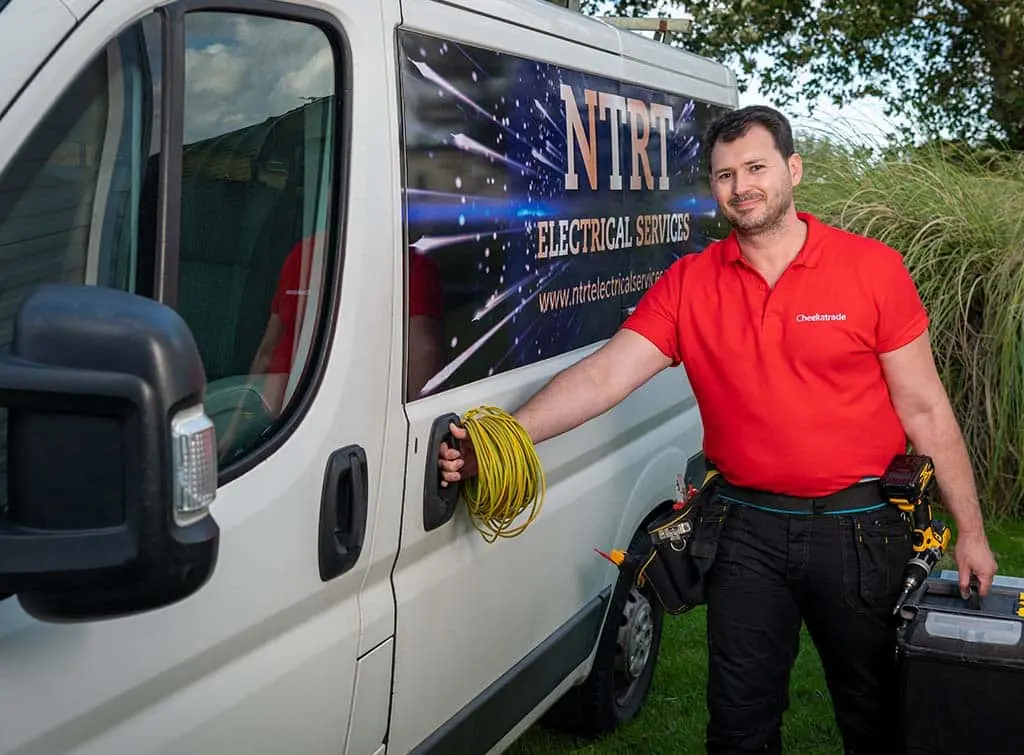
Electrician costs to wire your new house can range massively, depending on the size of the property
Wiring a 1-bed house would be in the region of £3,000–£4,800
Wiring a 5-bed house is most likely to cost closer to £7,500–£12,500
8. Plumbing costs:
Plumbing costs for a new house are likely to be around £13,000 - £24,000 . The size of your property will dictate the cost of the plumbing required:
2-bed house – £14,500
3-bed property – £19,000
4-bed home – £21,500
9. Central heating costs:
On average, installing a boiler and central heating system can cost approximately £3,230 - £7,300
The main factors affecting central heating costs are the size of the house and the type of heating you opt for
10. Carpentry costs:
The average rate for a carpenter is around £240 - £360 per day
Carpenters help with everything from fitting staircases and kitchens to building bespoke storage systems
11. Plastering costs:
In the later stages of your house build, you’re going to need a reliable plasterer to work their magic
The average cost of a plasterer is around £300 per day
Alternatively, to help you budget, the average cost per square metre for plastering a wall is in the region of £24 per m2
12. Decorating costs:
Don't forget the finishing touches, including painting and decorating
As a guide, you can expect the cost to paint and decorate the interior of a house to be around £325 per m2 based on the floor space
Exterior painting for a 3-bed usually costs around £1,100 - £1,500
That goes up to £1,750 - £2,500 for a 4-bed detached house
13. Tiling costs:
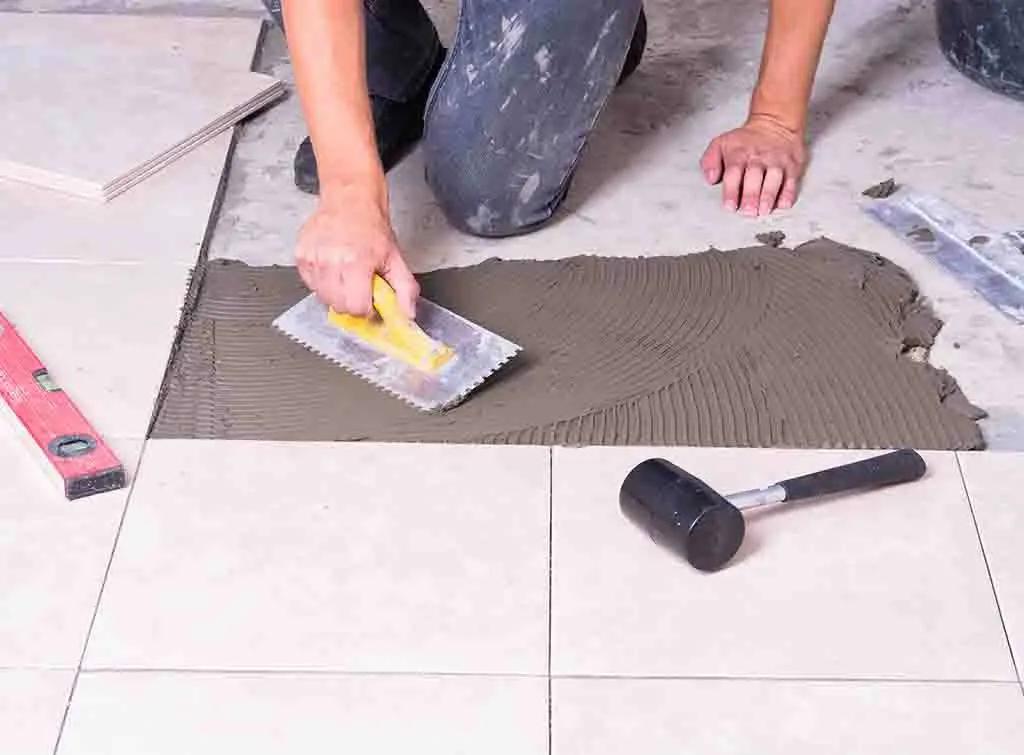
Tiling costs for your kitchen and bathrooms are another factor to budget for
Allocate somewhere in the region of £110 per m² for tiling walls (materials and labour)
Similarly, you'll want to budget around £110 per m² for tiling floors
14. Flooring costs:
The materials for your flooring will vary depending on the exact type and quality of the flooring you go for
Wooden flooring – £30 - £200 per m²
Parquet flooring – £65 - £45 per m²
Bamboo flooring – £18 - £33 per m²
Polished concrete flooring– £120–£150per m²
In addition to the material cost, you should expect to budget around £240 - £300 per day for the labour costs of installing your flooring
15. Garden landscaping costs
You’ll probably want to include some budget for garden landscaping – even if just initially, to make the house accessible from the driveway
On average, a local landscaper will charge about £180–£280 per day
Other useful cost guides
If you're looking for some extra reading, here are some other useful cost guides to read for your house build:
Or, if you're ready to get moving on your new home build, enter your postcode in our free search tool below to browse approved tradespeople in your area.
Find your local builder today
Book your builder as early as possible. Reputable tradespeople are often scheduled months (or years!) in advance. Planning ahead gives you the best chance of securing quality workmanship and your preferred start date.
Other new build costs to consider
Understanding the key factors that can influence the total cost of building a house in the UK is key – especially if you need to scale back your total spend:
Size – Larger homes cost more overall, though bigger builds can reduce the cost per square metre
Materials – Premium finishes and bespoke features increase costs compared to standard options
Access – Difficult-to-reach sites may require extra labour or specialist equipment
Complexity – Simple layouts are cheaper than custom designs with unusual shapes or multiple levels
Region – Labour and material costs vary across the UK, with London and the South East typically being more expensive
Hidden new build costs to budget for
Beyond the main build costs, remember to budget for:
Site preparation – Clearing, excavation, and groundwork before construction begins
Waste disposal – Skip hire and removal of construction waste
Access equipment – Scaffolding, cranes, or specialist machinery if needed
Parking and permits – Especially important for urban or restricted-access sites
Upgrades – Changes to finishes, layouts, or specifications during the build
Professional fees – Architects, engineers, surveys, and approvals
We strongly recommend setting aside a contingency budget for unexpected costs when planning your budget. A sensible figure is an additional 10% to 15%.

How to budget for your house build
To get you started, here are some important considerations for starting the budgeting process for your house build project:
How are you planning to pay for the house build?
How much do you have in savings?
How much will you be borrowing or being gifted from family or loved ones?
Do you need to apply for a self-build mortgage?
What will the house be worth once it’s built?
Are you planning to live in the house or build it to sell it?
If you’re going to sell it, what equity will you have in the house after paying for the build?
Wondering how you can finance your house project? Take a look at our guide on the best ways to finance and budget for home improvements.

Building a house cost checklist
Why use Checkatrade to find an experienced builder near you?
Checked - Every Checkatrade member must pass up to 12 checks and commit to upholding the Checkatrade Standard
Reviewed - Over 6.2 million reviews have been published on Checkatrade on everything from communication, tidiness, timekeeping, and quality of work
Guaranteed - Jobs booked through Checkatrade are covered up to £1,000 (T&Cs apply)
Start browsing for checked and reviewed local builders near you
Enter your postcode to find a top tradesperson near you
Prime Development Projects Ltd
10.00
(1 review)Services & skills
BuilderBrick / Concrete Structural RepairsLoft ConversionsConcretingPeriod Property RestorationLock Building London
10.00
(8 reviews)Services & skills
BuilderAgricultural BuildingGeneral BuildingConcretingWall Tie ReplacementsTOP PRO CONSTRUCTION LTD
10.00
(1 review)Services & skills
BuilderAgricultural BuildingLoft ConversionsConcrete GaragesConcreting- B
Brooks Builders & Decorators
10.00
(76 reviews)Services & skills
BuilderWall Tie ReplacementsSuspended CeilingsPartition WallsSteel Fabrication DJF Loft Conversions
10.00
(26 reviews)Services & skills
BuilderGeneral BuildingRefurbishmentsLoft ConversionsGarage ConversionsBUILDINGBANK
10.00
(3 reviews)Services & skills
BuilderAgricultural BuildingExtensions / ConversionsEmergency Builder ServiceConcreting


It’s often possible to build a new house for less than it would cost you to buy a new house from a developer, giving you a healthy profit at the end. But this is only if you can stick to the budget.
The actual build process usually takes around 9 to 12 months, if everything goes to plan and there are no major hiccups. That’s not including the pre-build stage of buying land, designing and planning.
Summer is generally considered the best time to build a house, because the weather and temperatures in the UK are best (dry and warm). For instance, pouring concrete needs a minimum temperature of three degrees, so it’s best not to lay foundations in the colder winter months.
If you're extremely thrifty, know how to negotiate, and have excellent DIY skills, you could potentially build a house for £50,000. That said, these days it's not common for a house build to come in at such a low cost.
The cheapest houses to build are usually simple rectangular designs, such as compact bungalows or standard two-storey box layouts. Homes with uncomplicated rooflines and fewer structural features are generally the most cost-effective.
The most expensive stage of building a house is usually the superstructure, which includes the structural walls, external cladding, and roof. This phase can account for 25% or more of your total build cost, making it the single biggest expense in most UK self-build projects.
Yes, there is a selection of lenders who offer self-build mortgages, designed for people wanting to build their own homes. The application process is more complex than a standard mortgage, and the funds are released in stages throughout the life of the project, pending successful site inspections by the lender.
A self-build mortgage refers to a mortgage designed to cover the costs when you are building your own home. These mortgages may be a little trickier to find than traditional mortgages, but you will still have plenty of options for self-build mortgage providers if you shop around.


See the tradespeople we've checked for your job